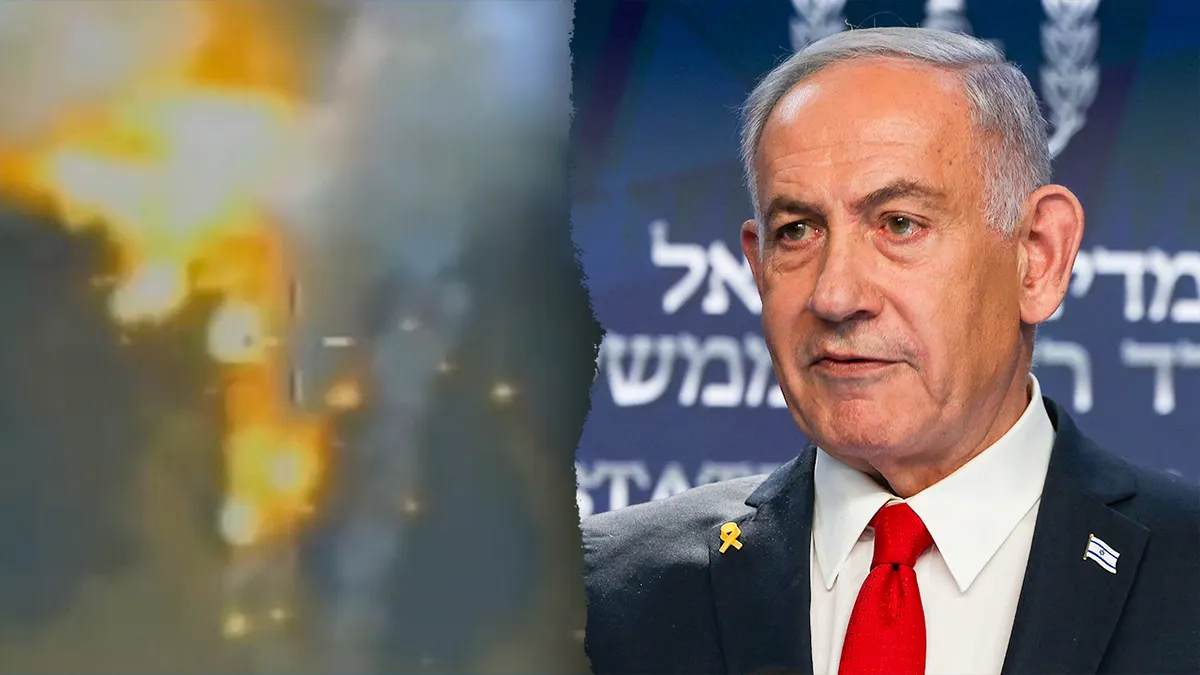
US–Israel Strike on Iran Sparks Regional Shock as Lebanon Moves Against Hezbollah
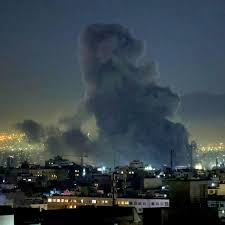
The United States and Israel’s recent military attack on Iran has shattered regional stability, prompted lethal retaliation, and forced Lebanon’s leadership to ban Hezbollah’s military activities — a shock decision with vast implications for Middle East geopolitics and global security. This moment matters now because these events mark a significant escalation involving the deaths of senior Iranian figures, the rise in cross-border strikes, and swift political shifts aimed at preventing wider war. The U.S. and Israel conducted strikes against Iranian targets, including reported command centers and senior leaders; Iran and Iranian-aligned groups responded with attacks across regional fronts; Lebanon countered Hezbollah’s actions by legally restricting its armed role to rein in escalation; and the global balance is now at stake as oil markets, diplomacy, and international coalitions respond.
U.S. and Israeli Offensive Target Iranian Leadership and Military Infrastructure
In late February 2026, Operation Lion’s Roar — a coordinated campaign by U.S. and Israeli forces — struck deep into Iranian territory. This large-scale offensive targeted missile sites, air defense systems, and key military infrastructure. Official and widely reported sources indicate that the apex of Iranian leadership was hit, significantly altering Tehran’s command capacity.
The reported killing of Iran’s Supreme Leader Ali Khamenei — confirmed through multiple independent and government statements — intensified both domestic turmoil and international alarm. Following the strikes, Iran’s internal security apparatus has struggled to maintain cohesion, triggering protests, leadership reorganizations, and uncertainty about governance succession. Such developments are shaping not only Middle Eastern geopolitics but also strategic military calculus among global powers.
Retaliatory Strikes Ignite Broader Regional Conflict
Iran responded with widespread missile and drone attacks, striking Israeli territory and U.S. military assets across the Gulf. Reports confirm that these counter-strikes affected sites in several nations, including Saudi Arabia, Qatar, and Iraq, introducing a new dimension to the conflict.
Civilian areas have also been hit, with tragic scenes emerging from cities and energy installations across multiple countries. One devastating strike reportedly destroyed a school in southern Iran, killing scores of children and noncombatants — a stark reminder that regional conflict has dire humanitarian consequences.
Lebanon’s Government Takes Unprecedented Step Against Hezbollah
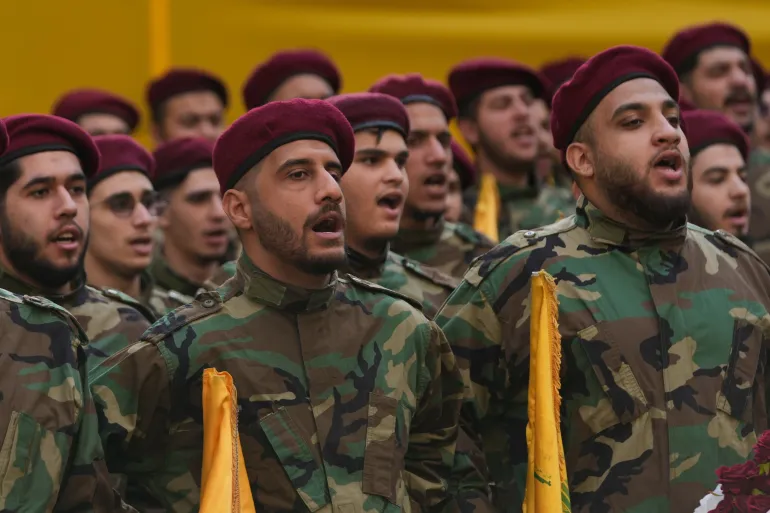
In a landmark move, Lebanese Prime Minister Nawaf Salam announced that Hezbollah’s military and security operations are now illegal within Lebanon, restricting the group solely to political roles. This decision followed Hezbollah’s missile and drone attacks on Israel that escalated the conflict beyond Iran’s borders.
The government’s directive mandates that Hezbollah hand over its weapons and cease all militant activities operating outside constitutional authority. This may redefine internal Lebanese politics and force a recalibration of power dynamics that have shaped Lebanon’s security landscape for decades — a major shift with significant ramifications.
Escalation Drives International Diplomatic and Economic Reactions
Global leaders and institutions such as the United Nations have condemned aspects of the conflict and urged diplomatic resolution, highlighting risks of an even wider war. Countries including Russia, China, and EU members have called for restraint, while allies of the U.S. defend the actions as defensive measures.
The conflict has already disrupted energy markets, forced evacuations of foreign nationals, and shaken investor confidence in global economic stability. Saudi Arabia, once seen as a relatively safe hub, has become an evacuation center for individuals fleeing escalating threats, underscoring how pervasive the crisis has become.
Civilian Toll, Security Concerns, and the Path Forward
As clashes persist, civilian casualties continue to mount on both sides of the conflict. Reports note overwhelming pressure on hospitals, infrastructure damage, and families displaced across national borders. These outcomes not only strain humanitarian systems but also fuel further political and military responses, increasing the risk of a prolonged confrontation.
Experts warn that de-escalation requires urgent multilateral diplomacy involving key regional and global stakeholders. Without meaningful negotiations and enforcement of ceasefire mechanisms, the conflict may evolve into an open-ended crisis with unpredictable consequences for peace, security, and energy supplies worldwide.
Why This Matters Now
This landmark escalation — combining targeted strikes, cross-border retaliation, and internal political restructuring — represents a watershed in Middle Eastern affairs. The involvement of major global powers, along with pivotal decisions such as Lebanon’s ban on Hezbollah’s military role, is reshaping alliances and the security environment at a critical moment in world history.
Subscribe to trusted news sites like USnewsSphere.com for continuous updates.