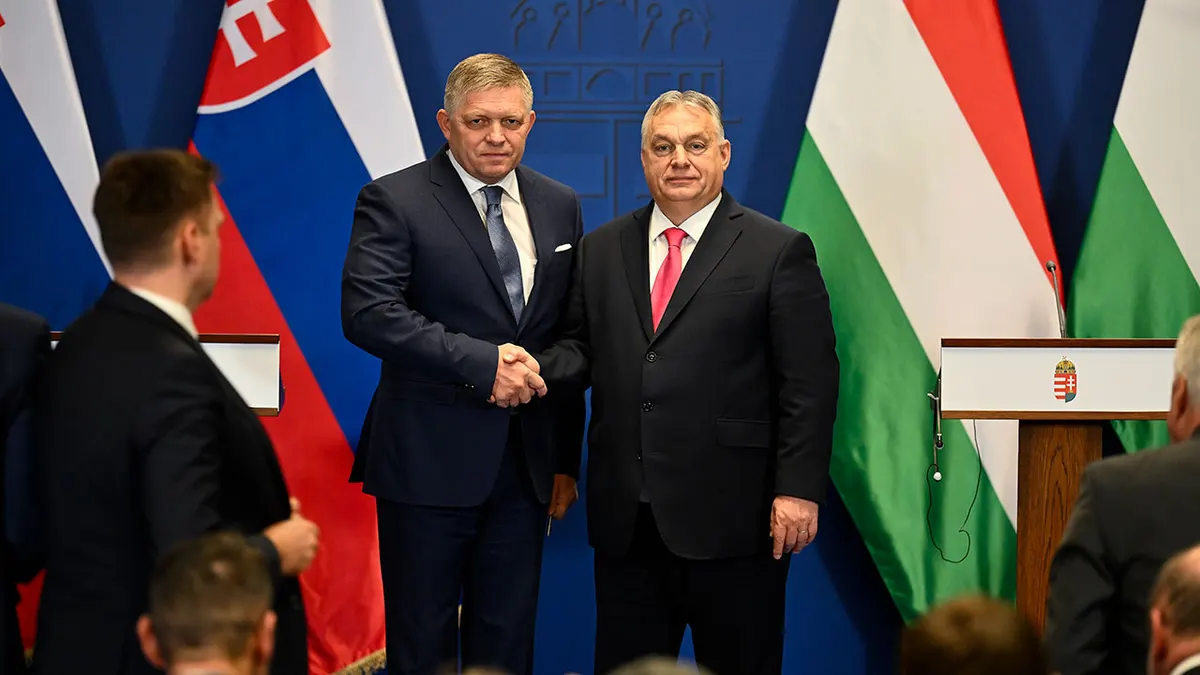
Hungarian Prime Minister Viktor Orban declares Ukraine an enemy of Hungary as tensions flare over energy supplies and EU policy demands, marking a historic escalation in relations between the two neighbors and deepening rifts within the European Union. In sharp language at a political rally, Orban accused Kyiv of acting against Hungary’s interests by pushing Brussels to cut off access to Russian oil and gas supplies that Budapest loudly says are vital to its economy and citizen livelihoods. Why this matters now: this unprecedented rhetorical shift could reshape EU cohesion, strain defense cooperation, and influence upcoming elections in Hungary and EU policy debates.
What Orban Said and Why It Shocks Europe
At a February 7 rally in Szombathely, Hungary, Prime Minister Viktor Orban openly labeled Ukraine an “enemy” of Hungary — a stark departure from usual diplomatic caution between neighbors. According to reports, Orban claimed Ukraine’s insistence that the European Union ban Russian energy imports threatened Hungarian households with higher energy costs and put the nation’s economic stability at risk.
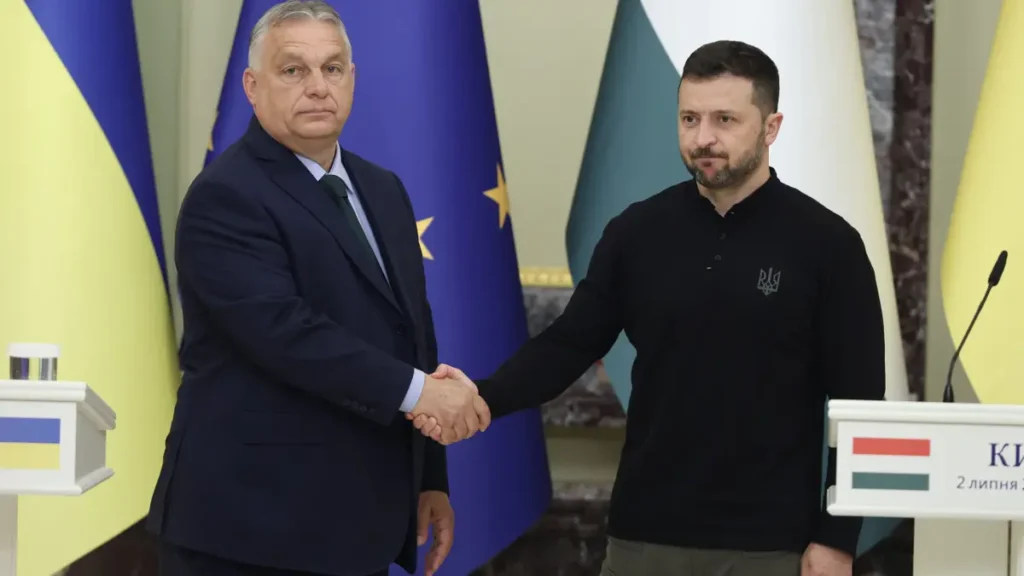
Orban framed Ukraine’s energy demands not merely as policy disagreements but as hostile actions against Hungarian interests. He said anyone pushing European leaders to cut off Russian oil and gas — much of which currently fuels Hungarian industries and homes — was acting against Hungary itself. This rhetoric has reverberated across Europe and intensified criticism within EU circles that Budapest is undermining collective EU foreign policy.
Root Causes: Energy, EU Policy, and Historical Frictions
The immediate trigger for Orban’s declaration stems from Ukraine’s pressure on the EU to end Russian energy imports entirely — a position aimed at weakening Moscow’s war machine against Ukraine. Hungary, however, remains heavily dependent on Russian pipelines like Druzhba and TurkStream for its oil and gas, making such cuts politically and economically painful.
Long-standing disputes over the rights of the Hungarian minority in western Ukraine and language law controversies, as well as Hungary’s broader reluctance to fully support EU sanctions on Russia, have also frayed relations over the years. Such tensions have occasionally led Hungary to block EU initiatives — including Kyiv’s path toward EU membership — in the name of protecting Hungarian interests.
International Reactions: Allies and Adversaries Weigh In
European leaders have expressed growing concern about Budapest’s inflammatory language. In contrast to Orban’s stance, many EU member states continue to back Ukraine as a partner against Russian aggression and a country deserving of future integration into European structures. A previous summit saw leaders from 47 nations describe Russia—not Ukraine—as the common adversary, highlighting the disconnect within the bloc.
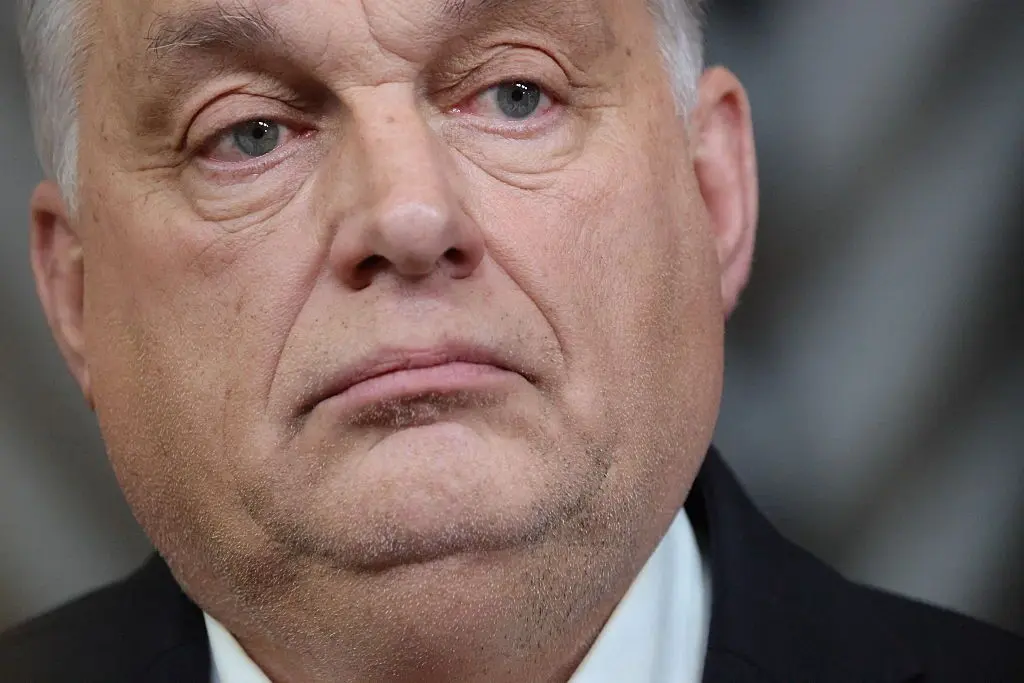
Ukraine’s Foreign Ministry has officially summoned the Hungarian ambassador to protest what Kyiv sees as harmful rhetoric and unfounded claims of interference. Kyiv insists such language undermines regional stability and jeopardizes efforts to build unity in confronting Russian aggression.
Political Context: Elections and Domestic Strategy
Orban’s remarks come as Hungary prepares for a critical parliamentary election in April. Facing stiff competition from the opposition Tisza party — which leads in recent polls — Orban appears to be packaging his anti-Ukraine stance as part of a broader nationalist campaign aimed at rallying his base around sovereignty, economic security, and resistance to EU pressures.
Critics argue the move could alienate Hungary from important EU partners and deepen economic isolation as Brussels and other NATO allies look to coordinate policy on energy, defense, and border security. Some analysts see the rhetoric as political maneuvering ahead of the election season rather than grounded in foreign policy.
Why This Matters Now for Global Security and Economics
Orban’s declaration is not just political theater — it reflects shifting dynamics in European alliances, energy geopolitics, and the EU’s collective response to the Russia-Ukraine war. As Ukraine continues to resist Russian attacks and seeks closer ties with Western institutions, Hungary’s antagonistic posture could hinder unified EU action on sanctions, military aid, and economic policy.
Energy security is central. Europe’s plan to wean itself off Russian oil and gas has already disrupted supply lines and led countries to rethink diversification. Hungary’s resistance highlights how energy dependencies can be exploited politically and may complicate EU decisions on collective sanctions and strategic planning.
Looking Forward: What Comes Next
Tensions between Budapest and Kyiv are unlikely to cool soon. Ukraine has responded diplomatically and may escalate its own international campaigns to isolate Hungary’s hardline positions. Within the EU, debates over energy, defense, and membership policy will likely grow more contentious, setting the stage for deeper debates about the bloc’s future coherence.
For Hungary, the upcoming election — influenced in part by economic anxiety over energy costs — will be a bellwether moment that may determine whether Orban’s hardline strategy resonates domestically or backfires politically and economically. Should the opposition gain power, Hungary’s foreign policy could pivot toward reconciliation and renewed cooperation with EU partners.
Subscribe to trusted news sites like USnewsSphere.com for continuous updates.