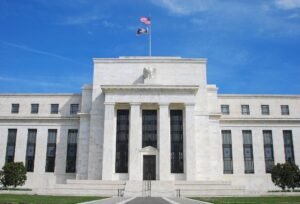
Federal Reserve Outlook: Why Rate Cuts Are Becoming Less Certain as Inflation Risks Persist in 2026 is now at the center of financial discussions across the United States, as investors, economists, and policymakers reassess expectations for monetary policy in a complex economic environment. What was once widely anticipated as a year of easing is increasingly turning into a period of caution, where the Federal Reserve must carefully balance inflation control with economic growth.
Inflation Persistence Is Reshaping Fed Expectations
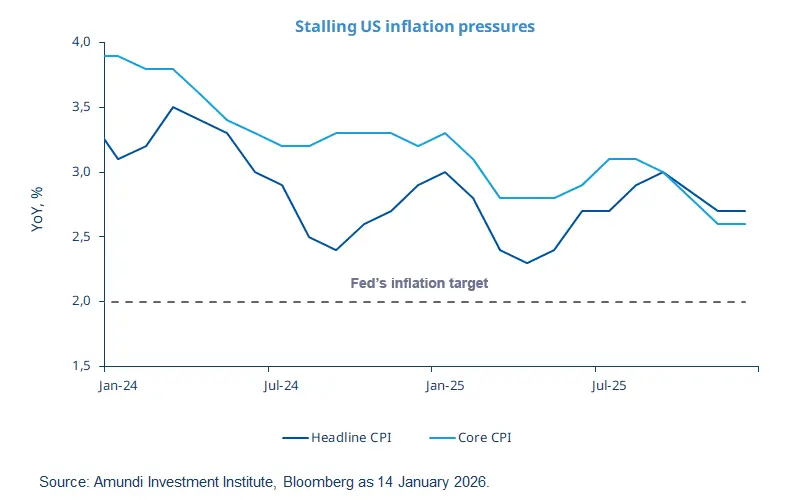


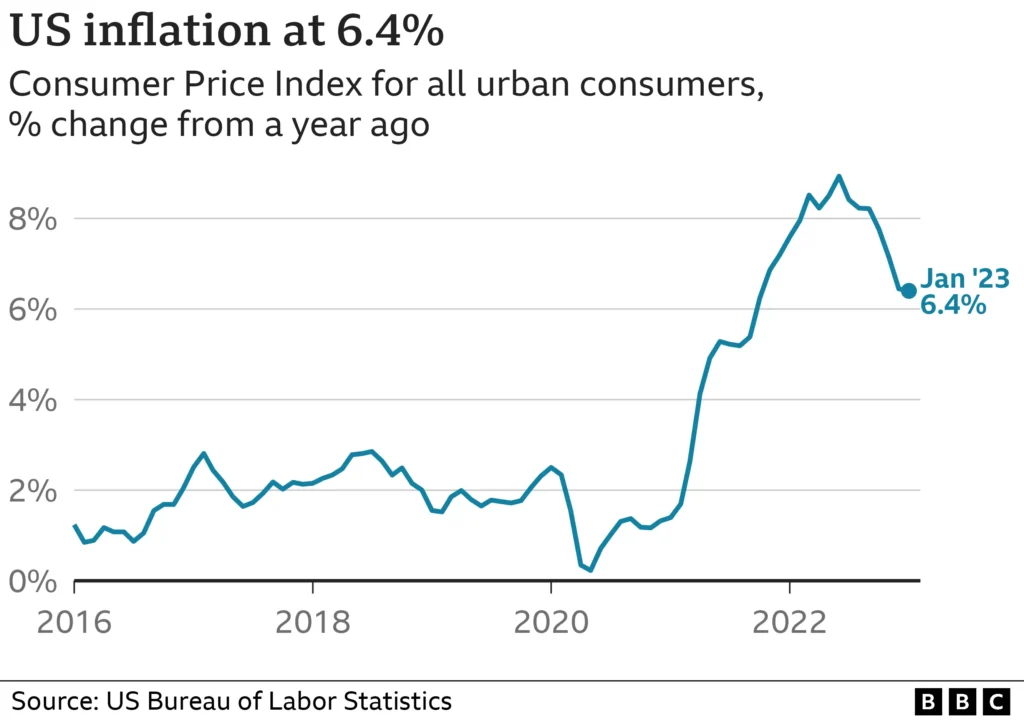
Inflation remains the primary factor influencing the Federal Reserve’s policy outlook in 2026. Although headline inflation has moderated compared to earlier peaks, core inflation—especially in services and housing—continues to show persistence. This “sticky inflation” is preventing the central bank from confidently shifting toward rate cuts.
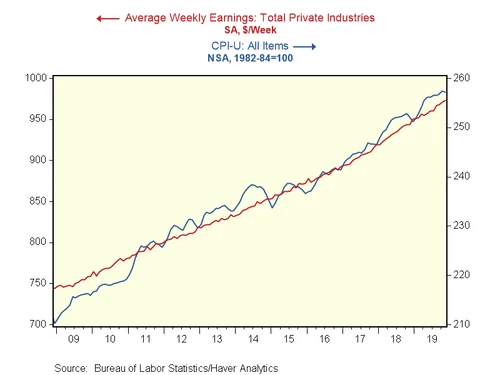
Recent data suggests that price pressures in sectors like housing, healthcare, and services are not easing as quickly as expected. Wage growth, supported by a strong labor market, is also contributing to sustained inflation. These dynamics create a challenging scenario where inflation declines slowly rather than sharply.
As a result, policymakers are increasingly cautious. The Fed’s primary goal of price stability remains unchanged, and any premature easing of policy could risk reversing progress made in controlling inflation.
Why Rate Cuts Are Becoming Less Certain in 2026

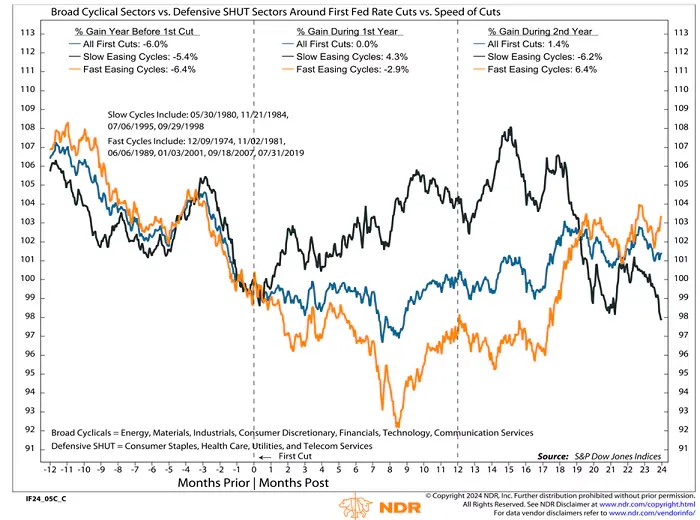

At the beginning of 2026, many market participants expected multiple interest rate cuts throughout the year. However, evolving economic data has significantly altered those expectations.
The Federal Reserve is now signaling a “higher for longer” approach, meaning that interest rates may remain elevated for an extended period. This shift reflects concerns that inflation could remain above target if policy is loosened too soon.
Additionally, the strength of the US economy—particularly the labor market and consumer spending—reduces the urgency for rate cuts. While growth has moderated slightly, it remains strong enough to allow the Fed to maintain a restrictive stance.
The Role of the Labor Market in Policy Decisions
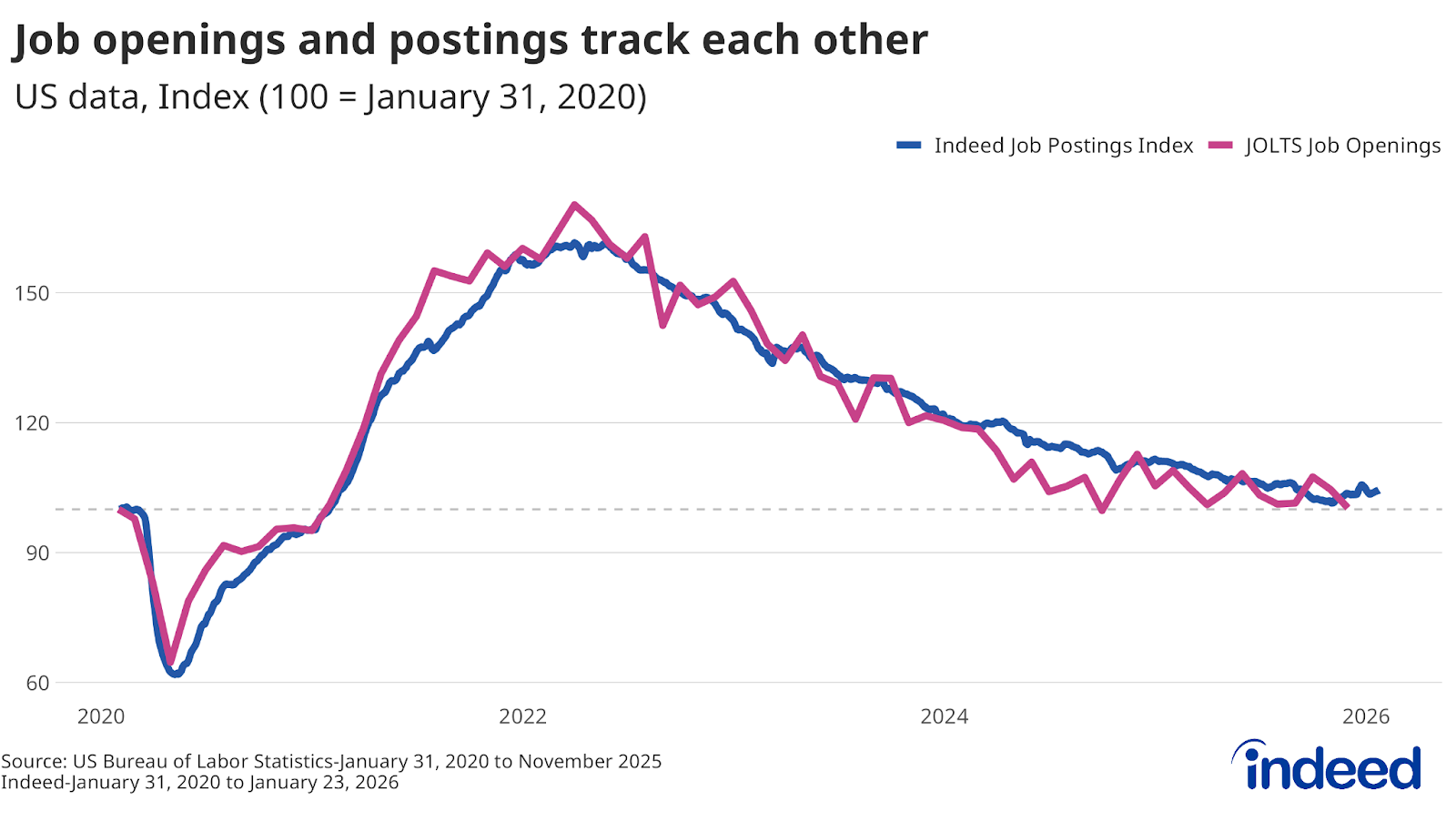

The labor market is a key factor shaping the Federal Reserve’s outlook. In 2026, employment levels remain strong, and unemployment rates are relatively low compared to historical averages.

A robust labor market supports economic growth but also contributes to inflation through wage pressures. When wages rise, businesses may pass on higher costs to consumers, sustaining price increases.
The Fed is closely monitoring employment data, including job creation, wage growth, and labor force participation. As long as the labor market remains strong, policymakers may feel less pressure to cut rates quickly.
Financial Markets Adjust to a “Higher for Longer” Reality


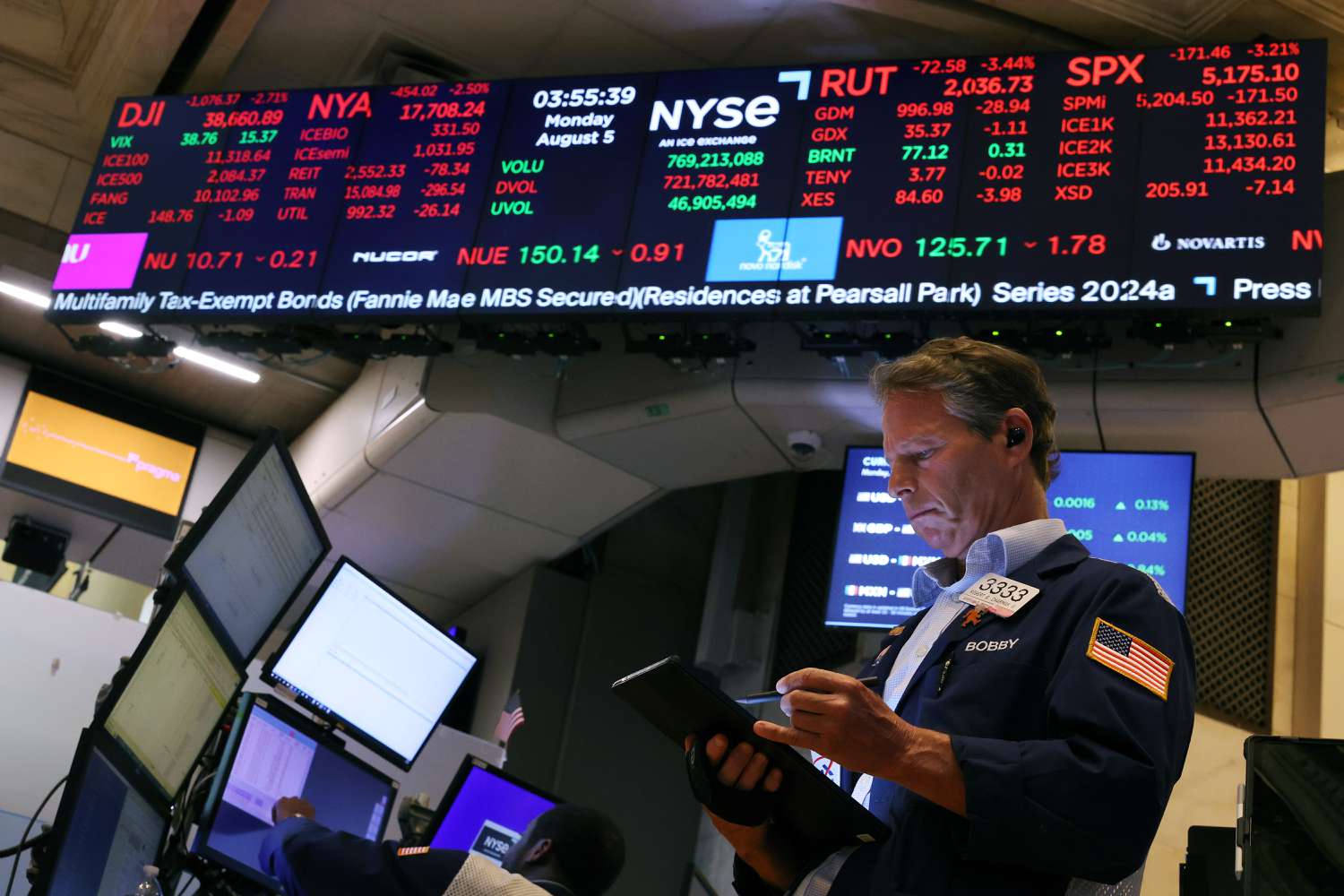
Financial markets are gradually adjusting to the possibility that interest rates will remain elevated for longer than previously expected. This adjustment is evident in both equity and bond markets.
Stock markets have experienced periods of volatility as investors recalibrate expectations for future earnings and valuations. Higher interest rates tend to reduce the present value of future cash flows, particularly affecting growth-oriented sectors.
In the bond market, Treasury yields have remained elevated, reflecting ongoing inflation concerns and uncertainty about policy direction. These higher yields provide an alternative to equities, influencing asset allocation decisions.
Risks That Could Influence the Fed’s Next Moves


While the current outlook suggests caution, several risks could influence the Federal Reserve’s future decisions. One of the most significant is the potential for an economic slowdown. If growth weakens significantly, the Fed may need to reconsider its stance.
Another important factor is financial market stability. Prolonged high interest rates can create stress in certain sectors, including real estate and banking. If these pressures intensify, they could prompt a shift in policy.
Global developments also play a role. Trade tensions, geopolitical conflicts, and supply chain disruptions can impact inflation and economic growth, adding complexity to the Fed’s decision-making process.
Market Outlook: What Investors Should Expect Going Forward


Looking ahead, the Federal Reserve’s policy path will remain highly dependent on incoming economic data. Inflation trends, labor market conditions, and global developments will all play a role in shaping decisions.
Investors should prepare for a period of continued uncertainty, where market movements are influenced by data releases and policy signals. This environment may require a more cautious and flexible investment approach.
Diversification, risk management, and a focus on quality assets will be essential strategies. While challenges remain, opportunities will also arise for those who can navigate the evolving landscape effectively.
A Turning Point for Monetary Policy in 2026
The Federal Reserve outlook in 2026 reflects a critical turning point for monetary policy. Persistent inflation and a resilient economy are forcing policymakers to rethink earlier expectations of rate cuts, creating a more complex and uncertain environment.
For readers and investors, understanding these dynamics is essential. The interplay between inflation, interest rates, and economic growth will continue to shape financial markets and investment opportunities.
As the year progresses, staying informed and adapting to changing conditions will be key to navigating the challenges and opportunities ahead.
Subscribe to trusted news sites like USnewsSphere.com for continuous updates.