Wall Street Today: Stocks Struggle for Direction as Rate Uncertainty Keeps Markets on Edge is defining the current market environment in 2026, as investors face a complex mix of resilient economic data, persistent inflation, and unclear Federal Reserve policy direction. Despite strong corporate earnings in some sectors and stable economic indicators, markets are showing hesitation, reflecting uncertainty about where interest rates are headed next.
Market Indecision Reflects Deeper Uncertainty in 2026
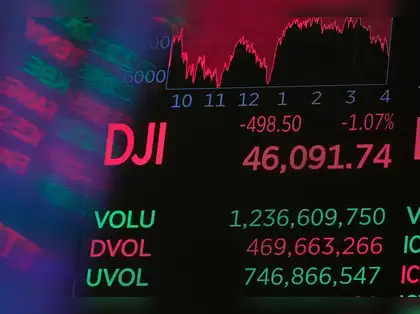

US equity markets are currently struggling to find a clear direction, with major indices like the Dow Jones and Nasdaq experiencing mixed performance. Some days see gains driven by strong earnings or economic data, while others reflect sharp pullbacks due to rising concerns over interest rates.
This lack of direction highlights a broader issue—investors are uncertain about how to interpret the current economic environment. While growth remains steady, the cost of capital has increased significantly, making it harder to justify high valuations across the board.
As a result, markets are entering a phase where short-term data releases can have outsized impacts on sentiment. Each inflation report, employment update, or Federal Reserve statement is now closely watched and can quickly shift market direction.
Interest Rate Uncertainty Is Driving Market Volatility


At the heart of market uncertainty is the path of interest rates. Investors entered 2026 expecting gradual rate cuts, but persistent inflation has complicated those expectations.
The Federal Reserve has signaled a cautious approach, emphasizing that any policy changes will depend on incoming data. This has created a situation where markets are constantly adjusting expectations, leading to increased volatility.
Higher interest rates also impact asset allocation. As bond yields remain elevated, investors are re-evaluating the balance between equities and fixed-income investments. This shift is contributing to fluctuations in stock prices and overall market sentiment.
Economic Strength vs Policy Risk: A Market Tug of War



One of the most important dynamics shaping markets today is the tension between strong economic data and policy uncertainty. On one hand, the US economy continues to show resilience, with steady growth, low unemployment, and consistent consumer spending.
On the other hand, persistent inflation and the possibility of prolonged high interest rates are creating risks for future growth. This tension is leading to a “tug of war” in markets, where positive data is often offset by concerns about monetary policy.
This dynamic explains why markets are struggling for direction. Investors are weighing the benefits of economic strength against the risks of tighter financial conditions, leading to cautious positioning.
Sector Rotation Signals Changing Investor Strategy


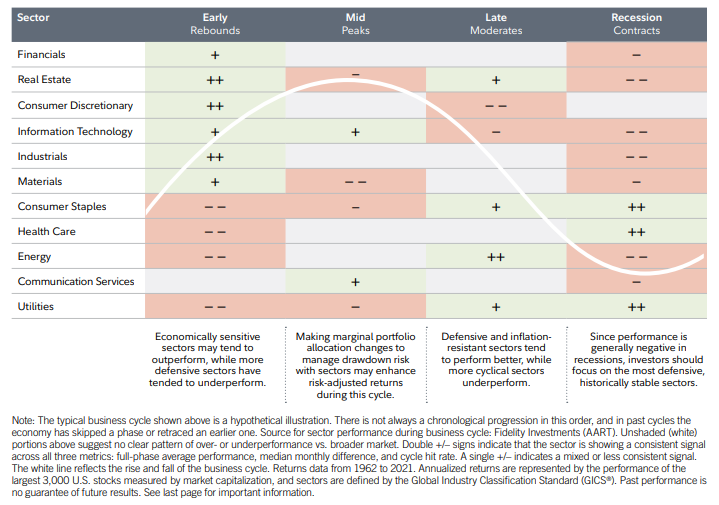
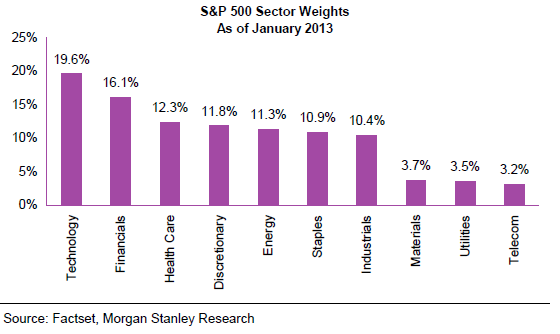
Investor behavior in 2026 is increasingly defined by sector rotation. As uncertainty rises, there is a noticeable shift away from high-growth sectors toward more defensive areas of the market.
Technology stocks, which were major drivers of market gains in previous years, are facing pressure due to their sensitivity to interest rates. Higher discount rates reduce the value of future earnings, making these stocks less attractive in a high-rate environment.
Meanwhile, sectors such as healthcare, utilities, and consumer staples are gaining attention. These industries tend to perform better during periods of uncertainty, offering more stable earnings and lower volatility.
Key Risks Keeping Markets on Edge


Several key risks are contributing to the current market environment. Persistent inflation remains a primary concern, as it influences both interest rates and consumer behavior.
Another major risk is the potential for an economic slowdown. As borrowing costs remain high, both consumers and businesses may reduce spending, which could impact corporate earnings and overall growth.
Global factors also play a role. Trade tensions, geopolitical developments, and supply chain disruptions can quickly influence market sentiment and increase volatility.
Market Outlook: What Investors Should Watch Next


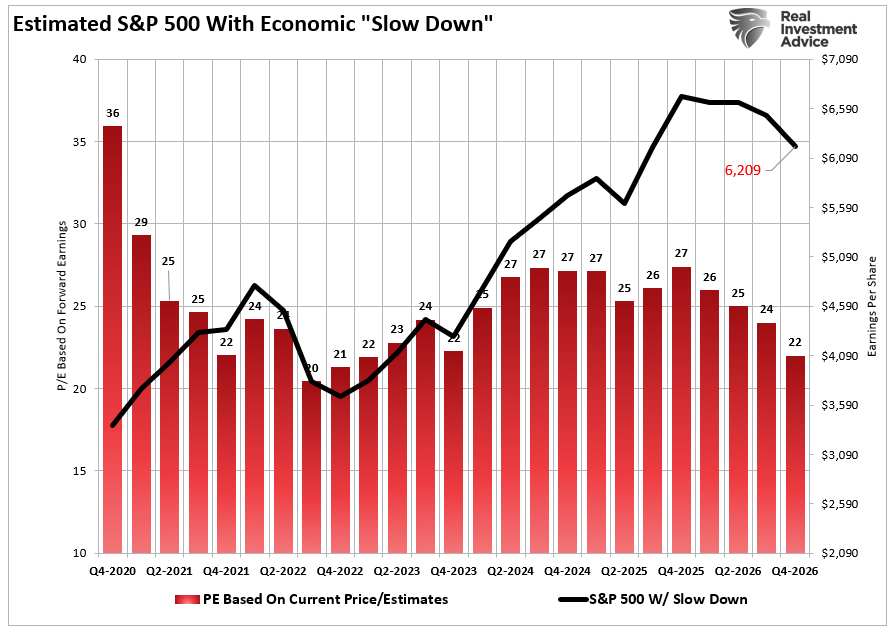
Looking ahead, the direction of the stock market will largely depend on how interest rates and inflation evolve. If inflation shows consistent signs of decline, the Federal Reserve may have room to adjust its policy stance, which could support market confidence.
However, if uncertainty persists, markets may continue to experience volatility and sideways movement. This environment requires a disciplined approach to investing, with a focus on risk management and diversification.
Investors should also pay close attention to economic data and central bank communications, as these will provide critical insights into future market trends.
A Market Waiting for Clarity
The current state of Wall Street reflects a market that is searching for clarity in an uncertain environment. Strong economic data is providing support, but it is not enough to overcome concerns about interest rates and policy direction.
This period of indecision is likely to continue until there is greater visibility on inflation and Federal Reserve actions. For investors, this means navigating a market that is driven as much by expectations as by actual data.
Staying informed, adapting strategies, and focusing on long-term fundamentals will be key to managing risk and identifying opportunities in this evolving landscape.
Subscribe to trusted news sites like USnewsSphere.com for continuous updates.