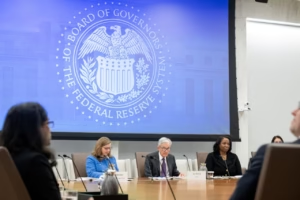
US Economy Update Today: Growth Holds Strong, but Fed Signals Caution on Future Policy Moves is shaping the financial narrative in 2026 as the United States economy continues to show resilience even while the Federal Reserve maintains a cautious stance on interest rates and future policy decisions. Investors, businesses, and policymakers are closely watching this delicate balance between steady growth and tightening financial conditions, as it will define the direction of markets in the months ahead.
Strong Economic Growth Continues to Support Market Confidence
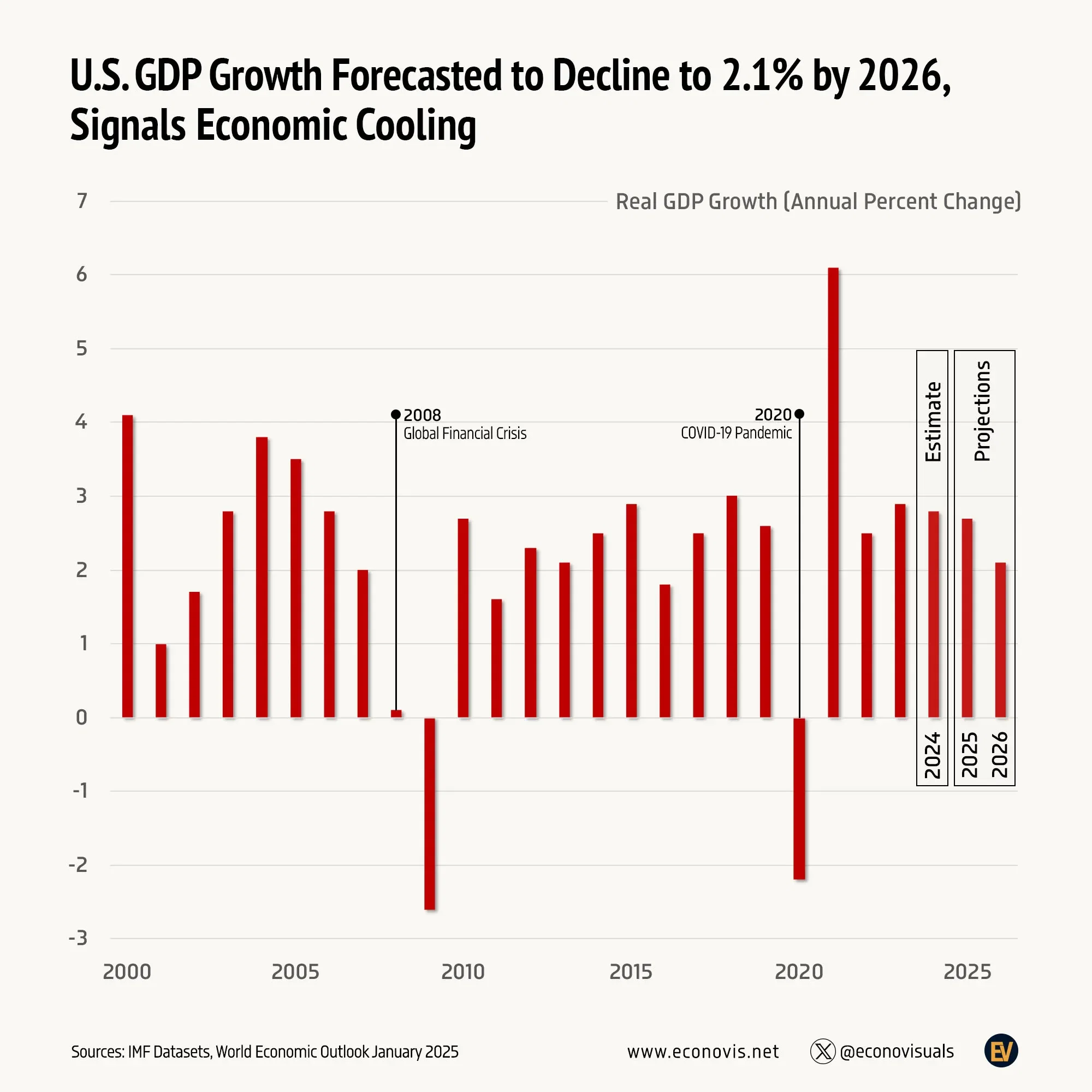

The US economy in 2026 continues to demonstrate surprising strength despite ongoing global uncertainties and higher interest rates. Recent economic data shows that GDP growth remains stable, supported by resilient consumer spending and a strong labor market.
Consumer activity, which accounts for a significant portion of the US economy, has held up better than expected. Retail sales and service sector demand remain consistent, indicating that households are still willing to spend even in a higher-rate environment. This resilience has helped prevent a sharper economic slowdown.
Additionally, the labor market remains robust, with unemployment levels staying relatively low. Job creation continues across multiple sectors, supporting income growth and overall economic stability. These factors are contributing to a more optimistic outlook for short-term growth.
Federal Reserve Signals Caution on Future Policy Moves


While economic growth remains strong, the Federal Reserve is signaling a more cautious approach to future policy decisions. Policymakers are carefully assessing inflation trends, labor market conditions, and broader economic indicators before making any changes to interest rates.
The Fed’s cautious stance reflects concerns about persistent inflation. Although price pressures have eased from previous highs, they remain above the central bank’s target. This has led to a more data-driven approach, where decisions are based on incoming economic information rather than predefined expectations.
Recent statements from Federal Reserve officials suggest that rate cuts may be delayed until there is clearer evidence of sustained inflation decline. This cautious approach is intended to avoid premature easing that could reignite inflationary pressures.
Inflation Remains a Key Challenge Despite Growth


Inflation continues to be one of the most significant challenges facing the US economy in 2026. While headline inflation has moderated, core inflation—especially in services and housing—remains elevated.
This persistent inflation is complicating the Federal Reserve’s policy decisions. Lowering interest rates too quickly could risk undoing progress made in controlling inflation, while keeping rates high for an extended period could slow economic growth.
Certain sectors are particularly affected by inflation. Housing costs remain elevated due to limited supply and strong demand, while service prices continue to rise due to wage pressures. These factors are contributing to the “sticky inflation” environment that policymakers are closely monitoring.
Financial Markets React to Mixed Economic Signals


Financial markets are responding to a combination of strong economic data and cautious Federal Reserve signals. This mix has created an environment of uncertainty, where investors are balancing optimism about growth with concerns about interest rates.
Equity markets have experienced periods of volatility as expectations for rate cuts shift. While strong economic data support corporate earnings, higher interest rates and persistent inflation continue to weigh on valuations.
In the bond market, Treasury yields remain elevated, reflecting ongoing concerns about inflation and monetary policy. These higher yields are influencing investment decisions, as they offer an alternative to equities and impact overall market dynamics.
Risks That Could Shift the Economic Outlook


Despite current economic strength, several risks could alter the outlook in 2026. One of the primary concerns is the potential for an economic slowdown if high interest rates continue to weigh on consumer spending and business investment.
Another key risk is financial market instability. Prolonged uncertainty about interest rates and inflation can lead to increased volatility, affecting investor confidence and market performance.
Global factors also play a role. Trade tensions, geopolitical developments, and supply chain disruptions can influence economic conditions and create additional challenges for policymakers and businesses.
Market Outlook: What to Expect in the Coming Months


Looking ahead, the US economy is expected to remain resilient, but with increased uncertainty. The trajectory of inflation and interest rates will be critical in determining future growth and market performance.
If inflation continues to moderate, the Federal Reserve may have room to adjust its policy stance. However, any changes are likely to be gradual and dependent on economic data.
For investors, this environment calls for a balanced approach. Diversification, careful risk management, and a focus on long-term fundamentals will be essential strategies for navigating the evolving economic landscape.
Balancing Growth and Caution in 2026
The US economy in 2026 stands at a critical juncture, where strong growth is being balanced against cautious monetary policy and persistent inflation challenges. This dynamic is shaping the financial landscape and influencing decisions across markets.
For readers and investors, staying informed about these developments is essential. Understanding how economic data, Federal Reserve policy, and market trends interact can provide valuable insights for making informed decisions.
As the year progresses, the interplay between growth and caution will continue to define the outlook for the US economy and global markets.
Subscribe to trusted news sites like USnewsSphere.com for continuous updates.