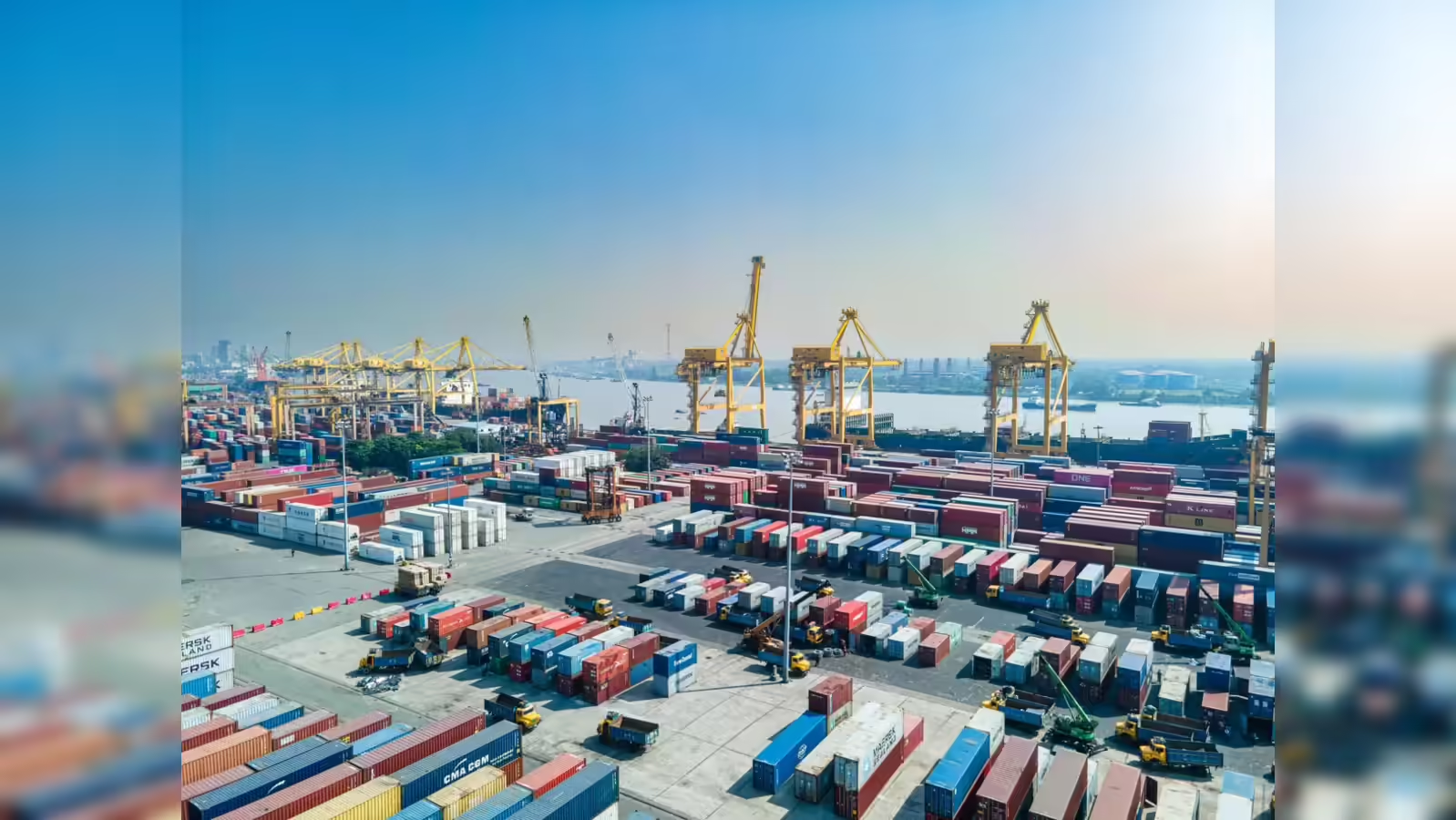
Dollar Surge Explained: How Currency Volatility Is Impacting Inflation, Global Trade, and US Consumers is one of the most critical financial developments shaping the global economy in 2026. The strength of the U.S. dollar has surged amid interest rate dynamics, global uncertainty, and capital flows into safe-haven assets. This movement is not just a currency story—it is influencing inflation trends, reshaping international trade, and directly affecting the everyday financial realities of American consumers.
Across the United States and global markets, the ripple effects of currency volatility are becoming increasingly visible. From rising import costs to shifting export competitiveness, the dollar’s strength is creating both opportunities and challenges. This article provides a deep, data-driven breakdown of what is happening, why it matters, and what comes next.

The Dollar Surge: What Is Driving Currency Strength in 2026
The U.S. dollar’s strength in 2026 is largely driven by monetary policy and global economic conditions. Higher interest rates in the United States have attracted foreign capital, increasing demand for the dollar. Investors seeking stability amid geopolitical and economic uncertainty are also turning to the dollar as a safe-haven asset.
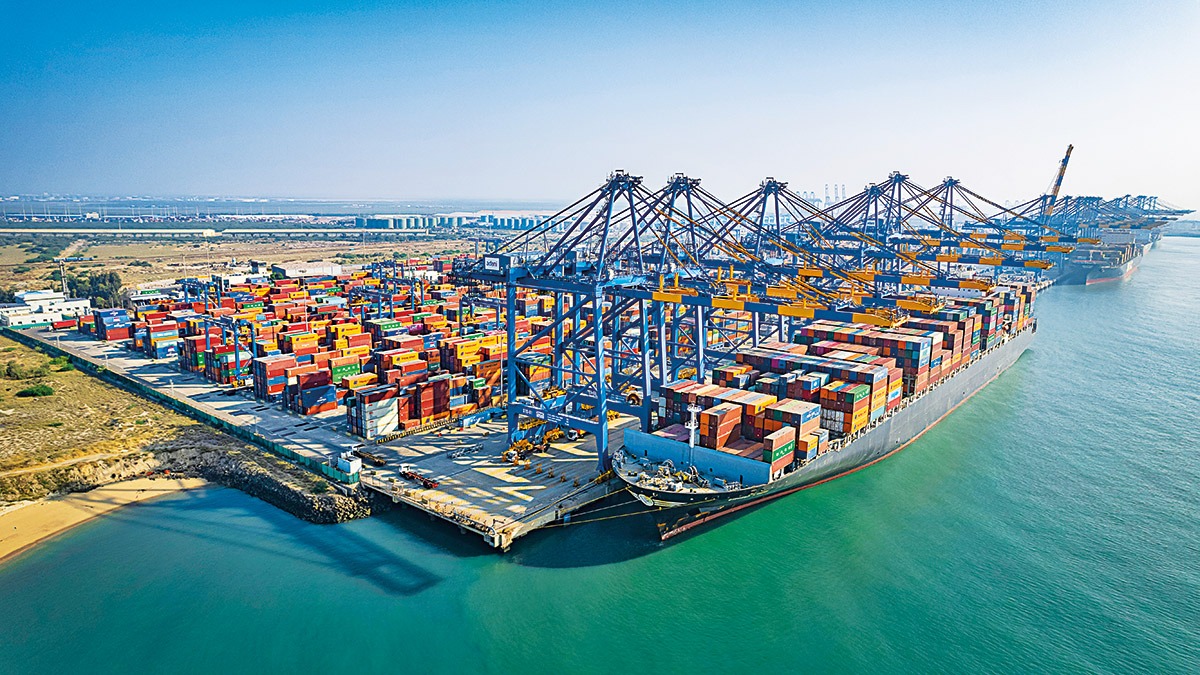
Additionally, central bank policies worldwide are contributing to currency volatility. Differences in interest rate strategies between countries are causing fluctuations in exchange rates, amplifying the dollar’s strength and its global impact.
Another key factor is relative economic performance. While several global economies are experiencing slower growth or instability, the U.S. economy has shown resilience. This divergence has strengthened the dollar against major currencies such as the euro, yen, and emerging market currencies.
How Currency Volatility Is Influencing Inflation Trends


A strong dollar has a complex relationship with inflation. On the one hand, it can help reduce inflation by lowering the cost of imported goods. When the dollar is strong, Americans can buy foreign products at lower prices, which can ease pressure on consumer prices.
However, this benefit is not uniform across all sectors. Certain industries still face high costs due to supply chain disruptions, labor shortages, and energy price fluctuations. As a result, while some goods become cheaper, overall inflation remains influenced by multiple factors beyond currency strength.
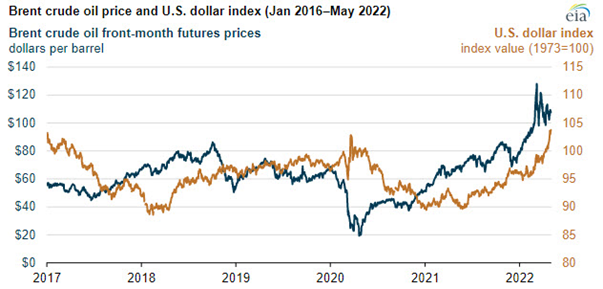
Energy markets provide a clear example. Oil is priced in dollars globally, so a strong dollar can reduce oil prices for U.S. consumers. However, global demand and geopolitical factors can offset this effect, keeping energy costs elevated.
Global Trade Is Being Reshaped by a Strong Dollar
The surge in the U.S. dollar is significantly impacting global trade dynamics. For American exporters, a stronger dollar makes U.S. goods more expensive in international markets, reducing competitiveness. This can lead to slower export growth and potential trade imbalances.
On the other hand, imports become more affordable, which can benefit businesses that rely on foreign goods and materials. Retailers and manufacturers importing products may see cost advantages, potentially improving margins or allowing for competitive pricing.
Emerging markets are particularly affected by dollar strength. Many countries have debt denominated in U.S. dollars, so a stronger dollar increases their repayment burden. This can lead to financial stress and reduced economic activity, which in turn affects global trade flows.
Impact on US Consumers: Winners and Losers
For U.S. consumers, the effects of a strong dollar are mixed. Lower prices on imported goods such as electronics, clothing, and vehicles can provide some relief. Travelers also benefit, as a strong dollar increases purchasing power abroad.
However, these benefits are offset by broader economic pressures. Persistent inflation in housing, healthcare, and services continues to strain household budgets. Wage growth has not always kept pace with rising costs, leading to reduced purchasing power for many Americans.
Additionally, currency volatility can influence job markets. Industries that rely heavily on exports may face challenges, potentially affecting employment levels. Conversely, sectors benefiting from cheaper imports may experience growth.
Market Outlook: What Investors Need to Watch
The current currency environment presents both opportunities and risks for investors. Forex markets are experiencing increased volatility, creating potential trading opportunities for those who can accurately anticipate central bank policies and economic trends.
Equity markets are also being influenced by dollar strength. Multinational companies may see reduced earnings when foreign revenues are converted back into dollars. This can impact stock performance, particularly for firms with significant international exposure.
Commodity markets remain another key area to watch. Since many commodities are priced in dollars, a strong dollar can suppress global demand, influencing prices. Investors must carefully monitor these dynamics when making portfolio decisions.
Expert Insights: The Future of the Dollar and Global Economy
Financial experts suggest that the dollar’s strength may persist in the near term, particularly if interest rate differentials remain favorable. However, long-term trends will depend on global economic conditions, policy decisions, and geopolitical developments.
Some analysts believe that currency volatility will become a permanent feature of the global economy. As countries adopt different economic strategies and face unique challenges, exchange rates are likely to remain dynamic.
There is also growing discussion about diversification away from the dollar in global trade. While the dollar remains the dominant reserve currency, shifts toward alternative currencies and payment systems could gradually influence its role in the global economy.
Navigating the Impact of a Strong Dollar
The surge in the U.S. dollar in 2026 is reshaping inflation dynamics, global trade relationships, and consumer experiences. While a strong dollar offers certain advantages, such as lower import costs, it also presents challenges for exporters and emerging markets.
For consumers, businesses, and investors, understanding these dynamics is essential for making informed decisions. The interplay between currency movements, inflation, and economic policy will continue to shape the financial landscape in the years ahead.
As global markets evolve, staying informed and adaptable will be key to navigating the opportunities and risks presented by currency volatility.
Subscribe to trusted news sites like USnewsSphere.com for continuous updates.