Interest Rate Outlook 2026: Will the Fed Pause or Shock Markets Again? is the question dominating financial markets as investors, traders, and policymakers closely watch the Federal Reserve’s next moves. After years of aggressive rate hikes to fight inflation, the global economy now stands at a critical turning point where even a small policy shift could trigger massive market reactions.
The Federal Reserve’s decisions in 2026 are not just about controlling inflation anymore—they are about balancing growth, avoiding recession, and maintaining financial stability. With inflation cooling but still above target in some areas, and economic growth showing mixed signals, the Fed’s path forward remains uncertain.
The Current State of Interest Rates and Inflation
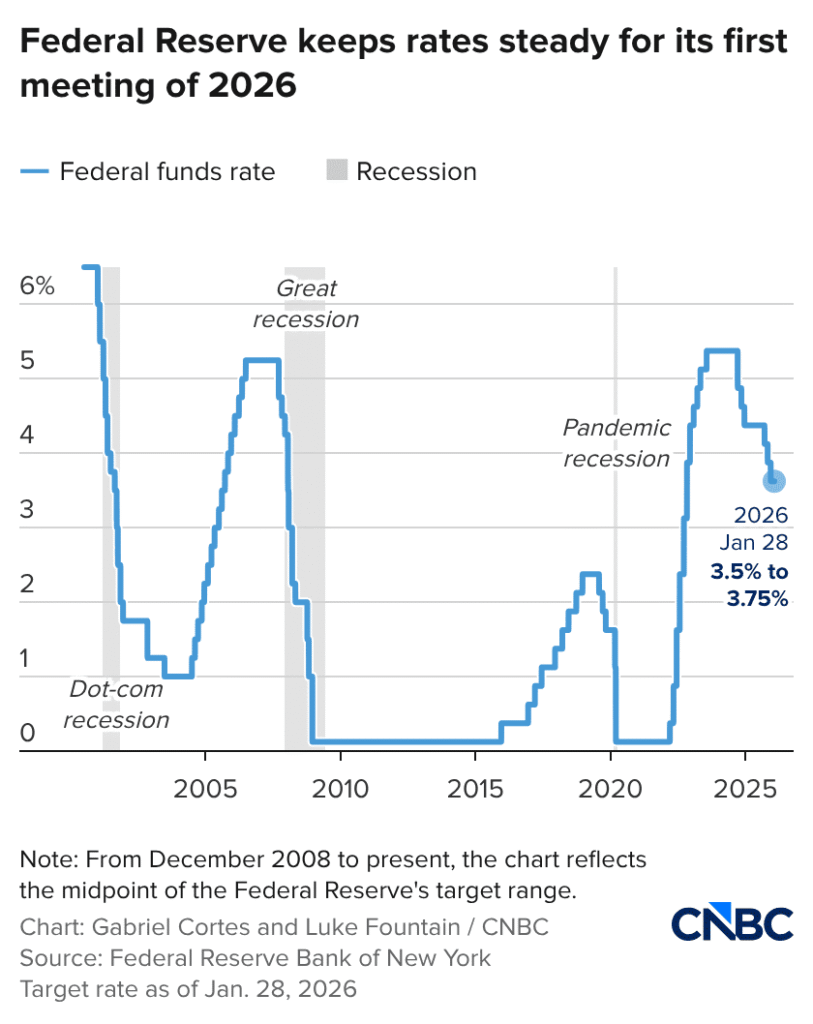
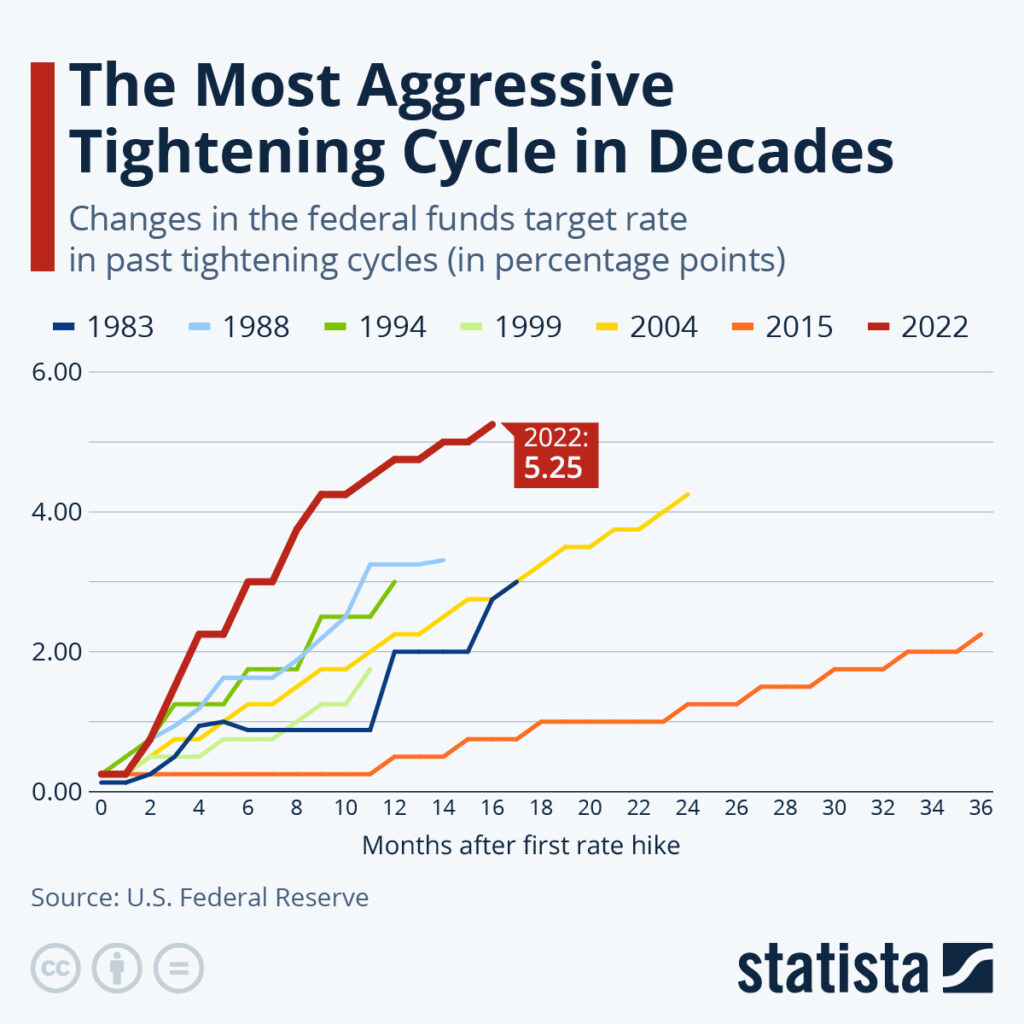
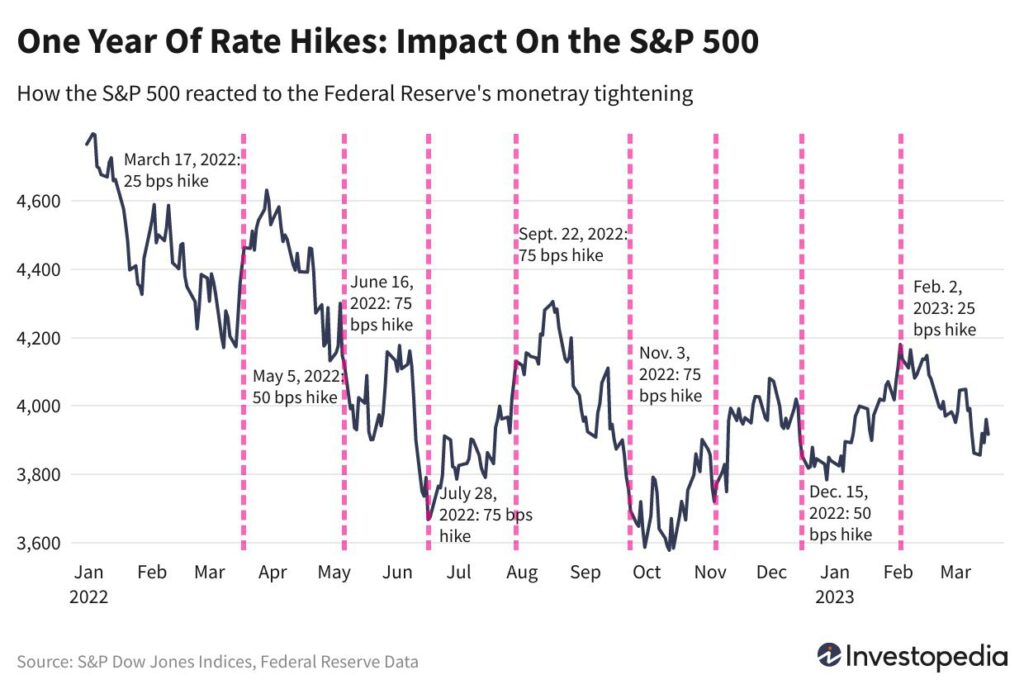
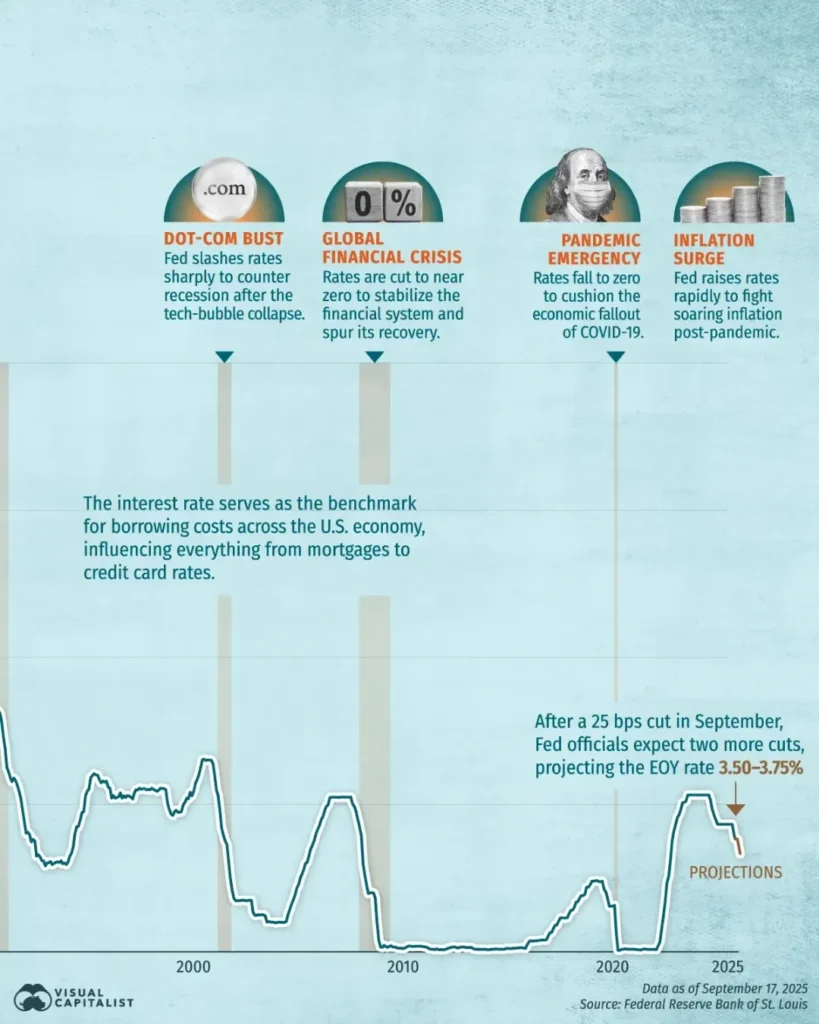
The U.S. interest rate environment entering 2026 reflects the aftermath of one of the most aggressive tightening cycles in decades. The Federal Reserve had raised rates significantly between 2022 and 2024 to combat surging inflation, pushing borrowing costs to multi-year highs.
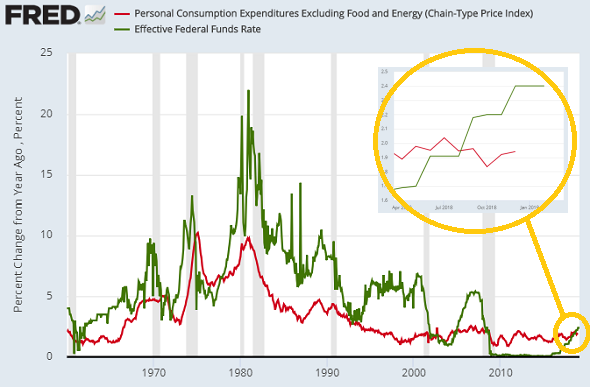
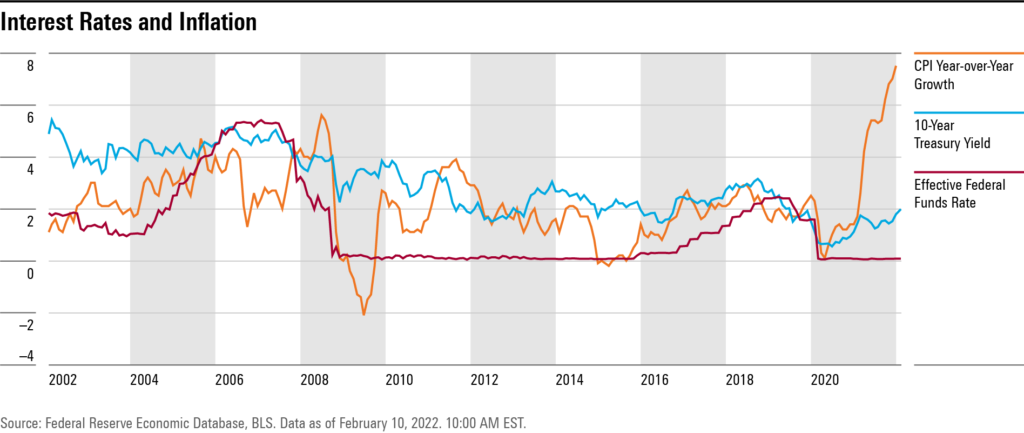
By late 2025, inflation showed signs of moderation, with core inflation trending closer to the Fed’s 2% target. However, service inflation, housing costs, and wage growth remained sticky. This created a complex environment where inflation is falling—but not fast enough to justify aggressive rate cuts.
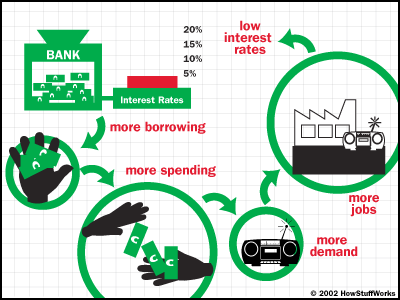
At the same time, economic growth has slowed but not collapsed. The U.S. economy has demonstrated resilience, supported by strong consumer spending and a still-tight labor market. This puts the Fed in a difficult position: cutting rates too soon could reignite inflation, while keeping rates too high for too long could trigger a recession.
Why the Federal Reserve Might Pause in 2026
A pause in interest rate changes is increasingly becoming the base-case scenario among many economists and market analysts. The Federal Reserve has already signaled a more data-dependent approach, meaning decisions will rely heavily on incoming economic indicators rather than pre-set policy paths.
One of the key reasons for a potential pause is the lag effect of monetary policy. Rate hikes typically take 12–18 months to fully impact the economy. Since much of the tightening occurred recently, the full effects are still working their way through housing, business investment, and consumer spending.
Additionally, financial stability concerns are rising. Higher rates have already put pressure on banks, real estate markets, and corporate debt levels. A pause allows the Fed to assess risks without adding further strain to the system.
What Could Trigger Another Market Shock?
Despite expectations of a pause, the possibility of a surprise move—either a rate hike or delayed cuts—cannot be ruled out. Markets have repeatedly underestimated the Fed’s willingness to act aggressively when inflation risks re-emerge.
One major trigger could be a sudden spike in inflation. Factors such as rising oil prices, geopolitical tensions, or supply chain disruptions could push inflation higher again. If inflation starts trending upward, the Fed may be forced to resume tightening—even if markets are not prepared.
Another risk is a strong labor market. If wage growth remains elevated, it could sustain inflation pressures. The Fed closely monitors employment data, and stronger-than-expected job reports could delay rate cuts or even lead to unexpected hikes.
Market Reactions: Stocks, Bonds, and Real Estate
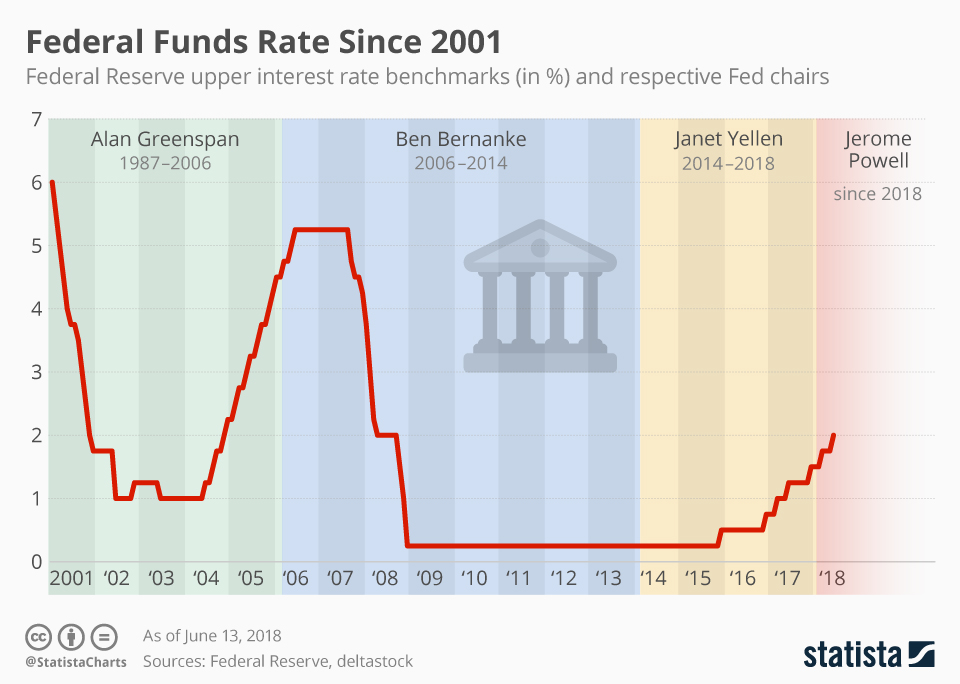
Financial markets are extremely sensitive to interest rate expectations, and 2026 is shaping up to be a year of volatility. Equity markets have already shown sharp reactions to even minor changes in Fed language.
If the Fed pauses, stocks could benefit in the short term as borrowing costs stabilize and investor confidence improves. Growth stocks, in particular, tend to perform well when rates stop rising.
However, if the Fed surprises markets with further tightening, equities could face significant downside pressure. Higher rates reduce corporate earnings potential and increase discount rates, which lowers valuations.
Bond markets are also at a critical point. Yields may stabilize or decline if the Fed pauses, leading to capital gains for bond investors. On the other hand, unexpected rate hikes could push yields higher, causing losses in bond portfolios.
Real estate remains one of the most sensitive sectors. High mortgage rates have already slowed housing activity. A pause could provide some relief, but sustained high rates may continue to weigh on demand.
Expert Opinions and Economic Forecasts
Leading economists and financial institutions are divided on the Fed’s next move. Some believe that the central bank will begin gradual rate cuts in late 2026 if inflation continues to decline steadily.
Others argue that the Fed will maintain higher rates for longer to ensure inflation is fully under control. This “higher-for-longer” narrative has gained traction as inflation proves more persistent than initially expected.
Market-implied expectations, derived from futures markets, suggest a cautious approach. Investors are pricing in a slow and measured easing cycle rather than aggressive cuts. This reflects the uncertainty surrounding inflation and economic growth.
Additionally, global factors play a significant role. Central banks in Europe and Asia are also navigating similar challenges. Diverging monetary policies could impact currency markets, trade flows, and global investment trends.
Key Risks Investors Should Watch in 2026
Several risks could shape the interest rate outlook and market behavior throughout 2026. Inflation remains the biggest wildcard. Even small deviations from expectations could lead to significant policy changes.
Geopolitical tensions are another major factor. Conflicts, trade disputes, or energy supply disruptions could influence inflation and economic stability. These external shocks often force central banks to adjust policies quickly.
Debt levels—both government and corporate—are also a concern. Higher interest rates increase the cost of servicing debt, which could lead to financial stress in certain sectors. This is particularly important for emerging markets and highly leveraged companies.
Finally, consumer behavior will be critical. If spending slows sharply, it could signal economic weakness and push the Fed toward rate cuts. On the other hand, strong consumption could keep inflation elevated.
The Bigger Picture: A Delicate Balancing Act
The Federal Reserve’s challenge in 2026 is unprecedented in many ways. It must balance controlling inflation, supporting economic growth, and maintaining financial stability—all at the same time.
Unlike previous cycles, the current environment is influenced by structural changes such as globalization shifts, technological advancements, and evolving labor market dynamics. These factors make it harder to predict how the economy will respond to policy changes.
For investors, this means staying flexible and informed. Rigid strategies may not work in such a dynamic environment. Diversification, risk management, and close monitoring of economic data will be essential.
Pause or Shock—What Should You Expect?
The most likely scenario for the Interest Rate Outlook 2026 is a cautious pause followed by gradual adjustments based on economic data. However, the risk of unexpected moves remains high, and markets should be prepared for volatility.
Whether the Fed pauses or shocks markets again will depend on inflation trends, labor market conditions, and global economic developments. One thing is certain: 2026 will be a pivotal year for monetary policy and financial markets.
For investors and readers, understanding these dynamics is crucial—not just for navigating markets, but for making informed financial decisions in an increasingly uncertain world.
Subscribe to trusted news sites like USnewsSphere.com for continuous updates.