Bearish Signals Rising: 5 Warning Signs Investors Should Not Ignore After This Week’s Market Drop is now a major concern for investors across the United States, as markets show signs of instability following recent declines.
The latest market pullback has raised questions about whether this is just a temporary correction or the beginning of a broader downturn. With volatility increasing, inflation risks lingering, and interest rate uncertainty still dominating headlines, investors are closely watching for signals that could shape the next phase of the market.
Recent trading sessions have shown increased selling pressure across key indices like the S&P 500 and Nasdaq. While some sectors remain resilient, others—especially growth and technology—are beginning to show weakness. Understanding the warning signs early can help investors make smarter decisions and avoid costly mistakes.
Market Volatility Is Increasing Across Key Indices
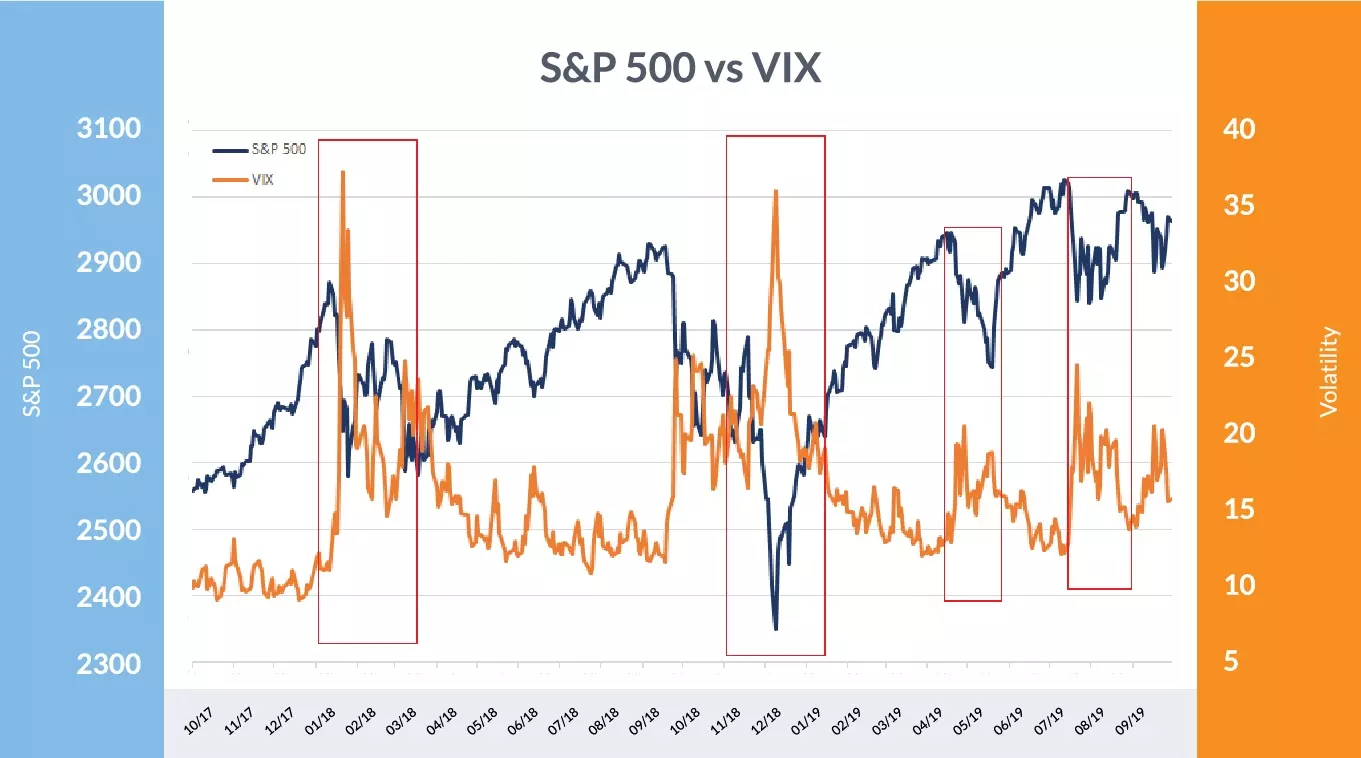

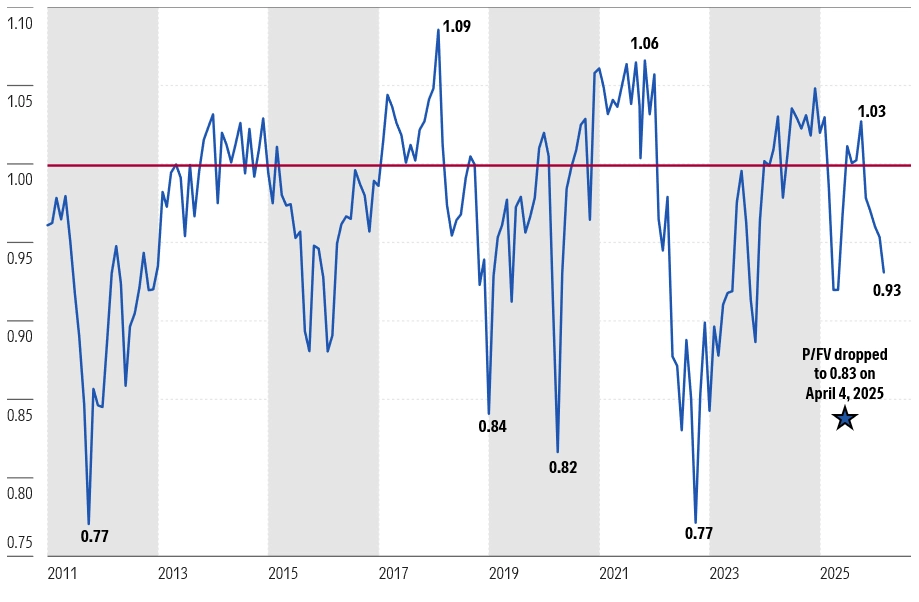
One of the most visible bearish signals is the sharp increase in market volatility. Over the past week, major indices have experienced larger daily swings, indicating uncertainty among investors. Volatility often rises when markets are unsure about future economic conditions.
This increase in volatility is being driven by multiple factors, including inflation concerns, rising oil prices, and global tensions. When markets become unpredictable, institutional investors tend to reduce risk exposure, which can lead to further declines.
Historically, periods of high volatility often precede larger corrections or even bear markets. While volatility alone does not guarantee a downturn, it is a critical signal that investors should not ignore.
Interest Rate Uncertainty Is Pressuring Growth Stocks
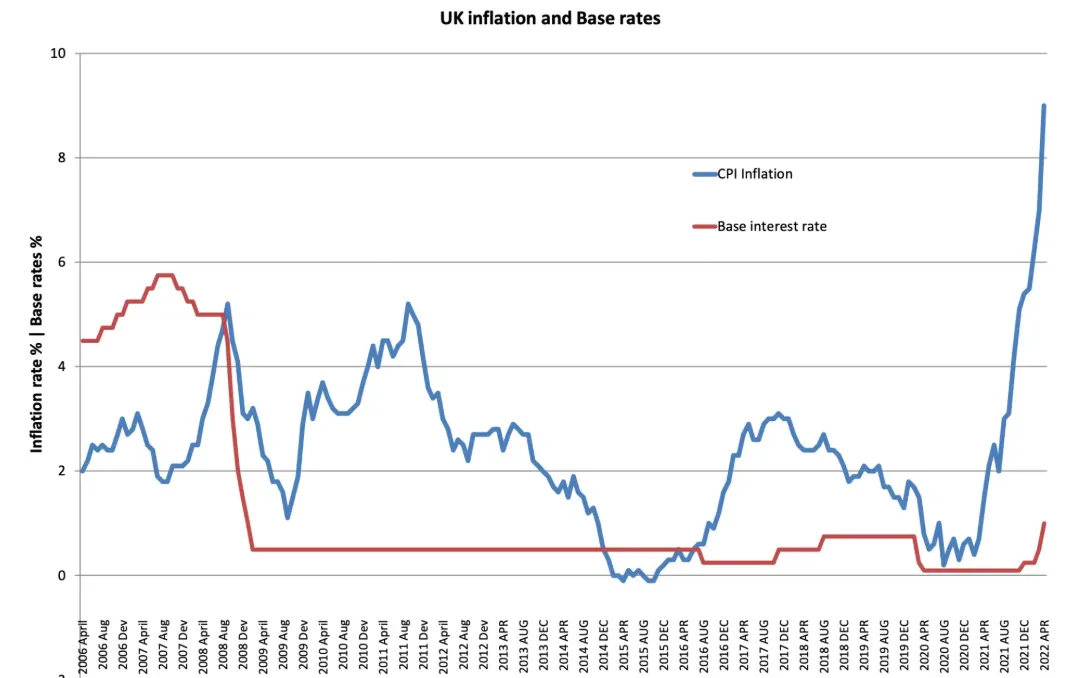
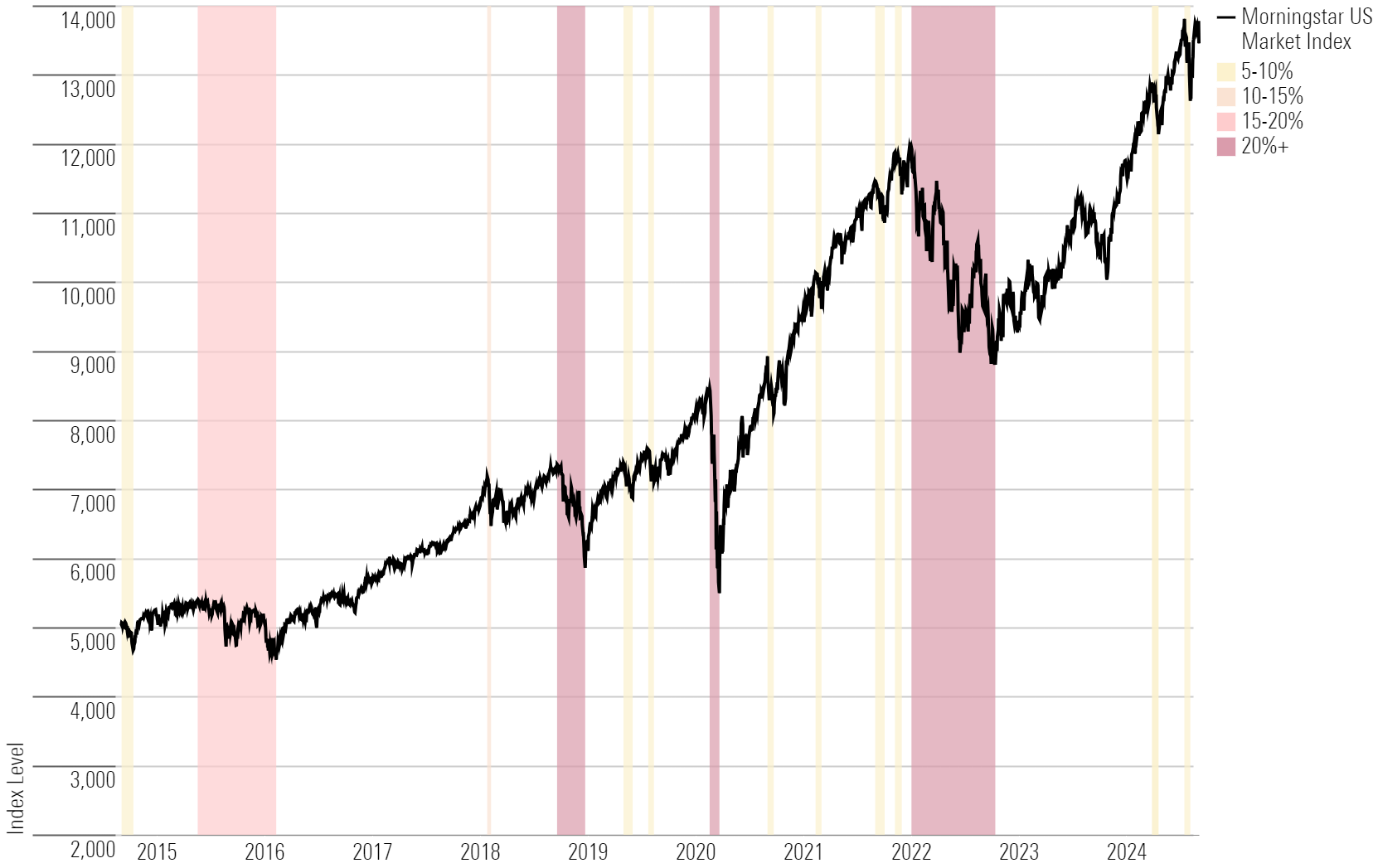
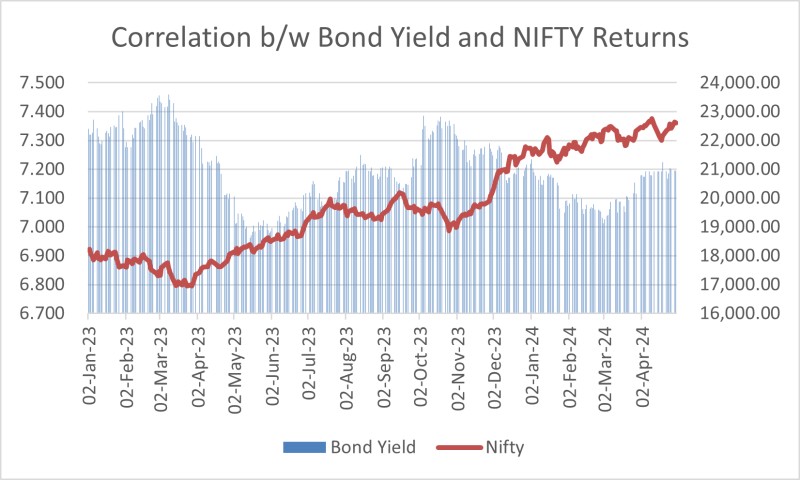
Interest rates remain one of the biggest drivers of market direction in 2026. While investors were expecting rate cuts, recent inflation data have complicated the outlook. The possibility that the Federal Reserve may delay easing policy is creating pressure on equity markets.
Growth stocks, in particular, are highly sensitive to interest rates. Higher rates reduce the present value of future earnings, making these stocks less attractive. This is why technology and high-growth sectors have underperformed during recent market declines.
Additionally, rising bond yields are offering investors an alternative to stocks. As safer assets become more attractive, capital tends to flow out of equities, adding downward pressure on the market.
Weakness in Key Sectors Signals Broader Concerns
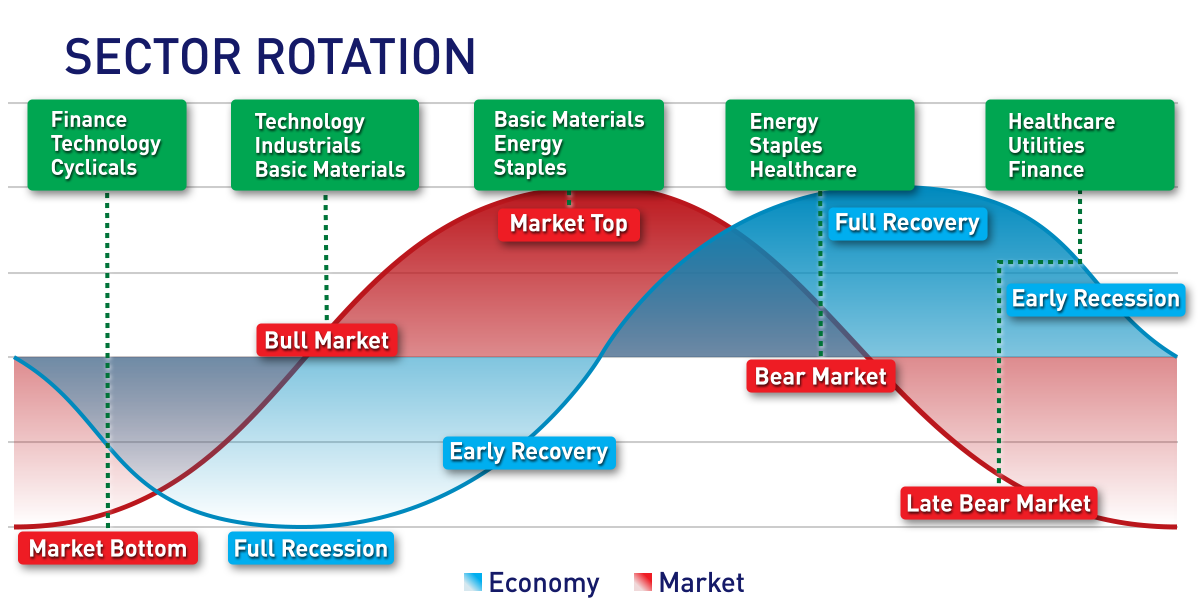

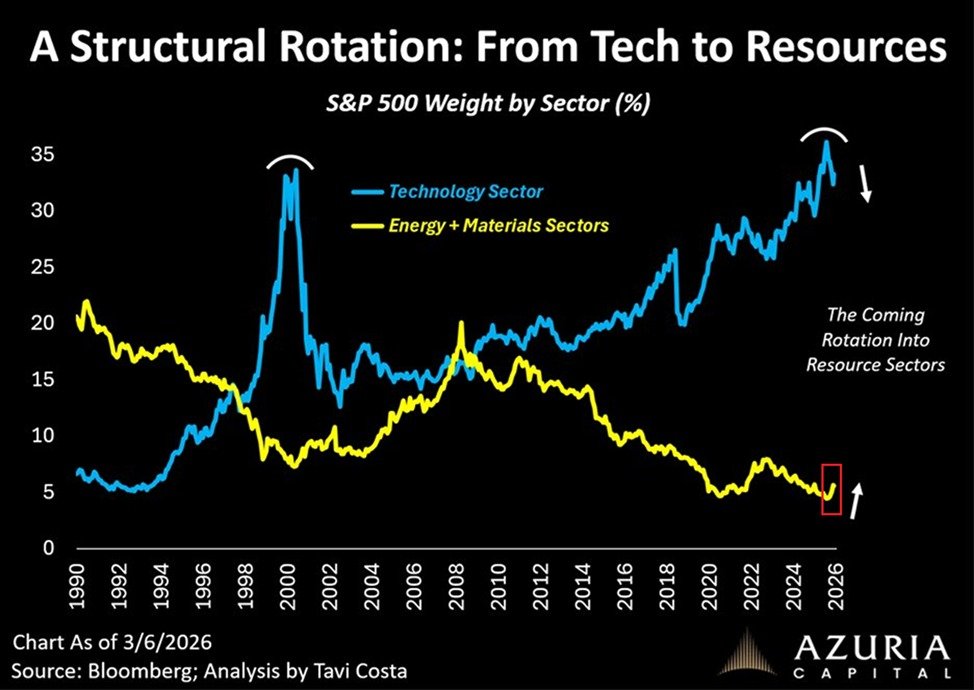
Another important warning sign is the uneven performance across sectors. While energy stocks have benefited from rising oil prices, other sectors such as technology, consumer discretionary, and communication services are showing signs of weakness.
This type of divergence often indicates that investors are becoming more defensive. Instead of chasing growth, they are moving into sectors that are perceived as safer or more stable during uncertain times.
Sector rotation can be an early indicator of a shift in market trends. When defensive sectors begin to outperform consistently, it may signal that investors are preparing for a potential downturn.
Economic Data Is Sending Mixed Signals


Economic data in 2026 presents a complex picture. While some indicators, such as employment and consumer spending, remain strong, others are showing signs of slowing growth.
Inflation, although lower than previous peaks, is still above target levels. This creates a challenging environment for policymakers and adds uncertainty to market expectations. At the same time, certain economic sectors are beginning to show signs of weakness, raising concerns about future growth.
Mixed economic signals often lead to market uncertainty. Investors struggle to determine whether the economy is heading toward a soft landing or a more significant slowdown, increasing the likelihood of market volatility.
Investor Sentiment Is Turning More Cautious


Investor sentiment plays a crucial role in market movements, and recent trends suggest a shift toward caution. Indicators such as the Fear & Greed Index and market positioning data show that investors are becoming more risk-averse.
This change in sentiment can create a self-reinforcing cycle. As more investors become cautious, selling pressure increases, leading to further declines. This dynamic can accelerate market downturns and amplify volatility.
Additionally, increased media coverage of market risks and economic uncertainty can influence investor behavior. When fear begins to dominate, markets can move more sharply and unpredictably.
What Investors Should Watch Next
Looking ahead, investors should focus on several key factors that will shape market direction. Inflation data, Federal Reserve policy decisions, and global developments will remain critical.
Monitoring corporate earnings is also essential. Earnings growth is a key driver of stock prices, and any signs of weakening profitability could further impact markets. Additionally, keeping an eye on bond yields and liquidity conditions can provide valuable insights.
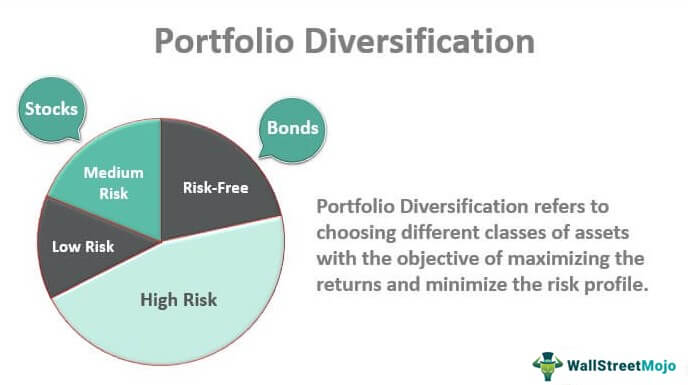
Diversification and risk management are more important than ever in this environment. Investors should consider balancing their portfolios to withstand potential volatility while remaining positioned for long-term growth.
Navigating a Market Filled with Warning Signs
The recent market drop has highlighted several bearish signals that investors should take seriously. While it is impossible to predict market movements with certainty, understanding these warning signs can help investors make more informed decisions.
From rising volatility and interest rate uncertainty to sector weakness and shifting sentiment, the current market environment is complex and dynamic. Staying informed and maintaining a disciplined investment strategy is essential.
Markets often go through cycles, and periods of uncertainty can also create opportunities. By focusing on long-term fundamentals and managing risk effectively, investors can navigate challenging conditions and position themselves for future growth.
Subscribe to trusted news sites like USnewsSphere.com for continuous updates.