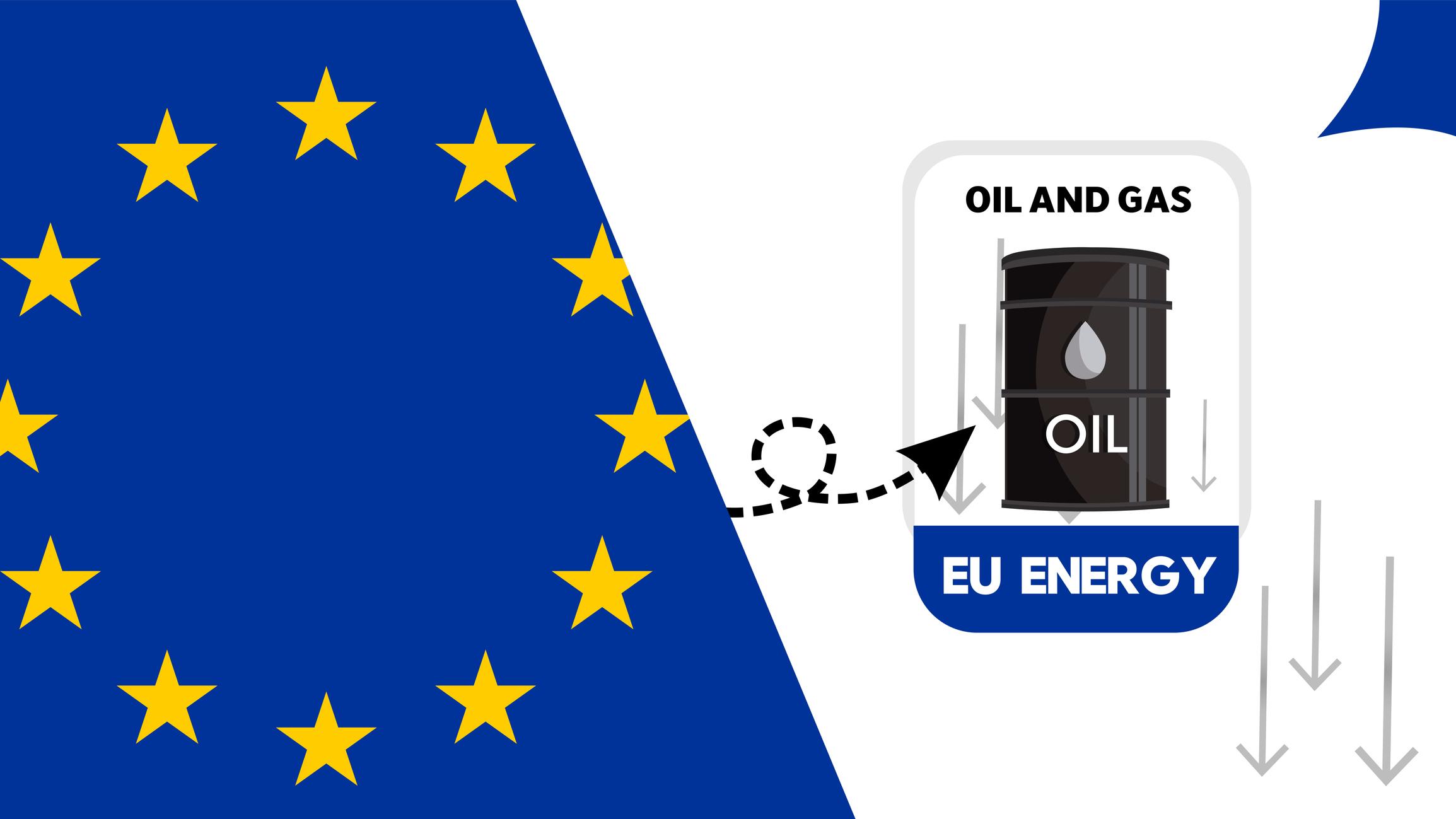
US-Europe Iran tensions are escalating rapidly as German Chancellor Friedrich Merz warns that Europe could face a severe energy and economic shock if conflict with Iran intensifies, highlighting a growing divide between the United States and Germany over strategy, energy security, and global stability.
The issue centers on rising geopolitical tensions in the Middle East, where potential military escalation involving Iran could disrupt oil and gas supplies. Germany and other European nations are urging caution, while the U.S. stance appears more aggressive. The situation matters now because energy prices are already volatile, and any disruption could trigger inflation spikes, economic slowdown, and political instability across Europe and beyond.
Growing Divide Between the U.S. and Europe
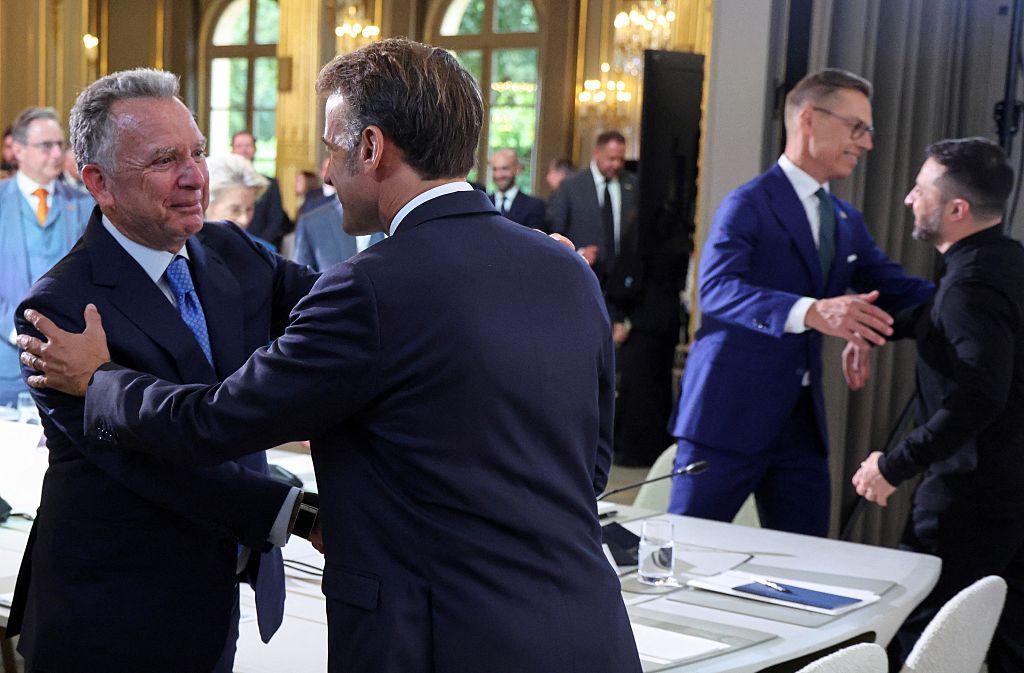
Tensions between Washington and European capitals are becoming more visible as policy differences widen. German leadership has expressed frustration with what it sees as unilateral decision-making by the U.S., particularly regarding Iran-related actions that could destabilize global energy markets.
Europe’s concern is rooted in its economic vulnerability. Unlike the U.S., which has significant domestic energy production, many European countries rely heavily on imported energy. A sudden escalation involving Iran could cut off critical oil routes, putting immediate pressure on industries and households across the continent.
Why Germany Is Raising Alarm Bells
Germany, as Europe’s largest economy, is especially sensitive to energy disruptions. Chancellor Friedrich Merz has emphasized that Europe cannot afford another energy crisis similar to the one triggered by earlier geopolitical conflicts. Rising fuel prices would directly impact manufacturing, transportation, and consumer costs.
Germany’s warning is not just economic—it is strategic. The country is pushing for diplomatic solutions to avoid conflict escalation. Leaders believe that preventive diplomacy could stabilize markets and prevent a broader crisis that would ripple through global supply chains.
Impact on Global Energy Prices
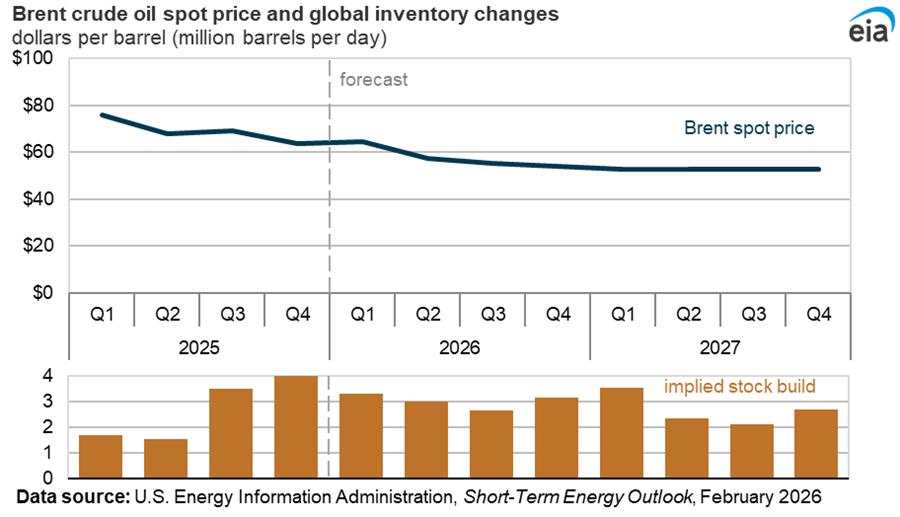
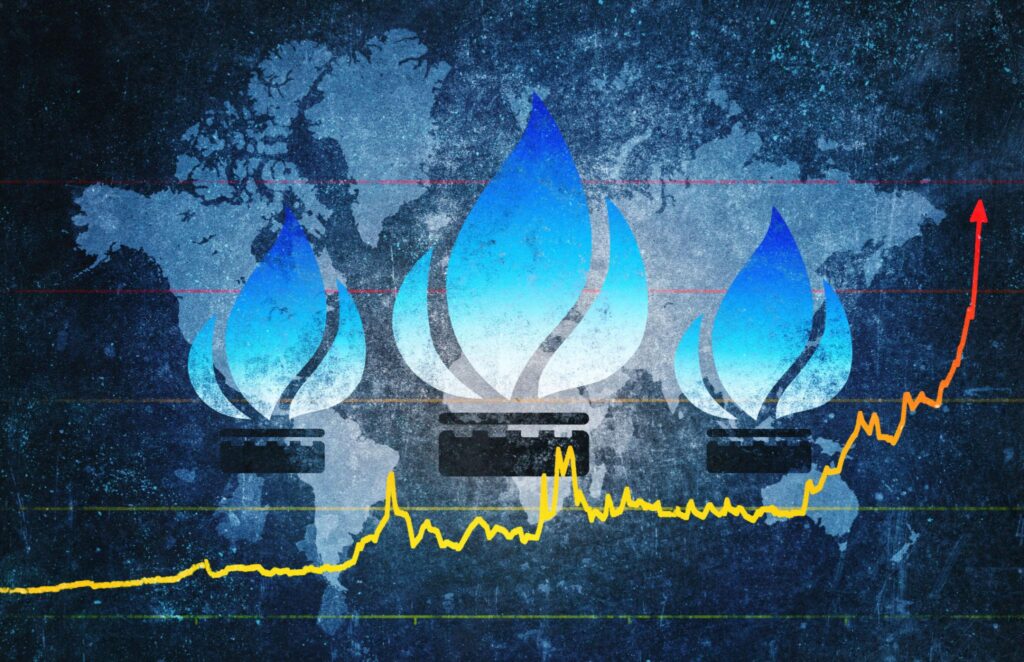
Energy markets are already reacting to geopolitical uncertainty. Even the possibility of conflict involving Iran—one of the world’s key oil producers—can send prices soaring. Traders and investors factor in risk premiums, leading to higher fuel costs worldwide.
For consumers, this translates into more expensive gasoline, higher electricity bills, and increased costs for goods and services. For businesses, especially in energy-intensive sectors, it could mean reduced profitability and slowed growth. The global economy, still recovering from past disruptions, could face renewed pressure.
Why This Matters Now
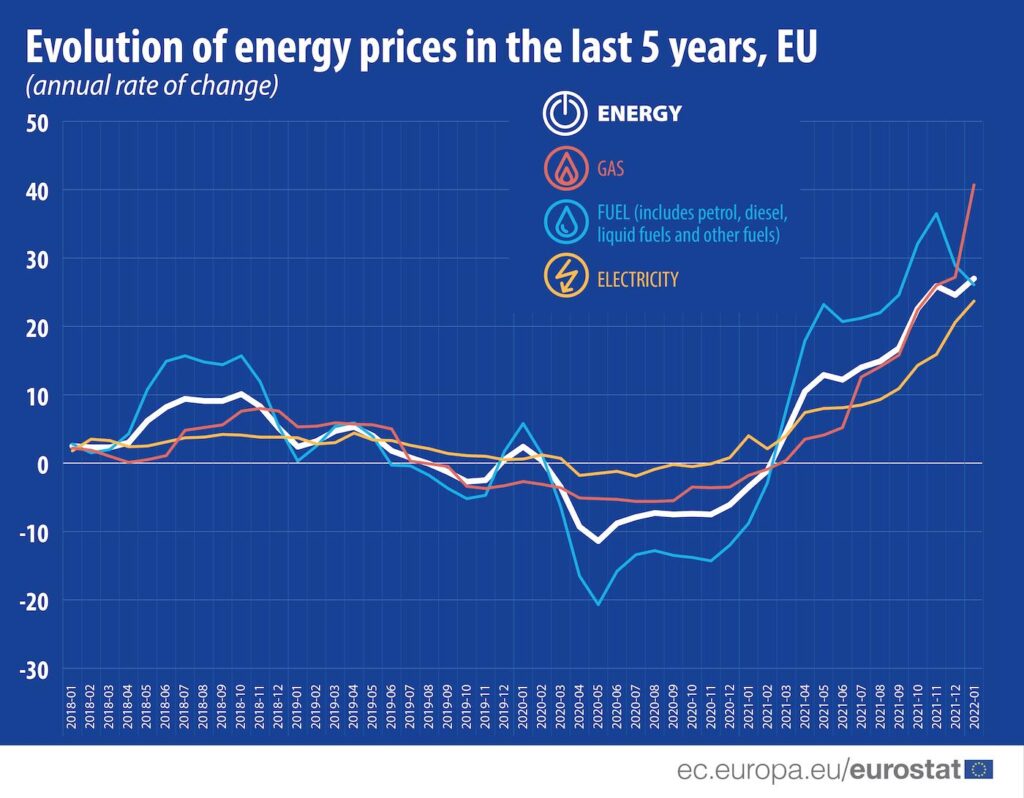
The timing of this crisis is critical. Inflation remains a major concern in both Europe and the United States. Central banks are trying to stabilize economies, but rising energy costs could undermine those efforts.
Additionally, political tensions are increasing globally. A conflict involving Iran would not remain localized—it could affect trade routes, international alliances, and financial markets. The situation highlights how interconnected the modern world is, where regional conflicts quickly become global challenges.
Europe’s Strategy: Diplomacy Over Escalation
European leaders are advocating for a diplomatic approach to manage tensions with Iran. They argue that negotiation and dialogue are the most effective ways to prevent conflict and ensure stability in energy markets.
This approach contrasts with a more assertive stance from the United States, creating friction between allies. Europe’s position is shaped by its economic realities and the lessons learned from past crises, where escalation led to long-term consequences.
What Happens Next for Global Markets
The next phase depends largely on geopolitical decisions. If tensions ease, energy markets may stabilize, offering relief to consumers and businesses. However, if the situation escalates, the world could see a sharp increase in oil prices and broader economic disruptions.
Investors are closely watching developments, as markets tend to react quickly to geopolitical risks. Governments, meanwhile, are preparing contingency plans to manage potential shocks, including diversifying energy sources and strengthening strategic reserves.
This evolving situation underscores the delicate balance between geopolitical strategy and economic stability. As tensions continue to unfold, the world is watching closely to see whether diplomacy or escalation will shape the future.
Subscribe to trusted news sites like USnewsSphere.com for continuous updates.