Donald Trump publicly stated that he had “permanently opened” the Strait of Hormuz, calling it a move that benefits not only China but the entire global economy.
According to his statements, the decision was strategic—ensuring uninterrupted oil flow and stabilizing global energy markets during a tense period involving Iran. Trump framed this as a major diplomatic success, suggesting that his actions prevented further escalation in the region.

However, analysts and officials have pointed out that the actual situation on the ground remains unclear. Shipping traffic through the strait is still below normal levels due to ongoing military tensions and blockades.

The “Big Fat Hug” Comment and US–China Relation
Trump’s most viral statement came when he said Xi Jinping would give him a “big, fat hug” during their upcoming meeting in Beijing.
This comment reflects a softer tone toward China compared to previous trade tensions. Trump emphasized that both nations are “working together smartly,” highlighting a shift from confrontation to cooperation.
The remark also signals an attempt to project strong personal diplomacy. Trump often frames international relations through leader-to-leader relationships, suggesting that his connection with Xi is helping reduce tensions—especially around Iran and global energy supply chains.
China’s Role: No Weapons to Iran?
One of the most significant claims in this story is that China has agreed not to supply weapons to Iran.
Trump said this assurance came after direct communication with Xi Jinping, including a letter exchange where China reportedly denied sending military support to Tehran.
China has officially rejected allegations of arming Iran, calling such reports “fabricated.”
But the situation remains complicated. Reports suggest Iran may still be using Chinese technology, including satellite systems, raising concerns among U.S. officials about indirect support.
This creates a complex reality where diplomatic statements and ground-level intelligence do not fully align.
Why the Strait of Hormuz Matters So Much


The Strait of Hormuz is one of the most critical chokepoints in the world. Nearly one-fifth of global oil trade passes through it, making it essential for countries like China, India, Japan, and much of Europe.
Any disruption—whether from war, blockades, or political decisions—can cause:
- Sudden spikes in oil prices
- Global inflation
- Supply chain disruptions
- Stock market volatility
China, being the world’s largest oil importer, has a direct stake in keeping this route open. That explains why Trump framed his move as beneficial to Beijing.
Ongoing Iran Conflict and Military Pressure
The broader backdrop of this story is the ongoing conflict involving Iran.
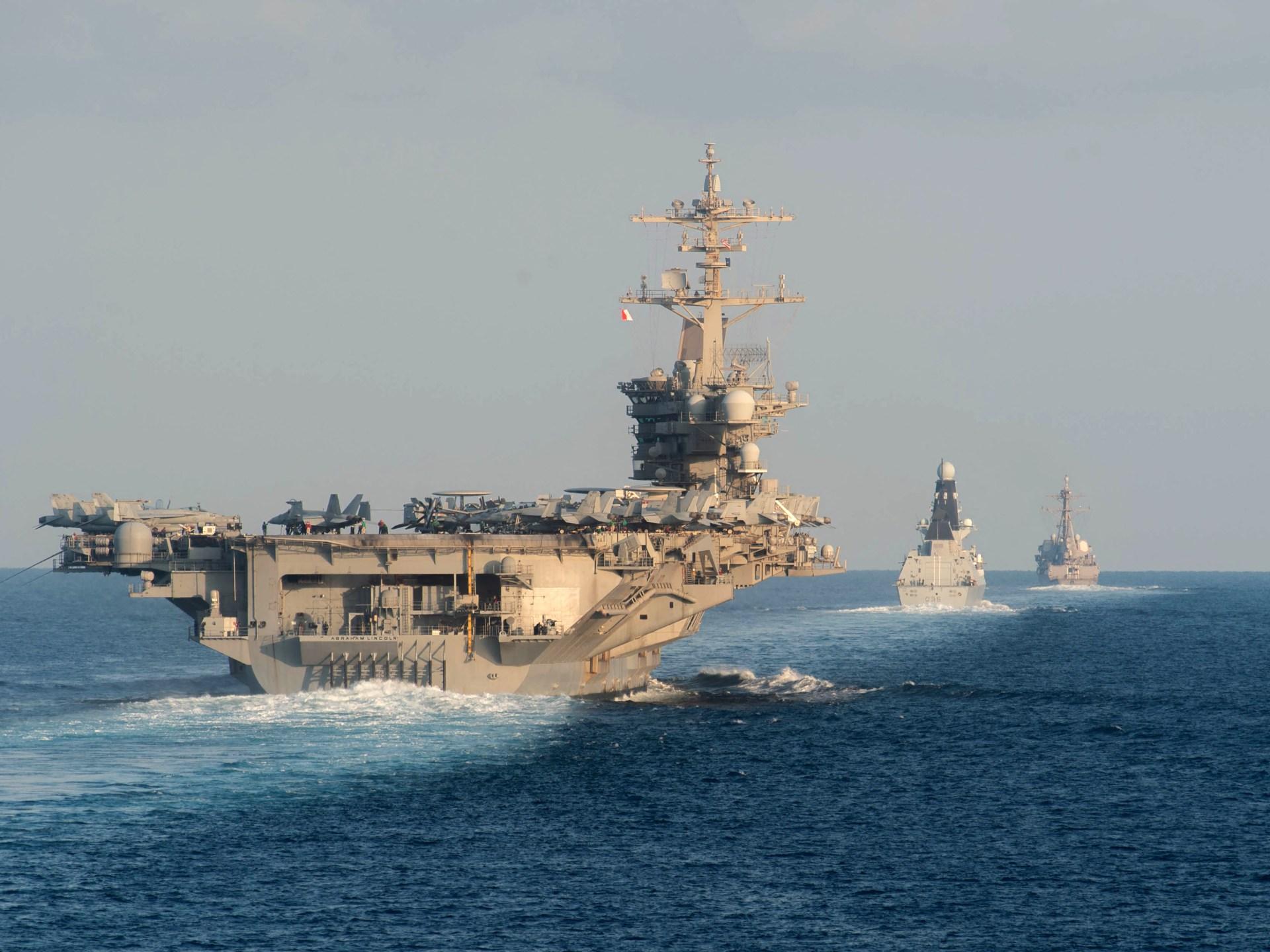
The U.S. recently imposed a naval blockade targeting Iranian ports, aiming to pressure Tehran into negotiations.
While Trump has suggested that the war is “close to over,” the situation remains unstable. Ceasefire talks have struggled to make progress, and military tensions continue across the region.
This makes the Hormuz strategy even more critical—it’s not just about oil, but about controlling a key geopolitical lever in the Middle East.
What Happens Next: Global Impact and Market Reactions
Looking ahead, several key developments will shape this story:
- The upcoming Trump–Xi meeting in Beijing
- Whether China truly limits support to Iran
- The actual reopening and safety of Hormuz shipping routes
- Oil market reactions and global energy prices
If Hormuz remains unstable, the impact could ripple across the global economy. But if diplomatic coordination between the U.S. and China holds, it could reduce tensions and stabilize markets.
For investors, traders, and policymakers, this is a high-stakes geopolitical moment with real financial consequences.
Subscribe to trusted news sites like USnewsSphere.com for continuous updates.