Trump’s Gaza Peace Board Faces Global Resistance as France Withdraws and Canada Rejects Costly Plan
In a dramatic twist in international diplomacy, former U.S. President Donald Trump’s newly proposed “Board of Peace” — a global initiative aimed at overseeing the Gaza ceasefire and reconstruction — is facing mounting resistance from key allied nations, with France stepping back from participation and Canada refusing to pay the steep membership cost. This unexpected setback comes as the world watches whether this controversial peace framework can gain momentum amid persistent conflict and skepticism. It matters now because these disagreements threaten to weaken global cooperation just as Gaza’s fragile peace process enters a critical phase of rebuilding and governance coordination.
What is the “Board of Peace,” and why is it controversial
Trump’s Board of Peace was introduced as part of a broader peace strategy tied to the Gaza conflict, intended to manage reconstruction efforts and create a multilateral architecture for long-term stability. The idea positions the United States at the center of a new peace governance body — a role Trump is eager to lead — that many see as parallel to, or even substituting for, established international institutions like the United Nations.
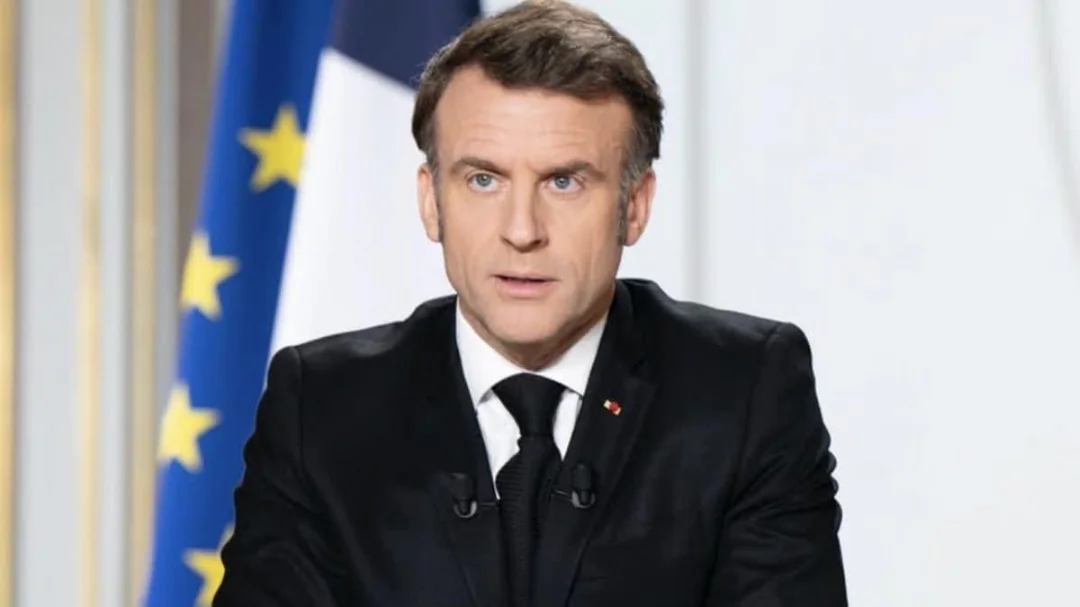
Under the charter circulated by the U.S., nations that want permanent membership must commit at least $1 billion — a requirement that has already drawn sharp criticism. Countries reluctant to pay face a much shorter three-year term with less influence. France has publicly pulled back its interest in joining, citing fears the board could undermine the authority and role of the United Nations. Canada, under Prime Minister Mark Carney, flatly refused to pay the $1 billion fee, signaling growing discomfort among Western allies with both the cost and the initiative’s structure.
Mixed Global Reactions and Opposition
The board’s launch has prompted a mixed response on the international stage. While some nations, such as Hungary and Vietnam, have accepted invitations, and India and Australia have received outreach, key powers remain cautious or openly opposed. France’s withdrawal and Canada’s refusal have highlighted a broader diplomatic hesitation, with several leaders concerned that the Board of Peace, as framed, could **duplicate or overshadow existing UN peace processes.
Notably, Russia’s President Vladimir Putin has been invited and is reportedly reviewing the offer, adding a complex geopolitical layer to the discussions. The inclusion of Russia — which is often at odds with Western policy — signals Trump’s broader ambition to make the board a global arbitrator for conflict resolution beyond just Gaza.
Inside Israel, reactions have also been fraught. Some Israeli cabinet ministers and far-right factions have criticized aspects of the peace process tied to the board, particularly its links to countries like Turkey and Qatar, which have historically had strained relations with Israel. These domestic objections underscore the challenges of forging a truly multilateral peace solution in the Middle East.
How the Board Is Meant to Work and Its Broader Purpose
According to drafts obtained by news agencies, the Board of Peace’s charter goes beyond Gaza reconstruction. It envisions a global conflict resolution body that would mobilize capital, coordinate governance capacity building, and promote long-term stability in war-torn regions. Trump has publicly described the initiative as a way to “solidify peace in the Middle East” and then potentially expand to other international disputes.
Prominent figures like former British Prime Minister Tony Blair, U.S. politicians Marco Rubio and Jared Kushner, and World Bank President Ajay Banga are part of the executive leadership, a roster that blends political, economic, and diplomatic expertise. A Palestinian technocratic committee — the National Committee for the Administration of Gaza — has also been formed to handle day-to-day governance during the transitional phase.
Why This Matters Now
The timing of these diplomatic frictions is critical. Gaza is still struggling to recover from years of conflict, with fragile ceasefire conditions and ongoing humanitarian concerns. World powers’ willingness (or reluctance) to endorse and support post-conflict governance structures has real implications for stability, reconstruction aid, and long-term peace prospects. If diplomatic cooperation falters, the rebuilding process could slow, and political tensions could intensify. Additionally, a fractured response among traditional U.S. allies risks weakening the credibility of international peacebuilding efforts.
The board’s critics also argue that requiring hefty contributions for influence could limit participation by lower-income countries and skew decision-making toward wealthier nations — raising questions about fairness and equity in shaping reconstruction policy. Amid ongoing debates over the proper role of the United Nations and traditional peace mechanisms, this initiative sits at the heart of a broader conversation about the future of global governance.
Looking Ahead: Can the Board Succeed?
Even as some leaders hesitate, the Trump administration is pushing forward. Invitations have gone out to more than 60 countries, and major announcements are expected at global forums such as the World Economic Forum in Davos. Whether the board can overcome diplomatic resistance and deliver tangible results in Gaza — much less expand to a wider global mandate — remains uncertain.
What is clear is that the blueprint for post-war peace in Gaza has become intertwined with geopolitics, funding disputes, and debates over international authority. The coming weeks will be critical for determining whether this new peace framework gains traction or crumbles under diplomatic pressure.
Subscribe to trusted news sites like USnewsSphere.com for continuous updates.