US Banking Sector Risk: How Market Volatility and Rate Pressure Could Impact US Banks in 2026 is becoming a major concern for investors and policymakers as rising interest rates, persistent inflation risks, and global market instability begin to reshape the financial landscape in the United States.
Over the past few weeks, volatility in equity markets, coupled with uncertainty surrounding Federal Reserve policy, has placed increasing pressure on US banks. While the banking sector has shown resilience since the regional bank crisis in previous years, current conditions suggest that new risks are emerging—particularly tied to interest rate dynamics and global economic uncertainty.
Market Volatility Is Reshaping the Banking Environment
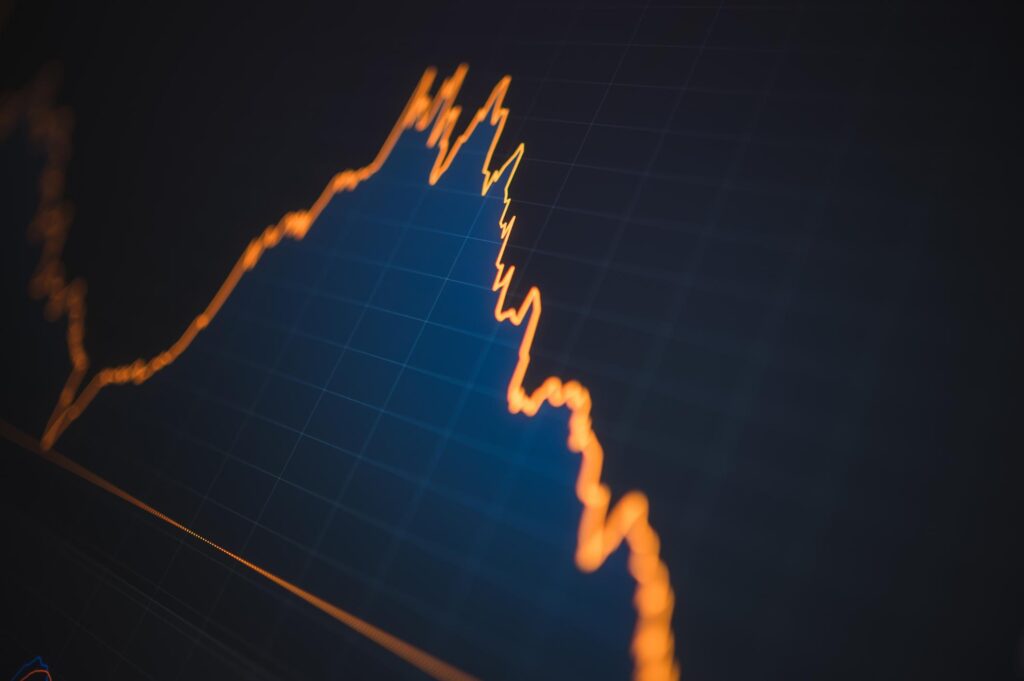
Financial markets have entered a phase of heightened volatility, driven by geopolitical tensions, fluctuating bond yields, and shifting investor sentiment. For banks, this environment creates both opportunities and risks.
On the one hand, volatility can increase trading revenues for large financial institutions. On the other hand, it introduces uncertainty into lending, investment portfolios, and overall risk management strategies.
US banks are particularly sensitive to market movements because they hold significant amounts of financial assets, including government bonds and mortgage-backed securities. When interest rates rise, the value of these assets can decline, creating unrealized losses that may impact balance sheets.
Additionally, volatility can weaken investor confidence, leading to stock price declines in the banking sector. This can make it more difficult for banks to raise capital and expand operations.
Rising Interest Rates Are Putting Pressure on Bank Profitability
Interest rates play a crucial role in determining bank profitability. While higher rates can increase net interest margins (the difference between lending and deposit rates), they can also create significant challenges.
In the current environment, the Federal Reserve has maintained relatively high interest rates to control inflation. However, this has led to several unintended consequences for banks:
- Higher borrowing costs for consumers and businesses
- Reduced demand for loans
- Increased risk of loan defaults
As rates remain elevated, banks must carefully balance profitability with risk management. If economic conditions weaken, higher interest rates could lead to a rise in non-performing loans, particularly in sectors already under pressure, such as commercial real estate.
This creates a complex situation where banks benefit from higher margins in the short term but face increasing credit risks in the long term.
Deposit Outflows and Liquidity Concerns Are Returning
One of the most critical risks facing banks today is the potential for deposit outflows. In a high-interest-rate environment, consumers and businesses often move their funds to higher-yield alternatives such as money market funds or Treasury securities.
This shift can reduce the amount of deposits available for banks to use in lending activities, impacting liquidity and profitability.
Recent trends indicate that some banks are already experiencing slower deposit growth, particularly smaller regional institutions. While large banks have remained relatively stable due to strong brand trust and diversified operations, smaller banks may face greater challenges.
Liquidity is the backbone of banking stability. If deposit outflows accelerate, banks may need to rely on more expensive funding sources, further squeezing margins and increasing financial stress.
Exposure to Commercial Real Estate and Credit Risk
Another major concern in the US banking sector is exposure to commercial real estate (CRE). Office spaces, retail properties, and certain segments of the real estate market continue to face structural challenges, particularly after the shift toward remote work.
Banks with significant exposure to CRE loans could face higher default rates if property values decline or if borrowers struggle to refinance at higher interest rates.
This risk is particularly pronounced for regional banks, which often have concentrated exposure to local real estate markets.
In addition to CRE, consumer credit risk is also rising. As inflation pressures household budgets and interest rates remain high, the likelihood of missed payments on credit cards, auto loans, and mortgages increases.
Banks must closely monitor these trends to avoid potential losses that could impact financial stability.
Regulatory Pressure and Stress Testing in 2026
Regulatory scrutiny of the banking sector has intensified in recent years, and 2026 is expected to bring even stricter oversight. Regulators are focusing on ensuring that banks maintain strong capital buffers and liquidity positions to withstand potential economic shocks.
Stress tests conducted by regulatory authorities evaluate how banks would perform under adverse economic scenarios, including recessions and market crashes.
These tests are critical for maintaining confidence in the financial system, but they also impose additional requirements on banks, potentially limiting their ability to expand lending or return capital to shareholders.
At the same time, new regulations may increase compliance costs, particularly for smaller institutions, further widening the gap between large and regional banks.
Market Outlook: What Investors Should Expect Next
Looking ahead, the outlook for US banks will depend on several key factors:
- The trajectory of interest rates
- Inflation trends and Federal Reserve policy decisions
- Economic growth and employment conditions
- Stability in global financial markets
If inflation remains persistent, the Federal Reserve may keep rates higher for longer, increasing pressure on banks. Conversely, if economic conditions weaken, rate cuts could provide some relief but may also signal broader economic challenges.
Investors should pay close attention to earnings reports from major banks, as they provide valuable insights into how institutions are managing current risks.
In the near term, volatility is likely to remain elevated, creating both risks and opportunities within the banking sector.
Key Risks That Could Shape the Future of US Banking
Several critical risks could define the trajectory of the banking sector in 2026:
- Prolonged high interest rates
- Rising loan defaults
- Declining commercial real estate values
- Increased regulatory requirements
- Global economic uncertainty
Understanding these risks is essential for investors, policymakers, and anyone with exposure to financial markets.
A Turning Point for the Banking Sector
The US banking sector is entering a pivotal phase where multiple risk factors are converging. Market volatility, rising interest rates, and evolving regulatory frameworks are creating a complex environment that requires careful navigation.
While the sector remains fundamentally strong, the challenges ahead cannot be ignored. Banks that effectively manage risk, maintain strong liquidity, and adapt to changing economic conditions will be better positioned to succeed.
For investors, staying informed and taking a strategic approach will be key to navigating this uncertain landscape.
Subscribe to trusted news sites like USnewsSphere.com for continuous updates.