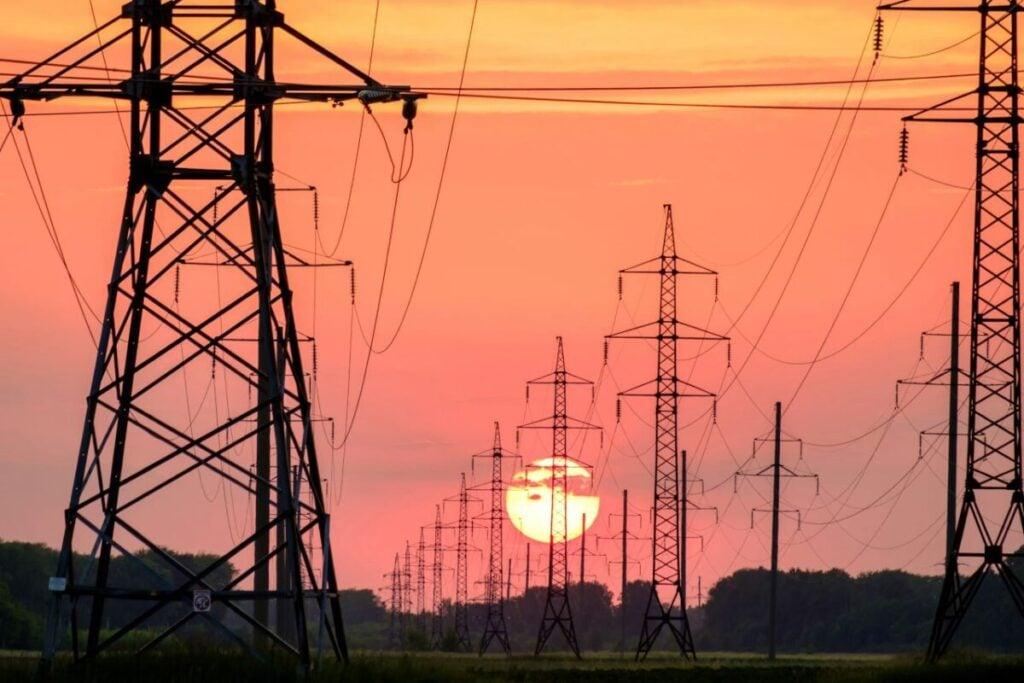
Global Energy Subsidy Wars Begin — How Europe’s New Power Support Policies Could Impact U.S. Trade and Prices is rapidly becoming one of the most important economic stories of 2026, as governments across Europe roll out billions in electricity subsidies to protect industries and stabilize energy costs. These policies are not just regional—they are reshaping global trade flows, influencing U.S. energy prices, and triggering concerns about a new era of subsidy-driven economic competition. For American businesses, investors, and consumers, the ripple effects could be significant
Europe’s Energy Subsidy Push Is Reshaping Global Competition

European governments have recently approved multi-billion-dollar energy subsidy programs aimed at supporting energy-intensive industries such as manufacturing, chemicals, and steel. Countries like Germany have introduced large-scale electricity cost relief packages, while other EU nations are following similar strategies to maintain industrial competitiveness.
These subsidies are designed to offset high energy prices that surged after recent global supply disruptions. By lowering operational costs for domestic industries, European governments are trying to prevent companies from relocating production to regions with cheaper energy—especially the United States.

However, this move is triggering concerns about “subsidy wars,” where countries compete by offering financial incentives to attract and retain industries. This dynamic can distort global markets and create uneven competition between economies.
Why the United States Is Paying Close Attention
The United States has emerged as a major energy exporter, particularly in liquefied natural gas (LNG), supplying Europe during its energy crisis. While this has boosted U.S. energy revenues, Europe’s subsidy policies could reduce long-term demand for imported energy by stabilizing domestic production.


For U.S. manufacturers, the concern is even greater. If European companies benefit from lower energy costs due to subsidies, they may gain a competitive advantage in global markets. This could impact American exports and put pressure on domestic industries already dealing with high interest rates and inflation.

Policymakers in Washington are closely monitoring these developments, as they may need to respond with their own measures to ensure U.S. industries remain competitive on the global stage.
How Energy Subsidies Could Influence U.S. Prices
Energy subsidies in Europe could have complex effects on U.S. prices. On one hand, reduced European demand for imported energy could lead to lower global prices, potentially benefiting U.S. consumers through cheaper fuel and electricity costs.


On the other hand, increased global competition and supply chain shifts could create volatility in energy markets. If U.S. companies face stronger competition from subsidized European firms, it could impact wages, production levels, and pricing across multiple sectors.

Additionally, energy markets are deeply interconnected. Changes in one region often ripple across the globe, affecting everything from transportation costs to food prices. This means that even indirect effects of European policies could influence the cost of living in the United States.
The Risk of a Global Subsidy War
The growing use of subsidies raises the risk of a broader global economic conflict. When one region introduces financial support for its industries, others often feel compelled to respond with similar measures. This can lead to escalating government spending and distorted market dynamics.


A subsidy war could reduce efficiency in global trade by prioritizing political decisions over market forces. It may also strain international trade relationships, particularly if countries view subsidies as unfair advantages.

For investors, this environment introduces both risks and opportunities. While certain sectors may benefit from government support, others could face increased uncertainty and volatility.
Market Outlook: Winners and Losers in the New Energy Economy
The shift toward energy subsidies and industrial support is likely to create clear winners and losers. Industries that receive government backing—such as renewable energy, advanced manufacturing, and infrastructure—are expected to see strong growth.

At the same time, sectors that rely heavily on global competition without subsidies may face challenges. Companies that cannot adapt to changing cost structures or compete with subsidized rivals may struggle to maintain profitability.


Investors are increasingly focusing on sectors aligned with government priorities, such as clean energy and technology. These areas are expected to benefit from long-term policy support and global demand.
What This Means for Investors, Businesses, and Consumers
For investors, the rise of energy subsidy wars highlights the importance of staying informed and adapting to policy-driven market changes. Diversification across sectors and regions can help manage risks associated with shifting economic dynamics.


Businesses must evaluate how global policies impact their cost structures and competitive positioning. Companies that can innovate and improve efficiency will be better equipped to navigate this evolving landscape.

Consumers may experience both benefits and challenges. While some energy costs could stabilize, broader economic effects—such as changes in employment or product prices—will shape overall financial well-being.
A New Era of Policy-Driven Global Economics
The emergence of energy subsidy wars marks a turning point in the global economy. Europe’s efforts to protect its industries are reshaping trade dynamics, influencing U.S. markets, and setting the stage for a new era of government-driven competition.
For the United States, the challenge will be balancing domestic economic priorities with global competitiveness. Policymakers, businesses, and investors must navigate a complex environment where policy decisions play an increasingly central role in economic outcomes.
Understanding these changes is essential for anyone looking to stay ahead in 2026 and beyond. As global markets continue to evolve, those who adapt quickly and strategically will be best positioned to succeed.
Subscribe to trusted news sites like USnewsSphere.com for continuous updates.