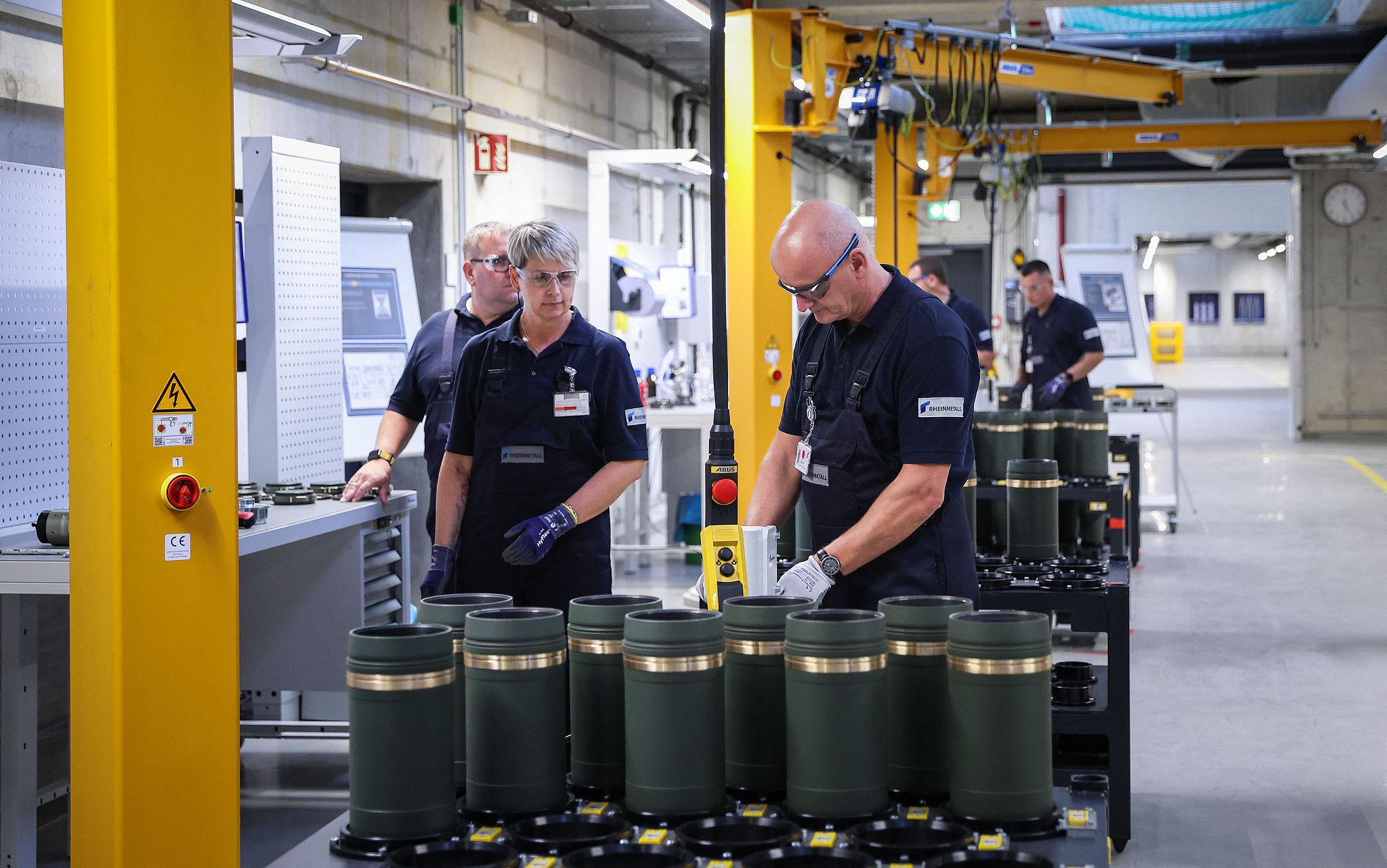
Germany becomes the world’s largest ammunition producer, surpassing the United States, as global conflicts and defense spending reshape the military supply chain. This shift highlights rising geopolitical tensions, increased demand for artillery shells, and Europe’s urgent push to strengthen defense capabilities. The move reflects a broader change in global power dynamics, where production capacity—not just military strength—defines influence. Why this matters now: ongoing conflicts, especially in Eastern Europe, have created unprecedented demand for ammunition, forcing nations to rethink supply chains and invest heavily in domestic manufacturing.
Rising Demand Driven by Global Conflicts
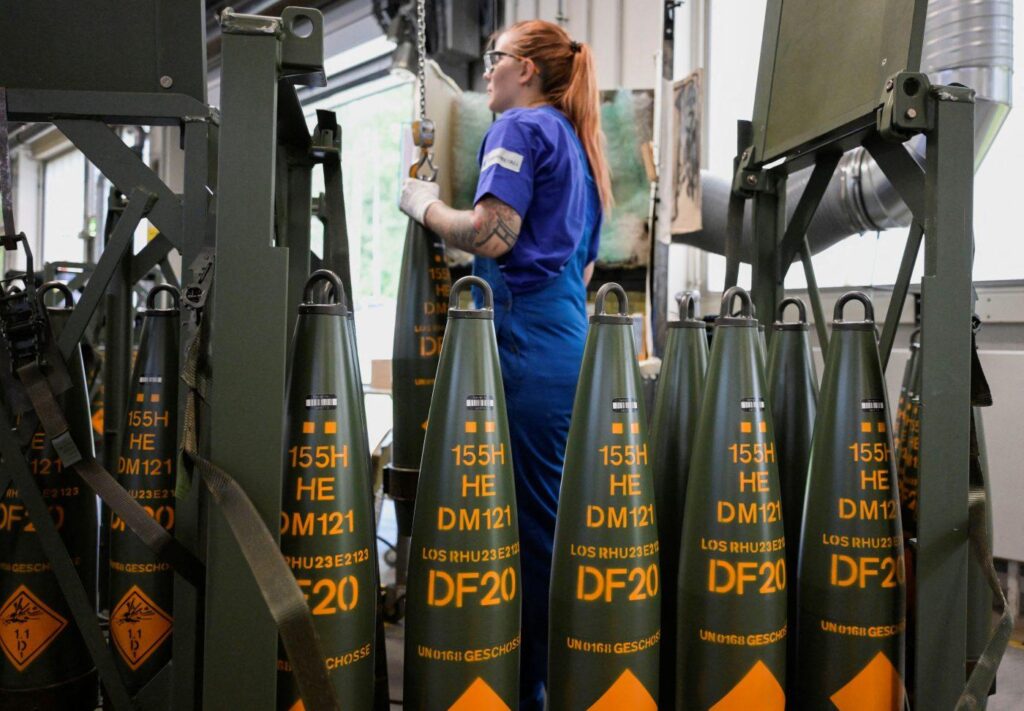
The surge in ammunition production is directly tied to ongoing global conflicts, especially the war in Ukraine. Countries across Europe and NATO allies have been supplying weapons and ammunition at a pace not seen in decades. This has rapidly depleted stockpiles, creating urgency for large-scale production increases.
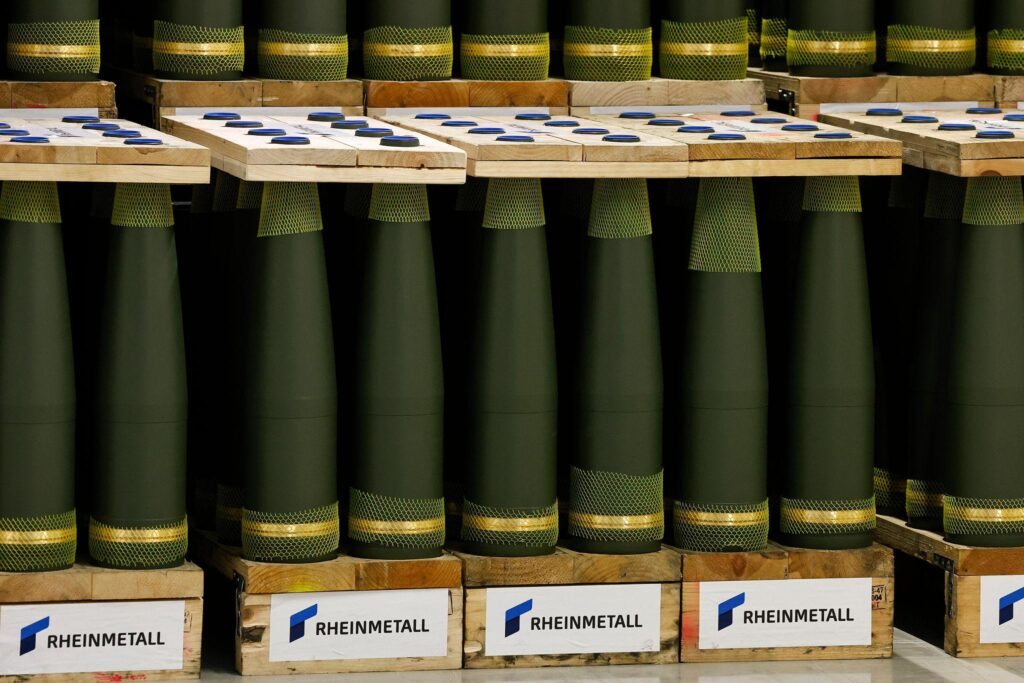
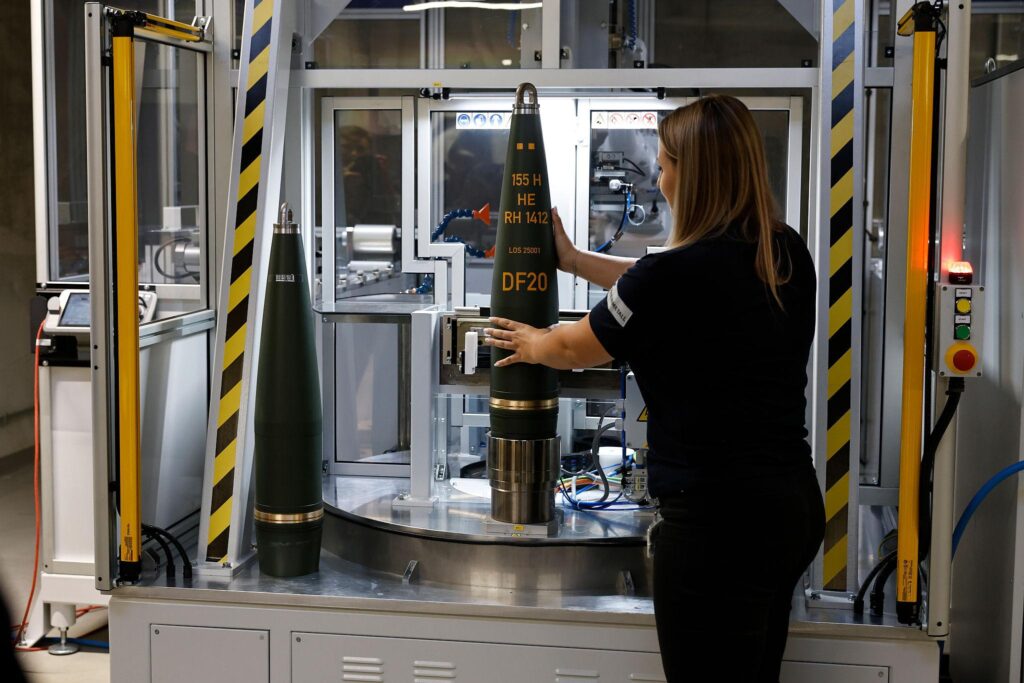
Germany stepped in with aggressive investment in defense manufacturing. Companies like Rheinmetall have significantly expanded operations, with plans to produce hundreds of thousands of artillery shells annually. This rapid scale-up is not just about supporting allies—it’s about ensuring long-term military readiness. The demand spike is expected to continue as geopolitical tensions remain high.
Germany’s Strategic Industrial Expansion
Germany’s rise as the top ammunition producer did not happen overnight. It is the result of deliberate policy changes, increased defense budgets, and collaboration between government and private industry. After years of limited military spending, Germany has reversed course, committing billions to defense modernization.
This includes building new production facilities and upgrading existing ones. Advanced automation and supply chain optimization have allowed German manufacturers to scale production faster than their competitors. The focus is not only on quantity but also on maintaining high-quality standards that meet NATO requirements. This strategic shift positions Germany as a central player in global defense logistics.
The United States is Losing Its Production Edge
The United States has long been the global leader in ammunition production, but recent developments show a shift in capacity rather than capability. While the U.S. still maintains advanced military technology and significant production, its supply chains have faced bottlenecks.
Factors such as aging infrastructure, regulatory challenges, and reliance on complex procurement systems have slowed expansion. Meanwhile, Germany’s streamlined approach and urgent policy changes have allowed it to move faster. This does not mean the U.S. is weakening militarily, but it highlights how industrial agility is becoming just as important as military strength.
Economic and Defense Implications for Europe
Germany’s leadership in ammunition production has major implications for Europe. It strengthens the continent’s ability to act independently in defense matters, reducing reliance on external suppliers. This shift aligns with broader European Union goals of strategic autonomy.
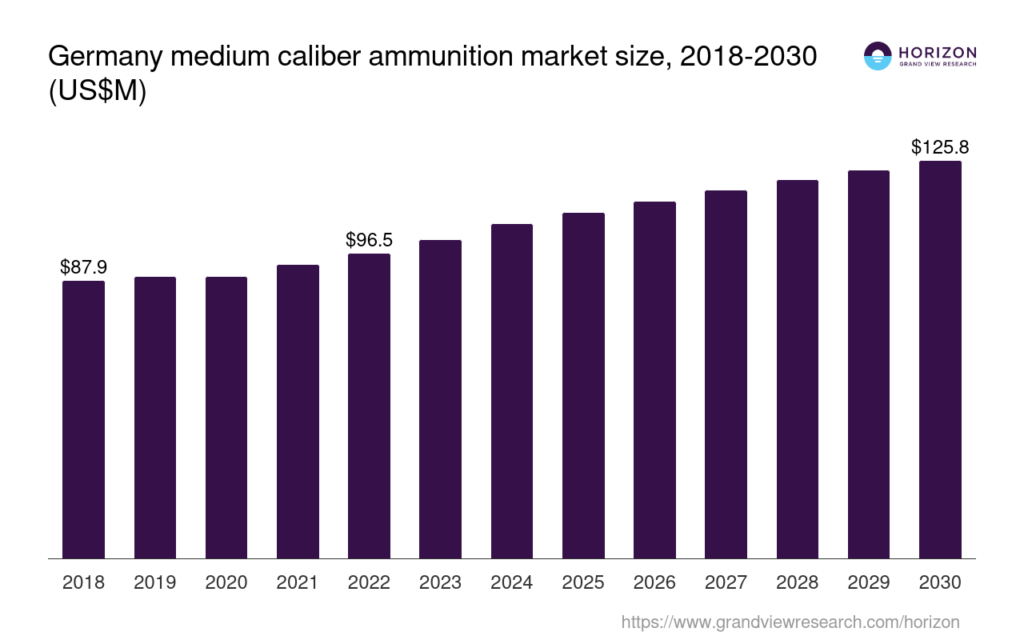
Economically, the expansion of defense manufacturing creates jobs, boosts industrial output, and drives innovation in related sectors such as logistics and materials engineering. However, it also raises questions about long-term sustainability and the balance between defense spending and social investment. Governments must carefully manage these trade-offs while ensuring security needs are met.
Global Power Balance Is Quietly Changing
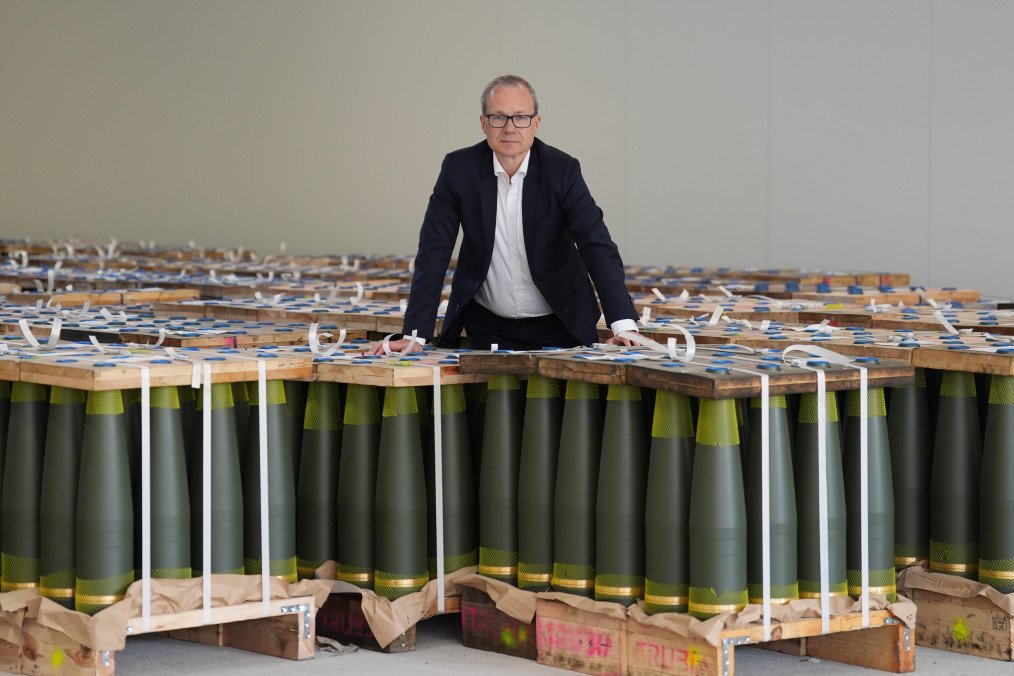
The shift in ammunition production leadership signals a deeper change in global power dynamics. Military strength is no longer defined solely by advanced weapons systems—it increasingly depends on the ability to sustain long-term operations through reliable supply chains.
Germany’s rise demonstrates how industrial capacity can influence geopolitical standing. Countries that can produce at scale gain strategic advantages, not just in conflicts but also in diplomatic negotiations. This trend is likely to continue as nations prioritize self-sufficiency in defense manufacturing.
What Comes Next for the Defense Industry
Looking ahead, the global defense industry is expected to undergo further transformation. Increased demand for ammunition and military equipment will drive innovation, investment, and competition among nations. Germany’s current position may encourage other countries to accelerate their own production capabilities.
At the same time, collaboration between allies will remain crucial. Joint production agreements, shared technology, and coordinated supply chains could define the next phase of defense strategy. The key question is whether this surge in production is a temporary response to current conflicts or the beginning of a long-term shift in global defense priorities.
Germany’s emergence as the world’s largest ammunition producer marks a significant turning point in global defense dynamics. It reflects not only the urgency of current conflicts but also the evolving nature of power in the modern world. As nations adapt to these changes, the balance between industrial capacity and military strength will shape the future of global security.
Subscribe to trusted news sites like USnewsSphere.com for continuous updates.