How to Build a $1 Million Portfolio in 2026: Proven Strategies Using AI Stocks, Energy Trends, and Market Cycles is one of the most searched financial goals among US investors today, and the path is clearer than ever if you use the right strategy. With AI stocks booming, energy markets shifting, and global economic cycles creating new opportunities, building wealth is no longer limited to Wall Street insiders.
This matters now more than ever because 2026 is shaping up to be a turning point year. Rising energy costs, AI-driven productivity growth, and potential recession signals are reshaping how money flows in the US economy. Investors who understand these trends early can position themselves ahead of the market and capture high returns.
In this guide, you will learn exactly how to build a $1 million portfolio step-by-step, including where to invest, how much to allocate, how to manage risk, and how to take advantage of today’s biggest financial opportunities in the US market.

How to Build a $1 Million Portfolio: Understanding the Foundation of a $1 Million Portfolio
Building a $1 million portfolio is not about luck—it is about consistency, strategy, and understanding how money compounds over time. In the US market, long-term investors who consistently invest in high-growth sectors like technology and energy have historically outperformed those who chase short-term trends.
The foundation starts with three pillars: capital allocation, time horizon, and risk tolerance. A typical US investor aiming for $1 million needs to decide whether they want to achieve this goal in 5 years, 10 years, or 20 years. The shorter the timeline, the higher the required monthly investment and risk exposure.
For example, investing $1,000 per month at an average annual return of 10% can grow to over $200,000 in 10 years, but reaching $1 million requires either higher returns, higher contributions, or both. This is where AI stocks, energy trends, and market cycles play a critical role in accelerating growth.

How AI Stocks, Energy Trends, and Market Cycles Work Together
AI stocks are currently one of the fastest-growing sectors in the US, driven by demand for automation, machine learning, and cloud computing. Companies involved in AI infrastructure and software are seeing strong revenue growth, making them attractive for long-term investors.
Energy trends are equally important. With rising global tensions and supply chain disruptions, oil and energy prices are becoming more volatile. This creates opportunities in energy stocks, ETFs, and even renewable energy companies that are gaining government support in the US.
Market cycles tie everything together. Every market goes through expansion, peak, contraction, and recovery phases. Smart investors allocate assets differently depending on the cycle—for example, focusing on growth stocks during expansion and defensive assets during downturns.

Step-by-Step Strategy to Build a $1 Million Portfolio
The first step is setting a clear financial goal and timeline. If your goal is to reach $1 million in 10 years, you need a combination of aggressive growth investments and disciplined monthly contributions. Most US investors underestimate how important consistency is in this process.
The second step is asset allocation. A strong 2026 portfolio strategy could include 40% in AI and tech stocks, 25% in energy and commodities, 20% in index funds like the S&P 500, and 15% in cash or defensive assets. This balance allows both growth and protection.
The third step is using dollar-cost averaging. Instead of trying to time the market, invest a fixed amount every month. This reduces risk and ensures you benefit from both market dips and rallies over time.
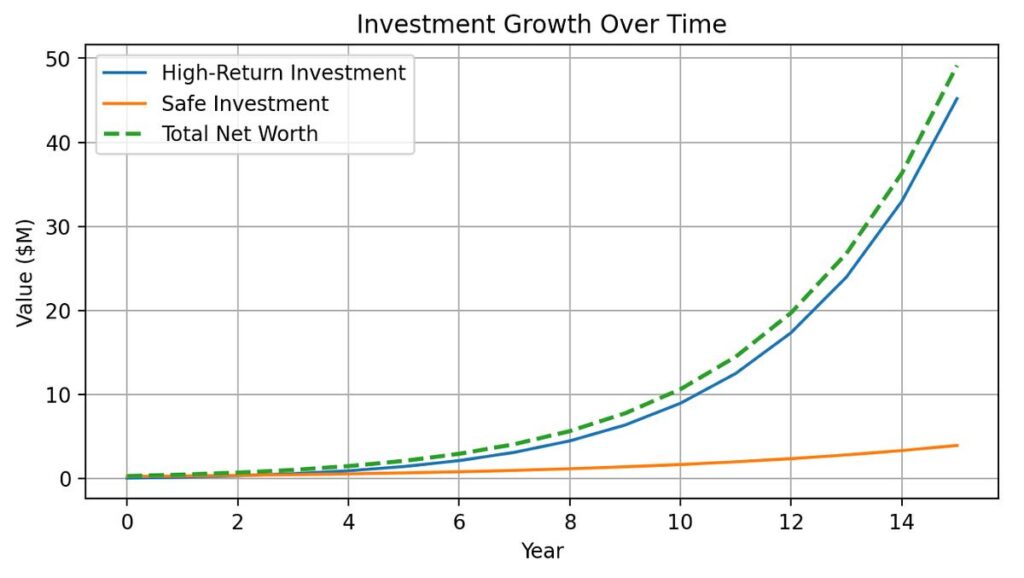
The fourth step is reinvesting profits and dividends. Compounding is the most powerful force in investing. By reinvesting earnings, your portfolio grows exponentially rather than linearly.
Benefits and Risks of This Strategy
One of the biggest benefits of focusing on AI stocks is their high growth potential. Many US-based AI companies are experiencing double-digit revenue growth, which can significantly boost portfolio returns.
Energy investments provide diversification and protection against inflation. When fuel prices rise, energy stocks often perform well, balancing losses in other sectors.
However, there are risks. AI stocks can be volatile, especially during market corrections. Energy markets are influenced by geopolitical events, making them unpredictable. Additionally, market cycles can lead to temporary losses if investments are not properly diversified.
Understanding these risks and managing them through diversification and long-term thinking is essential for success.
Financial Breakdown: How Much You Need to Invest
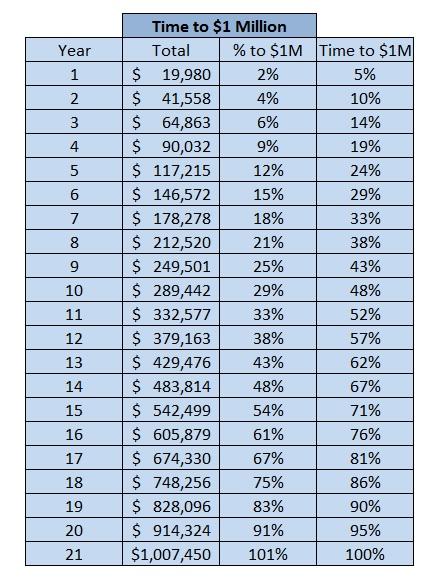
Let’s break down realistic scenarios for US investors aiming for $1 million:
If you invest $2,000 per month with a 12% annual return, you can reach approximately $500,000 in 10 years and over $1 million in around 15 years. Increasing your contribution to $3,000 per month can significantly reduce this timeline.
For aggressive investors targeting AI and high-growth sectors, returns could exceed 15% annually, but this comes with higher risk. In such cases, reaching $1 million in 8–10 years becomes possible.
Passive investors focusing on index funds may achieve 8–10% returns, requiring a longer timeline but offering more stability.
This shows that your strategy should match your financial goals, risk tolerance, and time horizon.

Comparing Different Investment Approaches
Growth investing focuses on high-potential sectors like AI and technology. This approach offers higher returns but comes with increased volatility. It is ideal for younger investors with a longer time horizon.
Value investing focuses on undervalued companies with strong fundamentals. While returns may be slower, this approach provides stability during market downturns.
Index investing, such as investing in the S&P 500, offers diversification and consistent returns. It is one of the most popular strategies among US investors due to its simplicity and reliability.
Combining these approaches can create a balanced portfolio that maximizes returns while minimizing risk.
Expert Strategies to Reach $1 Million Faster
One of the most effective strategies is focusing on high-CPC sectors like AI, fintech, and energy. These industries not only attract investors but also drive economic growth, making them strong long-term bets.
Another key strategy is leveraging market downturns. When markets decline, high-quality stocks often become undervalued. Buying during these periods can significantly boost long-term returns.
Finally, staying informed about economic trends is critical. Monitoring inflation, interest rates, and government policies in the US can help you make better investment decisions and avoid costly mistakes.

Frequently Asked Questions
How long does it take to build a $1 million portfolio in the US?
The timeline depends on your monthly investment and returns. Most investors can achieve this goal in 10–20 years with consistent contributions and a diversified portfolio.
Aggressive strategies focusing on AI and high-growth stocks can shorten this timeline to 8–12 years, but they require higher risk tolerance and active management.
What are the best AI stocks to invest in 2026?
Leading AI companies in the US include those focused on semiconductors, cloud computing, and automation. These companies are benefiting from increasing demand for AI technologies.
Investors should focus on companies with strong earnings growth, competitive advantages, and long-term scalability.
Is energy still a good investment in 2026?
Yes, energy remains a strong investment due to global demand and supply constraints. Oil, natural gas, and renewable energy sectors all offer opportunities.
Energy stocks also act as a hedge against inflation, making them valuable in a diversified portfolio.
Should beginners invest in index funds or individual stocks?
Beginners should start with index funds for stability and diversification. These funds track the overall market and require less active management.
As experience grows, investors can allocate a portion of their portfolio to individual stocks for higher returns.
How much should I invest monthly to reach $1 million?
This depends on your timeline and expected returns. Investing $1,000–$3,000 per month is common among US investors aiming for long-term wealth.
Higher contributions and better-performing investments can significantly reduce the time needed to reach $1 million.
What is the biggest mistake investors make?
The biggest mistake is trying to time the market. Many investors buy high and sell low due to emotional decisions
A disciplined, long-term strategy with consistent investments is the key to building wealth.
Conclusion
Building a $1 million portfolio in 2026 is achievable for US investors who combine smart strategies, consistent investing, and a deep understanding of market trends. By focusing on AI stocks, energy opportunities, and market cycles, you can position yourself for long-term financial success.
The future of investing will be driven by technology, global energy shifts, and economic changes. Investors who adapt early and stay disciplined will not only reach $1 million but potentially exceed it.
Subscribe to trusted news sites like USnewsSphere.com for continuous updates.