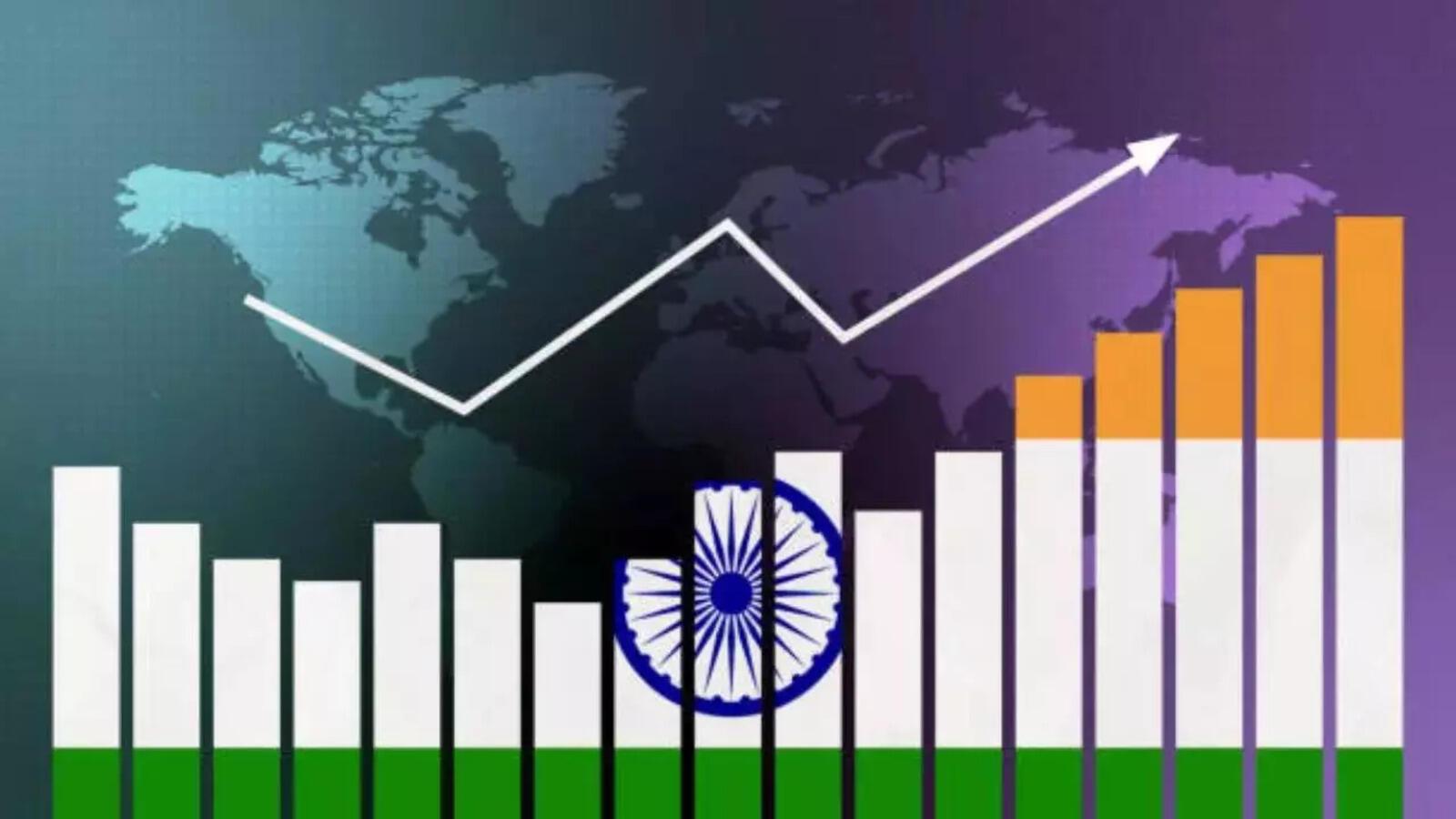
IMF’s Biggest Warning! Global Debt to Hit 100% of GDP. But raises India’s GDP Growth Forecast to 6.5% — this headline is now dominating global economic discussions as the International Monetary Fund (IMF) delivers a mixed message: rising global risks paired with unexpected optimism for India’s economic trajectory.
The IMF’s latest outlook highlights a critical turning point for the global economy. While many nations are struggling under rising debt burdens, India stands out as one of the fastest-growing major economies, with a projected GDP growth rate of 6.5%. This contrast creates a powerful narrative—one of caution for the world, but opportunity for emerging markets like India.
This article breaks down the IMF’s warning, explores why global debt is becoming a major concern, and explains what makes India’s growth story unique in today’s uncertain economic climate.
Global Debt Crisis Reaches Historic Levels
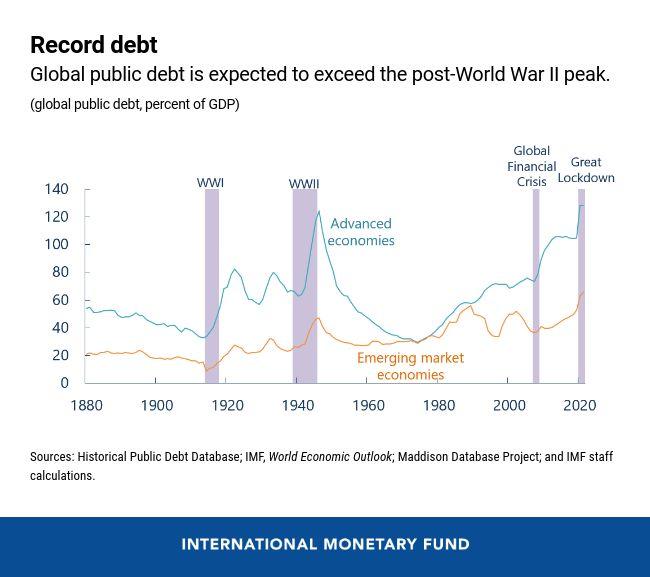
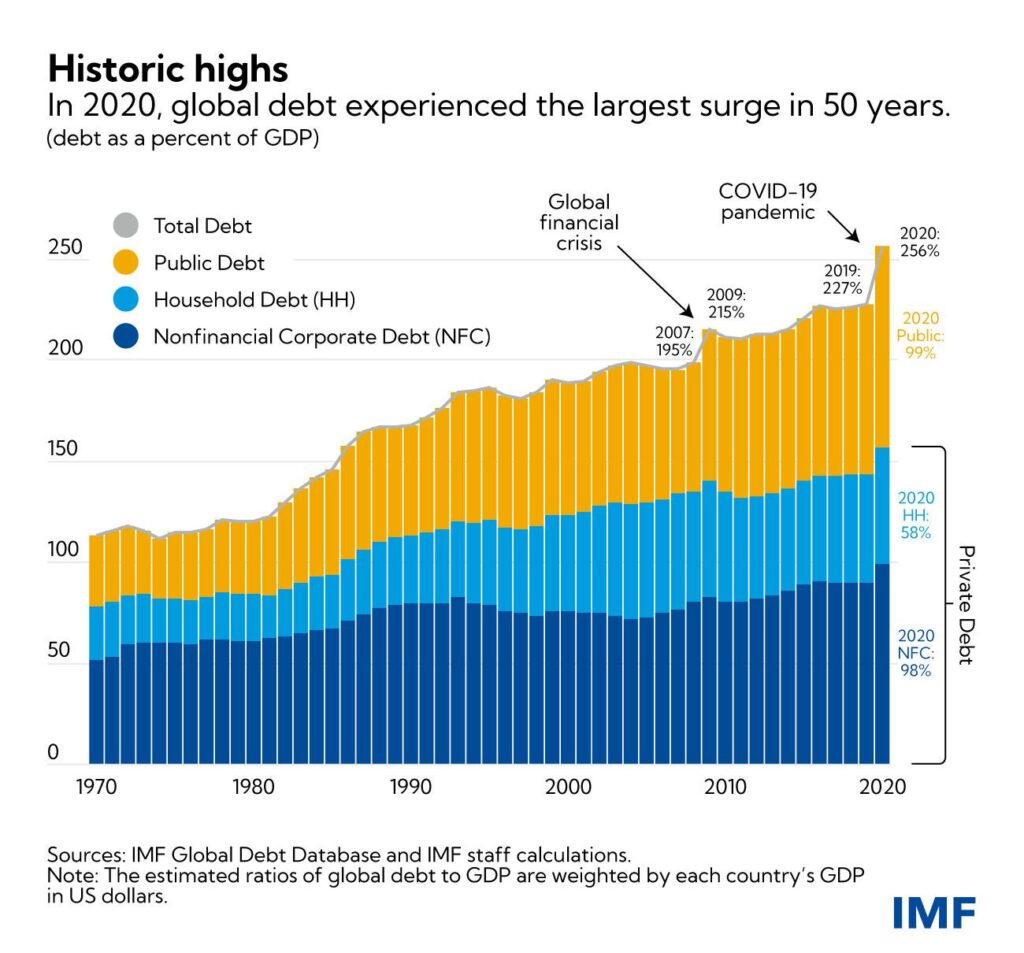
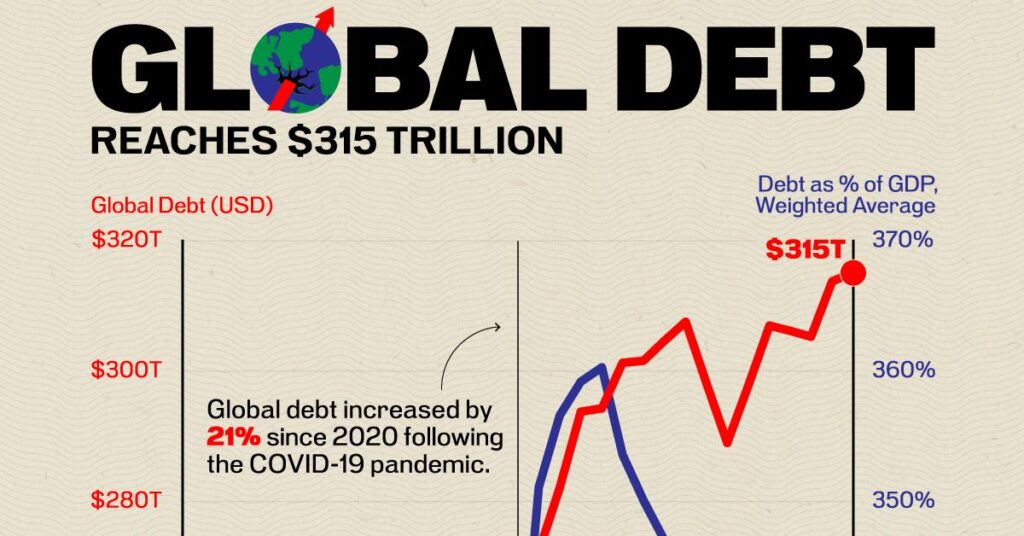
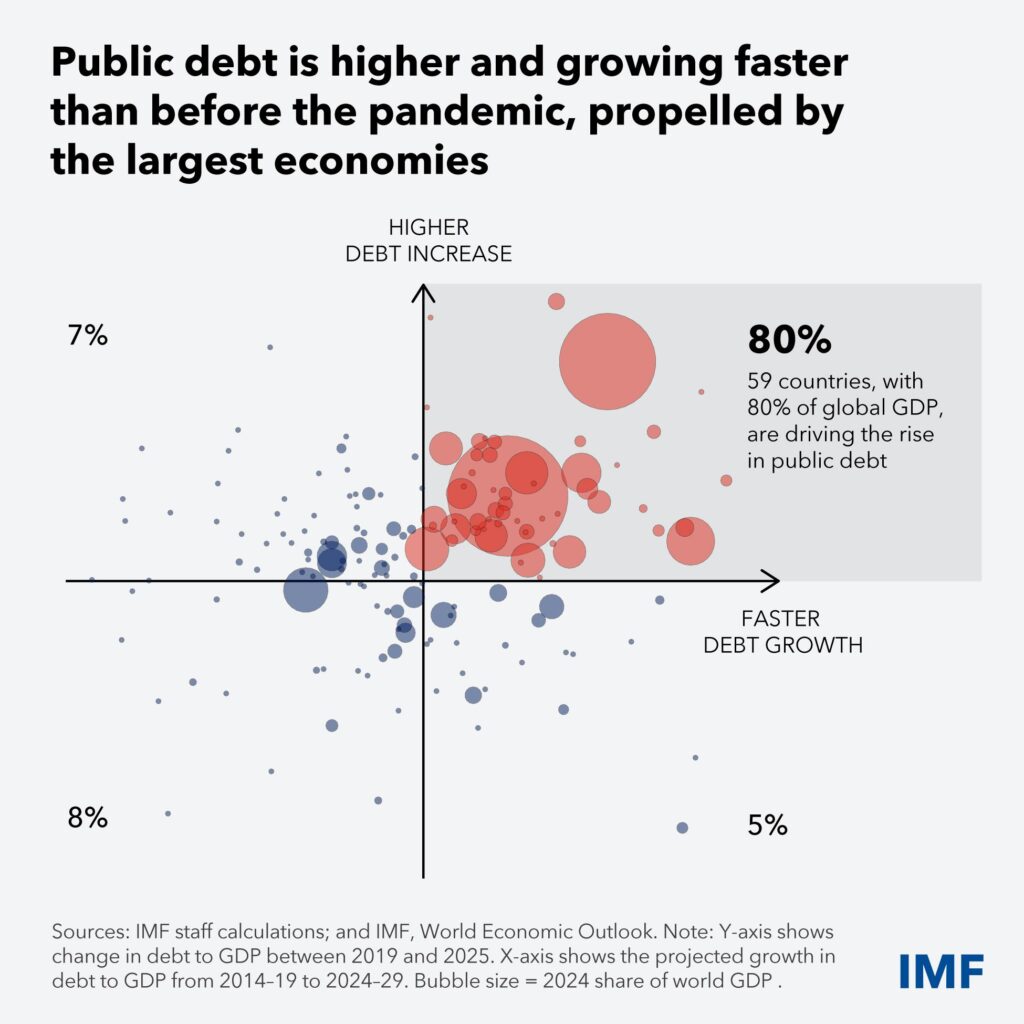
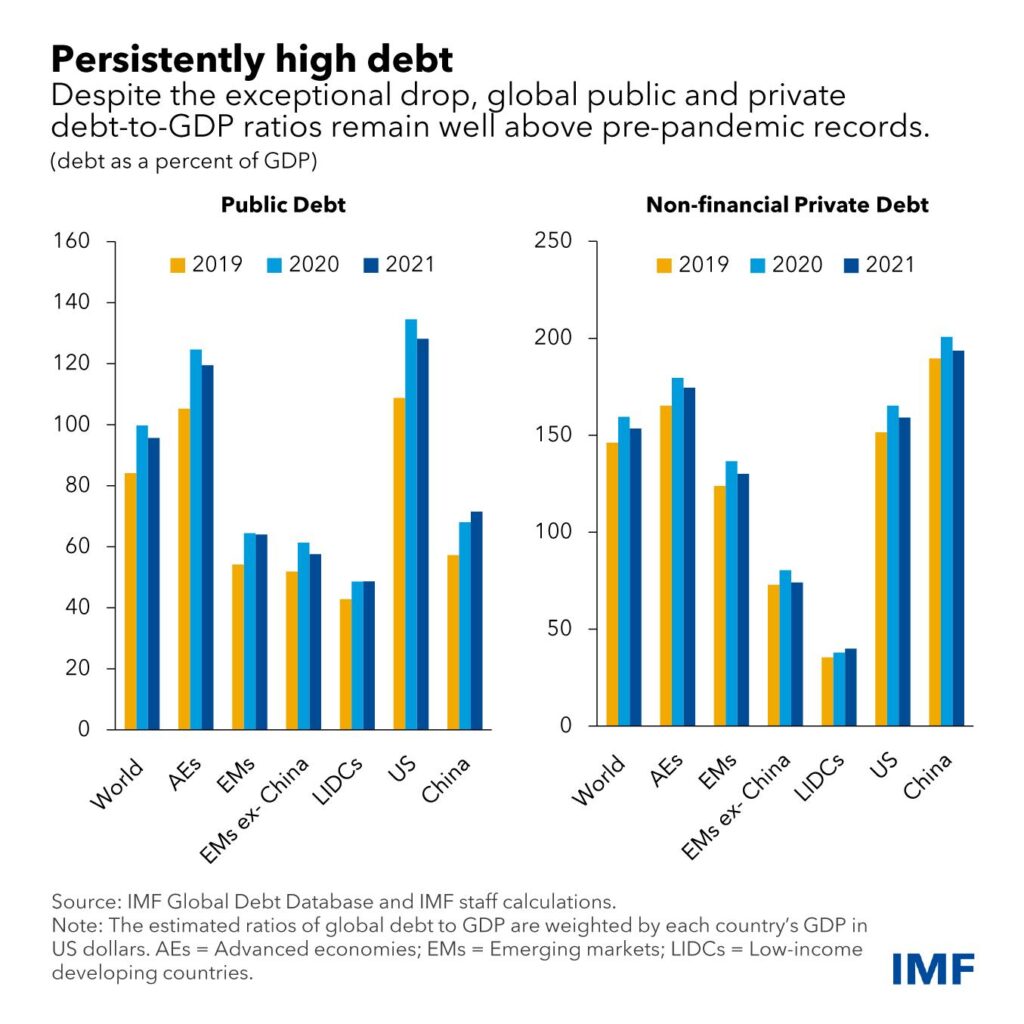
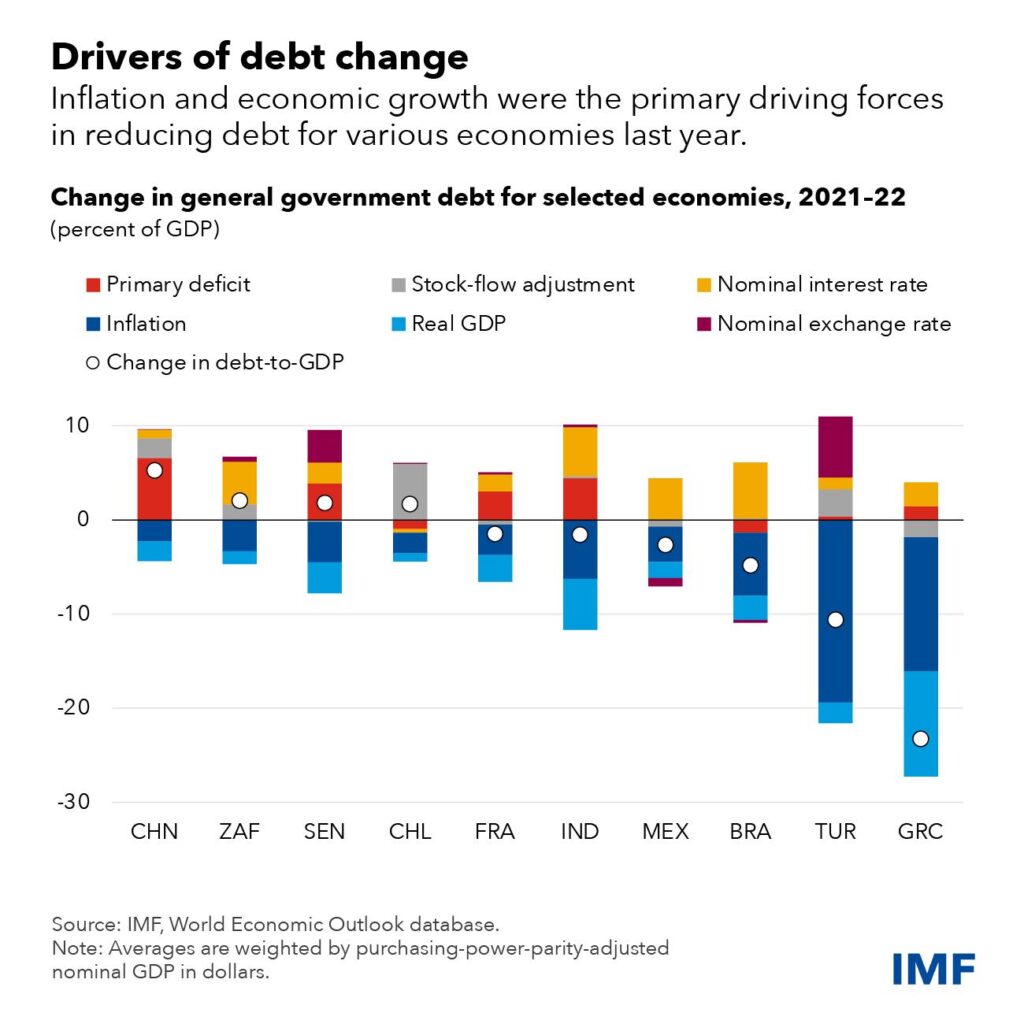
The IMF has issued a serious warning that global public debt is expected to reach nearly 100% of global GDP. This level is historically significant and signals rising vulnerabilities across both developed and developing economies.
Over the past decade, governments have increased borrowing to manage crises—from the COVID-19 pandemic to geopolitical conflicts and economic slowdowns. While this helped stabilize economies in the short term, it has created long-term risks that are now becoming more visible.
Higher debt levels mean governments must spend more on interest payments. This reduces their ability to invest in infrastructure, healthcare, education, and innovation. As interest rates remain elevated globally, the burden of servicing this debt continues to grow, putting pressure on national budgets.
Another concern is that high debt reduces flexibility. If another crisis hits—such as a financial shock or geopolitical disruption—many countries may struggle to respond effectively due to already stretched fiscal positions.
Why Rising Debt Is a Global Threat
The IMF’s warning is not just about numbers—it reflects bigger systemic risks that could impact global economic stability.
One major issue is the possibility of financial instability. When countries carry excessive debt, investors may lose confidence, leading to capital outflows, currency depreciation, and higher borrowing costs. This can create a cycle where debt becomes increasingly difficult to manage.
Additionally, developing economies are particularly vulnerable. Many rely on external borrowing, often in foreign currencies. If their currencies weaken, the cost of repaying debt rises significantly, increasing the risk of default.
Another factor is the slowdown in global growth. High debt often leads to reduced government spending and tighter fiscal policies, which can slow down economic activity. This creates a challenging environment where growth is limited while debt continues to rise.
The IMF also emphasizes that coordinated global action is needed. Without proper fiscal discipline and structural reforms, the current trajectory of rising debt could lead to long-term economic stagnation.
India’s Growth Story Stands Out Globally
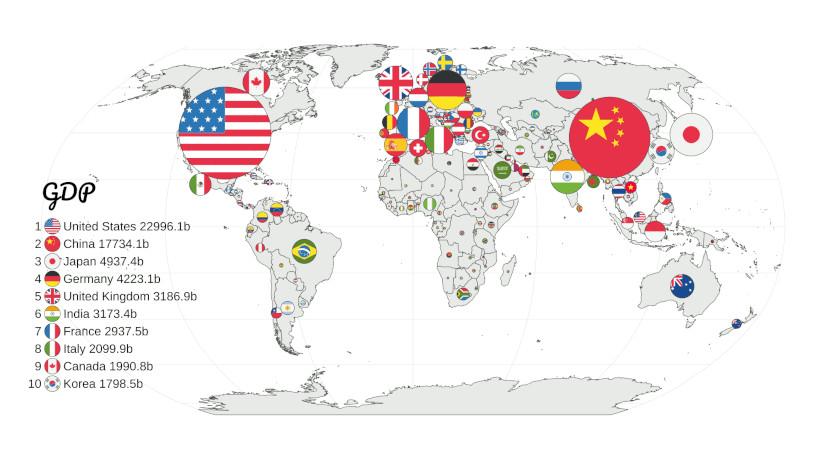
Amid these global concerns, India emerges as a bright spot. The IMF has raised India’s GDP growth forecast to 6.5%, reinforcing its position as one of the fastest-growing major economies.
Several factors contribute to India’s strong performance. Domestic consumption remains robust, supported by a large and growing middle class. Government investments in infrastructure, digitalization, and manufacturing are also driving economic activity.
India’s focus on structural reforms has played a key role. Initiatives aimed at improving ease of doing business, expanding digital payments, and boosting manufacturing through programs like “Make in India” have strengthened the economic foundation.
Another advantage is India’s relatively strong macroeconomic management. While debt levels exist, they are more manageable compared to many other large economies. This gives India more flexibility to navigate global uncertainties.
The IMF’s upgraded forecast signals confidence in India’s long-term growth potential, making it an attractive destination for global investors.
Key Drivers Behind India’s Economic Growth
India’s growth is not accidental—it is driven by a combination of policy decisions, demographic advantages, and economic reforms.
One of the biggest drivers is infrastructure development. Massive investments in roads, railways, airports, and digital infrastructure are improving connectivity and boosting productivity. These projects not only create jobs but also enhance long-term economic efficiency.
The digital economy is another major factor. India has become a global leader in digital payments and fintech innovation. Platforms like UPI have transformed how transactions are conducted, increasing financial inclusion and efficiency.
Manufacturing is also gaining momentum. With global companies looking to diversify supply chains, India is positioning itself as an alternative manufacturing hub. Government incentives and policy support are attracting foreign investments in sectors like electronics, automotive, and renewable energy.
Additionally, India’s young population provides a demographic advantage. A large workforce combined with increasing skill development initiatives supports sustained economic growth.
Global Economic Outlook: Risks and Opportunities
The IMF’s outlook paints a complex picture of the global economy. While risks are rising, there are also opportunities for countries that can adapt effectively.
One key risk is persistent inflation. Although inflation has moderated in some regions, it remains a concern in many economies. Central banks continue to balance between controlling inflation and supporting growth.
Geopolitical tensions also add uncertainty. Conflicts and trade disruptions can impact global supply chains, increase costs, and slow down economic activity.
However, there are opportunities as well. Countries that invest in technology, innovation, and sustainable development can drive future growth. The transition to green energy, for example, presents significant economic potential.
Emerging markets like India are particularly well-positioned to benefit from these trends. With the right policies and investments, they can become major drivers of global economic growth in the coming years.
What This Means for Investors and Policymakers
The IMF’s warning and India’s growth forecast have important implications for both investors and policymakers.
For investors, the message is clear: diversification is key. While developed markets face challenges, emerging economies like India offer growth opportunities. Sectors such as infrastructure, technology, and manufacturing are likely to see strong expansion.
For policymakers, the focus must be on balancing growth and fiscal discipline. Managing debt levels while investing in economic development is critical. Structural reforms, efficient governance, and prudent fiscal policies will play a crucial role in maintaining stability.
Countries must also prioritize resilience. Building strong financial systems, improving productivity, and investing in human capital can help economies withstand future shocks.
India’s example shows that with the right strategy, it is possible to achieve strong growth even in a challenging global environment.
A World at a Crossroads, India on the Rise
The IMF’s biggest warning about global debt reaching 100% of GDP highlights a critical challenge facing the world economy. Rising debt levels, combined with economic uncertainties, create a complex and potentially fragile global landscape.
At the same time, India’s upgraded growth forecast of 6.5% offers a powerful counter-narrative. It demonstrates that strong policies, structural reforms, and strategic investments can drive economic success even in uncertain times.
As the global economy navigates this crossroads, the contrast between rising debt and emerging growth will shape the future. Countries that adapt, innovate, and maintain fiscal discipline will be better positioned to thrive.
For investors and policymakers alike, the message is clear: understanding these trends is essential for making informed decisions in a rapidly changing world.
Subscribe to trusted news sites like USnewsSphere.com for continuous updates.