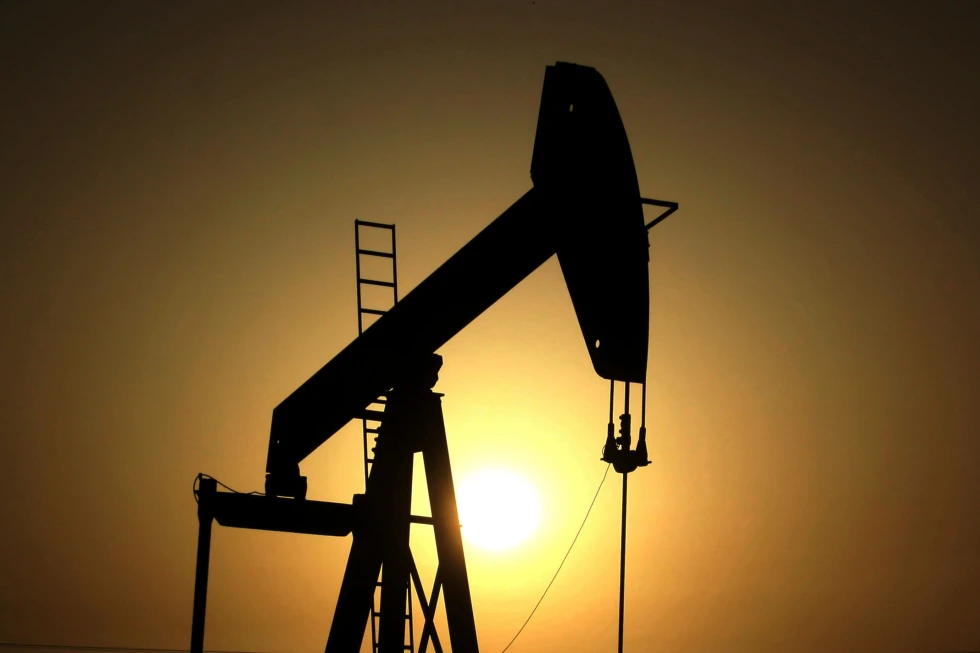
The ongoing conflict between the United States, Israel, and Iran is now reshaping global oil markets, pushing crude prices sharply higher, denting stock markets, and threatening gasoline costs worldwide. This matters now because energy price spikes hit inflation, impact consumer fuel bills, and can slow economic growth just as markets hoped for stability. With key Strait of Hormuz shipping disrupted — a channel responsible for roughly 20% of global oil and LNG flows — global oil benchmarks climbed into the high $70s and potentially above $90–$100 per barrel if tensions persist.
The escalation has stock indices sliding as investors flee risk assets, and analysts warn that longer disruption could sustain high fuel and natural gas prices for weeks or months.
Why Crude Oil Has Spiked: The Strait of Hormuz Factor
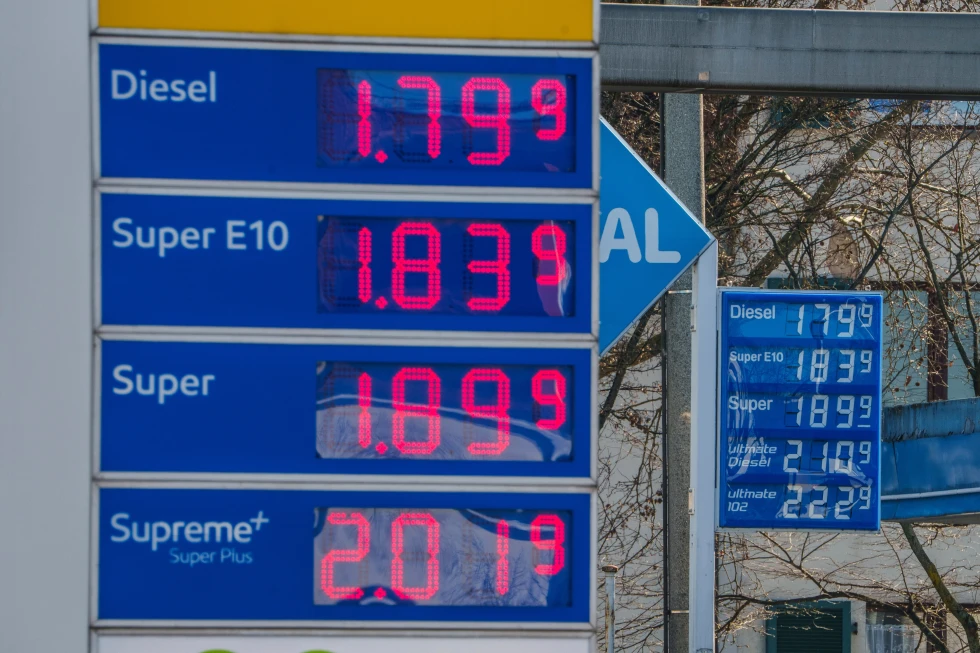
The crucial Strait of Hormuz — a narrow waterway between Oman and Iran — is one of the world’s most strategically important energy routes, carrying roughly 15–20 million barrels of oil daily.
When conflict intensified at the end of February 2026, Iranian forces effectively warned vessels to avoid the strait after joint U.S. and Israeli strikes hit Iranian territory and infrastructure. Tanker traffic fell dramatically as shipping companies and insurers balked at the risk. This sharp drop in transit translated immediately into higher crude futures because traders fear sustained supply disruption.
In recent trading, Brent crude briefly jumped over $80 per barrel — its highest in over a year — and U.S. West Texas Intermediate (WTI) surged as well. Analysts indicate that sustained disruption could push prices to $90–$100 or even higher, depending on how long shipping interruptions continue.
Stock Markets and Risk Assets React Sharply
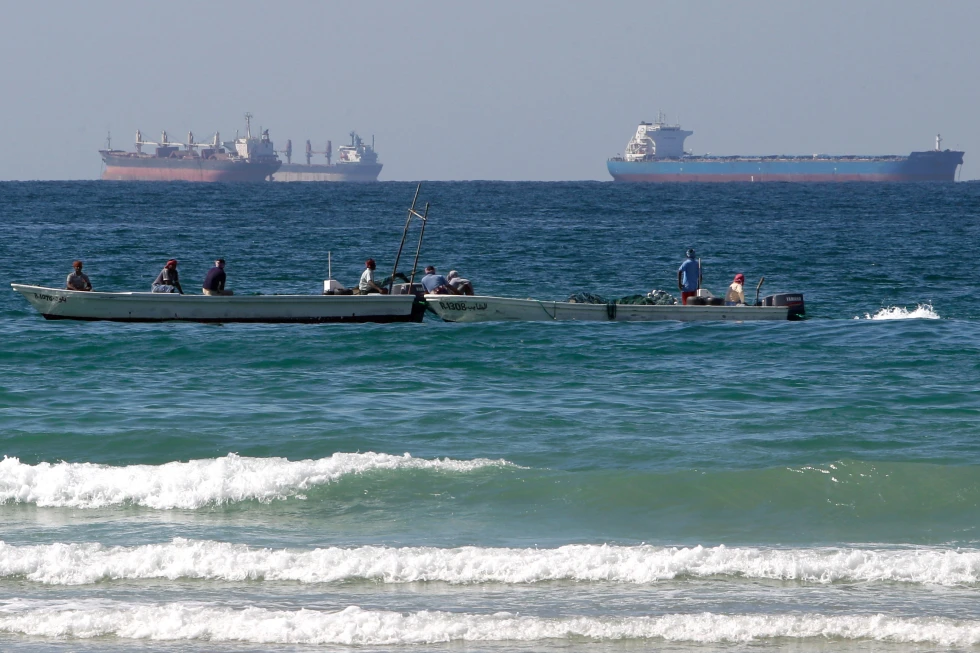
Global financial markets have taken the oil spike seriously. Major indices like the Dow Jones and S&P 500 opened lower as traders weighed rising energy costs and broader economic risk. Safe-haven assets such as gold strengthened while equities, especially in energy-importing economies, lost ground.
Investors are growing worried that higher crude prices could feed into inflation just as central banks and governments sought economic stability. Increased inflation tends to reduce consumer spending power and can force policymakers to delay interest rate cuts, slowing economic growth.
Markets in the Gulf region have been particularly volatile — with trading halted or sharply limited in places like the United Arab Emirates amid heightened geopolitical tensions.
Gasoline and Consumer Energy Prices Poised to Rise
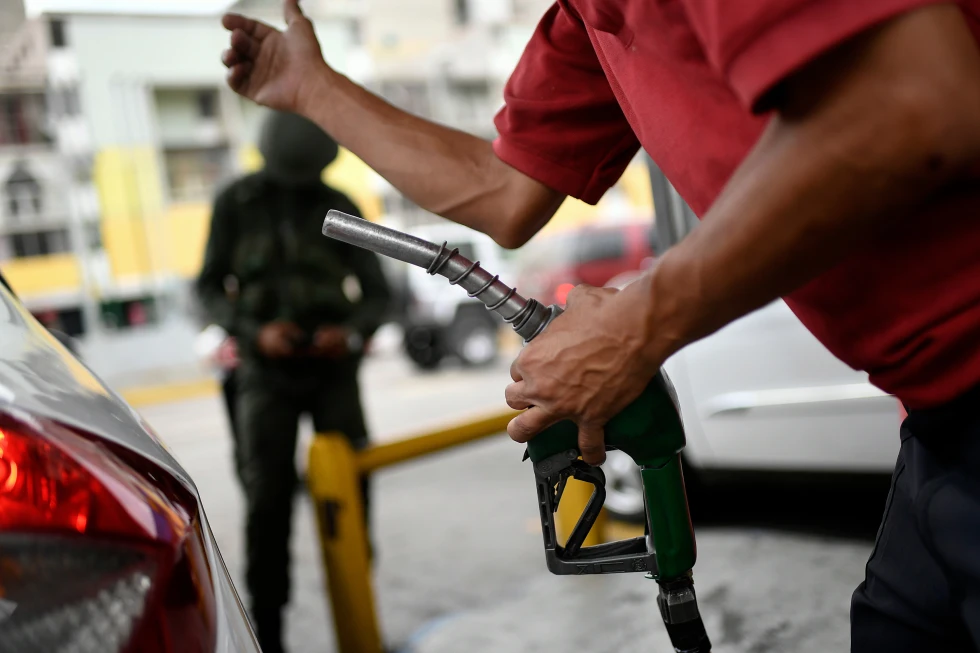
Oil market moves rarely stay confined to crude benchmarks; they ripple down into refined products like gasoline and diesel, affecting everyday consumers. U.S. gasoline prices are expected to rise by 10 to 30 cents per gallon on average in the near term, with some areas seeing even higher spikes if crude remains elevated.
Natural gas, heavily used for heating and electricity, has also risen significantly because of fears of supply disruptions and reduced LNG flows through the strait. European and Asian gas prices jumped by over 20–40% in early March trading.
These increases could push broader energy inflation, forcing businesses and households to pay more — especially in import-dependent countries like India, Europe, and many Asian markets.
How This Conflict Impacts Global Economies
Beyond oil and gasoline, the ripple effects of this escalation are global:
- Energy Importers: Countries reliant on imported crude — such as India and Europe — face widening trade deficits, costlier fuel subsidies, and pressure on currency values.
- Consumer Spending: Higher fuel costs reduce disposable income, slowing growth in other economic sectors. Economists warn this could dampen global growth if prices stay higher longer.
- Inflation Stress: Central banks may delay easing monetary policy, which could force prolonged higher borrowing costs for businesses and households.
Some investment banks view certain energy stocks as short-term opportunities, but they also caution that macro risks remain if crude prices spike further.
What Happens Next: Scenarios for Markets and Energy
There are several possible pathways forward:
Worst-Case Scenario: A longer blockade of the Strait of Hormuz could effectively slash global oil flows, sending crude prices above $100 per barrel, pushing inflation higher globally, and forcing economic slowdowns.
Moderate Scenario: Limited resumption of shipping and diplomatic progress could reduce risk premiums, easing oil prices back toward pre-conflict levels — though costs may remain elevated compared with early 2026 averages.
Market Adjustment: OPEC+ has announced modest output increases to help cushion supply gaps, but spare capacity remains limited. Long-term balance largely depends on how soon regional tensions subside.
Subscribe to trusted news sites like USnewsSphere.com for continuous updates.