
Gen Z fears AI taking jobs — but here’s how smart people are turning it into wealth by adapting faster, learning AI-driven skills, and leveraging new income opportunities created by automation. While job displacement concerns are real, the bigger financial shift is happening in how individuals use AI to grow income instead of losing it.
This topic matters now more than ever because AI adoption is accelerating across industries like finance, marketing, customer service, and software development. Companies are investing billions into automation, and workers who fail to adapt risk being left behind in a rapidly evolving job market.
AI is impacting jobs, why Gen Z is reacting strongly, and most importantly, how you can turn this disruption into a long-term financial advantage through smart career moves, investments, and digital income strategies.
Understanding Why Gen Z Fears AI in the Workplace
Gen Z has grown up during rapid technological change, but AI feels different because it directly threatens entry-level roles. Jobs like data entry, content moderation, customer support, and even junior-level coding are increasingly being automated. This creates uncertainty for workers just entering the job market.
Another major factor is visibility. Unlike past automation waves, AI tools are now highly visible and accessible. Employees can see tools replacing tasks in real time, which increases anxiety. This leads to resistance, hesitation, and in some cases, reduced adoption of AI tools inside organizations.
At the same time, many workers lack clear guidance on how to transition into AI-driven roles. Without proper training or direction, fear grows. However, this fear often comes from misunderstanding the real opportunity behind AI.
How AI Is Changing Jobs and Creating New Income Streams
AI is not just replacing jobs—it is reshaping them. Many roles are evolving rather than disappearing. For example, marketers now use AI tools for faster content creation, while analysts rely on AI for deeper insights. This shift increases productivity and creates higher-value roles.
The key change is that routine tasks are being automated, allowing humans to focus on decision-making, creativity, and strategy. This creates demand for hybrid skills—people who understand both technology and business.
New income streams are also emerging. Freelancers are using AI to scale services, entrepreneurs are launching AI-based businesses, and investors are profiting from companies leading the AI revolution. Instead of job loss, there is a transition toward smarter income generation.

Step-by-Step: How Smart People Are Turning AI Into Wealth
The first step is skill adaptation. Individuals who learn how to use AI tools like automation platforms, data analytics systems, and content generators gain a competitive advantage. These skills increase earning potential significantly in the modern job market.
The second step is leveraging AI for side income. Many professionals are using AI to start online businesses, such as content websites, digital marketing agencies, or e-commerce stores. AI reduces time and cost, making it easier to scale.
The third step is investing in AI-driven companies. Stocks in AI-related sectors, including cloud computing, semiconductors, and automation software, have shown strong growth potential. Investors who understand these trends can benefit financially over time.
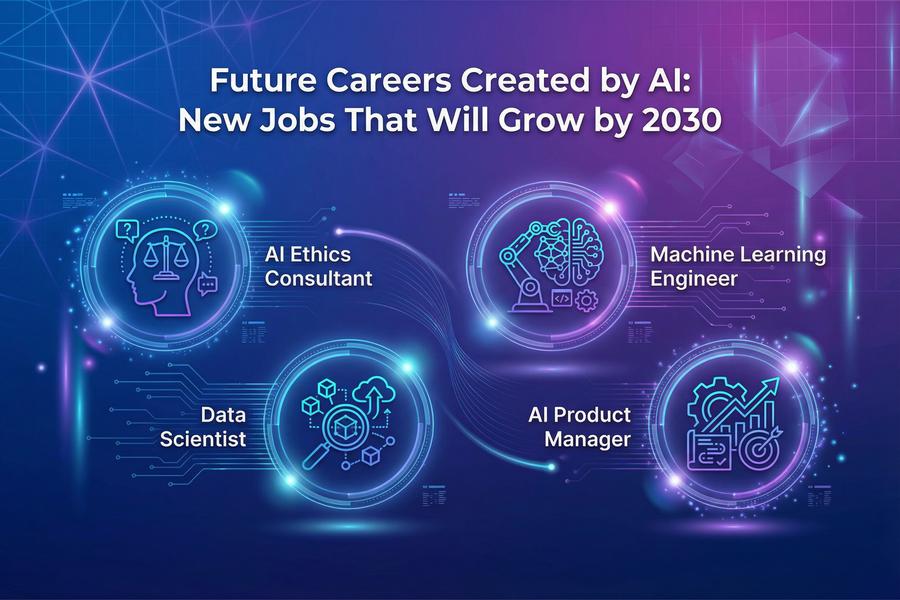
The fourth step is positioning for future roles. Jobs like AI specialists, automation consultants, and data strategists are growing rapidly. Preparing for these roles ensures long-term career stability and higher income potential.
Benefits and Risks of AI-Driven Career Shifts
One of the biggest benefits is increased productivity. AI allows individuals to accomplish more in less time, which directly translates into higher earning potential. This is especially important for freelancers and business owners.
Another advantage is scalability. AI tools can automate repetitive work, allowing businesses to grow without significantly increasing costs. This creates opportunities for higher profit margins.
However, there are risks. Over-reliance on AI without understanding core skills can lead to long-term limitations. Additionally, industries heavily dependent on automation may experience job volatility.
There is also a learning curve. Individuals who fail to adapt quickly may struggle to compete in the evolving job market. This makes continuous learning essential for long-term success.

Financial Impact: How AI Can Increase or Reduce Your Income
AI can significantly increase income for those who adapt. For example, a freelance writer using AI tools can produce 3–5 times more content, potentially increasing monthly earnings from $2,000 to $6,000 or more.
In the corporate world, professionals with AI skills often command higher salaries. Roles involving automation or data analysis can offer salaries ranging from $80,000 to over $150,000 annually in the USA.
On the investment side, AI-related stocks and ETFs have shown strong performance. Companies involved in AI infrastructure, such as chip manufacturing and cloud computing, are attracting major investor interest.
However, income reduction is possible for those who do not adapt. Workers in roles heavily impacted by automation may see reduced demand, leading to lower wages or job displacement.
Comparing Traditional Career Paths vs AI-Driven Opportunities
Traditional career paths often rely on fixed roles and predictable growth. While stable, they may lack flexibility and scalability. Employees typically depend on promotions and salary increments for income growth.
AI-driven opportunities, on the other hand, offer faster growth potential. Individuals can create multiple income streams, including freelancing, digital businesses, and investments.
The key difference is control. AI empowers individuals to take control of their income rather than relying solely on employers. This shift is one of the biggest financial transformations of the modern economy.
Expert Strategies to Stay Ahead in the AI Economy
The most important strategy is continuous learning. Staying updated with AI tools, trends, and applications ensures long-term relevance in the job market.
Another key strategy is diversification. Relying on a single income source is risky in an AI-driven world. Building multiple income streams provides financial stability.
Networking and positioning are also crucial. Connecting with professionals in AI-related fields and showcasing your skills can open doors to high-paying opportunities.
Frequently Asked Questions
Is AI really replacing jobs permanently?
AI is transforming jobs rather than completely eliminating them. While some roles may disappear, new roles are being created at the same time. The key is adapting to these changes and acquiring relevant skills.
Workers who embrace AI often find better opportunities compared to those who resist it. The long-term impact depends on how individuals respond to technological change.
What skills are most valuable in an AI-driven economy?
Skills such as data analysis, AI tool usage, automation, and critical thinking are highly valuable. These skills complement AI rather than compete with it.
Soft skills like communication and creativity also remain important because they cannot be easily automated.
Can beginners make money using AI?
Yes, beginners can start with basic AI tools and gradually build skills. Many people are earning through freelancing, content creation, and online businesses powered by AI.
Consistency and learning are key factors in turning AI into a reliable income source.
Which industries are most affected by AI?
Industries like customer service, marketing, finance, and technology are heavily impacted. Automation is reducing repetitive tasks while increasing demand for strategic roles.
Healthcare and education are also seeing significant changes due to AI integration.
Is investing in AI companies a good idea?
Investing in AI companies can be profitable, but it requires research. Companies involved in AI infrastructure and software are experiencing strong growth.
Diversifying investments and focusing on long-term trends can reduce risk.
How can I protect my income from AI disruption?
The best way to protect income is by upgrading skills and staying adaptable. Learning how to use AI tools instead of avoiding them provides a competitive advantage.
Building multiple income streams also reduces dependency on a single job.
AI is not just a threat—it is one of the biggest financial opportunities of this decade. While Gen Z fears job loss, those who understand the shift are already positioning themselves for higher income, smarter careers, and long-term wealth creation.
The future belongs to individuals who adapt, learn, and take action. By embracing AI instead of resisting it, you can turn uncertainty into opportunity and build a stronger financial future.
Subscribe to trusted news sites like USnewsSphere.com for continuous updates.