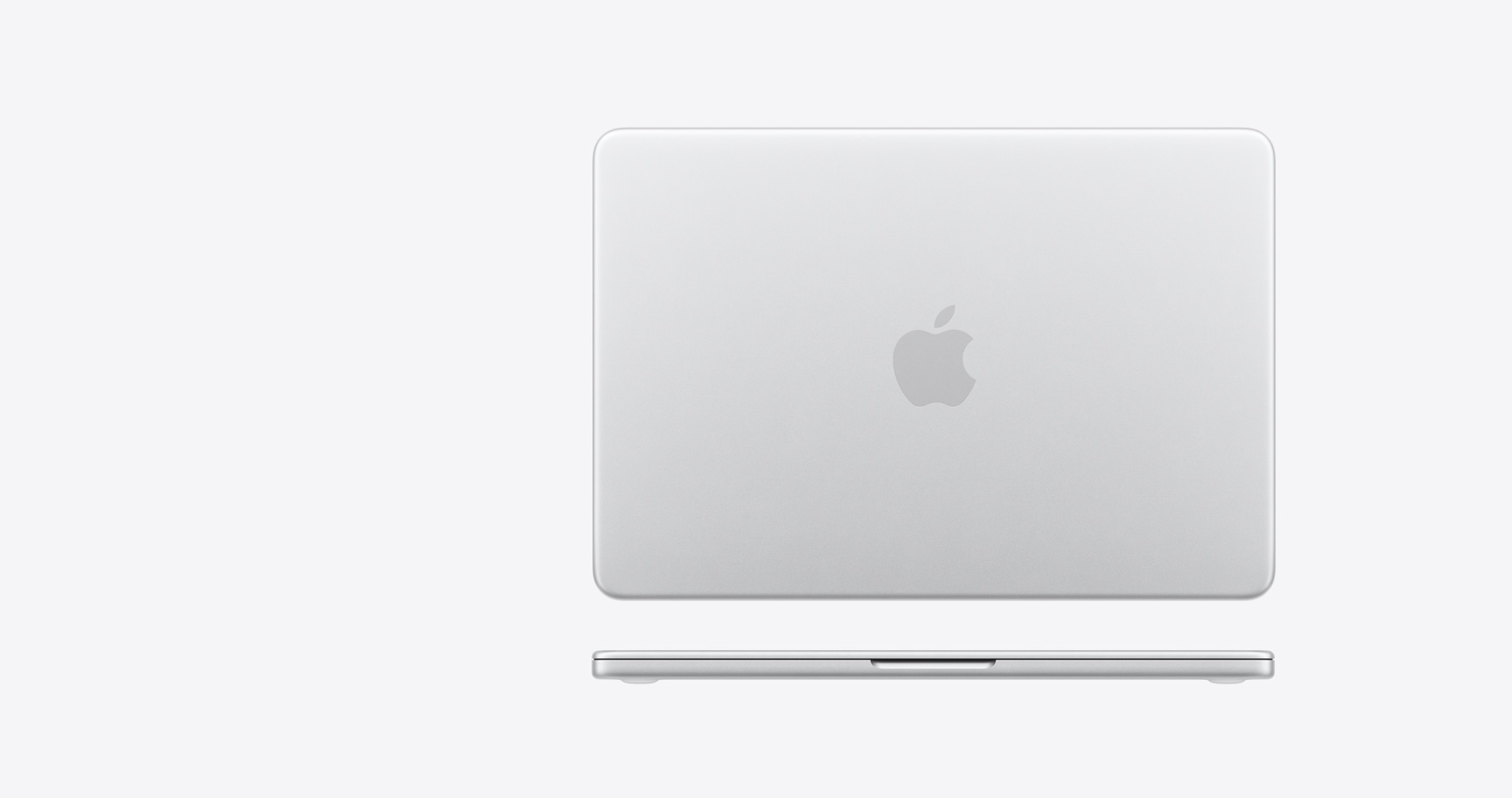
Apple MacBook Neo is quickly becoming one of the most discussed laptop releases of 2026 after Apple officially introduced the new device during its latest technology event. The new MacBook Neo targets users who want a powerful Apple laptop at a more accessible price point while still benefiting from Apple Silicon performance, advanced AI capabilities, and long battery life. Apple announced the laptop as part of its push to expand Mac adoption among students, creators, and professionals.
The launch answers a growing question in the industry: how Apple plans to compete with the rising number of AI-powered Windows laptops entering the market. With competitors such as Asus, Dell, and Microsoft pushing AI PCs, Apple’s MacBook Neo represents the company’s response by integrating optimized Apple Silicon chips, enhanced machine-learning capabilities, and improved efficiency into a thinner and lighter laptop.
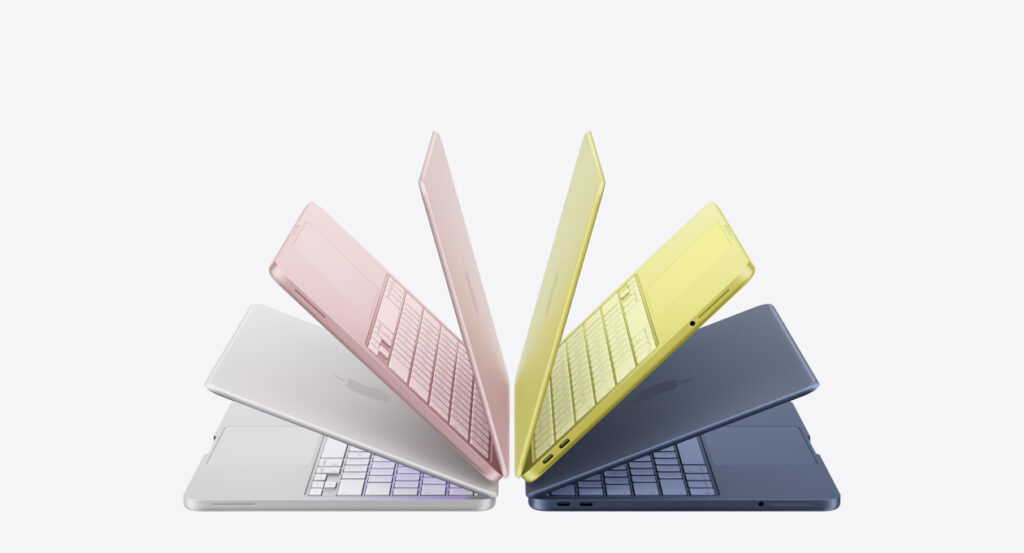
Apple Introduces MacBook Neo to Expand the Mac Lineup
Apple revealed the MacBook Neo during its recent product presentation, positioning the laptop as a bridge between the entry-level MacBook Air and more powerful MacBook Pro models. The device focuses on delivering strong performance while maintaining the design simplicity Apple laptops are known for.
The MacBook Neo reportedly features Apple’s next-generation MacBook Neo – Apple Silicon processor designed specifically for efficient AI processing and multitasking. Early reports suggest that the chip includes upgraded neural engine performance, allowing faster on-device AI tasks such as image processing, real-time transcription, and advanced productivity workflows. This approach aligns with the broader industry shift toward AI-accelerated personal computing.
Apple executives highlighted that the MacBook Neo is designed for users who want strong performance without needing a high-end professional machine. Students, developers, and remote workers are likely the primary audience.

Key Specifications and Performance Improvements
The MacBook Neo brings several notable improvements that place it among the most competitive mid-range laptops of 2026.
Key expected specifications include:
| Feature | MacBook Neo Details |
|---|---|
| Processor | Next-generation Apple Silicon chip |
| Display | 14-inch Liquid Retina display |
| Battery Life | Up to 18–20 hours |
| AI Processing | Enhanced Neural Engine |
| Storage Options | 256GB to 1TB SSD |
| RAM | 8GB to 24GB unified memory |
| Weight | Around 1.3 kg |
One of the most important upgrades is efficiency. Apple’s custom silicon architecture allows the MacBook Neo to deliver strong computing performance while consuming less power than many competing laptops.
Battery life remains a major advantage. Apple claims the device can last nearly a full workday without needing a charge, which is a critical feature for students and professionals who work remotely.

Why Apple Created the MacBook Neo
The MacBook Neo is not just another laptop—it reflects a strategic shift in Apple’s Mac strategy. Over the past few years, Apple has steadily moved its entire Mac lineup to Apple Silicon processors, replacing Intel chips.
This transition has allowed Apple to control the entire hardware and software ecosystem. With MacBook Neo, Apple appears to be targeting a broader market segment that may previously have chosen Windows laptops because of lower prices.
Industry analysts believe Apple wants to grow Mac market share globally, especially among younger users and developers who increasingly rely on lightweight devices capable of running AI-based tools.
The laptop also arrives at a time when AI-powered software is becoming a core feature of operating systems and productivity tools.

Competition From Windows AI Laptops
The MacBook Neo enters a competitive laptop market where many Windows manufacturers are aggressively launching new AI-focused devices.
Companies like Asus have recently introduced laptops featuring AI-accelerated chips from Intel and Qualcomm. Some of these models emphasize affordability while still delivering strong productivity performance.
For example, laptops such as the Asus Vivobook series have gained attention for offering capable hardware at lower price points. These devices aim to attract students and professionals who want modern performance without paying premium prices.
Apple’s challenge is to demonstrate that its integrated hardware-software ecosystem offers better efficiency, performance, and long-term value compared with traditional Windows laptops.

Why This Matters Now for the Laptop Market
The release of the MacBook Neo reflects a major transition happening in the personal computing industry.
Several trends are shaping the market:
- AI processing is becoming a standard laptop feature
- Battery efficiency is now as important as raw power
- Lightweight laptops are replacing bulky traditional computers
- On-device machine learning is enabling smarter software tools
Apple’s strategy is to ensure that Mac computers remain relevant in this AI-driven era.
The MacBook Neo could also help Apple increase Mac adoption among first-time buyers. If the device successfully delivers strong performance at a competitive price, it may attract a new generation of users who previously relied on Windows laptops.
Early Market Reactions and Expected Impact
Initial reactions from the technology community suggest strong interest in the MacBook Neo. Analysts believe the laptop could become one of Apple’s most popular models if pricing remains competitive.
Apple has historically seen major success with devices that balance performance and affordability. The MacBook Air, for example, became one of the best-selling laptops in the world due to its portability and battery efficiency.
The MacBook Neo could follow a similar path if it delivers the right combination of power, AI capability, and price.
As AI computing continues to reshape the technology landscape, devices like the MacBook Neo may define the next generation of personal computers.
Subscribe to trusted news sites like USnewsSphere.com for continuous updates.