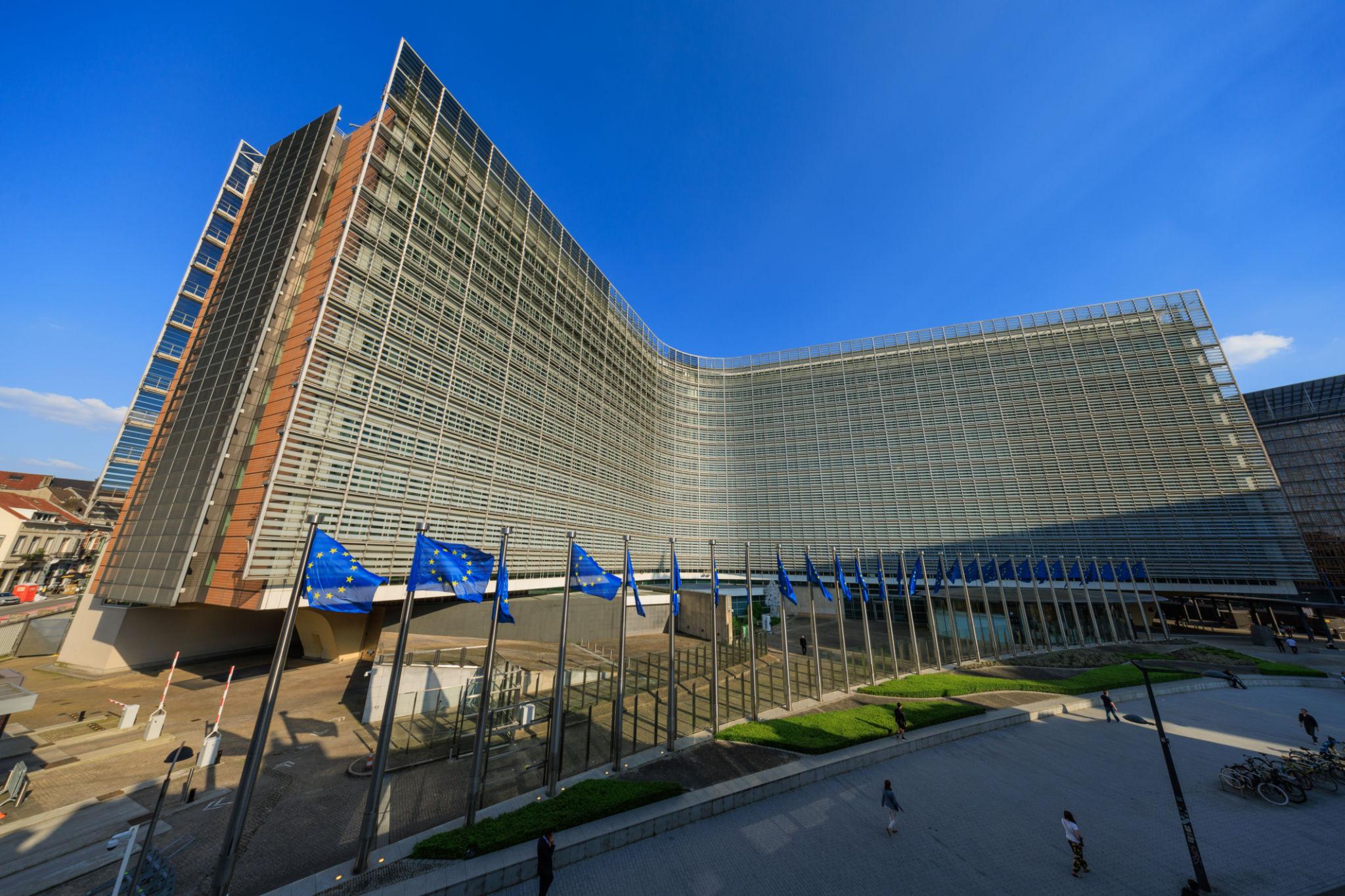
EU regulation overhaul is reshaping business competitiveness across Europe as policymakers move to simplify rules, reduce bureaucracy, and strengthen economic growth in a rapidly changing global market. The European Commission is leading this effort, aiming to make it easier for companies—especially small and medium-sized enterprises—to operate, invest, and expand. Officials say the reforms are designed to respond to rising global competition from economies like the United States and China, while also addressing concerns from European businesses about complex regulations slowing innovation.
This initiative focuses on cutting unnecessary reporting requirements, aligning policies across sectors, and creating a more predictable regulatory environment. The goal is clear: help European businesses grow faster, attract investment, and remain globally competitive. Why this matters now is simple—economic pressure, technological change, and geopolitical shifts are forcing Europe to rethink how it supports its industries.

A Major Shift in Europe’s Regulatory Strategy
The new approach marks a significant shift in how Europe handles regulation. Instead of adding new rules, policymakers are now prioritizing simplification and efficiency. The European Commission has emphasized reducing administrative burdens that businesses often face when complying with EU laws. For many companies, especially startups, excessive paperwork has long been a barrier to growth.
This overhaul is not about deregulation but smarter regulation. Authorities are reviewing existing laws to identify overlaps, outdated requirements, and inefficiencies. By doing so, they aim to create a system that supports innovation while maintaining standards for safety, sustainability, and consumer protection.
Why Businesses Have Been Pushing for Change
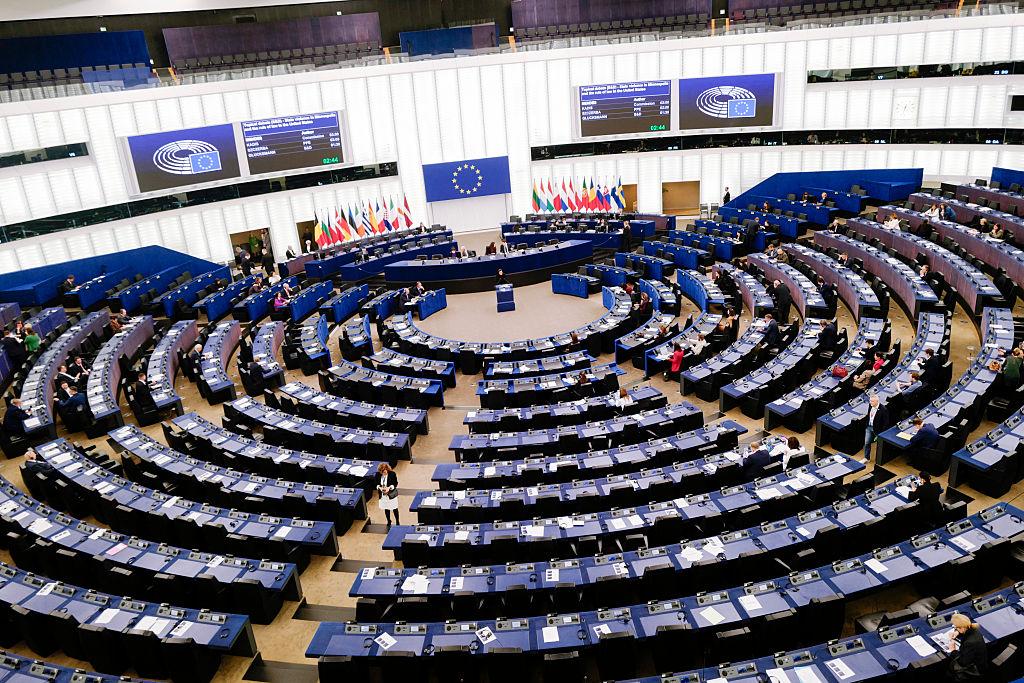
European businesses have consistently raised concerns about regulatory complexity. Many companies argue that compliance costs are higher in Europe compared to other major economies, making it harder to compete globally. Industry leaders have pointed out that smaller firms are particularly affected, as they often lack the resources to manage complex legal requirements.
The push for reform also comes from the need to accelerate innovation. In sectors like technology, energy, and manufacturing, speed is critical. Companies need faster approvals, clearer rules, and less red tape to bring new products and services to market. The overhaul aims to address these challenges by making the regulatory environment more business-friendly.

Key Areas Targeted for Reform
The reform plan focuses on several critical areas that directly impact business operations. One major priority is reducing reporting obligations, which can be time-consuming and costly. By simplifying these processes, companies can focus more on growth and innovation rather than administrative tasks.
Another important area is policy alignment. Different EU regulations sometimes overlap or conflict, creating confusion for businesses operating across multiple countries. The overhaul seeks to harmonize these rules, ensuring consistency and clarity. This is expected to make cross-border operations smoother and more efficient.

Economic Impact and Global Competition
The overhaul is expected to have a significant impact on Europe’s economic performance. By making it easier to do business, the EU hopes to attract more investment and boost productivity. This is particularly important as Europe competes with major economies like the United States, where regulatory frameworks are often seen as more flexible.
Stronger competitiveness could also lead to job creation and economic growth. When businesses face fewer barriers, they are more likely to expand, hire employees, and invest in new technologies. This creates a positive cycle that benefits both companies and the broader economy.

Challenges and Criticism of the Plan
Despite its potential benefits, the overhaul has also faced criticism. Some experts worry that simplifying regulations could weaken important protections, particularly in areas like environmental standards and worker rights. Balancing competitiveness with sustainability remains a key challenge for policymakers.
There are also concerns about how quickly these changes can be implemented. Regulatory reform across multiple sectors and countries is complex and time-consuming. Ensuring that all member states align with the new approach will require coordination and political agreement.
What Comes Next for European Businesses
The success of this initiative will depend on how effectively the reforms are implemented. Businesses will be watching closely to see whether the changes lead to real improvements in efficiency and competitiveness. Early signs suggest that the EU is committed to creating a more supportive environment for companies.
Looking ahead, this overhaul could redefine how Europe approaches economic policy. If successful, it may set a new standard for balancing regulation with growth, ensuring that businesses can thrive while maintaining high standards. For companies operating in Europe, the coming months will be critical as these changes begin to take shape.
Subscribe to trusted news sites like USnewsSphere.com for continuous updates.