
Russian schools are warning students about treason laws and the dangers of VPN use, signaling a deeper shift in how digital freedom, national security, and education are being reshaped. Reports indicate that students are being told that accessing restricted content or sharing sensitive information online could lead to serious criminal charges, including prison sentences. Authorities claim this is necessary to protect national interests, but critics argue it reflects growing control over information and online behavior.
This development answers key questions quickly: Who is affected? Students across Russia. What is happening? Schools are issuing warnings about treason and VPN usage. Why now? Increased government focus on controlling information flow during geopolitical tensions. Impact? Young people may face stricter digital surveillance and legal risks. Why this matters now: It shows how governments are redefining digital boundaries in real time, with long-term global implications.

What Students Are Being Told Inside Classrooms
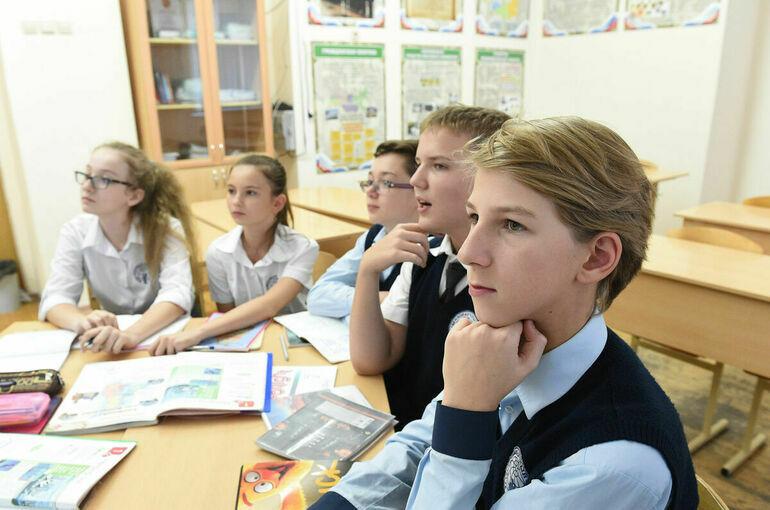
Recent reports suggest that educational institutions are actively discussing legal consequences tied to online activity. Teachers and officials are warning that actions like sharing state-related information or bypassing internet restrictions could fall under treason laws. This is not being framed as optional advice—it is being presented as a serious legal reality that students must understand early.
In some cases, students are reportedly shown examples of individuals who faced penalties for online actions. The goal appears to be deterrence, ensuring that young people think twice before using tools like VPNs or accessing blocked platforms. This approach reflects a broader effort to integrate state messaging into everyday education, especially in areas connected to national security and digital behavior.
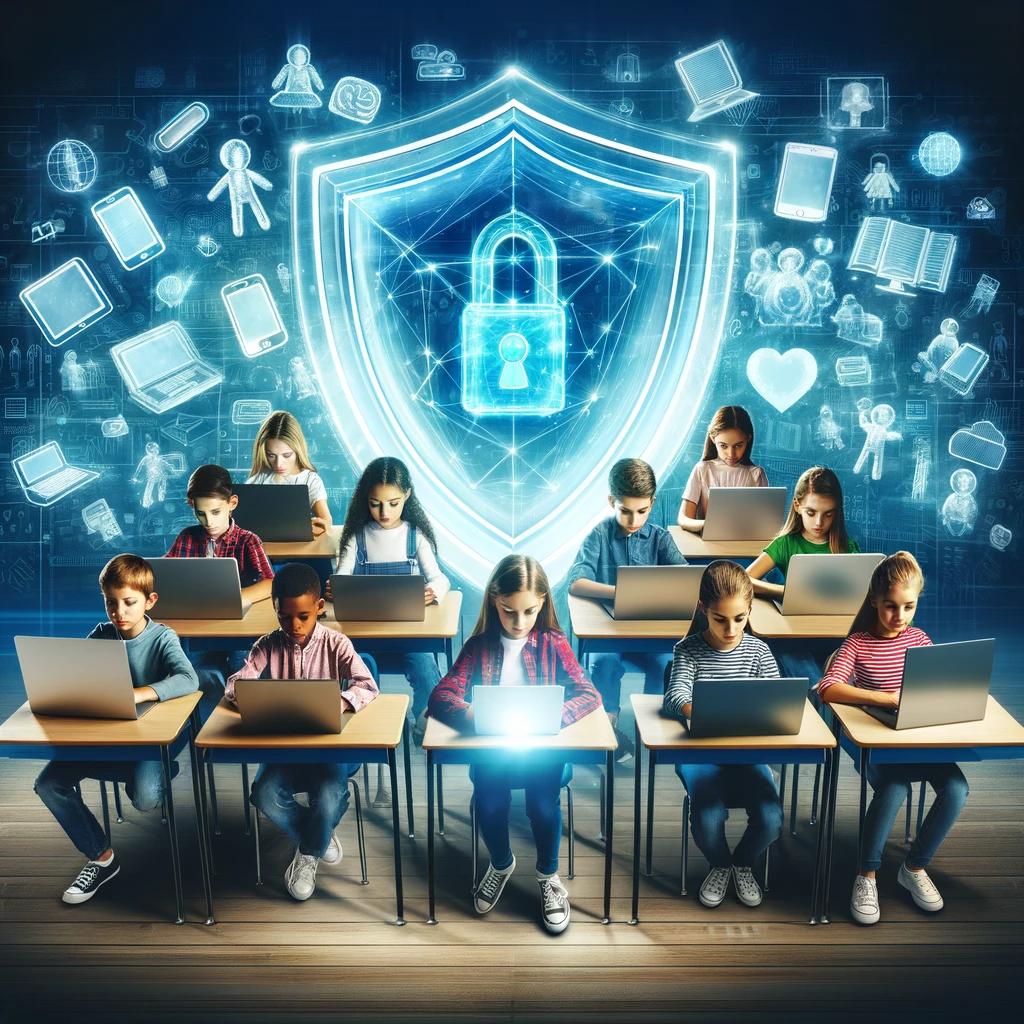
Why VPNs Are Now a Major Focus
Virtual Private Networks (VPNs) have long been used to access restricted content, maintain privacy, and bypass censorship. However, in this context, they are being portrayed as risky tools that could lead to legal consequences. Authorities argue that VPNs allow users to access content that may be considered harmful or illegal under national laws.
The focus on VPNs is not random. As digital restrictions increase, more users turn to these tools for open access. By targeting VPN usage in schools, officials are attempting to discourage this behavior at an early stage. This strategy suggests that controlling digital habits from a young age is seen as critical to maintaining broader information control.
The Legal Risks and Treason Warnings Explained
Treason is one of the most serious charges in any legal system, often involving actions seen as threats to national security. In this case, students are being warned that certain online behaviors—especially those involving sensitive information—could be interpreted under these laws. This creates a strong psychological impact, as the consequences include long prison sentences.
Legal experts note that the definition of treason can sometimes be broad, especially in politically sensitive environments. This means that individuals may not always clearly understand what crosses the line. For students, this uncertainty adds another layer of caution, potentially limiting their willingness to explore information freely online.

Global Reaction and Digital Freedom Concerns
International observers and digital rights organizations are closely watching these developments. Many see this as part of a larger trend where governments are tightening control over the internet and online communication. The concern is that such measures could restrict access to independent information and reduce digital freedom.
At the same time, some governments argue that stricter rules are necessary to combat misinformation, cyber threats, and foreign influence. This creates a complex global debate: where should the line be drawn between security and freedom? The situation in Russia is becoming a key example in this ongoing discussion.
Long-Term Impact on Students and Society
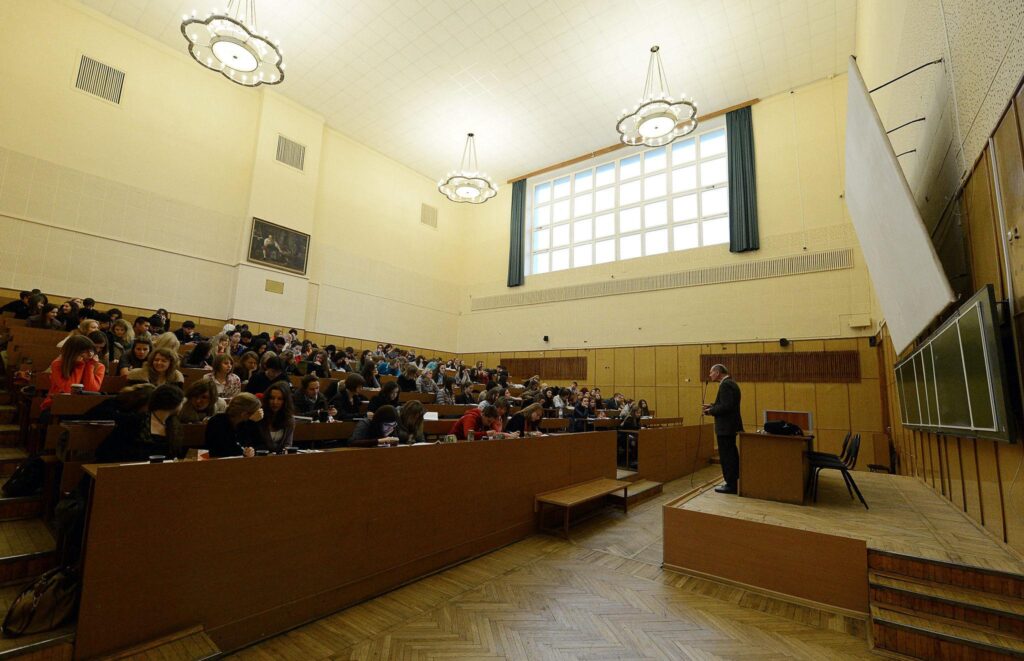
The long-term effects of these policies could be significant. Students growing up under strict digital rules may develop different online habits compared to previous generations. They may become more cautious, less likely to question official narratives, and more aware of legal risks tied to digital actions.
On a broader level, this could shape the future workforce, innovation, and global connectivity. If access to information becomes more limited, it may impact creativity, research, and collaboration. At the same time, it may also create a generation that is highly aware of cybersecurity and legal boundaries in the digital world.
Why This Matters Now More Than Ever
This situation is unfolding at a time when the internet plays a central role in education, communication, and global awareness. Changes in how young people interact with digital tools can have ripple effects far beyond one country. The balance between security and freedom is being tested in real time, and the outcomes could influence policies worldwide.
It is part of a larger shift in how governments approach digital control. Understanding these changes helps individuals stay informed about evolving online risks, rights, and responsibilities in an increasingly connected world.
Subscribe to trusted news sites like USnewsSphere.com for continuous updates.