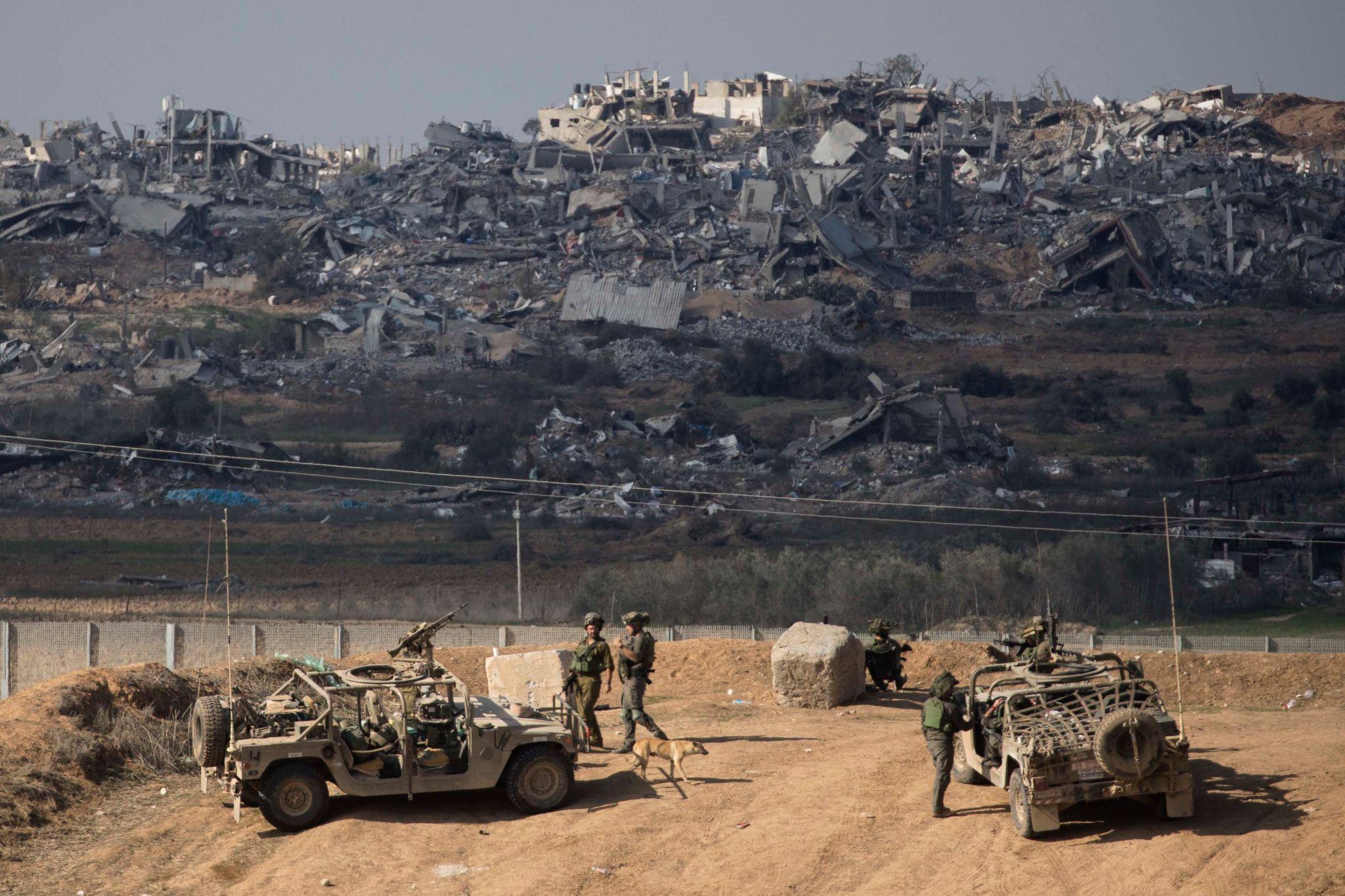
Israel defense news is once again dominating global headlines as fresh developments highlight escalating tensions, evolving military strategies, and growing geopolitical risks across the Middle East. Recent reports indicate that Israel is intensifying its defense posture amid increasing threats from regional adversaries, signaling a potential shift in both tactical operations and long-term security planning.
The situation has drawn attention not only from policymakers and military analysts but also from global investors and citizens seeking clarity on how these developments could reshape regional stability. With the involvement of major players such as the Israel Defense Forces and increasing concerns around Iran-backed groups, the stakes are higher than ever.
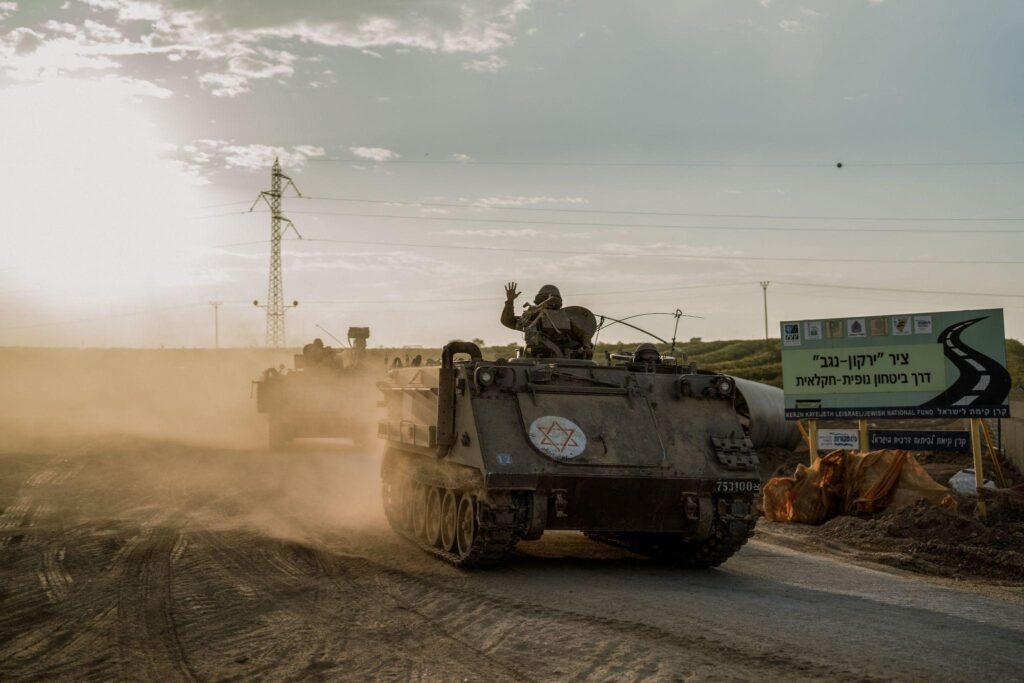
Escalation in Israel’s Defense Strategy
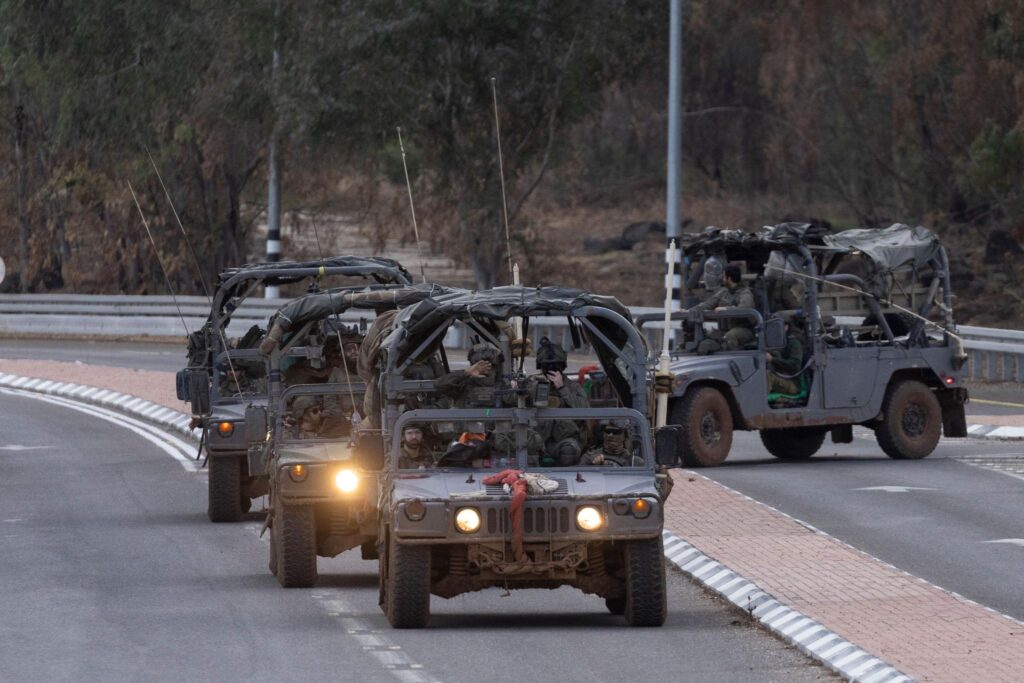
Israel’s defense establishment has significantly ramped up preparedness in response to mounting security threats. Military officials have emphasized readiness across multiple fronts, particularly in northern regions where tensions with Hezbollah have intensified. The Israel Defense Forces has reportedly increased troop deployment, enhanced surveillance systems, and strengthened border defenses.
This escalation is not occurring in isolation. Intelligence assessments suggest a growing coordination between hostile groups in the region, prompting Israel to adopt a more proactive defense posture. Air defense systems, including the well-known Iron Dome, have been placed on high alert, reflecting concerns about potential missile or drone attacks.
Additionally, Israel is investing in advanced military technologies, including AI-driven intelligence systems and precision-guided weaponry. These advancements are aimed at maintaining strategic superiority while minimizing civilian risk during operations.
Regional Dynamics and Iran’s Role
One of the central factors influencing Israel’s current defense strategy is the role of Iran. Israeli officials have repeatedly warned about Iran’s expanding influence in the region, particularly through proxy groups such as Hezbollah and other militias.
Recent intelligence suggests that Iran continues to supply advanced weaponry, including drones and missile systems, to its allies. This has raised alarms within Israel’s defense community, leading to preemptive actions designed to disrupt potential threats before they materialize.
The broader geopolitical environment also plays a critical role. Tensions between Iran and Western nations, including the United States, have created a volatile backdrop, increasing the likelihood of indirect confrontations. Israel’s strategy appears to be focused on deterrence, ensuring that adversaries understand the high cost of escalation.
Civilian Impact and National Preparedness
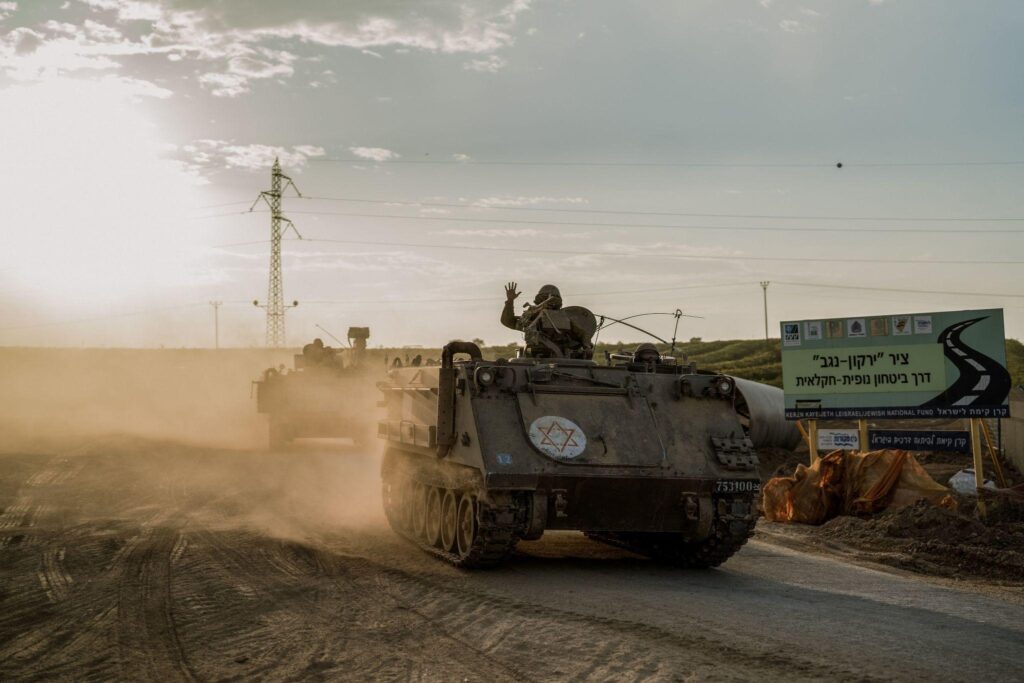
While military developments often dominate headlines, the impact on civilians is equally significant. In recent weeks, Israeli authorities have conducted nationwide emergency drills to prepare citizens for potential conflict scenarios. These drills include missile attack simulations, evacuation procedures, and public safety awareness campaigns.
Cities near conflict zones have seen increased shelter construction and infrastructure reinforcement. The government has also invested in public communication systems to ensure the rapid dissemination of information during emergencies.
This level of preparedness reflects a broader strategy aimed at resilience. By equipping civilians with knowledge and resources, Israel aims to reduce panic and maintain societal stability even in the face of potential conflict.
Global Reactions and Diplomatic Implications
The international community has been closely monitoring Israel’s defense moves. Countries such as the United States have reaffirmed their support for Israel’s right to defend itself, while also urging restraint to prevent a broader regional conflict.
Organizations like the United Nations have called for de-escalation, emphasizing the need for diplomatic solutions. However, the complexity of the situation makes immediate resolution unlikely.
European nations have expressed concerns about the potential economic impact of prolonged tensions, particularly on energy markets and global trade routes. Any disruption in the Middle East could have ripple effects worldwide, influencing oil prices and financial markets.
Military Technology and Strategic Advantage
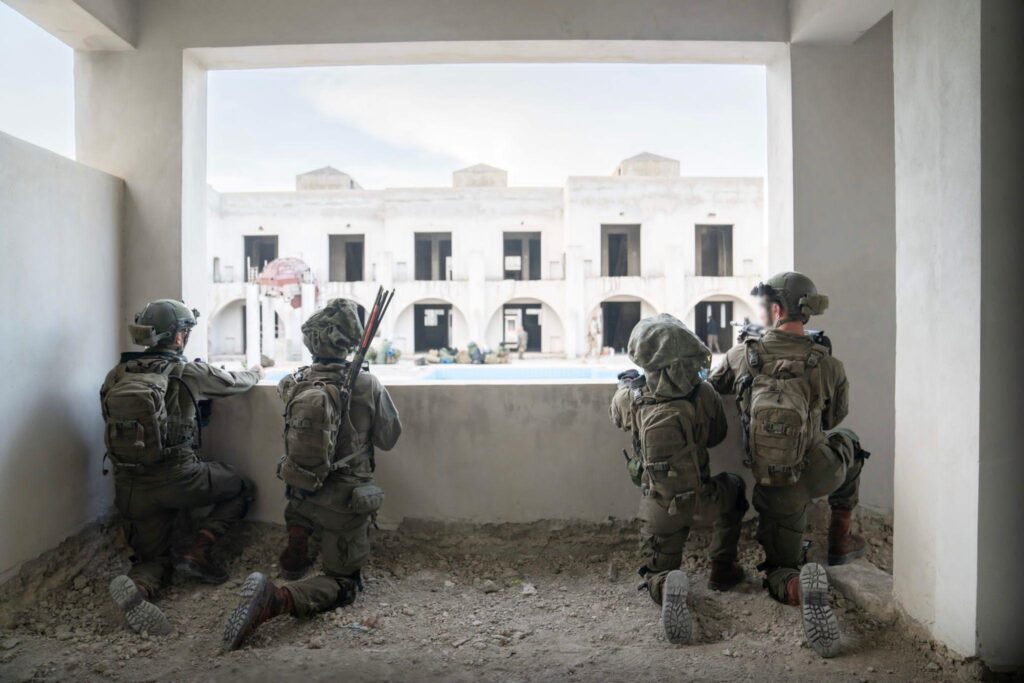
A key aspect of Israel’s defense strategy lies in its technological edge. The country has long been recognized as a leader in military innovation, and recent developments further reinforce this position.
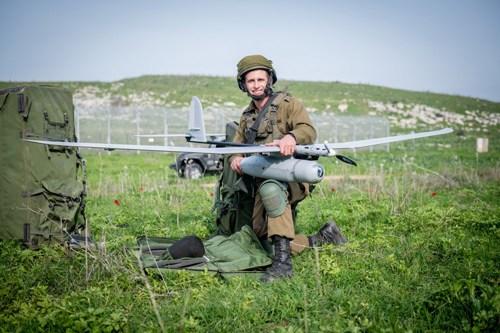
From cyber warfare capabilities to advanced drone systems, Israel continues to invest heavily in next-generation defense solutions. These technologies not only enhance operational efficiency but also provide a strategic advantage in asymmetric warfare scenarios.
For example, AI-powered intelligence systems allow for real-time threat analysis, enabling faster decision-making. Similarly, advancements in missile defense technology have significantly improved interception rates, reducing the risk of damage from incoming attacks.
Economic and Market Implications
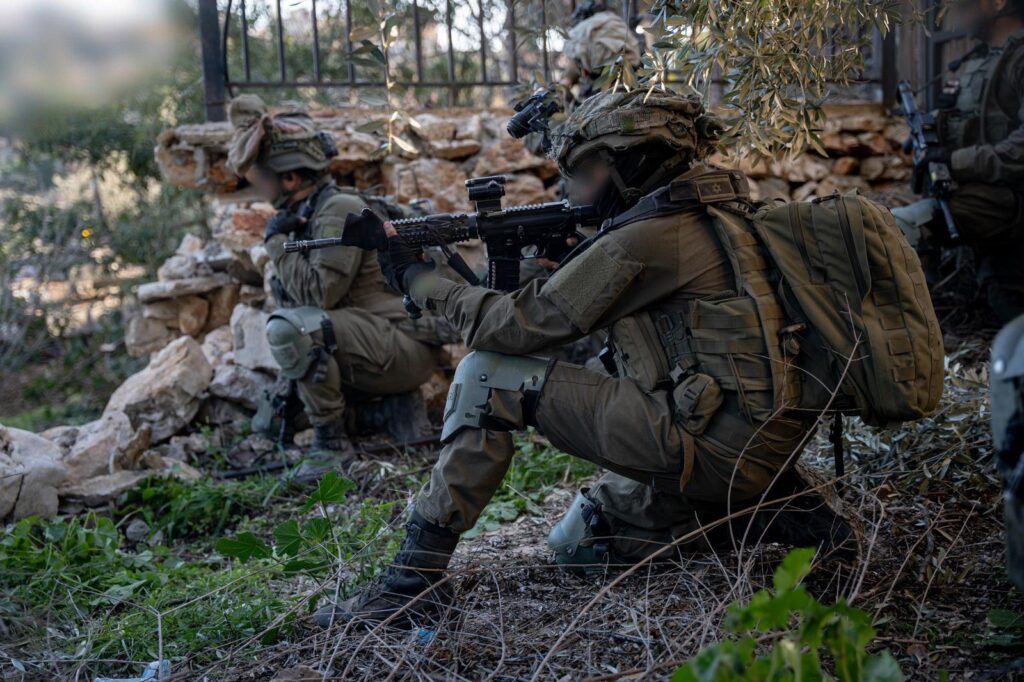
The ongoing defense developments have broader economic implications, particularly for global markets. Defense stocks often see increased activity during periods of geopolitical tension, and Israel’s situation is no exception.
Investors are closely watching companies involved in defense manufacturing, cybersecurity, and surveillance technology. At the same time, uncertainty in the region can lead to volatility in oil prices, impacting industries worldwide.
For businesses operating in or connected to the Middle East, risk management has become a top priority. Supply chain disruptions, currency fluctuations, and regulatory changes are all potential challenges that need to be addressed.
What This Means for You
For everyday readers, these developments highlight the importance of staying informed about global events. Whether you are an investor, a business owner, or simply a concerned citizen, understanding the dynamics of Israel’s defense strategy can provide valuable insights.
If you are involved in financial markets, increased geopolitical tension may create both risks and opportunities. Monitoring defense-related sectors and energy markets can help you make more informed decisions.
On a broader level, these events underscore the interconnected nature of today’s world. Developments in one region can have far-reaching effects, influencing everything from global trade to personal finances.
Investor Takeaway
From an investment perspective, the current situation presents a mix of caution and opportunity. Defense and cybersecurity sectors are likely to benefit from increased government spending, while energy markets may experience volatility.
Diversification remains key. Investors should consider balancing their portfolios to mitigate risk while taking advantage of potential growth areas. Keeping an eye on geopolitical developments can provide early signals for market movements.
Long-term investors may find value in companies that are well-positioned to benefit from sustained defense spending and technological innovation.
Future Outlook
Looking ahead, the trajectory of Israel’s defense strategy will largely depend on regional dynamics and diplomatic efforts. While short-term tensions may persist, there is always the possibility of de-escalation through negotiations.
However, the underlying issues driving these conflicts are complex and deeply rooted, suggesting that volatility may remain a defining feature of the region for the foreseeable future.
Israel is likely to continue investing in advanced defense technologies and strengthening alliances to maintain its strategic position. At the same time, global powers will play a crucial role in shaping the broader geopolitical landscape.
Conclusion
Israel defense news continues to evolve rapidly, reflecting a complex interplay of military strategy, regional politics, and global implications. As tensions rise and new developments emerge, staying informed is more important than ever.
This situation is not just about one country—it is a reflection of broader global challenges that affect economies, security, and international relations. By understanding these dynamics, readers can better navigate an increasingly uncertain world.
Subscribe to trusted news sites like USnewsSphere.com for continuous updates.