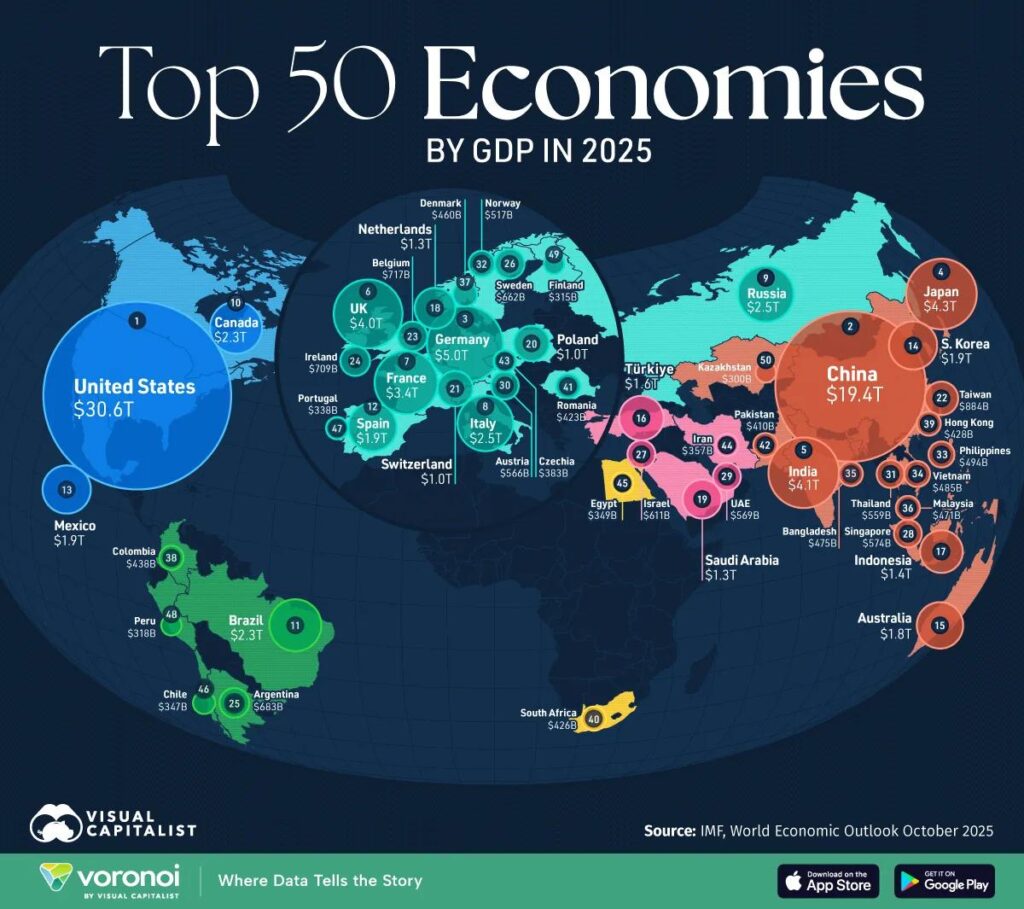
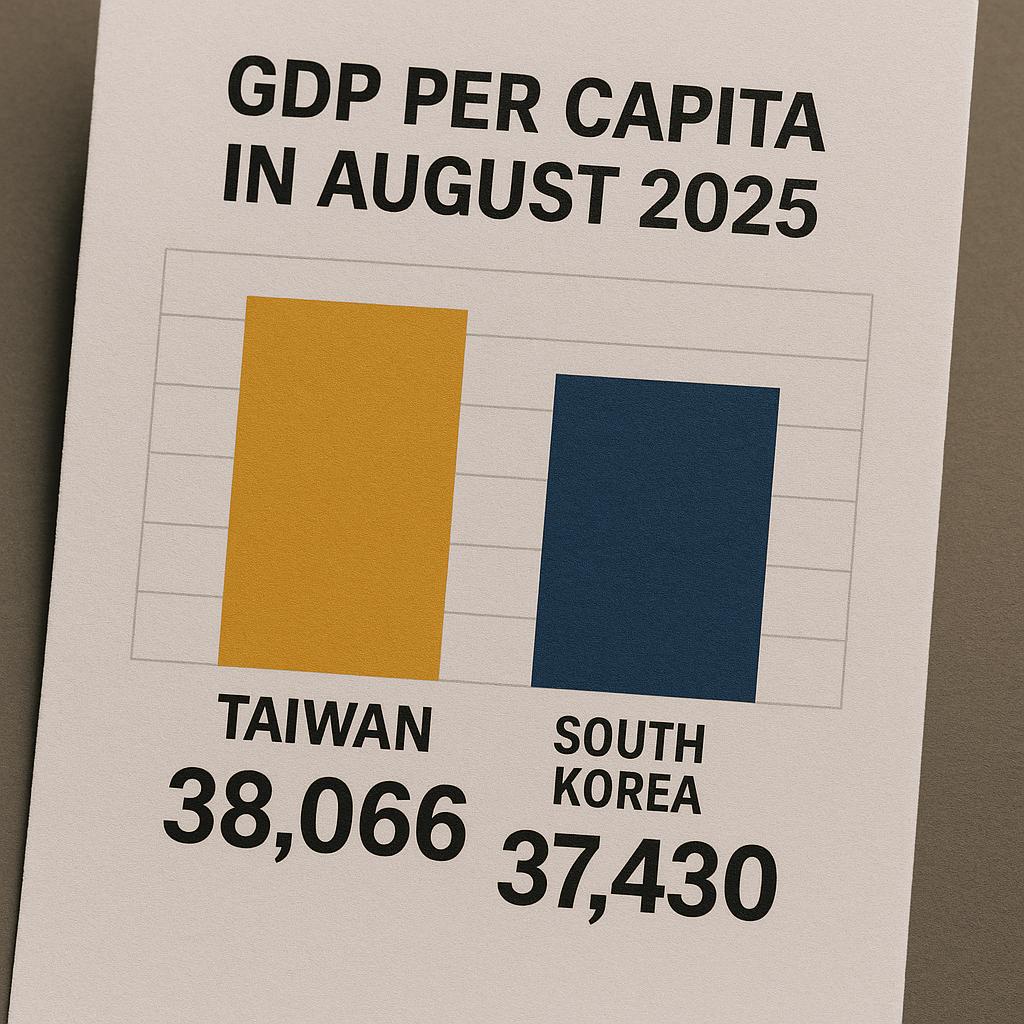
Taiwan’s economy, surpassing Canada’s, is now one of the most talked-about global economic developments, as Taiwan officially overtakes Canada to become the world’s 6th-largest economy. This shift reflects deeper changes in global trade, technology leadership, and economic power distribution.
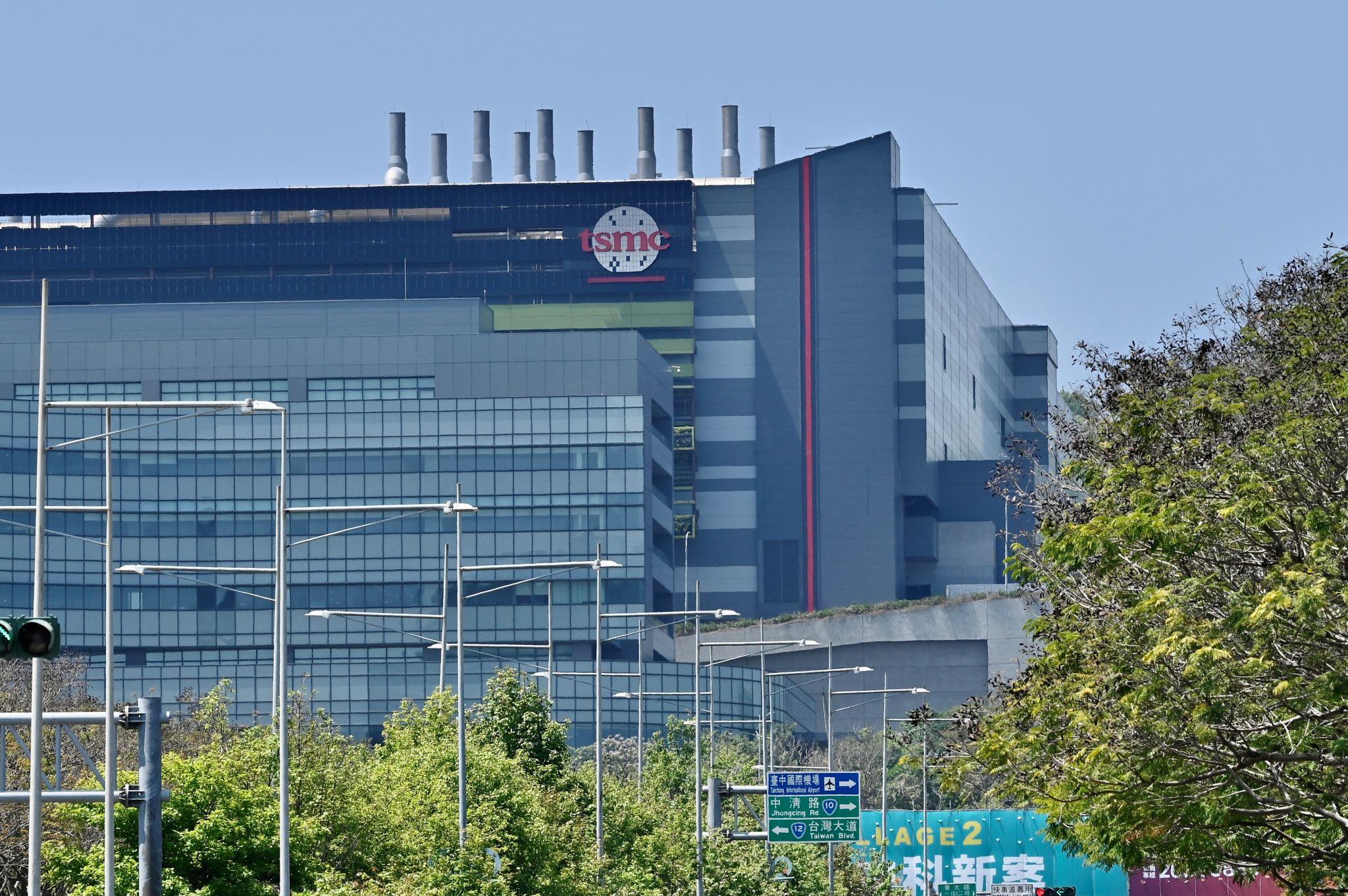
This matters now because Taiwan’s rise is driven largely by its dominance in semiconductor manufacturing, especially through companies like Taiwan Semiconductor Manufacturing Company. As global demand for chips powers AI, smartphones, and electric vehicles, Taiwan’s economy has accelerated faster than many developed nations. The impact reaches global markets, supply chains, and geopolitical strategies.
Why Taiwan’s Economic Growth Is Accelerating Rapidly
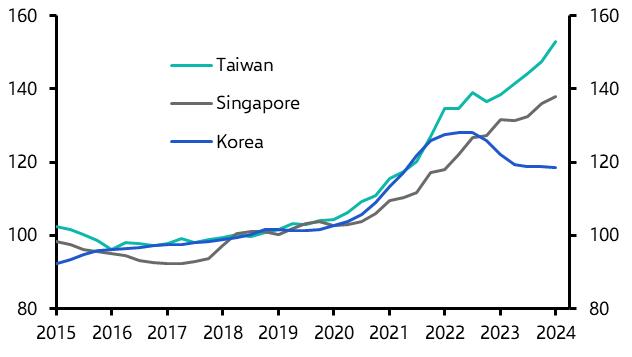
Taiwan’s economic expansion is not accidental—it is built on decades of strategic investment in advanced manufacturing, innovation, and exports. The island has become the backbone of the global semiconductor industry, producing over 60% of the world’s chips and nearly 90% of advanced chips.
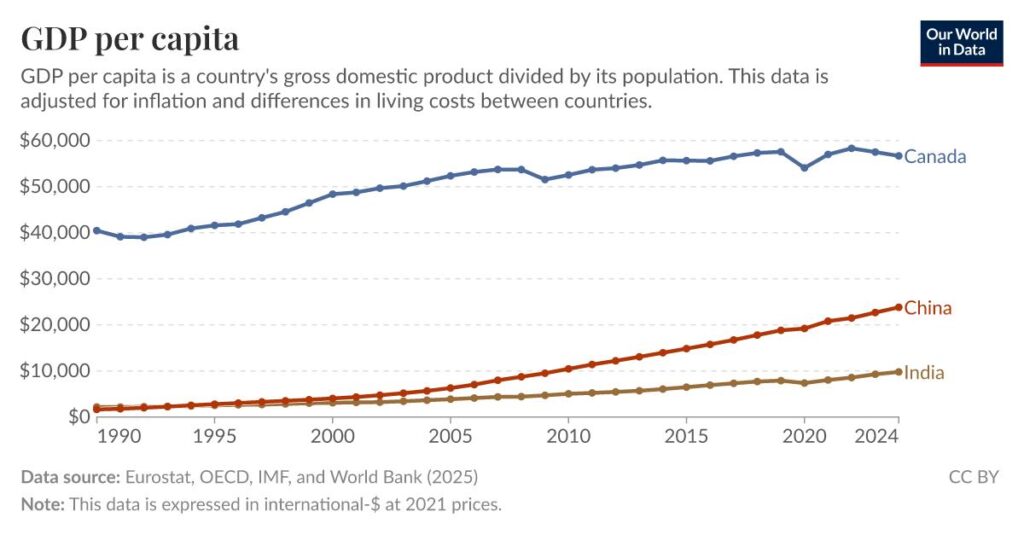
Another major factor is Taiwan’s strong export-oriented economy. Its trade relationships with countries like the United States, China, and European nations have created consistent revenue streams. In contrast, Canada’s economy, while stable, relies more on natural resources like oil and minerals, which can fluctuate with global commodity prices.
How Canada Lost Its Position in the Global Rankings
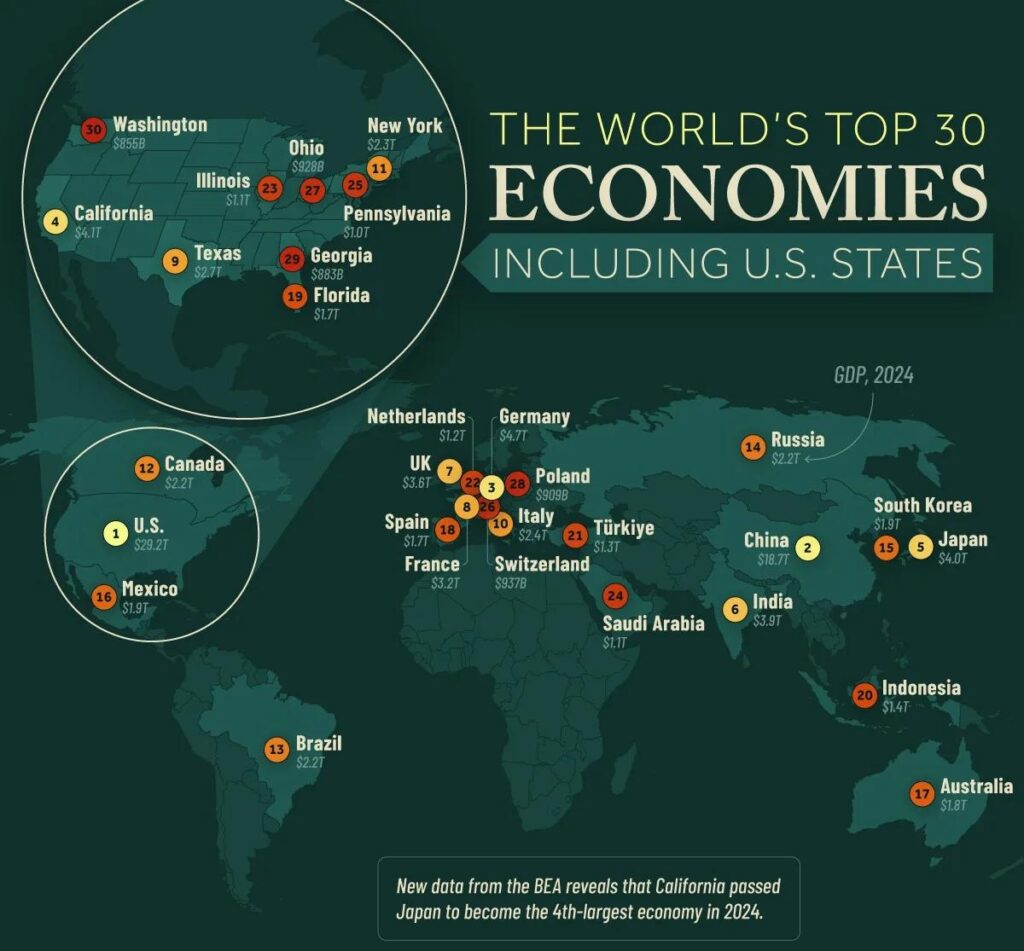
Canada remains one of the world’s most developed economies, but slower growth compared to Taiwan has caused it to slip in rankings. The Canadian economy heavily depends on sectors such as energy, real estate, and banking, which have faced challenges like interest rate hikes and reduced global demand.
Additionally, population growth and productivity gaps have slowed Canada’s GDP expansion. While Canada still maintains high living standards and strong institutions, Taiwan’s rapid innovation-driven growth has simply outpaced it in recent years.
The Role of Semiconductors in Taiwan’s Economic Dominance
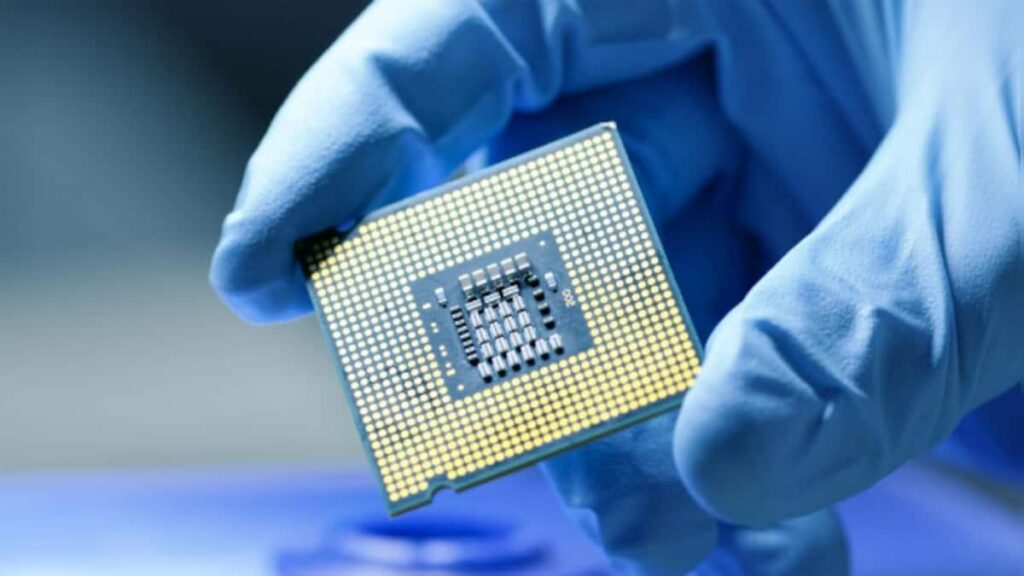
Semiconductors are at the center of Taiwan’s rise. Companies like TSMC manufacture chips that power everything from iPhones to AI systems. As artificial intelligence and automation expand globally, demand for these chips has surged dramatically.
This industry gives Taiwan a strategic advantage that very few countries possess. Even major economies like the United States and China rely heavily on Taiwanese chip production. This dependence not only boosts Taiwan’s GDP but also increases its global influence in technology and geopolitics.
Global Impact: What This Means for Markets and Investors
Taiwan’s rise signals a shift toward technology-driven economies dominating global rankings. Investors are increasingly focusing on sectors like semiconductors, AI, and advanced manufacturing, where Taiwan plays a leading role.
For global markets, this change highlights the importance of supply chain resilience. Any disruption in Taiwan—whether economic or geopolitical—could have ripple effects worldwide. This is why countries are now investing heavily in domestic chip production to reduce dependence on Taiwan.
Why This Matters Now for the Future Economy
This development is not just about rankings—it reflects the future direction of the global economy. Technology, innovation, and digital infrastructure are becoming more important than traditional resource-based industries. Taiwan’s growth is a clear example of this transition.
Looking ahead, Taiwan is likely to maintain its strong position if it continues investing in innovation and global partnerships. Meanwhile, countries like Canada may need to diversify their economies further to stay competitive in a rapidly evolving global landscape.
What Comes Next: Economic Power Shifts to Watch
The global economic order is changing faster than ever. Countries that lead in technology and innovation are gaining ground, while those relying on traditional industries face increasing pressure. Taiwan’s rise could inspire other nations to prioritize advanced manufacturing and digital transformation.
Future rankings may see more Asian economies climbing higher, especially those investing in AI, green energy, and high-tech production. This trend suggests that the next decade will be defined by technological leadership rather than natural resources alone.
Subscribe to trusted news sites like USnewsSphere.com for continuous updates.