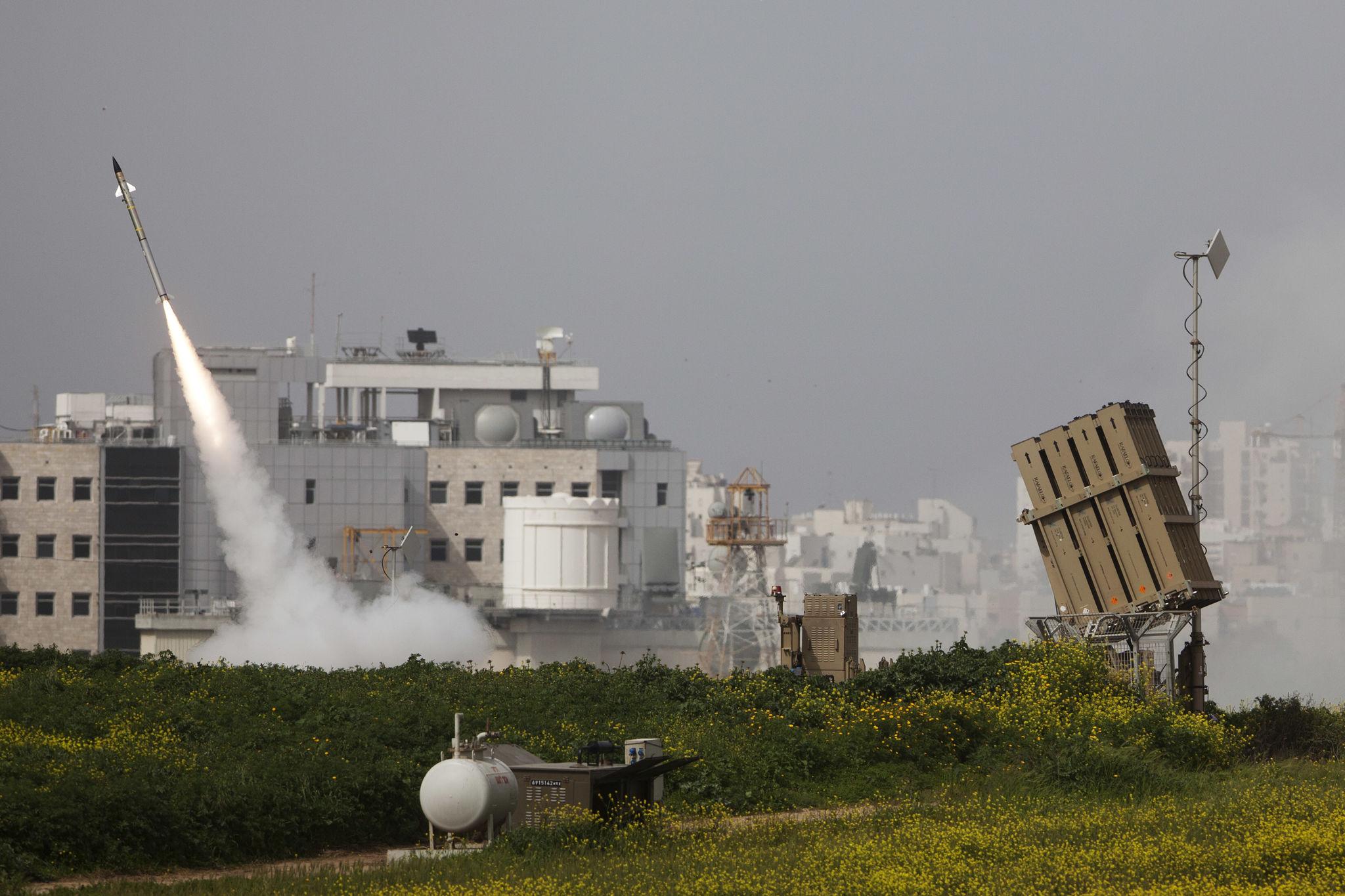
Israel Iron Dome UAE talks are reshaping Middle East security, signaling a possible new defense partnership that could change regional power dynamics in 2026. Reports indicate that Israel is exploring cooperation with the United Arab Emirates on advanced missile defense systems, including the globally recognized Iron Dome. The move comes amid rising regional tensions, evolving alliances, and increasing drone and missile threats. This development matters now because it reflects deeper normalization ties, expanding military cooperation, and a shift toward shared regional defense strategies that could impact global security and energy markets.
Growing Defense Cooperation Between Israel and the UAE


The relationship between Israel and the United Arab Emirates has evolved rapidly since the Abraham Accords. What began as diplomatic normalization has steadily expanded into economic, technological, and now defense collaboration. The potential Iron Dome discussions represent one of the most sensitive and strategic areas of cooperation so far.
The Iron Dome, developed by Rafael Advanced Defense Systems, is designed to intercept short-range rockets and drones. Its proven success in protecting Israeli cities has made it one of the most sought-after defense systems globally. If deployed or shared with the UAE, it would mark a historic expansion of Israel’s defense exports into the Gulf region.
Why the Iron Dome Matters in 2026


The importance of the Iron Dome has grown significantly as modern warfare increasingly relies on drones and low-cost missile attacks. In recent years, attacks on infrastructure and cities across the Middle East have highlighted vulnerabilities in traditional defense systems.
For the UAE, which has faced drone and missile threats in the past, investing in such a system could dramatically strengthen national security. It also aligns with broader efforts to build a multi-layered defense network capable of countering emerging threats. For Israel, expanding Iron Dome partnerships enhances its strategic influence and strengthens regional alliances against shared risks.
Strategic Motives Behind the Talks
The discussions are not just about defense technology—they reflect deeper geopolitical calculations. The Middle East is undergoing a transformation where countries are forming new alliances based on mutual security concerns rather than historical divisions.
A shared concern about regional instability and threats from non-state actors has pushed countries like Israel and the UAE closer together. By collaborating on missile defense, both nations can improve intelligence sharing, early warning systems, and coordinated responses to potential attacks.
This move also sends a strong global signal: regional powers are increasingly taking security into their own hands rather than relying solely on external forces. It highlights a shift toward self-reliance and strategic partnerships within the region.
Global and Economic Implications


The potential Iron Dome cooperation could have far-reaching global effects, particularly on energy markets and defense industries. The UAE is a key global energy player, and enhanced security infrastructure reduces risks to critical oil and gas facilities.
Stable energy supplies are crucial for global markets, especially for the United States and Europe. Any improvement in regional security can help stabilize prices and reduce volatility caused by geopolitical tensions.
Additionally, this development could boost Israel’s defense exports, opening new markets and strengthening its position as a global leader in military technology. It may also encourage other countries in the region to explore similar partnerships, creating a broader network of interconnected defense systems.
Challenges and Political Sensitivities
Despite the potential benefits, the talks come with challenges. Defense cooperation between Israel and Arab nations remains politically sensitive in some parts of the region. Public opinion, regional rivalries, and diplomatic considerations could influence how far these discussions progress.
There are also technical and operational challenges. Integrating advanced systems like Iron Dome into a different country’s defense infrastructure requires significant coordination, training, and long-term commitment.
Moreover, global powers are closely watching these developments. Any shift in regional defense dynamics can influence broader geopolitical strategies, including those of the United States, China, and Russia.
What Happens Next
The future of Israel’s Iron Dome and UAE cooperation will depend on ongoing negotiations, regional developments, and strategic priorities. If an agreement is reached, it could pave the way for deeper military collaboration, including joint exercises and integrated defense networks.
Experts suggest that this could be the beginning of a new phase in Middle East security—one defined by collaboration, technology sharing, and proactive defense strategies. It may also inspire similar agreements between other nations seeking to strengthen their defenses against evolving threats.
For now, the talks themselves are a strong indicator of changing dynamics in the region. They highlight how quickly alliances can evolve and how technology is shaping the future of global security.
Subscribe to trusted news sites like USnewsSphere.com for continuous updates.