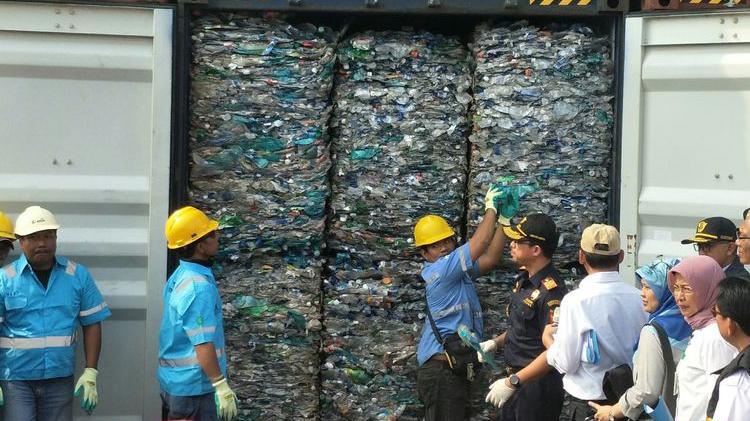
Germany’s plastic waste exports are back in global headlines after new data revealed that the country has once again become one of the largest exporters of plastic waste worldwide. Reports highlight that Germany exported hundreds of thousands of tons of plastic waste in recent years, raising concerns about environmental responsibility, waste management systems, and global inequality. The issue matters now because stricter EU rules were expected to reduce exports, yet shipments continue—often to developing nations. This raises urgent questions: Who is responsible? What is happening to this waste? Why does it continue? And what impact does it have globally?
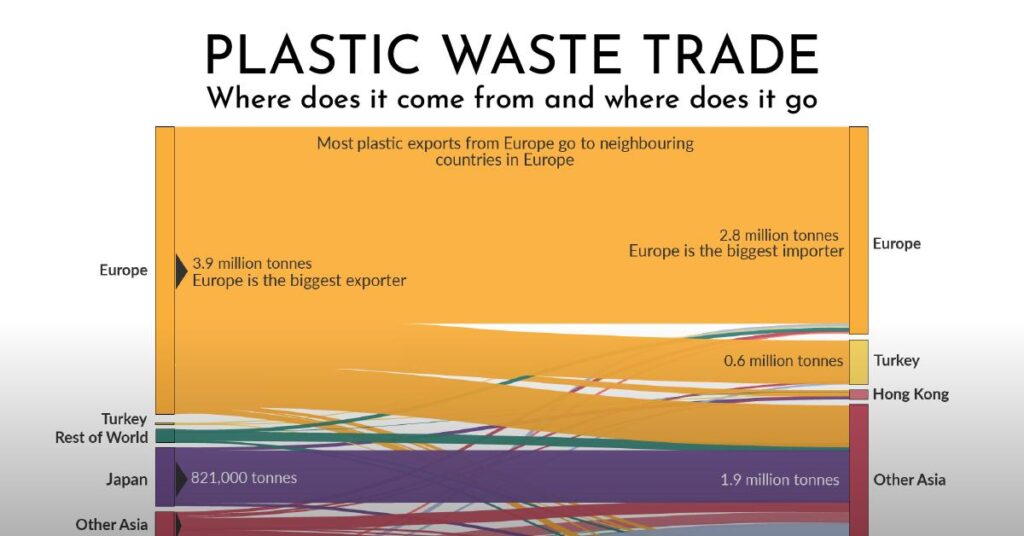
Germany’s Plastic Waste Exports Are Rising Again
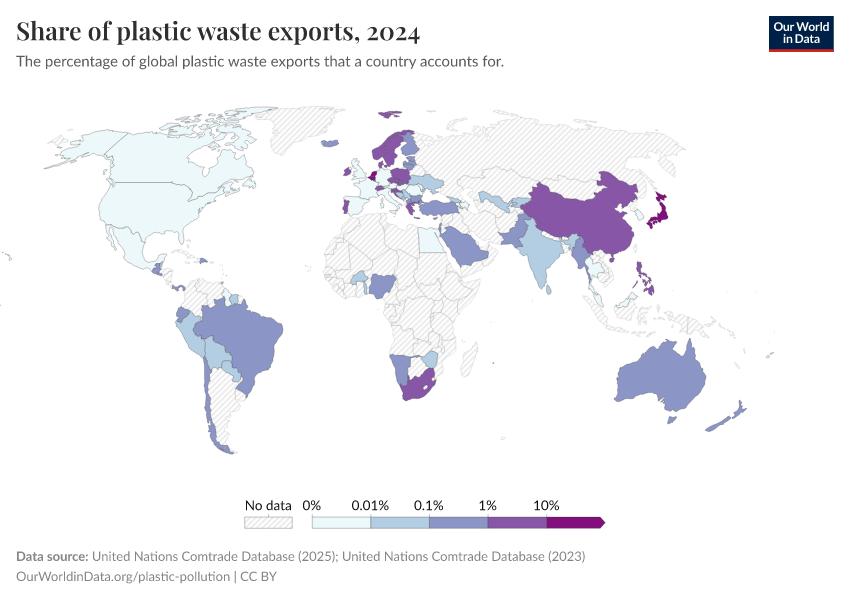
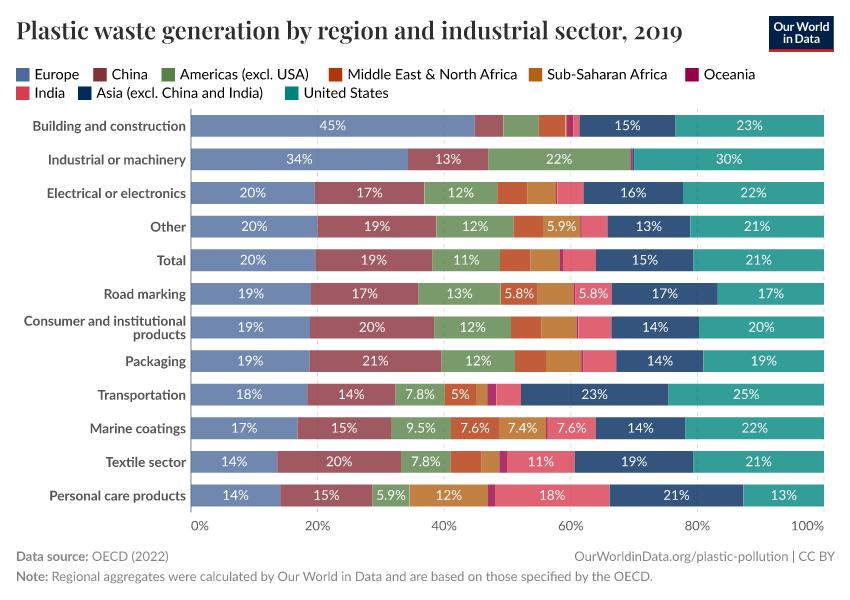
Recent discussions and reports show that Germany remains a leading exporter of plastic waste, despite its reputation as a global recycling leader. While the country generates large volumes of plastic due to its strong industrial economy and consumer market, a significant portion of that waste is not processed domestically.
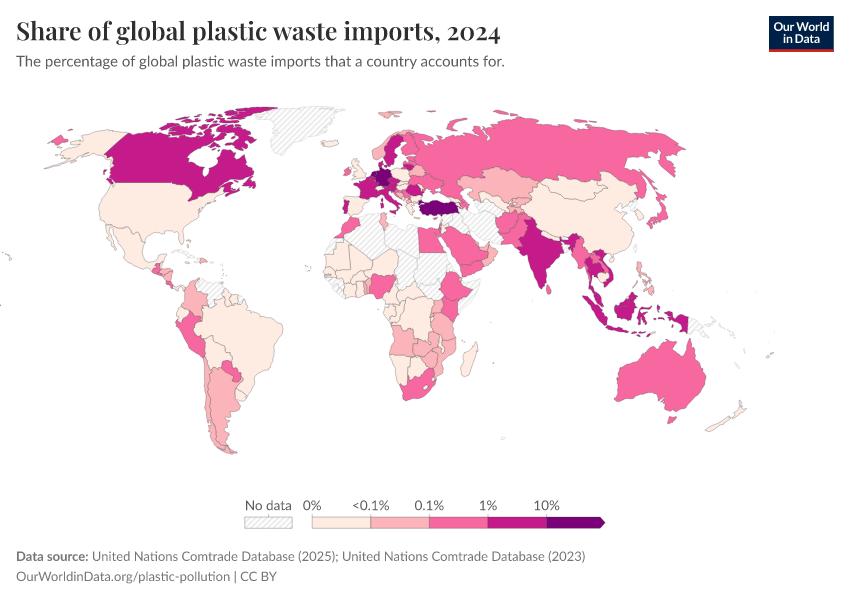
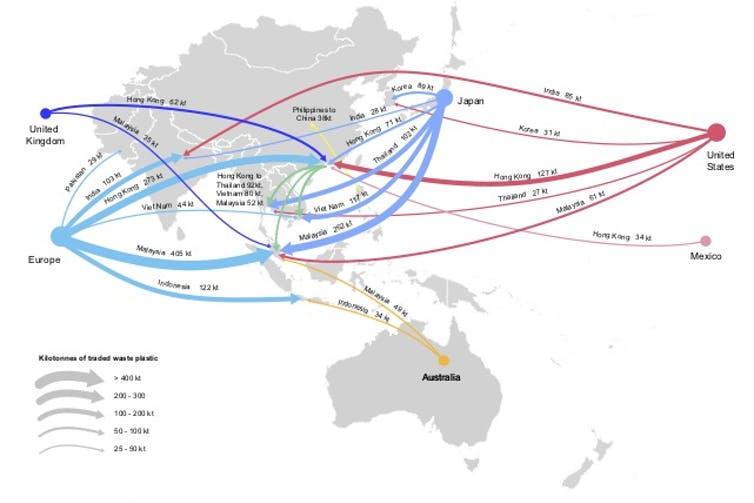
Instead, Germany exports plastic waste to countries in Asia, Eastern Europe, and sometimes Africa. Data from environmental groups suggests that hundreds of thousands of tons of plastic are shipped abroad each year. This trend has continued even after China’s 2018 ban on plastic waste imports, which forced exporters to find new destinations such as Malaysia, Vietnam, and Turkey.
Why Germany Exports So Much Plastic Waste
The main reason behind Germany’s plastic exports is economic efficiency. Recycling complex plastics domestically can be expensive, especially when materials are mixed or contaminated. Exporting waste often becomes a cheaper option for companies.
Another key factor is the limitation of recycling infrastructure. Even though Germany has one of the most advanced waste management systems in the world, not all plastics are easily recyclable. Flexible plastics, multilayer packaging, and contaminated materials often end up being exported instead of processed locally.
There is also a global market for waste. Some countries import plastic waste as a raw material for manufacturing. However, the reality is that not all imported waste is properly recycled, leading to environmental and health risks.
Environmental and Human Impact in Importing Countries
The biggest concern with plastic waste exports is what happens after the waste leaves Germany. In many importing countries, recycling systems are less regulated and less advanced. This often results in improper disposal, open burning, or dumping in landfills and waterways.
Communities living near waste processing areas face serious health risks, including air pollution from burning plastic and contamination of soil and water. Studies have shown increased respiratory problems and environmental degradation in regions receiving large volumes of foreign waste.
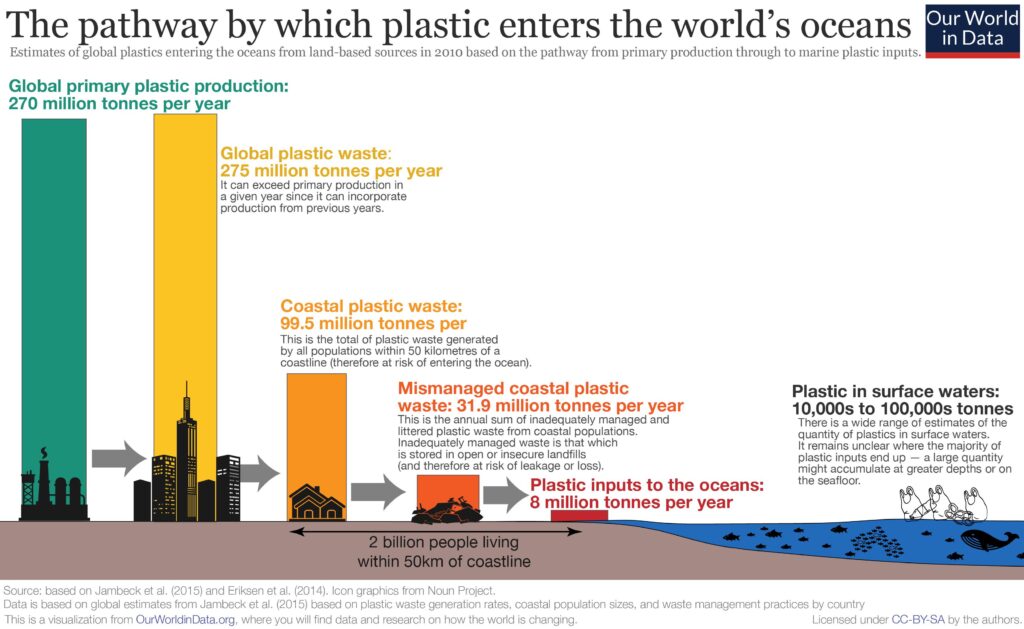
Additionally, plastic waste contributes to ocean pollution. Mismanaged waste can easily enter rivers and oceans, adding to the global plastic crisis. This undermines international efforts to reduce marine pollution and protect ecosystems.
Policy Changes and EU Regulations
The European Union has introduced stricter regulations to control plastic waste exports. New rules aim to limit shipments to non-OECD countries and ensure that exported waste is properly processed. However, enforcement remains a challenge.
Germany has also announced plans to reduce its reliance on exports by improving domestic recycling capabilities. Investments in advanced recycling technologies and circular economy initiatives are part of this strategy.
Despite these efforts, critics argue that current measures are not enough. Environmental organizations continue to push for a complete ban on plastic waste exports and stronger accountability for waste producers.
Why This Matters Now
This issue is gaining attention in 2026 because global waste trade patterns are shifting again. As more countries tighten import restrictions, exporters like Germany face increasing pressure to manage their waste locally.
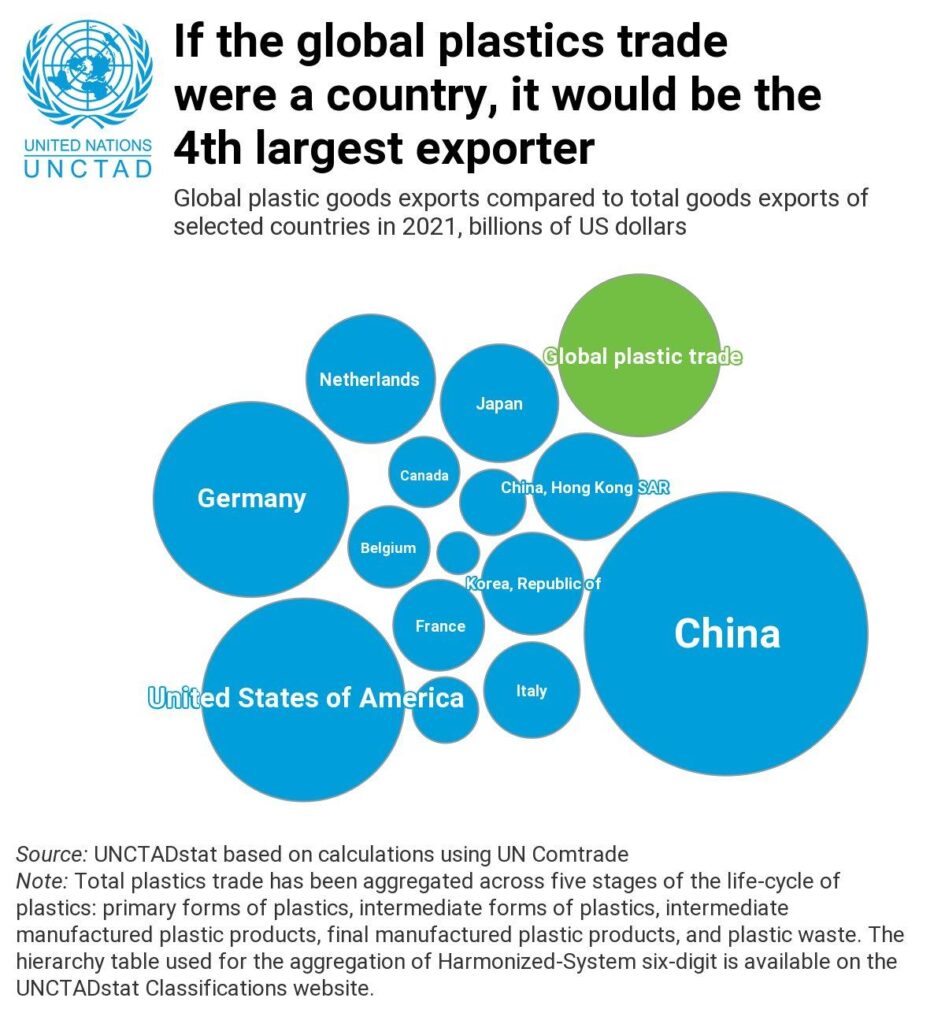
At the same time, public awareness about plastic pollution is at an all-time high. Consumers are demanding more sustainable packaging, and governments are under pressure to act faster. The ongoing export of plastic waste contradicts sustainability goals and raises ethical concerns about shifting environmental burdens to poorer nations.
For businesses, this also signals a shift. Companies may need to rethink packaging strategies, invest in recyclable materials, and prepare for stricter regulations in the near future.
The Future of Plastic Waste Management
Looking ahead, the solution lies in reducing plastic production and improving recycling systems globally. Germany and other developed nations will likely need to invest more heavily in domestic recycling infrastructure.
Innovations such as chemical recycling, biodegradable materials, and circular economy models could play a key role in reducing waste exports. However, these solutions require time, investment, and strong policy support.
Ultimately, the goal is to create a system where waste is managed responsibly within the country of origin, minimizing environmental harm and promoting sustainability worldwide.
Germany’s position as a leading plastic waste exporter highlights a deeper global challenge—how to manage the growing volume of plastic sustainably and fairly. As policies evolve and awareness increases, the world will be watching closely to see whether real change follows.
Subscribe to trusted news sites like USnewsSphere.com for continuous updates.