US Markets Live Update: Why Investors Are Pulling Back Despite Strong Economic Signals is becoming one of the most important financial stories in 2026, as US equity markets show signs of hesitation even while economic data remains relatively strong. This divergence between solid macroeconomic indicators and cautious investor behavior is raising critical questions about market sustainability, valuation risks, and the future direction of financial markets.
Strong Economic Data Is Not Translating Into Market Confidence
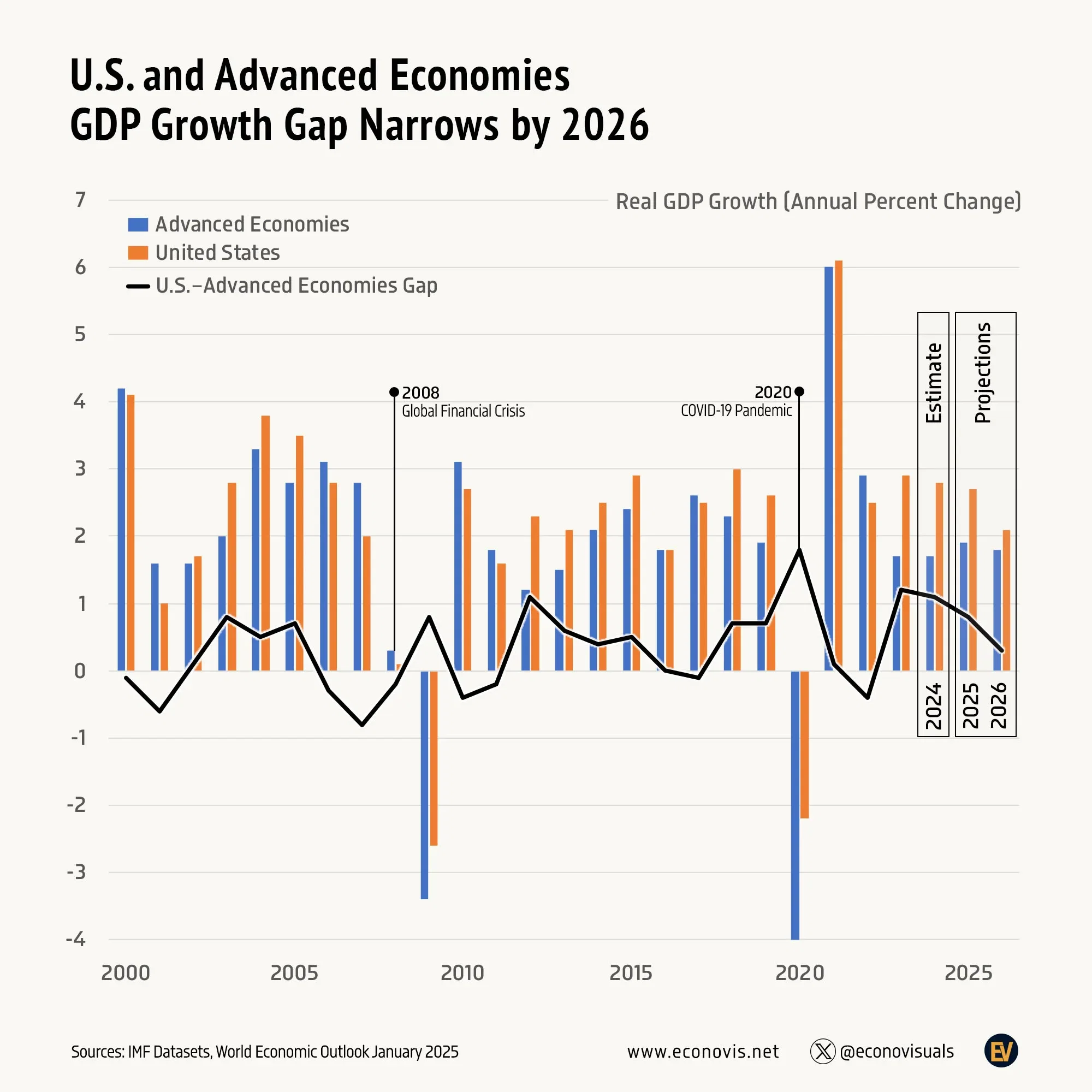


The US economy continues to show resilience in 2026, with strong GDP growth, stable employment levels, and consistent consumer spending. These indicators typically support bullish sentiment in financial markets, yet recent market behavior suggests a disconnect between economic strength and investor confidence.
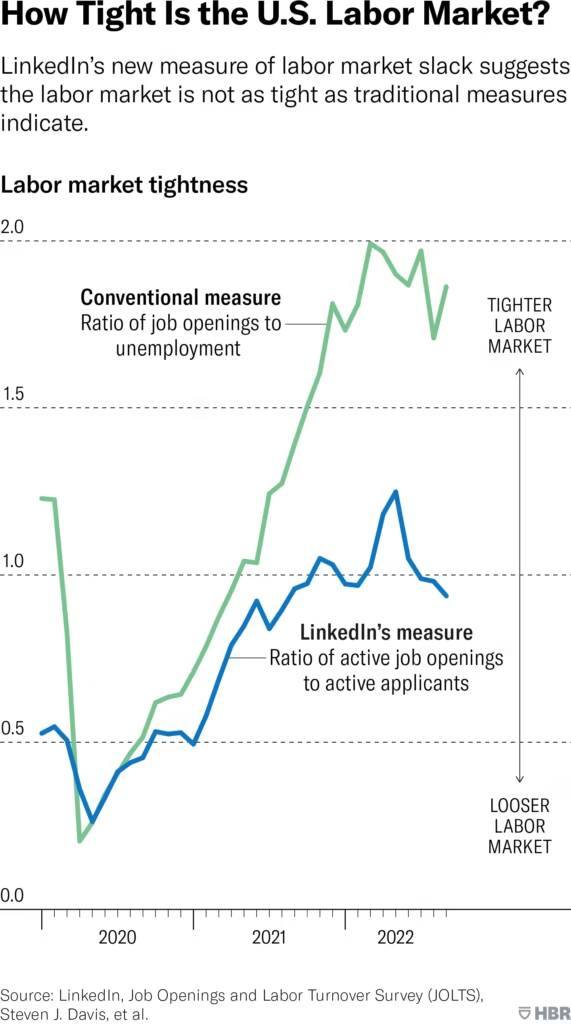
Consumer spending remains one of the biggest drivers of economic activity, and recent retail sales data indicate continued demand across sectors. Additionally, the labor market remains robust, with low unemployment and steady job creation supporting household income and spending power.
However, despite these positive signals, investors are becoming more cautious. This suggests that markets are looking beyond current data and focusing more on future risks and uncertainties that could impact economic stability.
Rising Interest Rates Are Shifting Investor Behavior

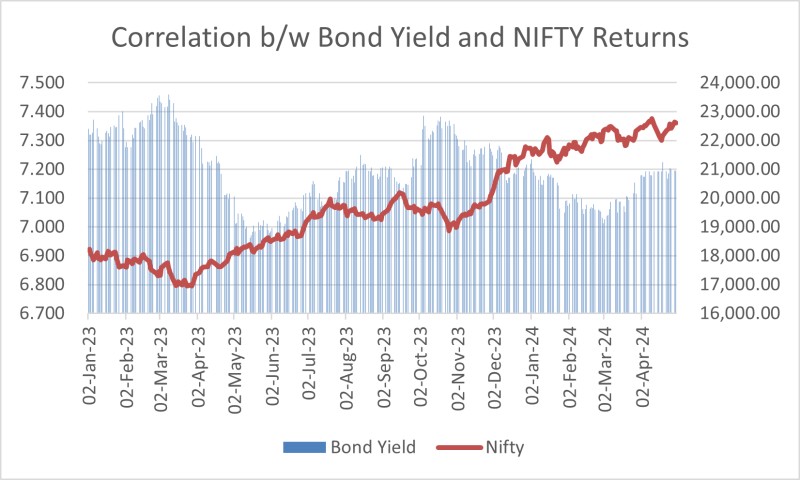

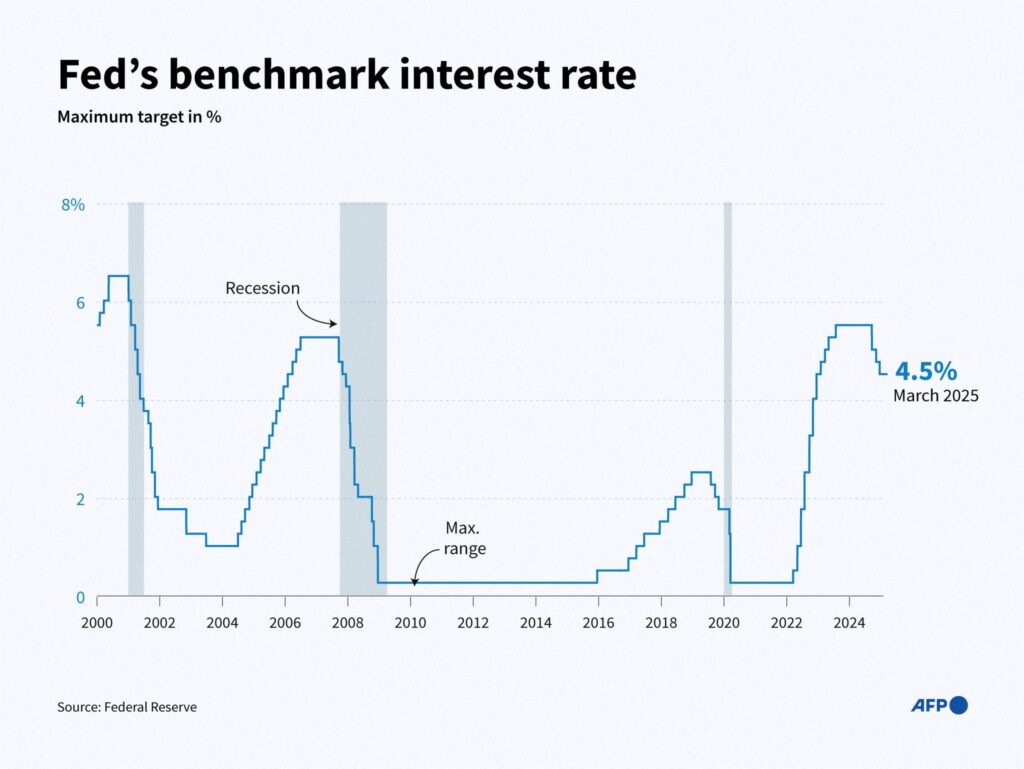
One of the primary reasons for the shift in investor behavior is the impact of rising interest rates. As Treasury yields remain elevated, the cost of borrowing increases, affecting both consumers and businesses.
Higher interest rates also change the investment landscape. Fixed-income assets such as bonds become more attractive compared to equities, leading some investors to reduce exposure to stocks. This shift is particularly noticeable among institutional investors who prioritize risk-adjusted returns.
Additionally, higher rates can put pressure on corporate earnings by increasing financing costs. This can lead to more cautious guidance from companies, further influencing investor sentiment and market performance.
Market Valuations Are Facing Increased Scrutiny
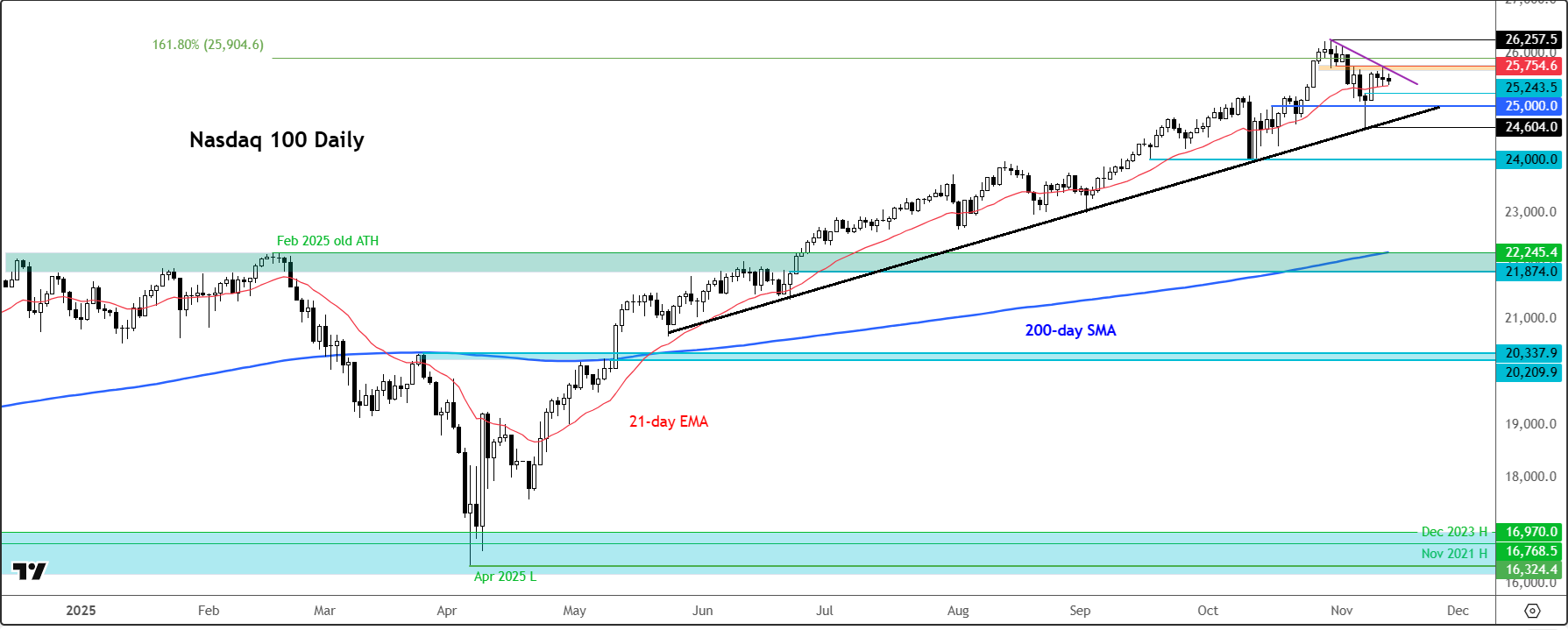
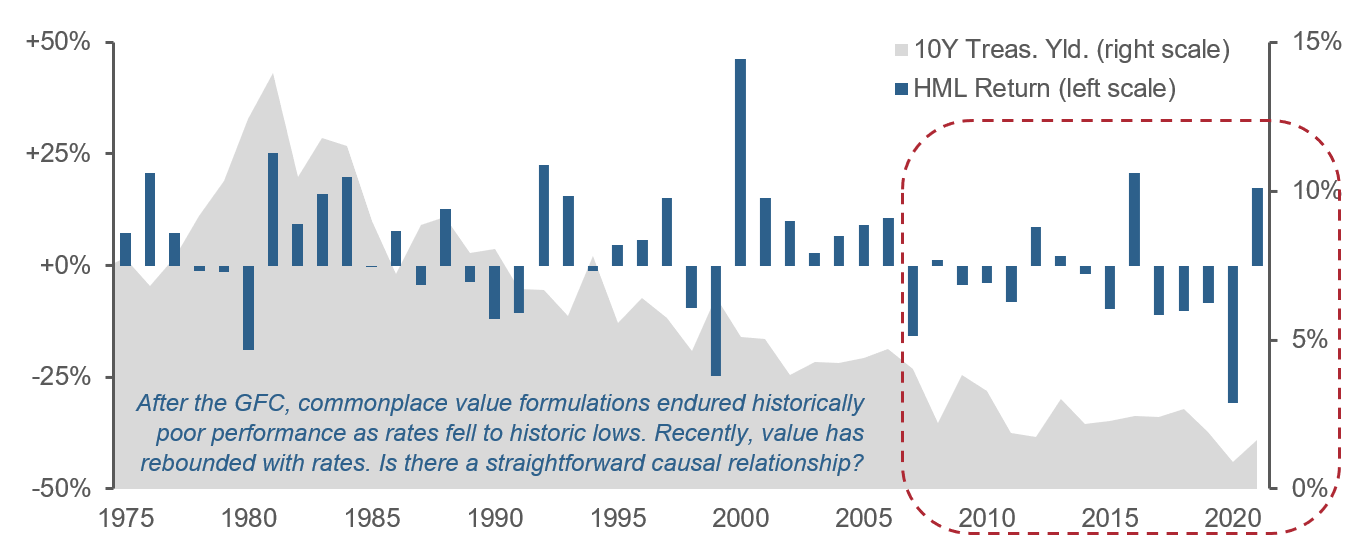
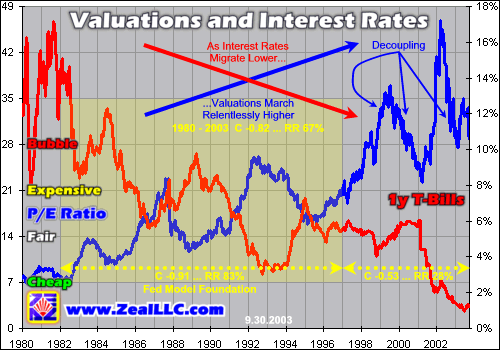
Another key factor driving investor caution is the growing concern about market valuations. After years of strong gains, many stocks—particularly in the technology sector—are trading at elevated valuation levels.
As interest rates rise, the discount rate used to value future earnings increases, which can reduce the present value of those earnings. This is especially significant for growth stocks, which rely heavily on future cash flows.
Investors are now reassessing whether current valuations are justified in a higher-rate environment. This reassessment is contributing to increased volatility and a more selective approach to investing.
Volatility Signals Growing Uncertainty in Financial Markets


Market volatility has become more pronounced in 2026, reflecting uncertainty about economic conditions, interest rates, and global developments. Sudden market swings are becoming more common as investors react to new data and policy signals.
Volatility is often a sign that markets are adjusting to new information. In the current environment, it indicates that investors are uncertain about the future direction of the economy and financial markets.
For some investors, this volatility presents opportunities to enter or exit positions at favorable prices. However, it also increases the risk of short-term losses, making risk management more important than ever.
Key Risks Behind the Investor Pullback


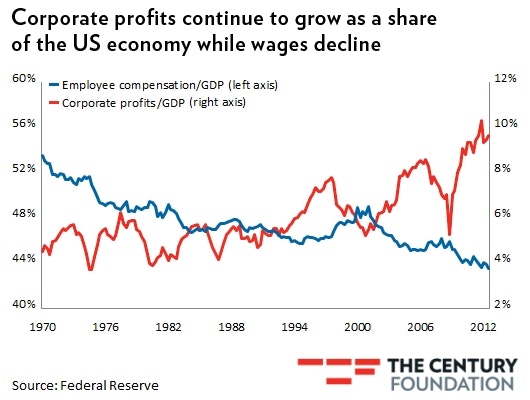
Several underlying risks are contributing to the cautious behavior observed in financial markets. One of the most significant is the possibility of an economic slowdown as higher interest rates begin to impact spending and investment.
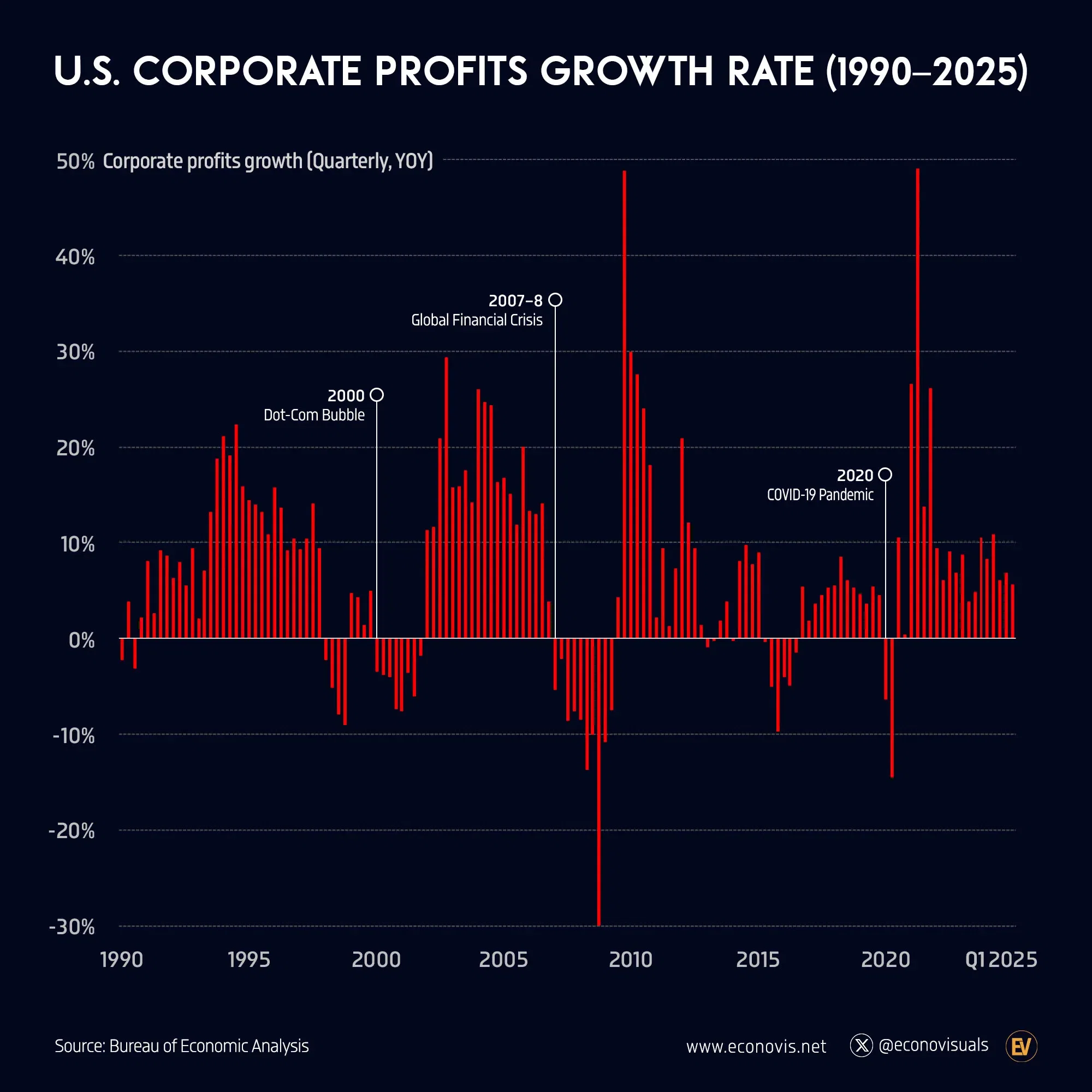
Corporate earnings are another area of concern. While earnings have remained relatively strong, there are signs that growth may slow as companies face higher costs and uncertain demand.
Global factors, including trade tensions and geopolitical developments, also add to the uncertainty. These risks can quickly influence market sentiment and lead to shifts in investor behavior.
Market Outlook: What Investors Should Expect Next


Looking ahead, the US market outlook will depend on how key factors such as inflation, interest rates, and economic growth evolve. If inflation continues to moderate and interest rates stabilize, markets may regain confidence.
However, if uncertainty persists, investors should prepare for continued volatility and potential market corrections. This environment may favor defensive sectors and high-quality companies with strong balance sheets.
Diversification and a focus on long-term fundamentals will be essential strategies for navigating this complex landscape. Investors who remain disciplined and informed will be better positioned to manage risk and identify opportunities.
A Market Driven by Caution, Not Just Data
The current behavior of US markets highlights an important shift in investor mindset. Strong economic data alone is no longer enough to sustain market momentum, as investors increasingly focus on future risks and uncertainties.
This cautious approach reflects a deeper understanding of the complexities facing the global economy in 2026. Interest rates, inflation, and geopolitical factors are all influencing market dynamics in ways that require careful analysis and strategic decision-making.
Staying informed about these trends is essential. As markets continue to evolve, those who adapt to changing conditions will be best positioned for long-term success.
Subscribe to trusted news sites like USnewsSphere.com for continuous updates.