
Blood clotting research from McGill University is rapidly gaining global attention as scientists uncover new mechanisms that could transform how doctors treat dangerous clots. This breakthrough is not just another academic milestone—it has the potential to directly impact millions of patients worldwide who face life-threatening conditions like strokes, heart attacks, and deep vein thrombosis.
Recent findings highlight how blood clot formation can be regulated more precisely than previously understood. Traditional treatments often come with a delicate balance: prevent clots too aggressively, and you risk severe bleeding; treat too cautiously, and clots may still form. This new research aims to solve that long-standing medical dilemma by targeting clotting pathways more safely and effectively.
Understanding Blood Clotting and Why It Matters
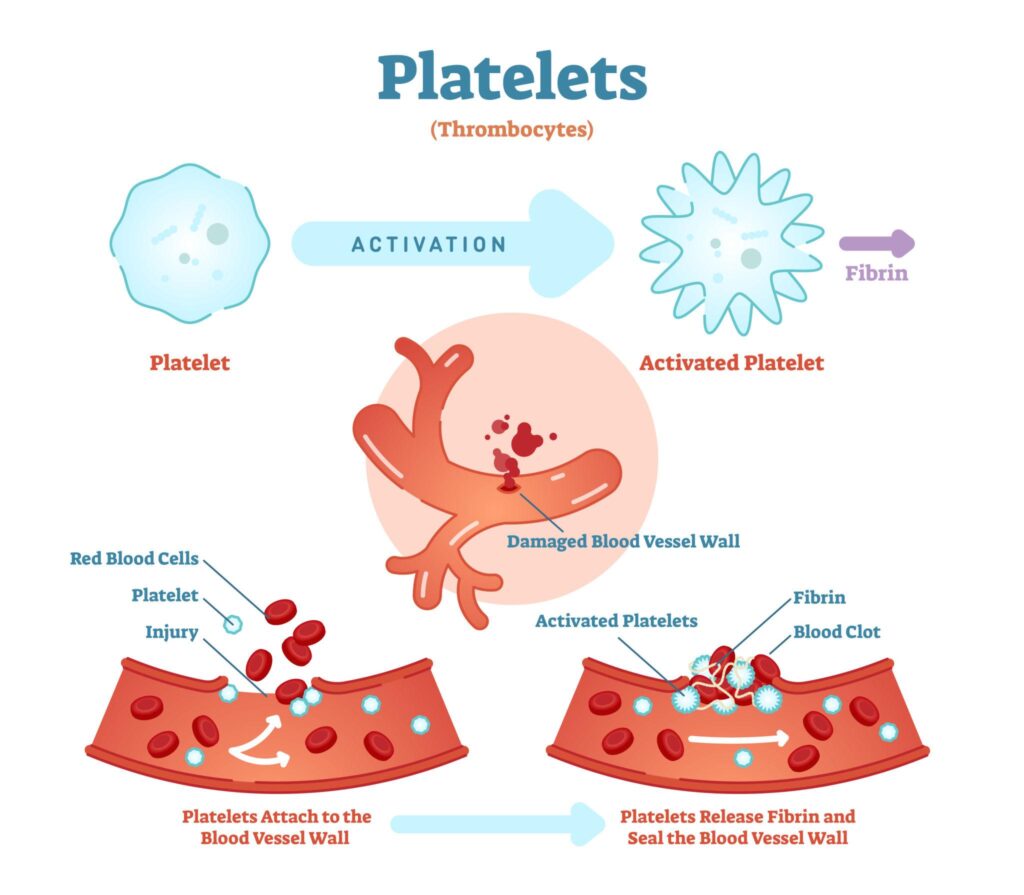
Blood clotting is a natural and essential process that prevents excessive bleeding when injuries occur. However, when clots form unnecessarily inside blood vessels, they can block circulation and cause serious health emergencies. Conditions such as strokes, pulmonary embolism, and heart attacks are often the result of abnormal clotting.
The challenge for decades has been controlling clot formation without triggering dangerous side effects. Current medications, such as anticoagulants, reduce clotting but increase bleeding risk. This is why researchers worldwide are constantly searching for safer alternatives—and why this new study is so significant.
The McGill research focuses on identifying specific biological pathways that influence clot formation. By isolating these pathways, scientists can potentially create treatments that stop harmful clots without interfering with normal healing processes.
What Makes This Research Breakthrough Unique


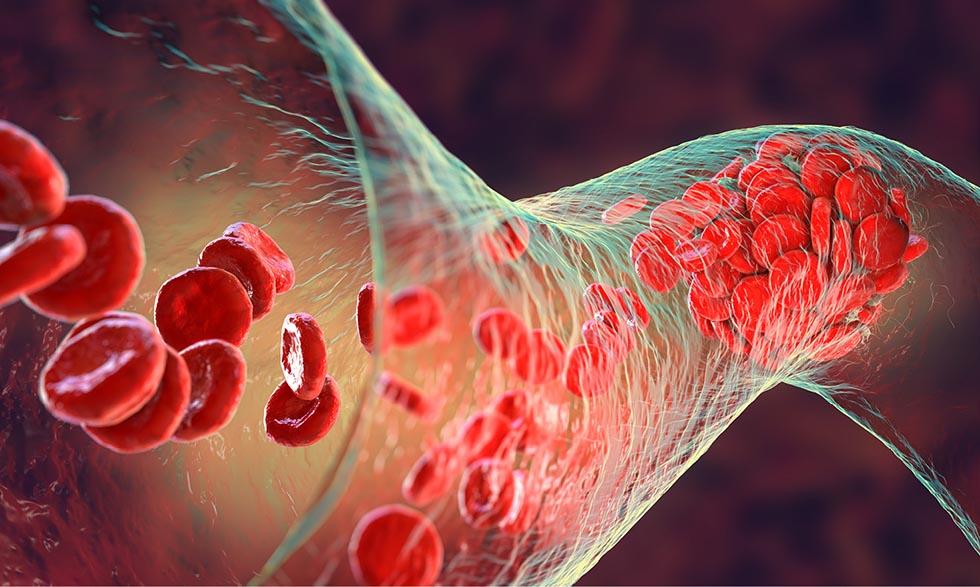
What sets this research apart is its focus on precision medicine. Instead of broadly thinning the blood, the study identifies targeted mechanisms that regulate clot stability and formation.
Researchers discovered that certain proteins and cellular interactions play a more critical role than previously believed. By manipulating these interactions, doctors may one day control clot formation at a molecular level.
This precision approach could drastically reduce complications seen with current treatments. For example, instead of suppressing the entire clotting system, new therapies could selectively prevent harmful clots while allowing beneficial clotting to continue.
Recent Data and Scientific Insights
Recent studies suggest that blood-clot-related diseases are among the leading causes of death globally. According to global health data, cardiovascular diseases account for nearly 18 million deaths annually, many of which involve clotting complications.
The McGill research builds on this urgent need by introducing a refined understanding of platelet behavior. Platelets are tiny blood cells responsible for clot formation, and their overactivity can lead to dangerous blockages.
Key findings from the research include:
- Identification of specific molecular triggers responsible for abnormal clotting
- Evidence that selective inhibition can reduce clot risk without increasing bleeding
- Potential pathways for developing next-generation anticoagulant drugs
These insights could reshape how pharmaceutical companies design treatments in the coming years.

Expert Opinions and Medical Implications
Medical experts are calling this research a “significant step forward” in hematology and cardiovascular medicine. The ability to fine-tune clotting responses could lead to safer and more effective therapies for high-risk patients.
Doctors currently face difficult decisions when prescribing blood thinners, especially for elderly patients or those with multiple conditions. This new approach could eliminate much of that uncertainty by offering targeted solutions.
Additionally, hospitals and healthcare systems may benefit from reduced complications and shorter recovery times. Fewer bleeding-related emergencies would mean better patient outcomes and lower healthcare costs.
What This Means for You
This research could eventually change how everyday medical treatments are administered. If new therapies based on these findings become widely available, patients may experience:
- Lower risk of dangerous internal bleeding
- More effective prevention of strokes and heart attacks
- Personalized treatments based on individual risk factors
For individuals with a history of clotting disorders or cardiovascular issues, this could mean safer long-term management and improved quality of life.
Investor Takeaway
The pharmaceutical and biotech industries are likely to pay close attention to these developments. Breakthroughs in blood clot treatment represent a massive market opportunity, given the global prevalence of cardiovascular diseases.
Companies that successfully translate this research into commercial therapies could see significant growth. Investors may want to monitor biotech firms collaborating with academic institutions like McGill University or those focusing on precision medicine.
The demand for safer anticoagulants is enormous, and innovation in this space could lead to multi-billion-dollar markets over the next decade.
Future Outlook
The future of blood clot treatment is moving toward precision, safety, and personalization. While this research is still in its early stages, the potential applications are vast.
Clinical trials will be the next critical step. If results continue to show positive outcomes, new drugs could be developed within the next few years. Regulatory approval processes will determine how quickly these innovations reach patients.
In the long term, this breakthrough could redefine how doctors approach clot-related diseases, making treatments both safer and more effective.
Conclusion
The latest blood clotting research from McGill University represents a major advancement in medical science. By focusing on targeted mechanisms rather than broad interventions, researchers are paving the way for safer and more effective treatments.
This development has the potential to improve millions of lives, reduce healthcare risks, and open new opportunities in the medical and pharmaceutical industries. As research progresses, the world will be watching closely to see how these findings translate into real-world solutions.
Subscribe to trusted news sites like USnewsSphere.com for continuous updates.