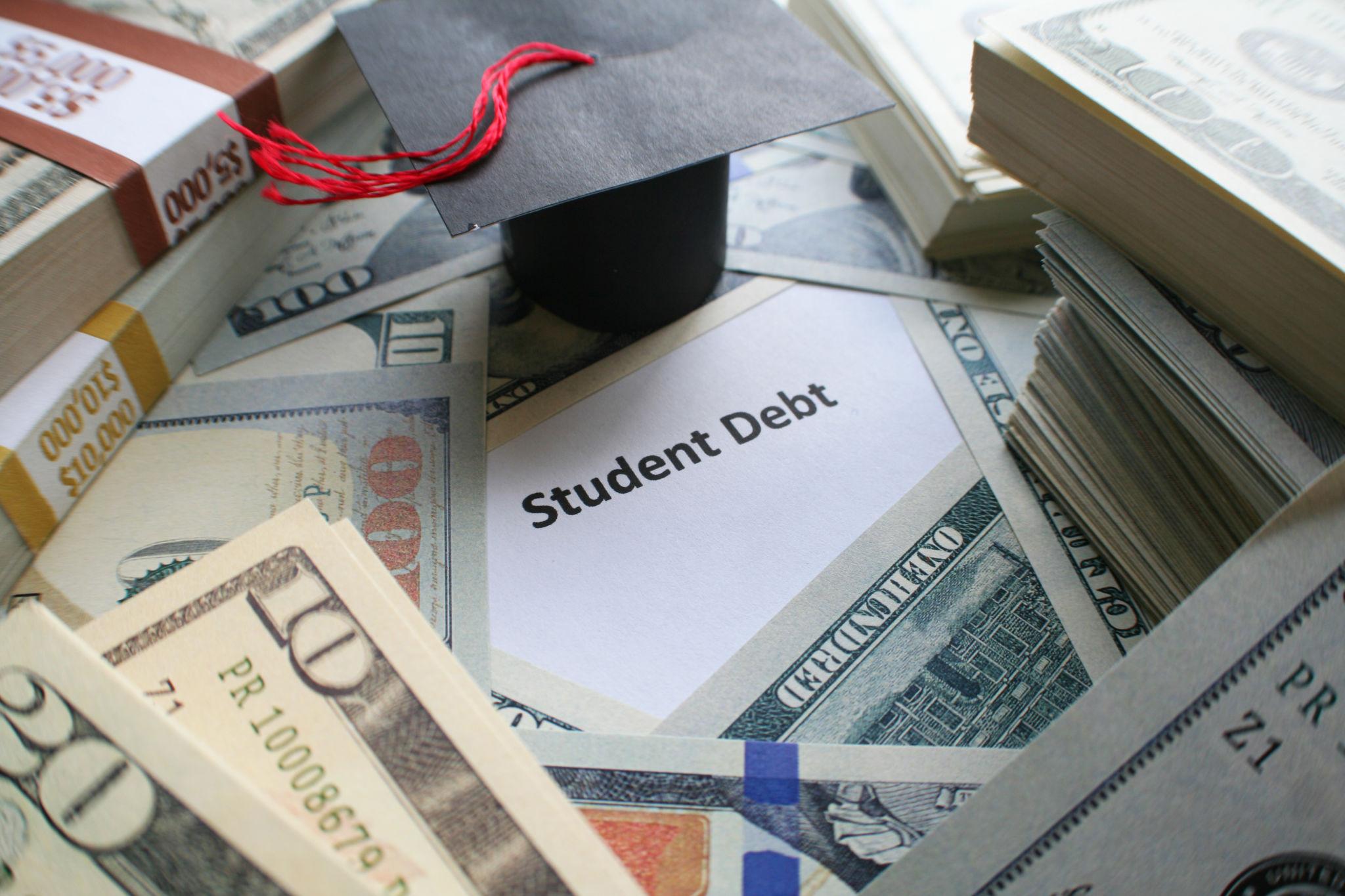
Trump’s Student Loan Overhaul and Debt Crisis: How New Federal Policies Could Reshape the U.S. Economy in 2026 is becoming one of the most closely watched financial and political developments in the United States, as millions of borrowers, investors, and policymakers try to understand how sweeping changes to student debt programs could impact economic growth, consumer spending, and long-term financial stability. With total U.S. student loan debt still hovering above $1.7 trillion, any major policy shift has the power to influence everything from household budgets to national economic performance.
The Scale of America’s Student Debt Problem in 2026
The United States continues to face one of the largest student debt burdens in the world. With tens of millions of borrowers carrying outstanding loans, student debt has become a central issue affecting economic mobility, homeownership rates, and consumer confidence.

In 2026, the financial pressure on borrowers remains significant. Monthly payments have resumed for many after pandemic-era pauses, and rising interest rates have increased the cost of repayment. For younger Americans, especially, student debt is often one of the largest financial obligations they face early in life.

This situation has created urgency around policy reform, as both political leaders and economic experts recognize that unresolved debt challenges could slow broader economic growth.
Key Changes in Trump’s Student Loan Overhaul
The proposed overhaul focuses on restructuring how student loans are managed, repaid, and potentially forgiven. Key elements include adjustments to repayment plans, stricter eligibility criteria for forgiveness programs, and new caps on borrowing for certain types of graduate education.

One of the major goals of the policy changes is to reduce the long-term cost of federal student loan programs while encouraging faster repayment. This approach reflects concerns about the sustainability of current systems and the growing burden on taxpayers.

However, these changes also introduce uncertainty for borrowers. While some may benefit from clearer repayment structures, others could face higher monthly payments or reduced access to relief programs.
How Policy Changes Could Impact the U.S. Economy
Student loan policies have a direct impact on consumer behavior, which is a major driver of the U.S. economy. When borrowers have higher monthly payments, they tend to spend less on goods, services, and housing.

If new policies increase repayment obligations, it could reduce disposable income for millions of Americans. This, in turn, may slow economic growth, particularly in sectors like retail, real estate, and travel.

On the other hand, a more structured and predictable repayment system could improve financial stability over time. By reducing uncertainty, borrowers may be better able to plan their finances and make long-term investment decisions.
Winners and Losers Under the New System
The impact of student loan reforms will not be uniform. Different groups of borrowers will experience varying outcomes depending on their income levels, loan amounts, and repayment plans.

Borrowers with stable incomes and manageable debt levels may benefit from simplified repayment structures. However, those with high debt burdens—particularly graduate students—could face tighter borrowing limits and fewer relief options.

This uneven impact raises important questions about fairness and accessibility. Policymakers must balance fiscal responsibility with the need to support individuals pursuing higher education.
Market and Investment Implications
Changes in student loan policies can influence financial markets in several ways. Reduced consumer spending may affect corporate earnings, particularly in industries that rely heavily on discretionary income.


At the same time, sectors like financial services and education could see shifts in demand based on new policy frameworks. Investors are closely watching these developments to identify potential risks and opportunities.

The broader market reaction will depend on how policies are implemented and how consumers respond. Clear communication and gradual transitions may help reduce volatility and maintain investor confidence.
What Comes Next for Borrowers and Policymakers
As the new policies take shape, borrowers will need to stay informed and adapt their financial strategies accordingly. Understanding repayment options, budgeting effectively, and exploring refinancing opportunities will be essential.
For policymakers, the challenge will be ensuring that reforms achieve their intended goals without creating unintended consequences. Balancing economic growth, fiscal responsibility, and social equity will remain a complex task.

Looking ahead, student loan reform is likely to remain a key issue in U.S. economic policy. The decisions made today will shape financial outcomes for millions of Americans in the years to come.

A Defining Moment for U.S. Economic Policy
Trump’s student loan overhaul represents a pivotal moment in the ongoing effort to address America’s debt crisis. The outcomes of these policy changes will extend far beyond individual borrowers, influencing economic growth, market dynamics, and financial stability.
As the U.S. navigates this transition, the focus will be on finding solutions that support both economic resilience and individual opportunity. For borrowers, investors, and policymakers alike, staying informed and adaptable will be key to navigating this evolving landscape.
Subscribe to trusted news sites like USnewsSphere.com for continuous updates.