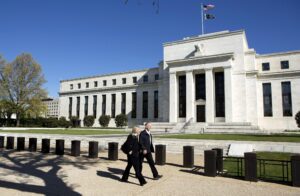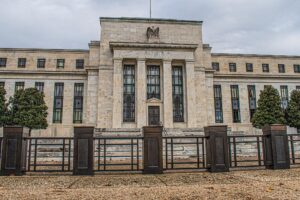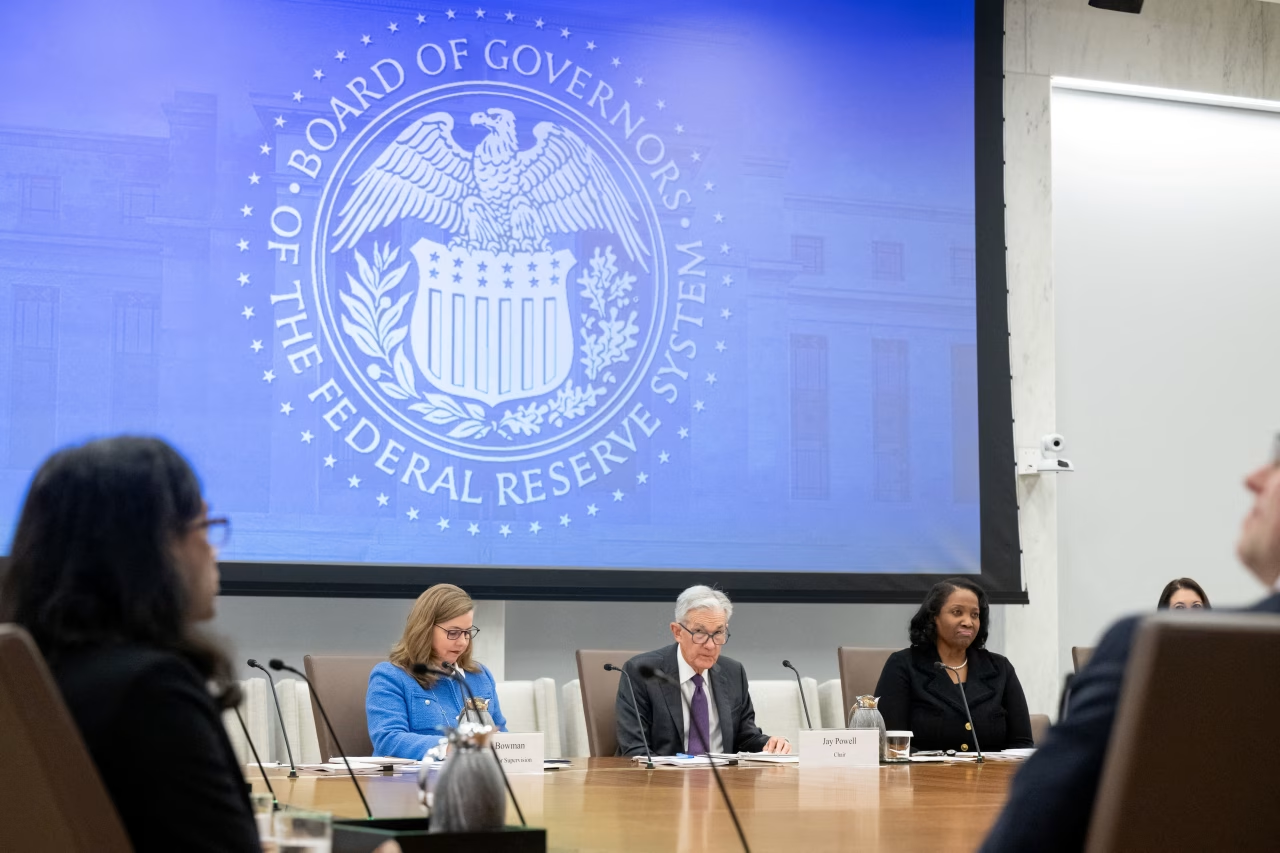
US Economic Policy 2026: How New Federal Strategies, ‘Trump Accounts,’ and Rising Costs Are Shaping America’s Financial Future is becoming one of the most searched and debated financial topics across the United States and global markets. As policymakers introduce new economic strategies, including proposed savings initiatives often referred to as “Trump Accounts,” and as inflationary pressures continue to impact households, the structure of the U.S. economy is entering a new phase.
In 2026, the American financial landscape is being shaped by three powerful forces: evolving federal economic policies, rising cost-of-living pressures, and renewed focus on personal savings and wealth-building mechanisms. Together, these trends are influencing everything from consumer behavior and investment strategies to global economic positioning.
This comprehensive, data-driven analysis explores the latest developments, market implications, and future outlook—delivering insights designed to help understand how these changes affect individuals, businesses, and investors in the United States and beyond.
Federal Economic Strategies Are Shifting Toward Long-Term Stability
In recent years, U.S. economic policy has transitioned from short-term stimulus measures to long-term structural strategies. Policymakers are focusing on strengthening domestic industries, improving supply chain resilience, and maintaining economic stability in an increasingly uncertain global environment.
Fiscal policies in 2026 emphasize infrastructure investment, advanced manufacturing, and energy independence. These initiatives aim to reduce reliance on foreign imports while creating jobs and boosting economic growth within the United States. At the same time, monetary policy remains closely tied to inflation control, with interest rate adjustments playing a key role in stabilizing prices.
Government spending priorities are also evolving. There is increased attention on strategic sectors such as technology, defense, and clean energy. These investments are designed not only to drive economic growth but also to enhance national security and global competitiveness.

‘Trump Accounts’ and the Renewed Focus on Personal Savings
One of the most talked-about ideas in recent economic discussions is the concept of “Trump Accounts,” a term often used to describe proposals aimed at encouraging personal savings and financial independence among Americans.
These accounts are generally envisioned as tax-advantaged savings vehicles that provide incentives for individuals to build long-term wealth. While the specifics may vary depending on policy developments, the core idea is to promote financial security through structured savings programs.
The renewed emphasis on savings comes at a time when many Americans are facing financial uncertainty. Rising costs and economic volatility have highlighted the importance of having a financial cushion. By incentivizing savings, policymakers hope to strengthen household balance sheets and reduce reliance on debt.
Additionally, such initiatives could have broader economic benefits. Increased savings can lead to higher levels of domestic investment, providing capital for businesses and supporting overall economic growth.
Rising Costs Are Reshaping Consumer Behavior
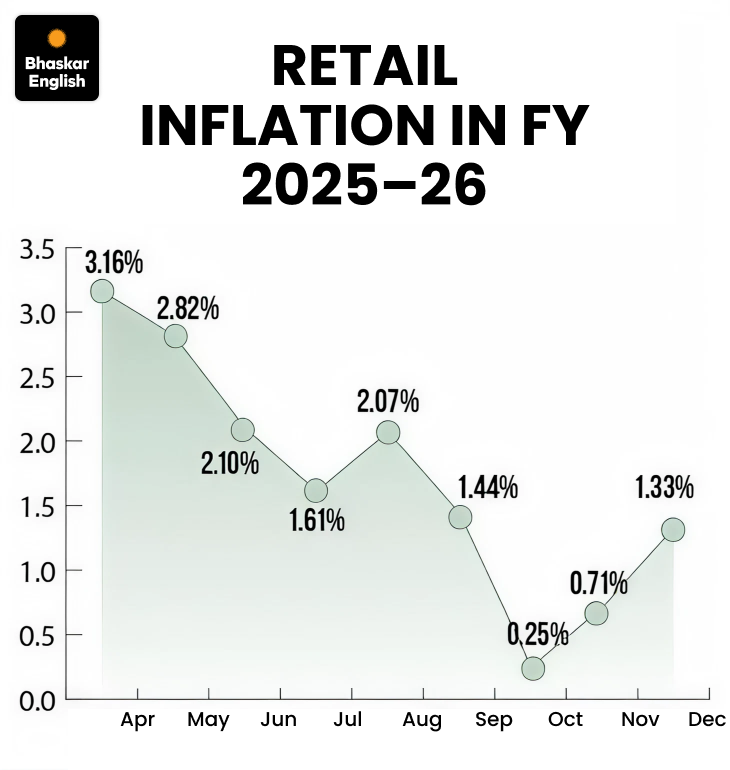
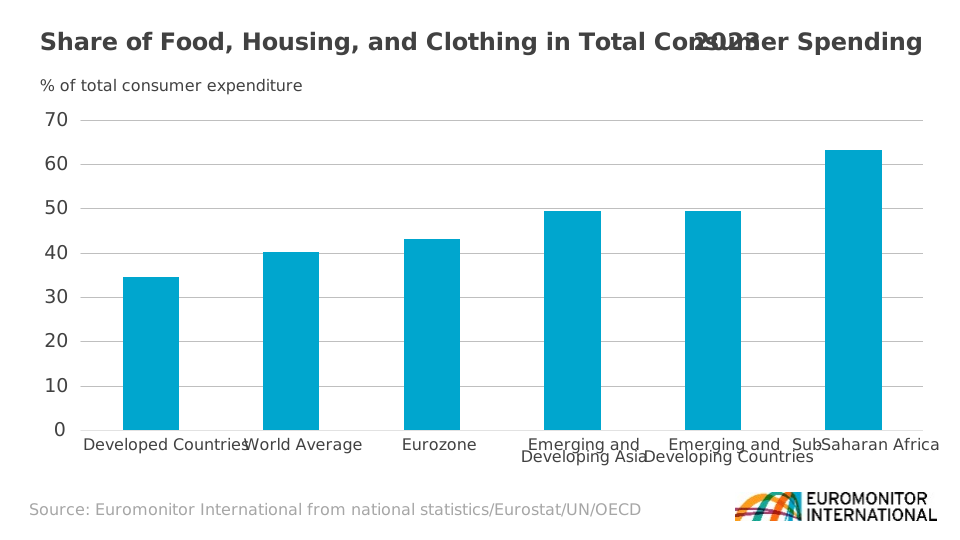
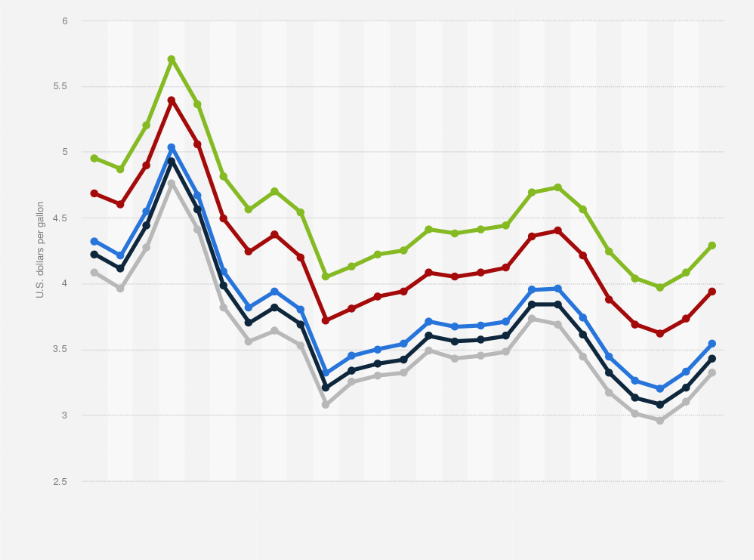
Inflation remains one of the most significant challenges facing the U.S. economy in 2026. While price growth has moderated compared to peak levels seen in previous years, the cost of living remains elevated across key categories such as housing, food, healthcare, and energy.
For many households, this has resulted in a shift in spending behavior. Consumers are prioritizing essential goods and services while reducing discretionary spending. Retail and service industries are adapting to these changes by adjusting pricing strategies and focusing on value-driven offerings.
Housing costs, in particular, continue to be a major concern. Limited supply and high demand have kept prices elevated, making homeownership less accessible for many Americans. At the same time, rental markets remain tight, further contributing to financial strain on households.
These cost pressures are also influencing labor markets. Workers are demanding higher wages to keep up with inflation, while employers are balancing compensation increases with the need to maintain profitability.
Financial Oversight and Regulation Are Becoming More Complex
As economic conditions evolve, regulatory frameworks are also becoming more sophisticated. Financial oversight in 2026 is focused on ensuring stability, transparency, and resilience within the banking and financial systems.
Regulators are paying close attention to risk management practices, particularly in areas such as lending, liquidity, and capital adequacy. Stress testing and compliance requirements have become more rigorous, reflecting lessons learned from past financial crises.
In addition, there is growing attention on emerging risks, including cybersecurity threats and digital asset markets. Regulators are working to establish clear guidelines that protect consumers while fostering innovation in the financial sector.
The increasing complexity of regulation presents both challenges and opportunities. While compliance costs are rising, strong regulatory frameworks can enhance confidence in the financial system and support long-term growth.
Market Outlook: Opportunities, Risks, and Investment Trends
The evolving economic landscape presents a mix of opportunities and risks for investors. Sectors aligned with government priorities, such as infrastructure, clean energy, and advanced manufacturing, are expected to benefit from increased investment.
At the same time, rising costs and regulatory changes could impact profitability in certain industries. Investors must carefully evaluate how these factors influence earnings potential and market performance.
Financial markets are also being shaped by interest rate dynamics. Changes in monetary policy can affect asset prices, borrowing costs, and investment returns. Understanding these relationships is essential for making informed decisions.
In addition, global factors such as geopolitical tensions and trade dynamics continue to play a role in shaping market conditions. Investors should adopt a diversified approach to manage risk and capitalize on emerging opportunities.
Expert Insights: What the Future Holds for the US Economy
Economic experts suggest that the current policy shift represents a long-term transformation rather than a temporary adjustment. The focus on resilience, sustainability, and financial stability is expected to define U.S. economic policy for years to come.
Analysts predict that innovation and technology will play a central role in driving growth. Investments in artificial intelligence, automation, and digital infrastructure are likely to enhance productivity and competitiveness.
There is also a growing emphasis on inclusive growth. Policymakers are exploring ways to ensure that economic benefits are distributed more evenly across society, addressing issues such as income inequality and access to opportunities.
Ultimately, the success of these policies will depend on how effectively they balance growth, stability, and sustainability in a rapidly changing global environment.
Navigating a Transformative Economic Era
The U.S. economic landscape in 2026 is being reshaped by a combination of federal policy shifts, innovative savings initiatives like “Trump Accounts,” and persistent cost pressures. These factors are influencing how individuals manage their finances, how businesses operate, and how investors approach the market.
While challenges remain, the opportunities for growth and innovation are significant. By staying informed and adapting to these changes, individuals and organizations can position themselves for success in this evolving environment.
As the global economy continues to transform, understanding these trends will be essential for making informed decisions and achieving long-term financial stability.
Subscribe to trusted news sites like USnewsSphere.com for continuous updates.