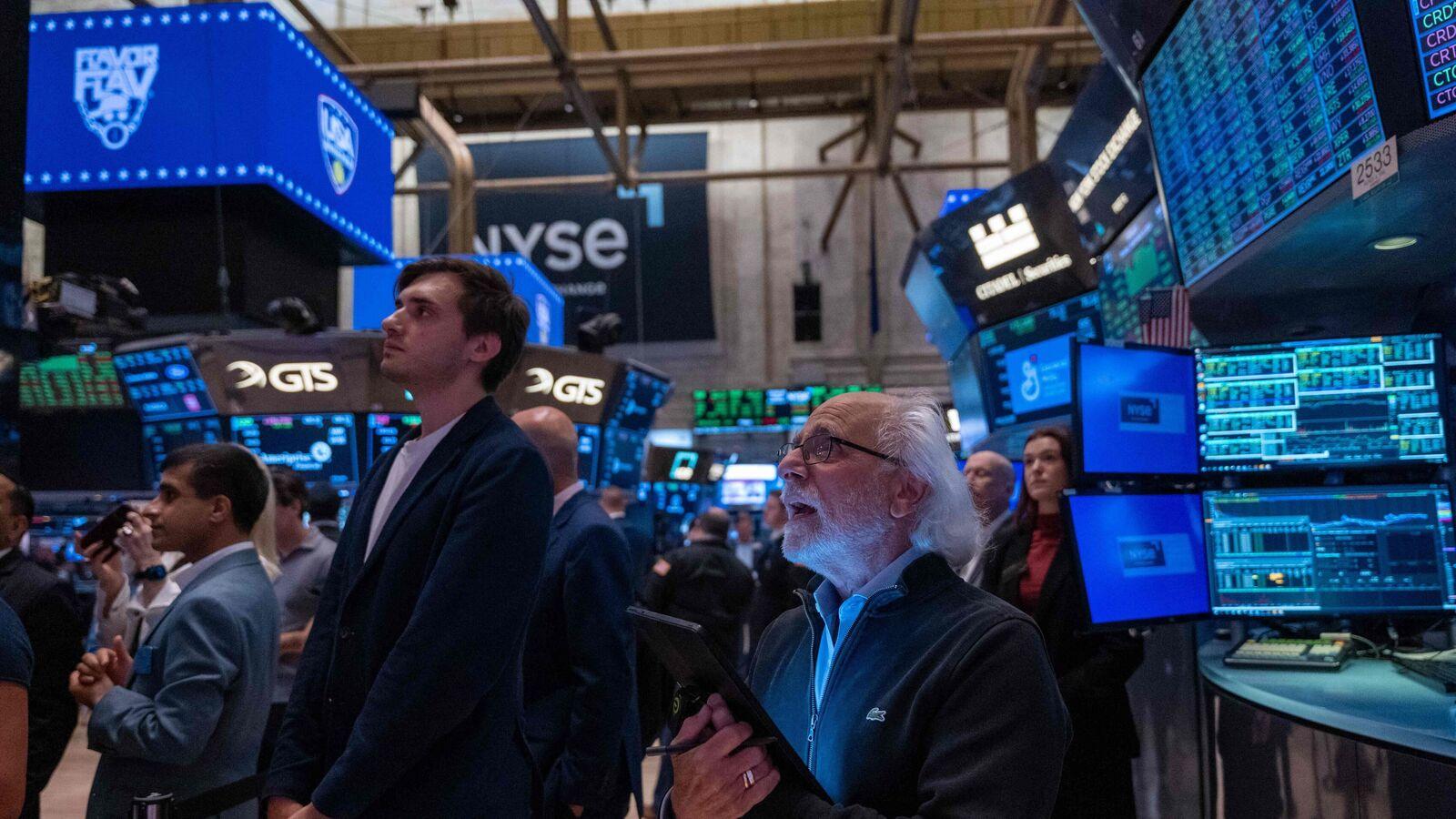
Wall Street Rebounds Fast: How the Strait of Hormuz News Is Driving a Massive US Market Comeback is one of the most powerful financial stories shaping global markets in 2026. After a period of uncertainty driven by geopolitical tensions and oil supply fears, US markets have staged a sharp and rapid recovery, with major indices like the Dow Jones and S&P 500 posting strong gains.
The key catalyst behind this rebound is renewed confidence in global energy supply routes, particularly the Strait of Hormuz—a critical chokepoint through which a significant portion of the world’s oil flows. As fears of disruption eased and shipping routes remained open, investors quickly shifted from risk-off to risk-on mode, fueling a surge in stock prices.
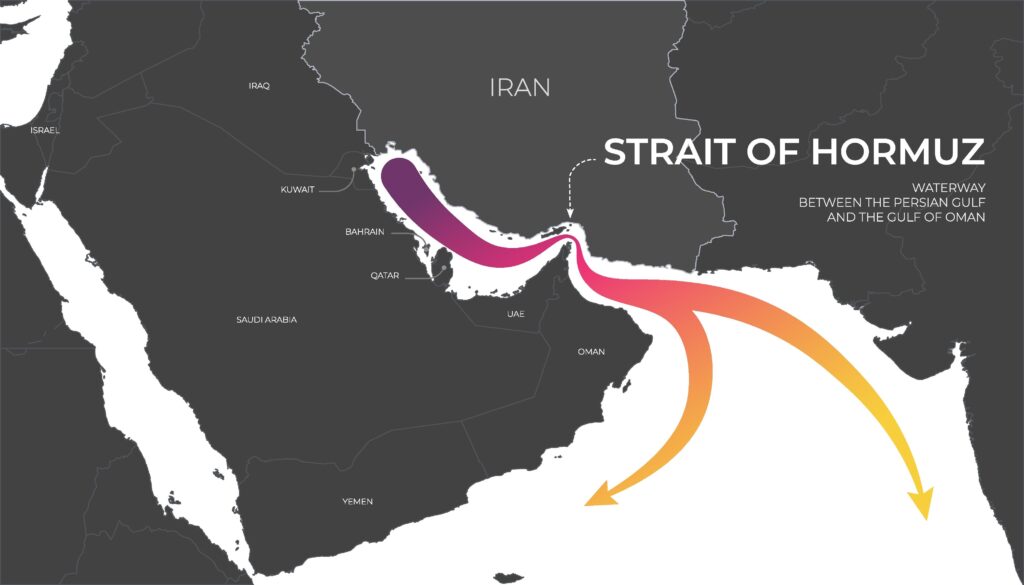
Why the Strait of Hormuz Matters for Global Markets
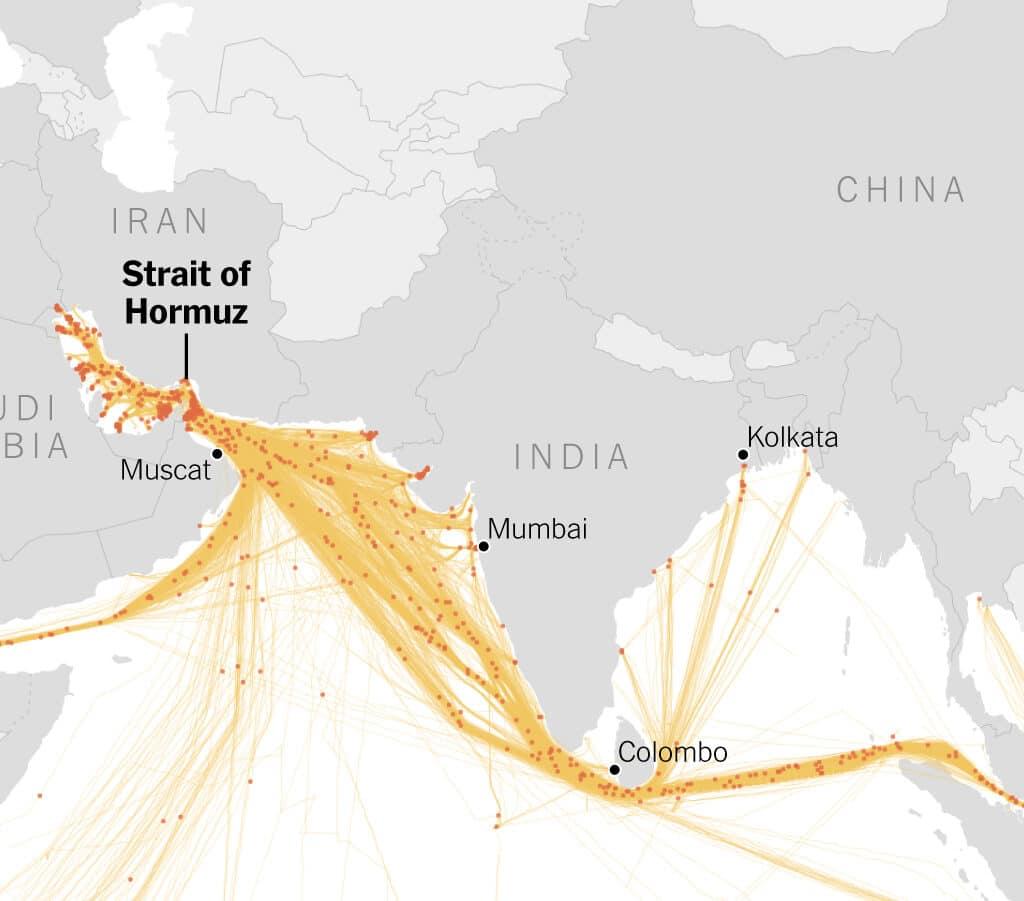
The Strait of Hormuz is one of the most strategically important locations in global trade. A large percentage of the world’s oil supply passes through this narrow waterway, making it a focal point for geopolitical tensions.
When concerns arise about potential disruptions in this region, oil prices tend to spike, creating ripple effects across global markets. Higher oil prices can increase inflation, raise production costs, and slow economic growth.
In 2026, initial fears of supply disruptions led to market volatility. However, as reports confirmed that the strait remained open and operational, oil prices stabilized, restoring investor confidence and triggering a market rebound.
How Wall Street Responded to the News
The response from Wall Street was swift and decisive. Markets that had been under pressure quickly reversed course, with major indices posting significant gains in a short period.
Investors who had previously moved to safer assets began reallocating capital back into equities, particularly in sectors expected to benefit from stable energy prices. This included technology, industrials, and consumer discretionary stocks.

The speed of the rebound highlights how sensitive markets have become to geopolitical developments. In today’s interconnected economy, even small changes in global conditions can lead to large market movements.

Oil Prices, Inflation, and Market Stability
Oil prices play a critical role in shaping inflation and overall economic stability. When prices rise sharply, they can increase costs across multiple industries, from transportation to manufacturing.
The recent stabilization of oil prices has helped ease inflation concerns, providing a positive signal for both consumers and investors. Lower energy costs can support economic growth by reducing expenses for businesses and households.
However, volatility remains a risk. Any renewed tensions or disruptions in key regions could quickly reverse these gains, highlighting the importance of monitoring global developments.


Sector Winners and Losers in the Market Comeback
The market rebound has not been uniform across all sectors. Technology stocks have been among the biggest winners, benefiting from renewed investor confidence and strong growth prospects.
Consumer discretionary and industrial sectors have also gained, as stable energy prices improve economic outlook and spending potential. These sectors are closely tied to overall economic activity, making them sensitive to changes in market sentiment.

On the other hand, energy stocks have experienced mixed performance. While higher oil prices can boost profits, rapid fluctuations create uncertainty, leading to uneven gains across the sector.

Risks Investors Should Still Watch
Despite the strong rebound, several risks remain. Geopolitical tensions have not disappeared, and any escalation could quickly impact markets again.
Interest rates and inflation are also key factors. While recent developments have eased concerns, central bank policies and economic data will continue to influence market direction.
Additionally, market sentiment can shift rapidly. The same factors that drove the recent rally could reverse, making it essential for investors to remain cautious and informed.

Future Outlook: Can the Market Sustain This Momentum?
Looking ahead, the sustainability of the current market rally will depend on a combination of factors, including geopolitical stability, economic data, and corporate earnings.
If energy markets remain stable and economic conditions improve, the rally could continue, potentially leading to new highs for major indices. However, volatility is likely to remain a defining feature of the market.
For investors, this environment presents both opportunities and challenges. Staying informed and maintaining a balanced approach will be key to navigating the evolving landscape.
A Powerful Reminder of Market Sensitivity
The rapid rebound of Wall Street following the Strait of Hormuz news underscores how interconnected and reactive global markets have become. It highlights the importance of understanding the relationship between geopolitics, energy markets, and financial performance.
For US investors, this is a reminder that opportunities can arise quickly, but so can risks. By staying informed and adopting a strategic approach, investors can position themselves to benefit from market movements while managing potential downsides.
As global events continue to shape financial markets, those who remain adaptable and informed will be best positioned for success.
Subscribe to trusted news sites like USnewsSphere.com for continuous updates.