
Airline Industry Investment Guide: Risks, Opportunities, and Future Trends Every Investor Must Know is becoming one of the most searched topics in 2026 as investors try to understand whether airline stocks are a hidden opportunity or a high-risk trap. With recent turbulence—from budget airline instability and flight cancellations to rising fuel costs and regulatory pressure—the sector is back in the spotlight.

Who: Retail and institutional investors
What: Growing volatility and opportunity in airline stocks
Why: Operational disruptions, cost pressures, and shifting demand
Impact: Potential high-reward but high-risk investment environment
Why this matters now: Airlines sit at the center of global economic activity. When they struggle, it often signals deeper economic shifts—making this sector a powerful indicator for smart investors.
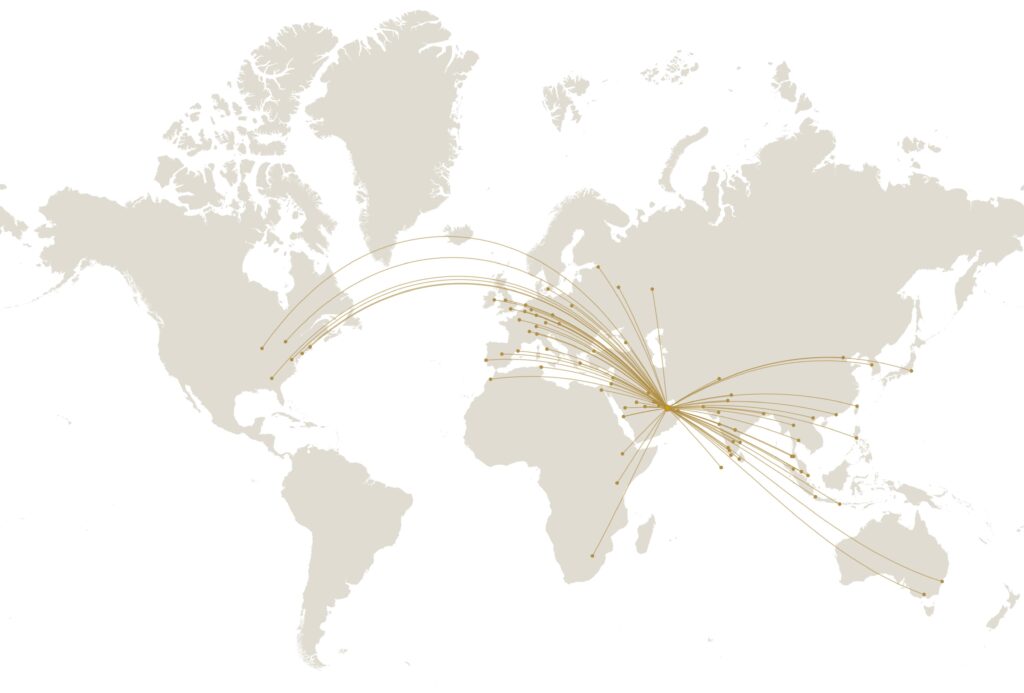
Understanding the Airline Industry’s Current Landscape
The airline industry in 2026 is experiencing a complex mix of recovery and disruption. After years of post-pandemic demand recovery, airlines are now facing operational challenges such as staffing shortages, rising maintenance costs, and unexpected flight cancellations. Incidents involving large-scale cancellations at major carriers have shaken consumer confidence and raised concerns among investors.
At the same time, demand for travel remains strong, especially in the United States and Europe. According to industry estimates, global passenger traffic is approaching pre-2020 levels, with domestic travel in the U.S. already exceeding earlier benchmarks. This creates a paradox: strong demand but unstable operations. For investors, this means opportunity exists—but only with careful timing and analysis.

Key Risks Every Investor Must Understand
Airline stocks are highly sensitive to external factors, making them one of the most volatile sectors in the market. Fuel prices remain the biggest cost driver, often accounting for 20–30% of total airline expenses. With oil markets fluctuating due to geopolitical tensions and supply chain disruptions, profit margins can change rapidly.
Another major risk is operational instability. Recent flight disruptions across multiple airlines highlight how staffing issues, technical failures, or even weather events can lead to massive revenue losses. Additionally, regulatory pressure—from safety rules to environmental policies—is increasing, especially in the U.S. and Europe. These factors can limit growth and increase compliance costs, directly affecting stock performance.

Emerging Opportunities in Airline Investments
Despite the risks, the airline sector offers unique growth opportunities. Premium travel demand is rising, with business and luxury travelers willing to pay higher fares for comfort and reliability. Airlines focusing on premium services and loyalty programs are seeing stronger margins compared to low-cost carriers.
Another key opportunity lies in technology and efficiency. Airlines investing in AI-driven scheduling, predictive maintenance, and fuel-efficient aircraft are improving profitability. Partnerships, alliances, and route optimization are also helping airlines expand their market share without significantly increasing costs. For long-term investors, these innovations could lead to more stable earnings growth.

How Global Events Are Reshaping Airline Stocks
Global events are playing a major role in shaping airline performance. Economic uncertainty, interest rate changes, and inflation directly impact consumer travel behavior. When inflation rises, discretionary spending—like travel—often declines, reducing airline revenues.
Geopolitical tensions and supply chain disruptions also affect aircraft deliveries and maintenance schedules. Additionally, environmental concerns are pushing governments to introduce stricter regulations on emissions, forcing airlines to invest heavily in sustainable aviation fuels and new technologies. These changes are not just challenges—they are also creating new investment trends within the sector.

Smart Investment Strategies for Airline Stocks
Investing in airlines requires a different approach compared to traditional sectors. Short-term traders often benefit from volatility, taking advantage of price swings caused by news events such as earnings reports or operational disruptions. However, this strategy requires precise timing and strong risk management.
Long-term investors should focus on financially stable airlines with strong balance sheets, diversified revenue streams, and efficient cost structures. Monitoring key indicators such as load factor (seat occupancy), revenue per available seat mile (RASM), and fuel cost trends can provide valuable insights. Diversification is also critical—combining airline stocks with other travel or infrastructure investments can reduce overall risk.

Future Trends That Could Define the Industry
The future of the airline industry will likely be shaped by sustainability, digital transformation, and evolving consumer behavior. Sustainable aviation fuels (SAF) are gaining attention as airlines attempt to reduce carbon emissions. While adoption is still in early stages, this trend could significantly impact cost structures and investment strategies.
Digital transformation is another major trend. From AI-powered pricing models to automated customer service, technology is improving efficiency and customer experience. Additionally, new business models—such as subscription-based travel and dynamic pricing—are emerging. These innovations could redefine how airlines generate revenue and interact with customers in the coming years.
Airline stocks are no longer just about travel—they are a reflection of economic strength, global connectivity, and technological progress. For investors willing to navigate the risks, this sector offers powerful opportunities for growth and diversification.
Subscribe to trusted news sites like USnewsSphere.com for continuous updates.