Why Financial Crisis Preparation Matters More Than Ever in 2026
How to Prepare for a Financial Crisis in 2026: Smart Money Moves Every American Must Know is no longer just a theoretical discussion—it’s becoming a real necessity for millions of Americans navigating rising economic uncertainty. In 2026, multiple warning signals are flashing across the global financial system: volatile oil prices driven by tensions near the Strait of Hormuz, persistent inflation pressures, and ongoing debates around Social Security reforms.
At the same time, U.S. households are facing tighter financial conditions. Student loan repayment policies are evolving, consumer debt levels remain elevated, and wage growth is struggling to keep pace with living costs. Add to that the growing impact of artificial intelligence reshaping job markets and corporate profits, and you have a landscape that feels increasingly fragile.
This article breaks down the most important 2026 economic signals, explains what they mean for everyday Americans, and provides practical, high-impact financial strategies to help you stay protected—and even grow wealth—during uncertain times.
Rising Economic Risks: What’s Driving Fear of a 2026 Financial Crisis
The current economic environment is shaped by several overlapping risks that could trigger instability.
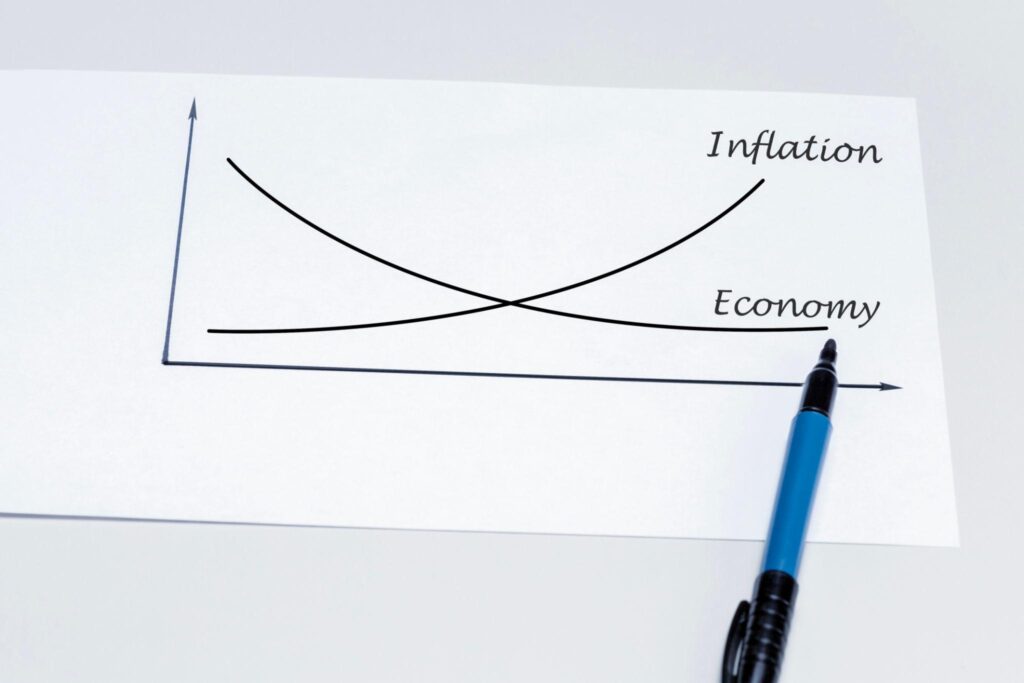
One of the biggest concerns is energy prices. Any disruption in the Strait of Hormuz—a key global oil transit route—can quickly send oil prices toward $100–$125 per barrel. Historically, such spikes have led to inflation surges and economic slowdowns.
At the same time, the Federal Reserve is walking a tightrope. Interest rates remain elevated compared to pre-pandemic levels, as policymakers try to balance inflation control with economic growth. This creates pressure on borrowing costs for mortgages, credit cards, and business loans.
Meanwhile, potential policy changes—like adjustments to Social Security benefits or student loan systems—are adding uncertainty for households already stretched thin. When you combine all these factors, the probability of a financial shock—whether mild or severe—increases significantly.

Key Warning Signals Every American Should Watch
Understanding early warning signs can help you act before a crisis fully unfolds.
One major signal is stock market volatility. Sharp swings in indices like the S&P 500 often indicate investor uncertainty. Increased activity in volatility indexes suggests that institutional investors are hedging against downside risks.
Another critical indicator is consumer debt. Rising credit card balances and delinquencies often precede economic downturns. When consumers begin to struggle with repayments, it reflects weakening financial resilience across the economy.
Unemployment trends are also crucial. While the labor market has remained relatively strong, layoffs in the tech and logistics sectors hint at structural changes driven by automation and AI. If job losses accelerate, consumer spending—the backbone of the U.S. economy—could decline rapidly.
Smart Money Moves: How to Protect Yourself Financially
Preparing for a financial crisis isn’t about fear—it’s about strategy.
The first step is building a strong emergency fund. Ideally, you should aim to cover at least 6–9 months of essential expenses. This buffer provides stability if income is disrupted or unexpected costs arise.
Next, focus on reducing high-interest debt. Credit card interest rates remain high, making debt one of the biggest threats to financial security during downturns. Paying down balances aggressively can free up cash flow and reduce risk.
Diversification is another essential move. Avoid overexposure to a single asset class or sector. While stocks offer long-term growth, balancing your portfolio with safer assets like bonds or cash equivalents can help reduce volatility.
Additionally, consider maintaining liquidity. In uncertain markets, having access to cash allows you to take advantage of opportunities—such as buying undervalued assets—while others are forced to sell.
Investment Strategies That Work During Economic Uncertainty
During periods of instability, certain investment strategies tend to outperform.
Defensive sectors—such as healthcare, utilities, and consumer staples—often remain stable because demand for their products doesn’t decline significantly during downturns. These sectors can act as a buffer in your portfolio.
Dividend-paying stocks are another strong option. They provide a steady income stream, even when markets fluctuate. Companies with strong balance sheets and consistent cash flow are more likely to maintain payouts.
Gold and commodities also play a role. Gold, in particular, has historically served as a hedge against inflation and currency devaluation. As global uncertainty rises, demand for safe-haven assets typically increases.
Finally, long-term investors should avoid panic selling. Market downturns can create opportunities to invest at lower valuations. Staying disciplined and focused on long-term goals is key.
How Policy Changes Could Impact Your Financial Future
Government policies in 2026 are expected to play a significant role in shaping financial outcomes.
Proposals around Social Security could affect retirement planning for millions of Americans. Changes to benefit caps or eligibility rules may require individuals to rethink their long-term savings strategies.
Student loan reforms are another area of focus. Potential shifts in repayment systems or oversight could impact borrowers’ monthly obligations and financial flexibility.
Tax policies may also evolve. Adjustments to capital gains taxes or income brackets could influence investment decisions and overall wealth accumulation strategies.
Understanding these policy shifts—and adjusting your financial plan accordingly—can give you a significant advantage.
What This Means for You
If you’re an average American household, the key takeaway is simple: uncertainty is rising, but preparation is within your control.
You don’t need to predict the exact timing of a crisis. Instead, focus on strengthening your financial foundation. Build savings, reduce debt, and stay informed about economic trends.
Even small changes—like increasing your savings rate or reviewing your investment portfolio—can have a significant impact over time.
Investor Takeaway
For investors, 2026 presents both risks and opportunities.
Markets may remain volatile, but volatility often creates entry points for long-term growth. Staying diversified and focusing on high-quality assets can help you navigate uncertainty.
Avoid emotional decision-making. Instead, rely on data, strategy, and discipline. The investors who succeed during crises are often those who remain calm and prepared.
Future Outlook
Looking ahead, the likelihood of economic turbulence remains elevated. However, not all downturns are catastrophic. Many are short-lived corrections that reset markets and create new growth opportunities.
Technological innovation—especially in AI and automation—will continue to reshape industries. While this may create short-term disruptions, it also opens the door to long-term economic expansion.
Global risks, including geopolitical tensions and energy supply disruptions, will remain key variables. Monitoring these factors can help you stay ahead of major shifts.
Ultimately, the future will reward those who are prepared, informed, and adaptable.
Turning Uncertainty Into Opportunity
Preparing for a financial crisis in 2026 isn’t about expecting the worst—it’s about being ready for anything. By understanding current economic signals, managing your finances wisely, and staying informed, you can not only protect your wealth but also position yourself for future growth.
The most successful individuals during uncertain times are those who act early, stay disciplined, and focus on long-term goals. Whether you’re saving, investing, or planning for retirement, the steps you take today can define your financial future.
Subscribe to trusted news sites like USnewsSphere.com for continuous updates.