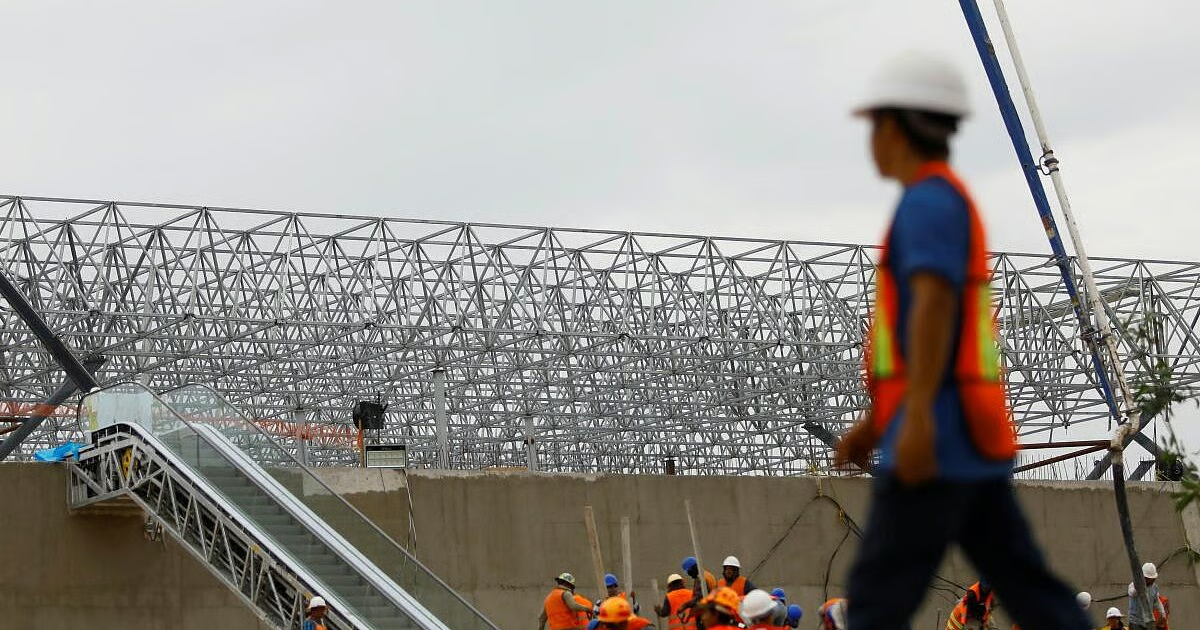
Israel labor crisis is rapidly reshaping the country’s workforce as Palestinians are increasingly replaced by foreign workers, raising economic, political, and humanitarian concerns. In recent months, restrictions on Palestinian labor access following escalating tensions have pushed Israel to recruit workers from countries like India, Thailand, and Sri Lanka. This shift is not just about labor shortages—it reflects deeper geopolitical tensions and long-term structural changes in the region.
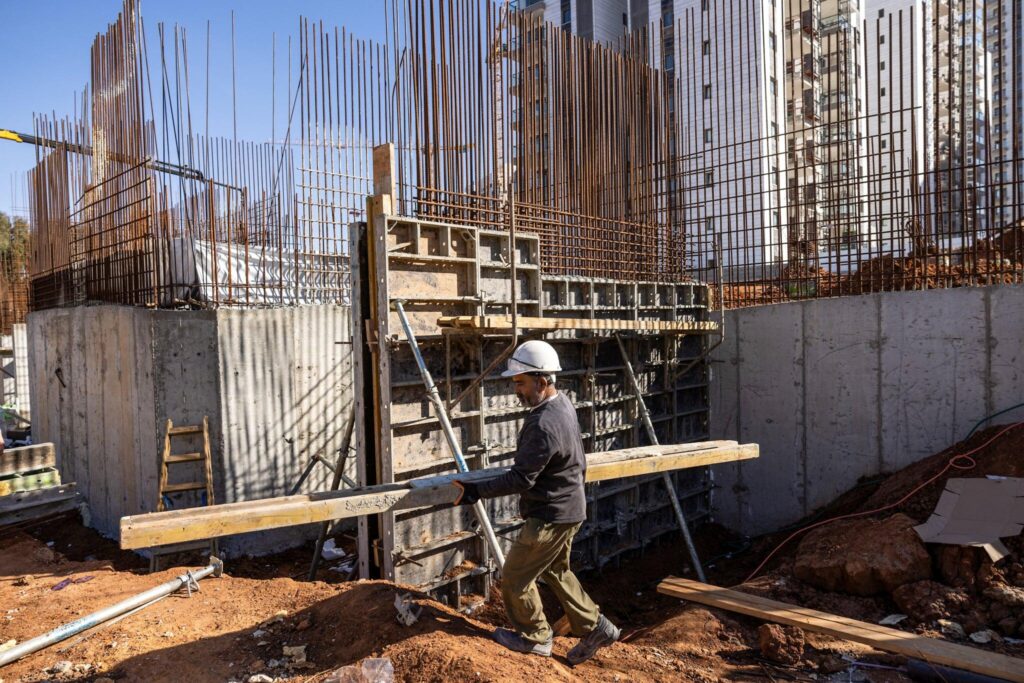
For decades, Palestinian workers formed a critical part of Israel’s construction, agriculture, and service sectors. Now, with tightened security controls and ongoing conflict between Israel and the Palestinian territories, that labor pipeline has been disrupted. The result is a fast-moving transition that affects businesses, workers, and the broader Middle East economy.
Why Palestinian Workers Were Central to Israel’s Economy
For years, Palestinian labor was deeply integrated into Israel’s economy. Tens of thousands of workers crossed daily from the West Bank into Israeli cities, filling jobs that many Israelis were unwilling to take due to low wages or physically demanding conditions. Industries such as construction and agriculture depended heavily on this workforce.
These workers were not only cost-effective but also experienced and geographically close. Their presence allowed Israeli companies to maintain efficiency and competitive pricing. In many cases, Palestinian workers earned significantly higher wages than they would locally, creating a mutually beneficial economic relationship despite political tensions.
What Changed After the Latest Conflict Escalation
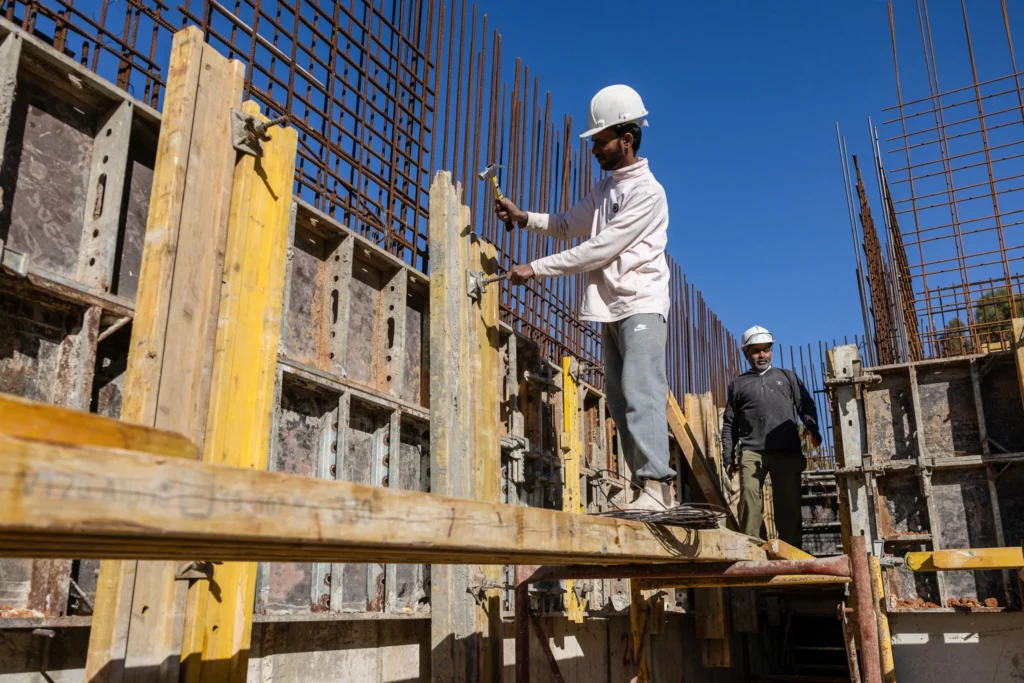
Following heightened tensions and security concerns, Israel imposed stricter controls on Palestinian movement. Work permits were suspended or significantly reduced, cutting off access for thousands of workers almost overnight. This created an immediate labor shortage in key industries.
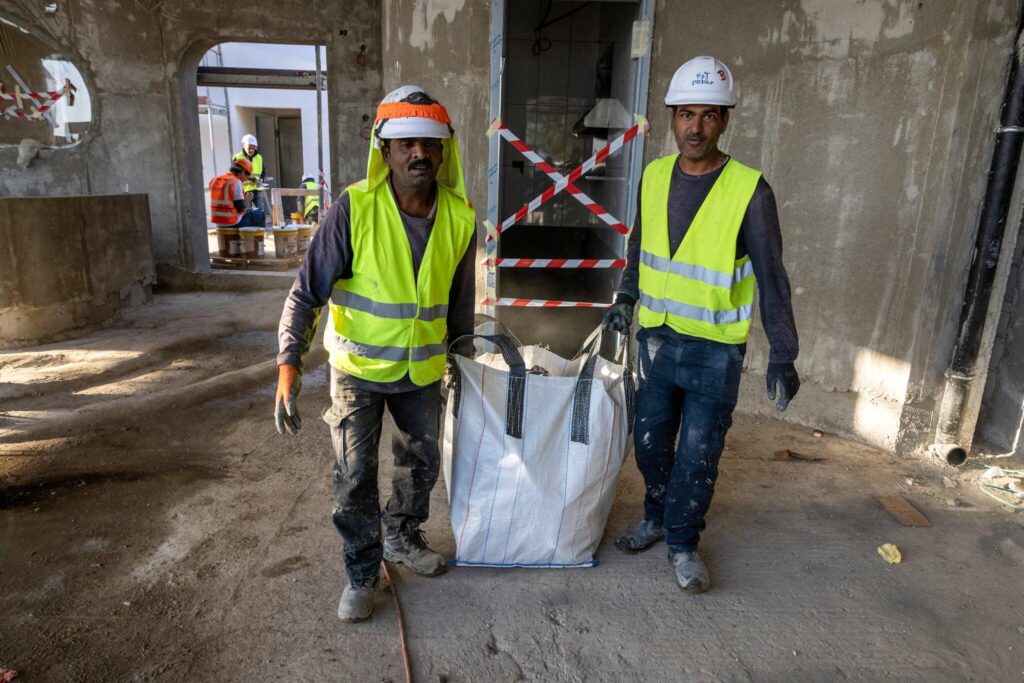
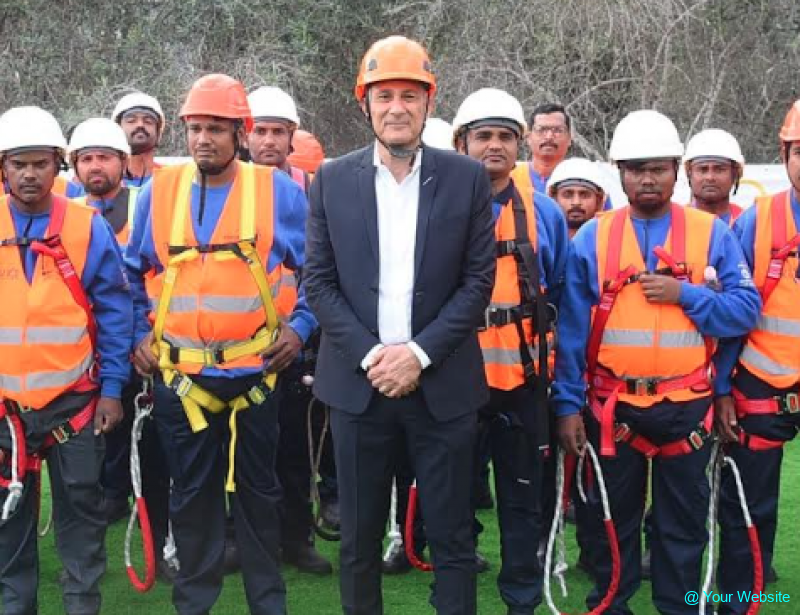
In response, Israel accelerated the recruitment of foreign workers. Agreements were quickly signed with countries like India to bring in construction laborers, while agricultural sectors turned to Southeast Asian workers. This shift was rapid and strategic, aiming to stabilize the economy while addressing security concerns tied to cross-border labor.
Rise of Foreign Workers and New Labor Agreements
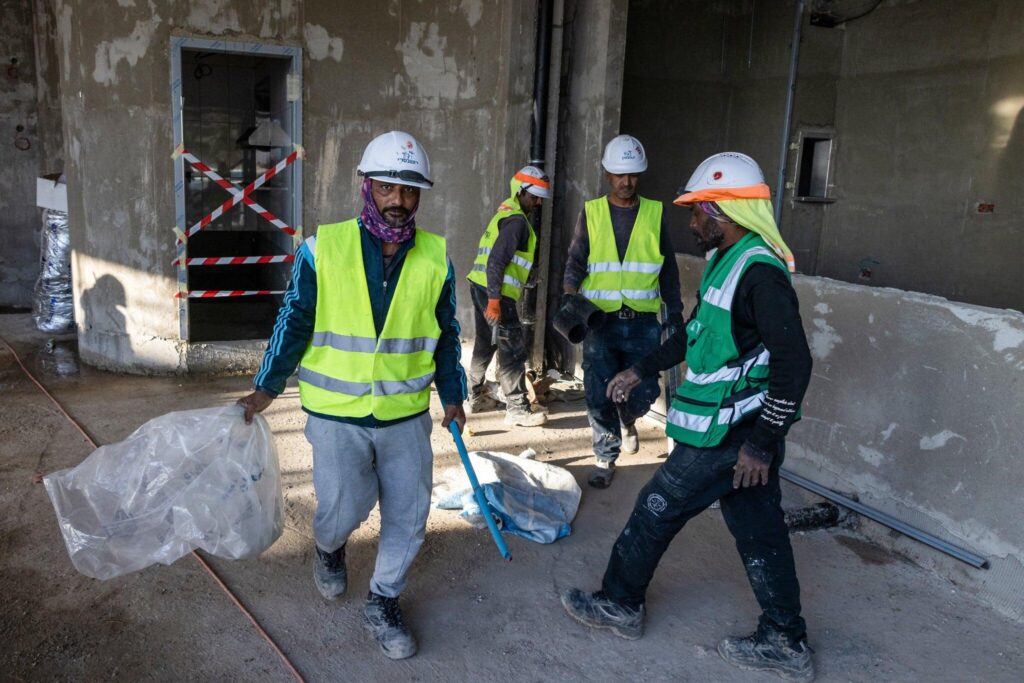
Israel’s move to foreign labor is not entirely new, but the scale has increased dramatically. Recruitment agencies have begun sourcing workers from Asia and Eastern Europe, often under government-to-government agreements designed to streamline the process.
However, foreign labor comes with challenges. These workers often require training, face language barriers, and may demand higher logistical costs, including housing and relocation. While they help fill immediate gaps, they are not always a perfect replacement for experienced Palestinian workers who were already familiar with local systems and practices.
Economic Impact on Israel and Palestinian Territories
The economic effects of this shift are significant on both sides. In Israel, businesses face higher costs and slower productivity as they transition to new labor forces. Construction delays and agricultural inefficiencies have already been reported in some regions.
For Palestinians, the impact is even more severe. Loss of access to Israeli jobs means reduced household income, increased unemployment, and growing economic instability in the West Bank. This shift could deepen existing inequalities and further strain already fragile economic conditions.
Why This Matters Now
This situation goes beyond labor—it signals a long-term transformation in regional economic dynamics. If Israel continues to rely more on foreign workers, the traditional economic link between Israelis and Palestinians could weaken permanently.
That has broader implications for peace, stability, and future negotiations. Economic interdependence has historically been seen as a stabilizing factor in conflict zones. Removing that connection may reduce incentives for cooperation and increase long-term tensions.
What Happens Next: Long-Term Implications
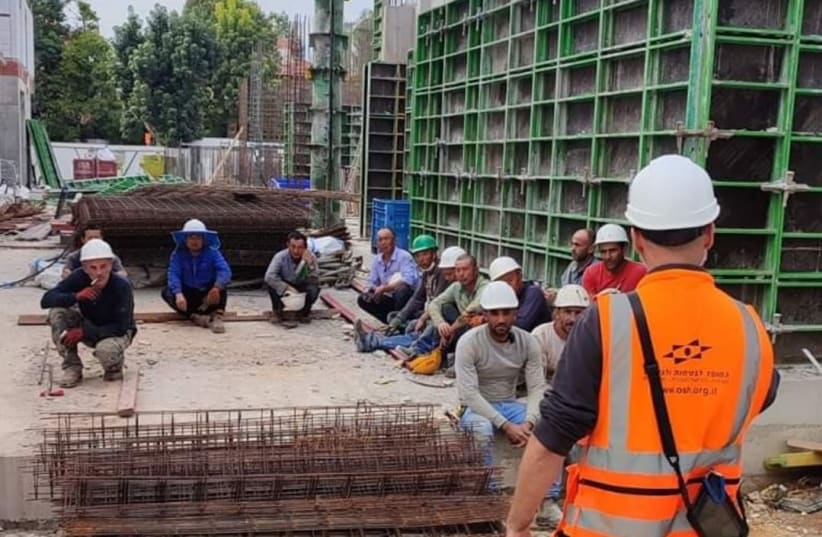
Looking ahead, the future of labor in Israel remains uncertain. If security concerns persist, foreign labor could become the new norm. This would reshape industries, workforce policies, and even immigration strategies.
At the same time, international scrutiny is likely to grow. Labor rights, worker conditions, and geopolitical consequences will remain in focus as this transition continues. For global audiences, especially in the United States and Europe, this story highlights how economic systems are deeply tied to political realities.
The coming months will be critical in determining whether this shift is temporary or marks a permanent change in the region’s economic structure.
Subscribe to trusted news sites like USnewsSphere.com for continuous updates.