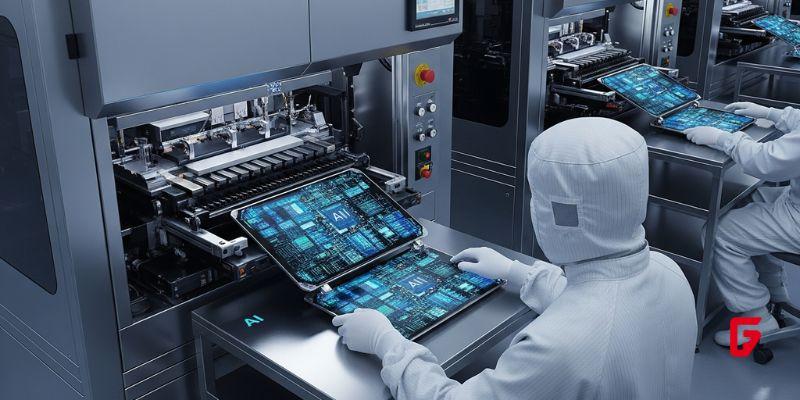
AI boom in Korea and Taiwan is rapidly transforming global technology markets, supply chains, and investment opportunities, positioning both economies as key drivers of the next digital revolution. These nations are not just participating in AI growth—they are shaping it through semiconductor dominance, advanced manufacturing, and aggressive policy support.
This matters now because artificial intelligence is no longer a future concept—it is actively reshaping industries from finance to healthcare. With global demand for AI chips and infrastructure surging, countries like South Korea and Taiwan are becoming central to economic power shifts, especially for U.S. tech companies and investors.
In this article, you will learn how the AI boom works in these countries, why it matters for global markets (especially the U.S.), the financial opportunities and risks involved, and actionable strategies to benefit from this trend.
Core Explanation: Why Korea and Taiwan Are Leading the AI Boom
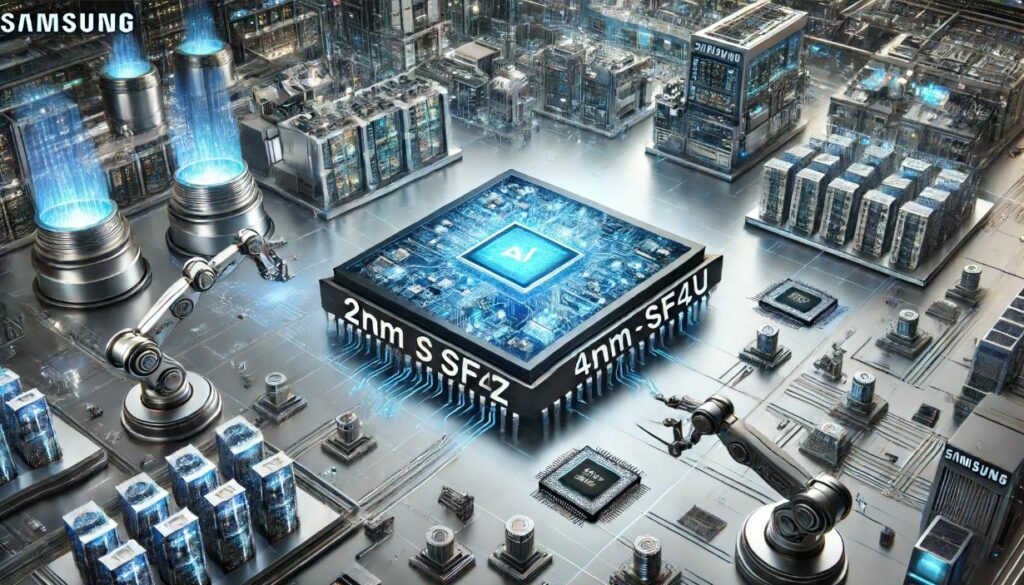
The AI boom is heavily dependent on advanced semiconductor manufacturing, and this is where Korea and Taiwan dominate. Taiwan is home to TSMC, the world’s largest chip manufacturer, producing cutting-edge processors used in AI systems. Meanwhile, South Korea’s Samsung Electronics leads in memory chips, which are critical for AI data processing.
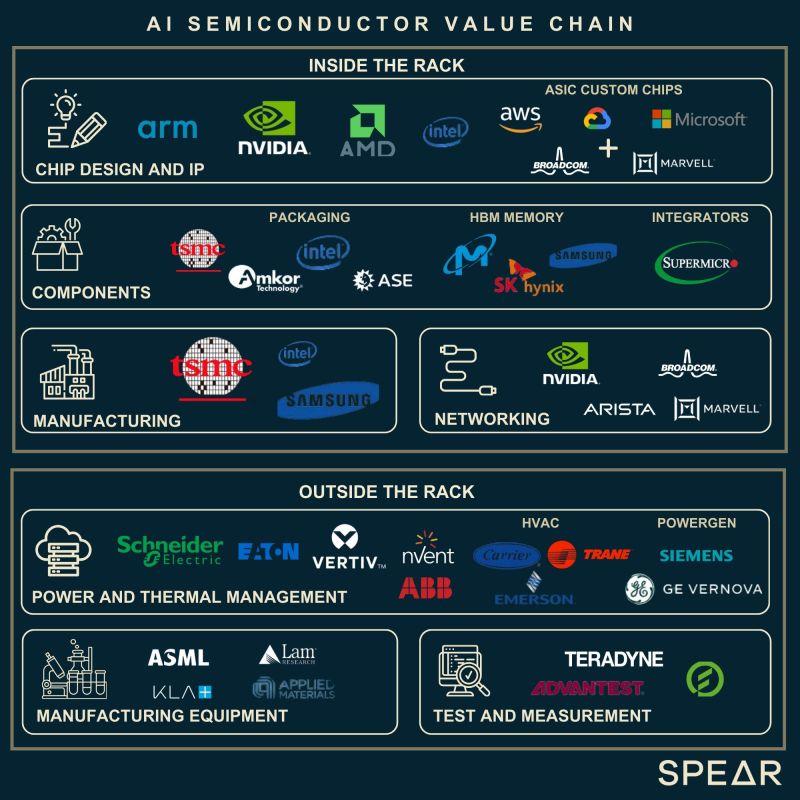
These companies are deeply integrated into the global tech ecosystem, supplying major U.S. firms like NVIDIA, Apple, and Microsoft. Without their infrastructure, AI development would slow significantly.
Governments in both countries are also investing heavily in AI. South Korea has announced multi-billion-dollar AI strategies, while Taiwan continues to strengthen its semiconductor ecosystem. This combination of private innovation and public investment creates a powerful growth engine.
How the AI Boom Works: Step-by-Step Breakdown
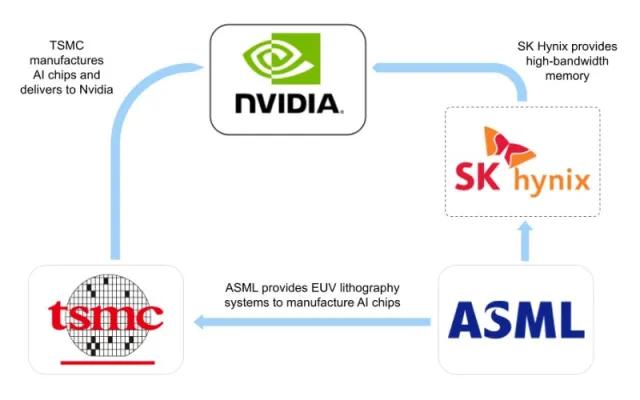
AI growth begins with demand from industries such as cloud computing, autonomous vehicles, and financial analytics. Companies in the U.S. and globally require high-performance chips to train AI models, driving demand for advanced semiconductors.
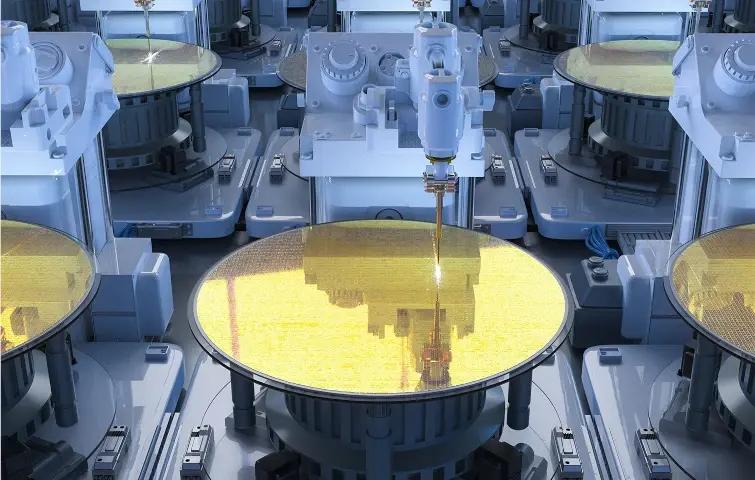
Next, companies like TSMC manufacture these chips using extremely advanced fabrication processes. These chips are then supplied to firms such as NVIDIA, which designs AI-specific processors like GPUs.
The third step involves integration into data centers and cloud platforms. U.S. tech giants build massive AI infrastructure powered by these chips, enabling services like machine learning, generative AI, and automation.
Finally, the output reaches end users—businesses and consumers—through applications like AI trading systems, chatbots, healthcare diagnostics, and enterprise software. This creates a full economic cycle where Korea and Taiwan remain foundational suppliers.
Benefits and Risks of the AI Boom
The benefits are substantial. First, economic growth in Korea and Taiwan is accelerating due to rising exports of semiconductors. Second, global investors are gaining access to high-growth sectors tied to AI infrastructure. Third, U.S. companies benefit from reliable supply chains that enable innovation.
However, there are risks. Geopolitical tensions involving Taiwan pose a major threat to global chip supply. Any disruption could impact industries worldwide, including finance and defense.
Another risk is overdependence. The global economy is becoming increasingly reliant on a few key manufacturers. This concentration creates vulnerability, especially if production slows or demand shifts.
Lastly, the AI boom is capital-intensive. Companies investing heavily in AI infrastructure may face financial pressure if returns take longer than expected.
Financial Impact and Cost Breakdown
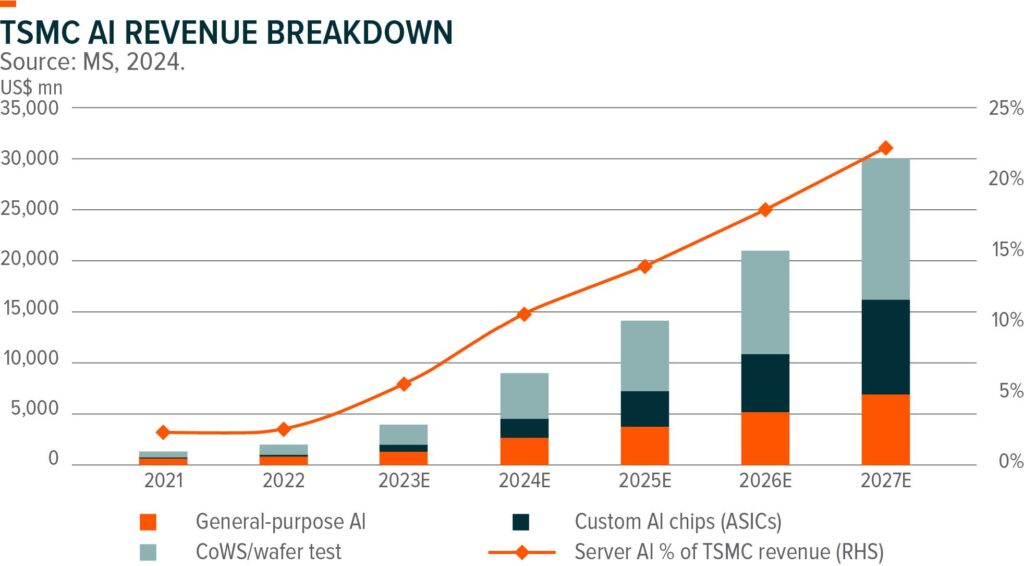
The financial scale of the AI boom is massive. TSMC alone is investing over $30–40 billion annually in semiconductor manufacturing. Samsung is also committing tens of billions to expand its chip production capabilities.
In the U.S., companies like NVIDIA have seen market valuations surge beyond $1 trillion due to AI demand. This growth is directly linked to supply chains in Korea and Taiwan.
For investors, this translates into multiple opportunities. Semiconductor stocks, AI ETFs, and tech infrastructure companies are all benefiting. For example, a $10,000 investment in AI-related stocks over the past few years has often outperformed traditional indices.
However, costs are rising as well. Building AI data centers can cost billions, and energy consumption is becoming a major expense. This means companies must balance growth with operational efficiency.

Comparison: Korea and Taiwan vs Other AI Markets
Compared to the U.S., Korea and Taiwan focus more on hardware production rather than software development. While the U.S. leads in AI innovation, these Asian economies dominate the physical infrastructure required to run AI systems.
China is also investing heavily in AI, but it faces restrictions on advanced chip access. This gives Korea and Taiwan a strategic advantage in global markets.
Europe, on the other hand, is slower in AI adoption due to regulatory frameworks. This makes Korea and Taiwan even more critical to the global AI supply chain.
Expert Tips and Best Strategies
Investors should focus on companies involved in the semiconductor supply chain. This includes chip manufacturers, equipment providers, and data center operators.
Diversification is key. Instead of investing in a single company, consider spreading investments across multiple AI-related sectors to reduce risk.
Timing also matters. AI is a long-term trend, so adopting a long-term investment strategy rather than short-term speculation can lead to better returns.

Frequently Asked Questions
What makes Korea and Taiwan central to the AI boom?
Korea and Taiwan are central because they produce the majority of the world’s advanced semiconductors. These chips are essential for AI systems, making these countries critical to global technology infrastructure.
Their dominance is not accidental—it is the result of decades of investment, innovation, and government support. This gives them a competitive advantage that is difficult to replicate.
How does the AI boom affect U.S. investors?
The AI boom creates significant opportunities for U.S. investors through exposure to high-growth tech sectors. Companies relying on AI infrastructure are seeing rapid revenue growth.
However, investors must also consider risks such as geopolitical tensions and market volatility. Diversification and research are essential.
Is investing in semiconductor companies a good strategy?
Investing in semiconductor companies can be highly profitable due to the increasing demand for AI chips. These companies are at the core of the AI ecosystem.
That said, the sector is cyclical, meaning prices can fluctuate. Long-term investment strategies are generally more effective.
What are the biggest risks to the AI supply chain?
The biggest risks include geopolitical tensions, supply disruptions, and overdependence on a few key players. Taiwan’s strategic position makes it particularly vulnerable.
Additionally, global economic slowdowns could reduce demand for AI infrastructure, impacting growth.
How will AI impact global job markets?
AI will create new job opportunities in tech, data science, and engineering while automating repetitive tasks. This shift will require workforce adaptation and upskilling.
Countries leading in AI infrastructure, like Korea and Taiwan, are likely to see significant employment growth in high-tech industries.
Can smaller economies compete in the AI boom?
Smaller economies can participate by focusing on niche areas such as software, AI services, or specialized hardware. However, competing with Korea and Taiwan in semiconductor manufacturing is extremely challenging.
Collaboration and innovation are key for smaller players to remain relevant.
Conclusion
The AI boom in Korea and Taiwan is not just a regional trend—it is a global transformation shaping the future of technology, finance, and economic power. These countries have positioned themselves at the center of the AI revolution through strategic investments and technological leadership.
Looking ahead, the importance of these nations will only grow as AI adoption accelerates worldwide. For investors, businesses, and policymakers, understanding this shift is essential to staying competitive in an increasingly AI-driven world.
Subscribe to trusted news sites like USnewsSphere.com for continuous updates.