Wall Street Volatility Surges: How Geopolitical Tensions Are Shaking US Markets in 2026 — Financial markets across the United States are experiencing a sharp rise in volatility as geopolitical tensions intensify in 2026, sending shockwaves through the Dow Jones, S&P 500, and Nasdaq. Investors are reacting quickly to uncertainty surrounding global conflicts, energy supply risks, and inflation concerns, triggering rapid sell-offs and sudden rebounds within the same trading sessions.
Unlike gradual market corrections, this phase of volatility is driven by headline risk—where each geopolitical update can swing billions of dollars in market value within minutes. For investors, traders, and institutions, this environment is not just challenging—it’s redefining how capital is allocated and risk is managed in real time.
Why Wall Street Volatility Is Rising Sharply in 2026


The surge in market volatility is closely tied to escalating geopolitical tensions, particularly in regions that influence global energy supply chains. When uncertainty rises, markets react instantly—not just to actual events, but to expectations and fears about what might happen next.
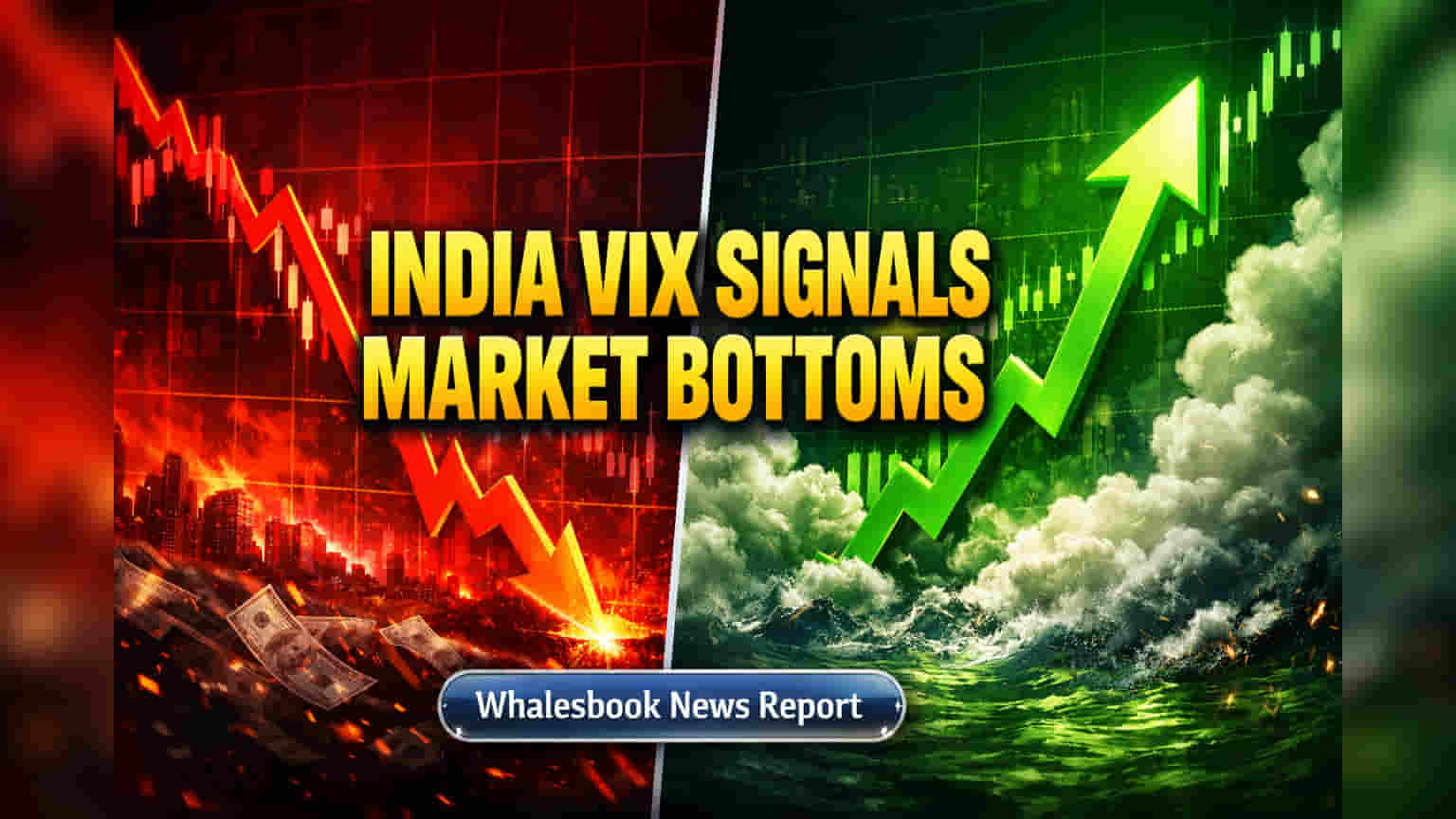
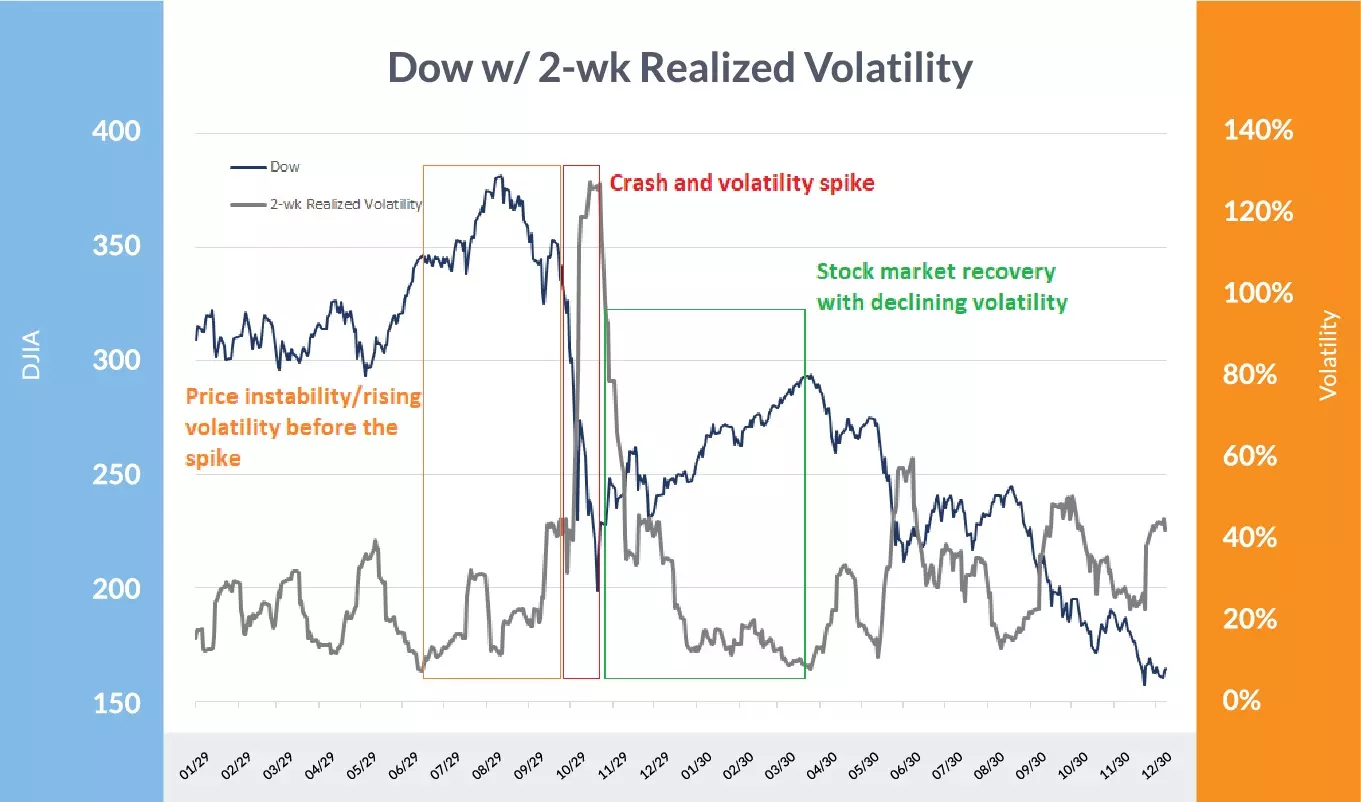
One of the most significant indicators of this volatility is the spike in the VIX (Volatility Index), often referred to as the “fear gauge.” In recent sessions, the VIX has climbed sharply, signaling increased investor anxiety. Historically, such spikes are associated with market corrections, sudden price swings, and reduced risk appetite.
Additionally, algorithmic trading and high-frequency trading systems amplify these movements. As soon as negative headlines hit the market, automated systems execute sell orders at scale, accelerating declines and increasing short-term instability.
Recent Market Data Shows Extreme Price Swings


Recent trading data highlights how unpredictable the market has become. Major indices are no longer moving in steady trends but are experiencing sharp intraday swings.
- The Dow Jones Industrial Average has recorded multiple sessions with swings exceeding 400–700 points
- The S&P 500 has shown rapid reversals within hours, reflecting indecision among investors
- The Nasdaq Composite, heavily weighted toward technology stocks, has seen the most dramatic fluctuations
This kind of volatility indicates a market that is struggling to find direction. Institutional investors are repositioning portfolios frequently, while retail investors are reacting to short-term price movements.
Moreover, trading volumes have increased significantly, suggesting heightened participation and urgency in decision-making across the market.
Geopolitical Tensions and Their Direct Impact on Markets


Geopolitical tensions, especially in energy-critical regions, have a direct and immediate impact on financial markets. In 2026, conflicts and diplomatic uncertainties are raising concerns about oil supply disruptions, trade routes, and global economic stability.
When oil prices rise due to supply fears, inflation expectations also increase. This creates a chain reaction:
- Higher energy costs impact businesses and consumers
- Inflation pressures central banks to maintain or raise interest rates
- Higher rates reduce stock valuations, especially in growth sectors
Additionally, safe-haven assets like gold and U.S. Treasury bonds are seeing increased demand, indicating a shift toward capital preservation.
Sector-Wise Breakdown: Who’s Winning and Losing
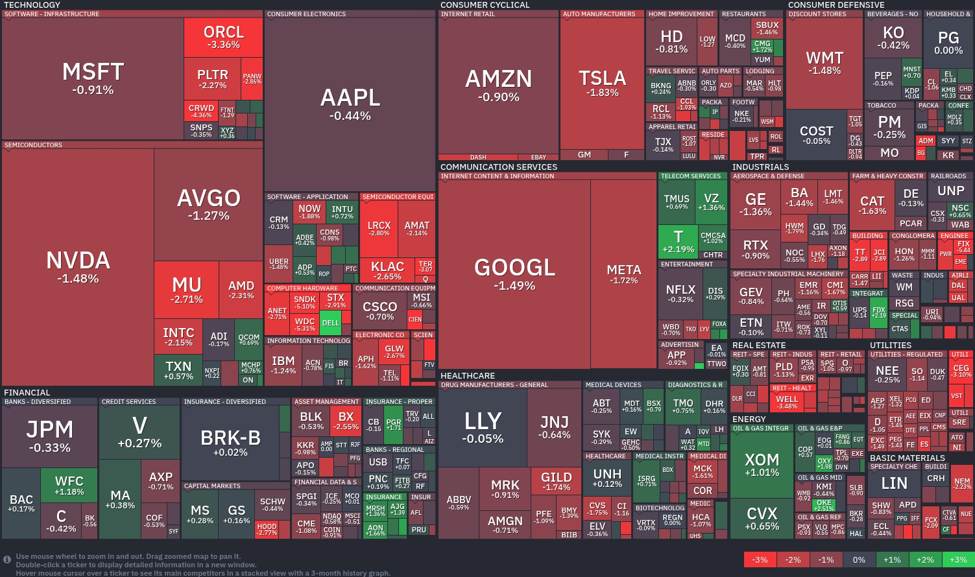
Not all sectors are reacting the same way to increased volatility. Understanding sector performance is critical for navigating current market conditions.
Sectors Facing Pressure
Technology stocks are experiencing heavy selling due to their sensitivity to interest rates and global uncertainty. Consumer discretionary companies are also under pressure as economic uncertainty affects spending patterns.
Sectors Showing Strength
Energy companies are benefiting from rising oil prices, while defense stocks are gaining due to increased geopolitical risk. Utilities and healthcare are also attracting investors seeking stability.
This divergence highlights a clear rotation in the market—from growth to defensive and value-oriented investments.
What Smart Investors Are Doing in This Volatile Market


Experienced investors are not reacting emotionally to volatility—they are adapting strategically. One of the most common approaches is diversification across asset classes, including commodities, bonds, and international markets.
Another key strategy is hedging. Investors are using options and volatility-based instruments to protect portfolios from sudden declines. This helps reduce downside risk while maintaining exposure to potential upside.
Long-term investors are also taking advantage of market dips to accumulate high-quality stocks at discounted prices. Instead of trying to time the market, they focus on fundamentals and future growth potential.
Market Outlook: What Could Happen Next in 2026
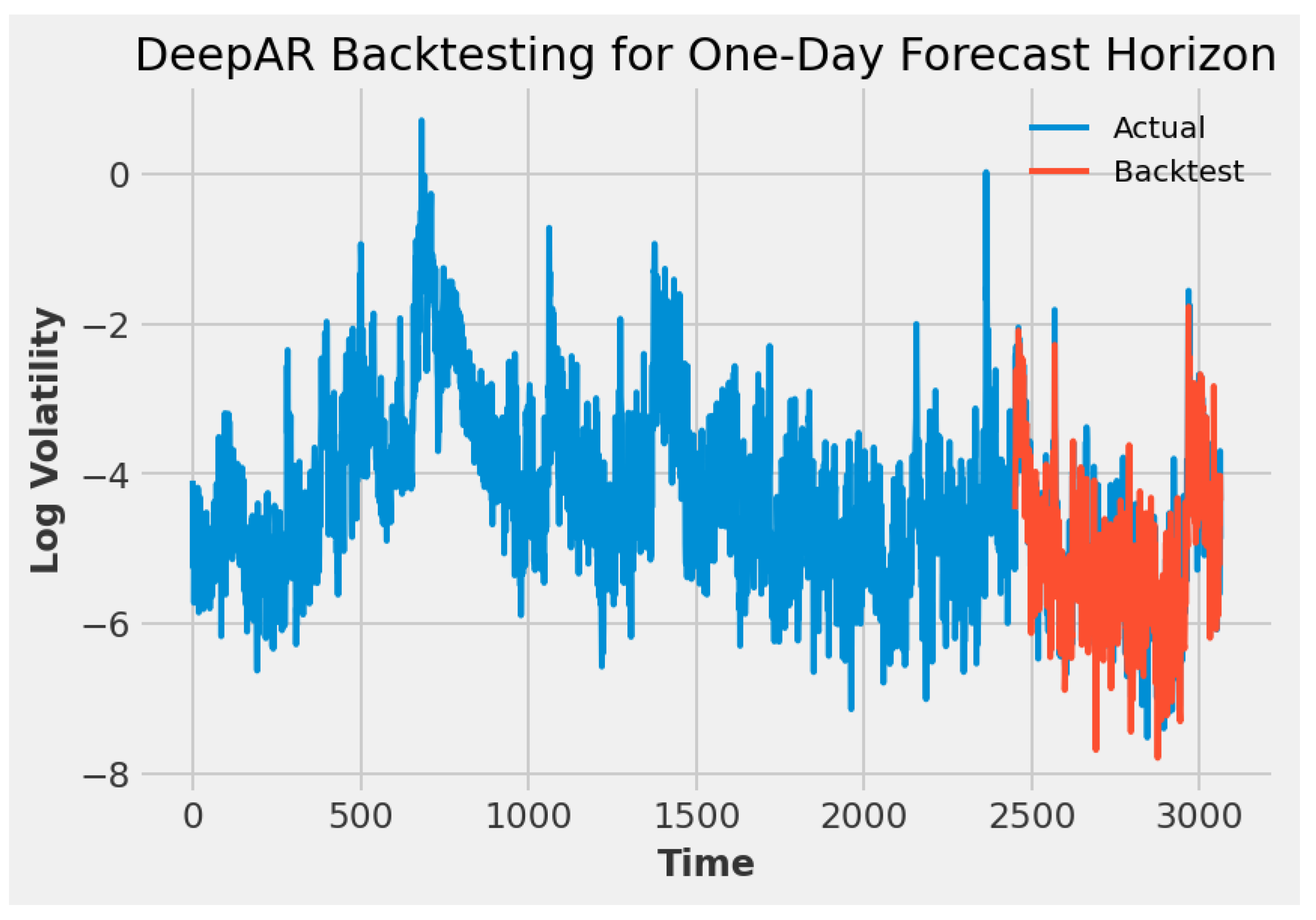
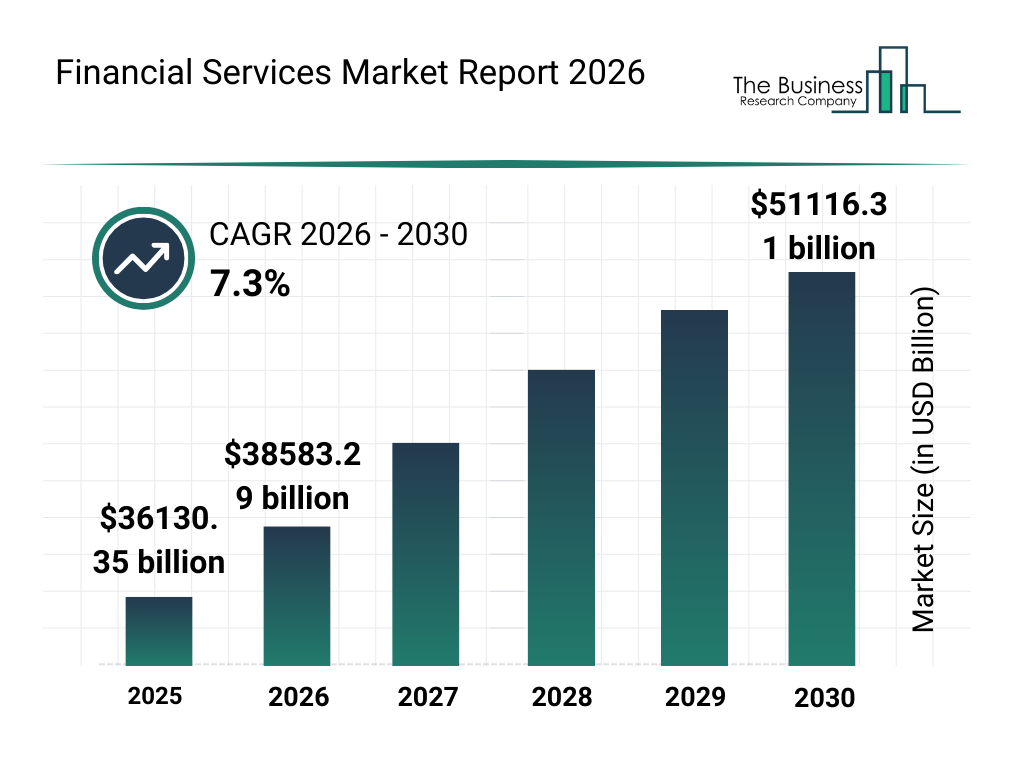

Looking ahead, the market outlook remains uncertain. Much will depend on how geopolitical tensions evolve and how central banks respond to inflation pressures.
If tensions ease, markets could stabilize and resume an upward trend. However, if conflicts escalate further, volatility is likely to persist, with potential downside risks.
Key factors to monitor include:
- Oil price movements
- Federal Reserve policy decisions
- Inflation data releases
- Corporate earnings trends
Experts suggest that while short-term volatility may continue, long-term market fundamentals remain strong. Economic growth, technological innovation, and corporate resilience continue to support the broader market outlook.
Turning Volatility into Opportunity
The surge in Wall Street volatility in 2026 is a clear reminder that financial markets are deeply interconnected with global events. While geopolitical tensions are creating uncertainty, they are also presenting opportunities for informed and strategic investors.
Understanding market dynamics, staying diversified, and focusing on long-term goals are essential for navigating this environment. Volatility, while uncomfortable, is not necessarily negative—it often creates entry points for future growth.
Investors who remain disciplined and informed are better positioned to turn market disruptions into long-term success.
Subscribe to trusted news sites like USnewsSphere.com for continuous updates.