
A confirmed case of Hantavirus in Switzerland has triggered renewed global attention toward this rare but potentially deadly infection. Health authorities identified the case recently, prompting investigations into how the virus was contracted and whether there is any wider public risk. Hantavirus infections are uncommon in Europe compared to parts of Asia and the Americas, but when they do occur, they often lead to serious respiratory or kidney complications.
This development matters now because increased global travel, climate shifts, and human exposure to rodent habitats are raising the chances of such infections appearing in new regions. While officials stress that the overall risk to the general public remains low, experts are urging awareness and preventive action to reduce exposure.
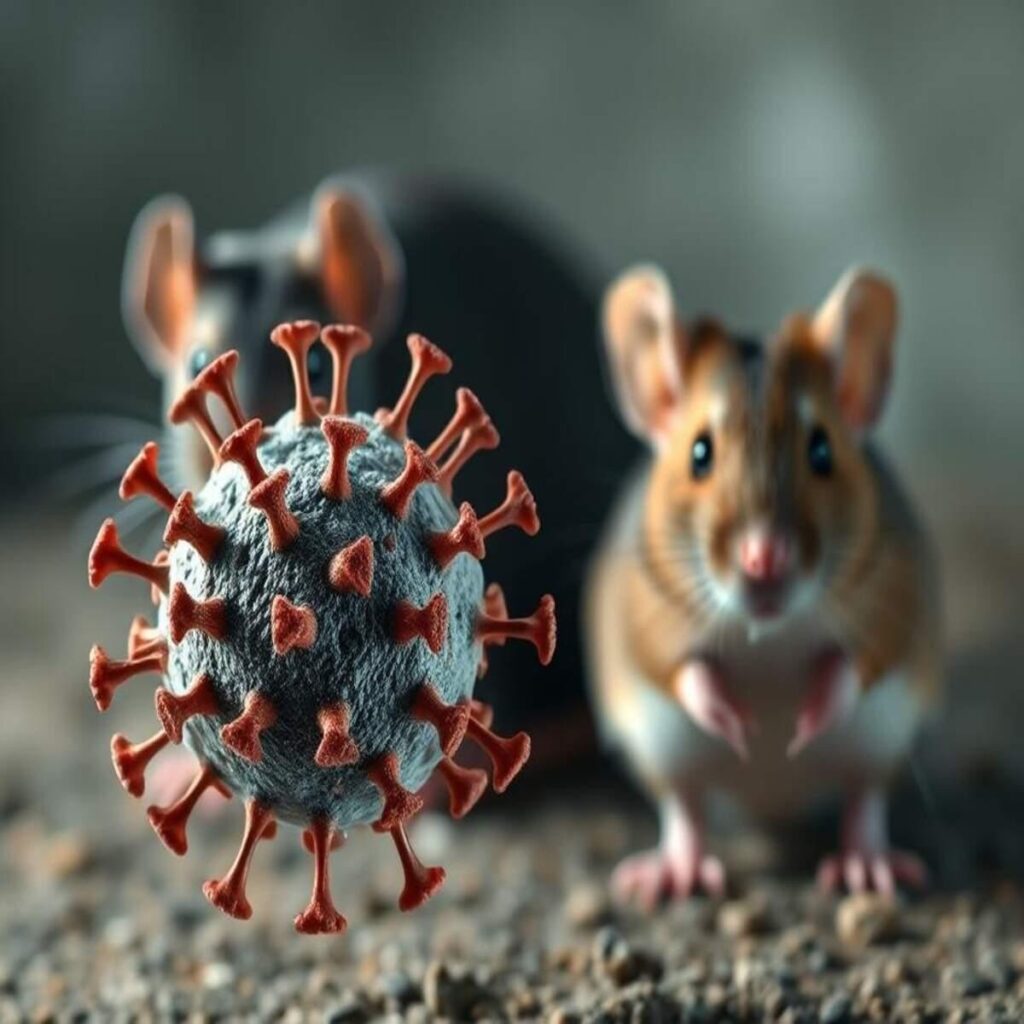
What hantavirus is and how it spreads
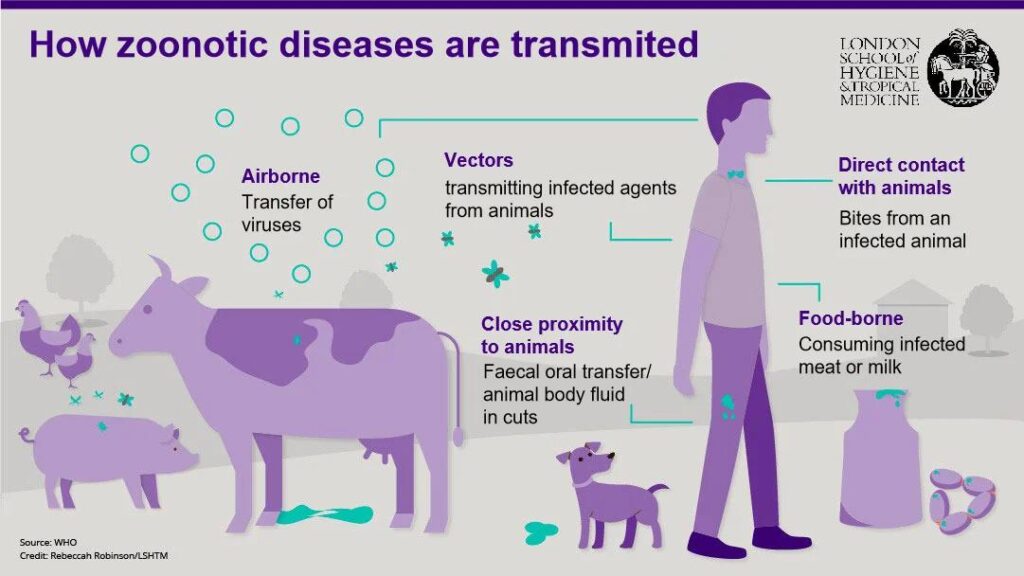
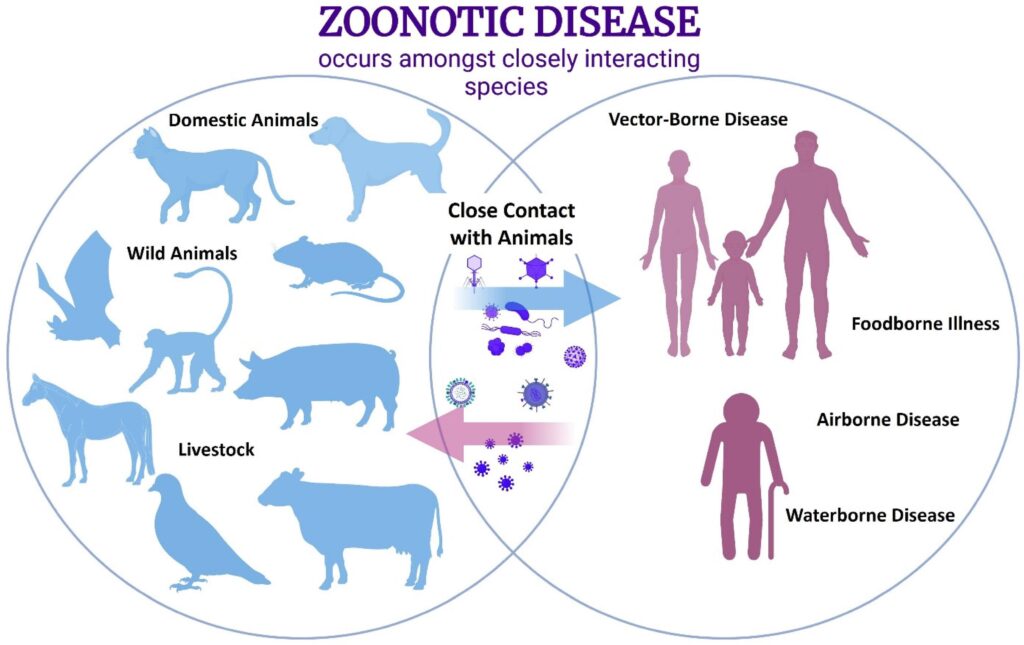
Hantavirus refers to a group of viruses primarily carried by rodents, especially mice and rats. Humans typically become infected through contact with rodent droppings, urine, or saliva. The virus can also spread when contaminated particles become airborne and are inhaled, making enclosed spaces like barns, cabins, or storage areas particularly risky.
Unlike many viral diseases, hantavirus does not usually spread from person to person in most cases. This makes it less likely to cause widespread outbreaks, but it still poses a serious health risk for individuals exposed to contaminated environments. In Europe, strains often lead to hemorrhagic fever with renal syndrome (HFRS), while in the Americas, it can cause hantavirus pulmonary syndrome (HPS), which has a higher fatality rate.

Symptoms and severity of infection
The symptoms of hantavirus infection can vary depending on the strain, but they typically begin with flu-like signs such as fever, fatigue, muscle aches, and headaches. These early symptoms can easily be mistaken for common illnesses, which makes early detection challenging.
As the disease progresses, more severe complications can develop. In some cases, patients experience difficulty breathing, low blood pressure, or kidney failure. According to global health data, certain forms of hantavirus can have mortality rates ranging from 5% to nearly 40%, depending on the region and virus type. Early medical attention significantly improves survival chances, which is why awareness is critical.
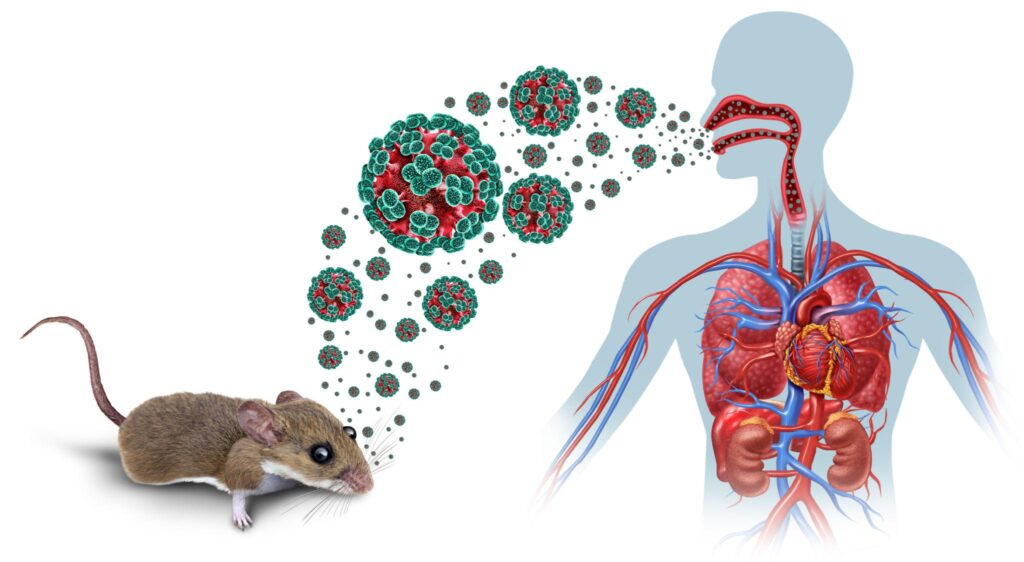
Why this case matters now
The recent case in Switzerland highlights a broader trend: infectious diseases once considered region-specific are now appearing in new locations. Factors such as urban expansion, deforestation, and climate change are increasing human contact with wildlife, including rodents that carry hantavirus.
This matters now because public health systems worldwide are already under pressure from emerging and re-emerging diseases. Even a single case can act as an early warning signal. It reminds governments and health organizations to strengthen surveillance, improve diagnostic capabilities, and educate the public about preventive measures.
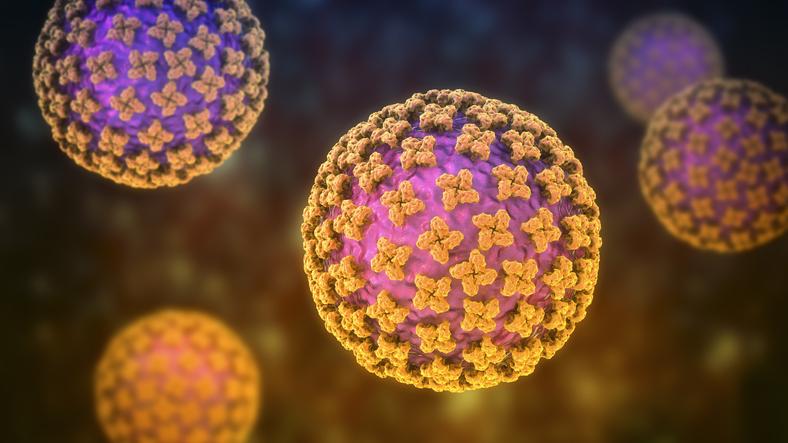
Global perspective and rising awareness
Globally, hantavirus cases are relatively rare, but they are not new. Countries like China report thousands of cases annually, while the United States sees a smaller number of cases each year. Europe has also recorded sporadic cases, particularly in countries like Germany, Finland, and Sweden.
The Switzerland case adds to this global pattern and underscores the importance of cross-border health monitoring. International collaboration between health agencies plays a key role in identifying outbreaks early and preventing further spread. Increased awareness among travelers, outdoor workers, and rural populations is also essential to reduce risk.
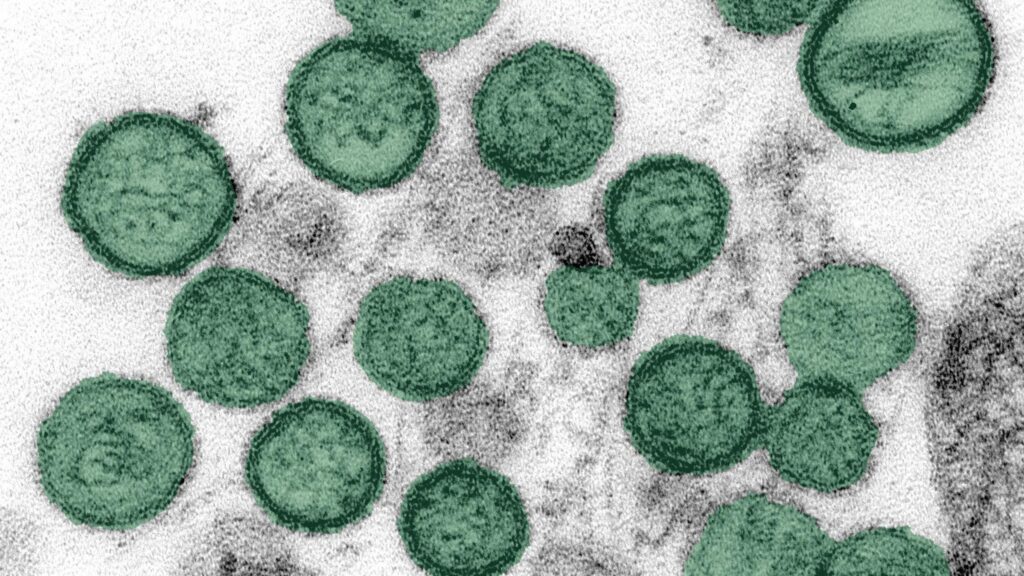
How to protect yourself from hantavirus
Preventing hantavirus infection largely comes down to minimizing contact with rodents and their habitats. Keeping homes and storage areas clean, sealing entry points, and safely cleaning areas that may contain rodent droppings are key preventive steps. When cleaning potentially contaminated spaces, using gloves and masks can significantly reduce exposure.
For those living in or traveling to areas where hantavirus cases have been reported, awareness is the most powerful tool. Avoid disturbing rodent nests, ensure proper sanitation, and seek medical attention if flu-like symptoms appear after possible exposure. Public health officials emphasize that while the risk is low, simple precautions can make a significant difference.
What happens next after the Switzerland case
Health authorities in Switzerland are continuing to monitor the situation closely. Investigations are underway to determine the source of infection and whether there are any additional cases linked to it. So far, there is no indication of a broader outbreak, but surveillance efforts have been intensified.
This case serves as a reminder that even rare diseases can emerge unexpectedly. Staying informed, practicing preventive hygiene, and understanding early symptoms are crucial steps in protecting both individual and public health.
Subscribe to trusted news sites like USnewsSphere.com for continuous updates.