
Stock Market Shock: Why Rising Oil Prices and War Risks Are Hitting US Equities Hard — this headline is dominating financial discussions as global tensions and surging crude prices shake investor confidence across Wall Street. In recent weeks, U.S. equities have faced increased volatility driven by geopolitical instability, supply chain concerns, and persistent inflation fears. With oil prices climbing toward multi-month highs and war risks intensifying in key regions, investors are reassessing risk exposure and shifting capital toward safer assets.
Global Oil Price Surge Is Fueling Market Volatility

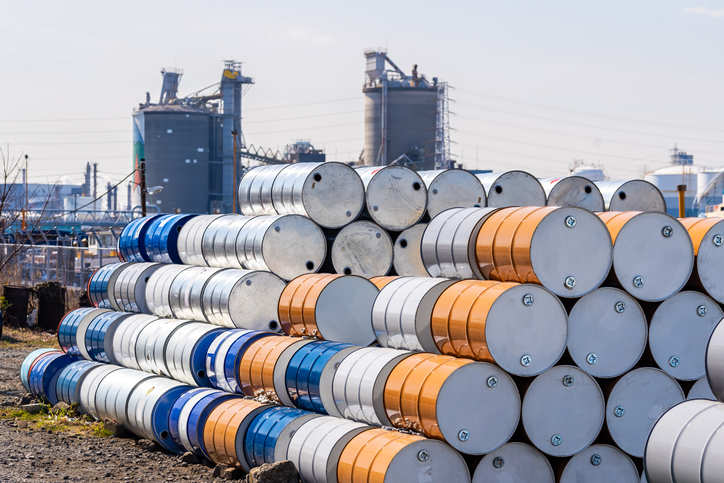

The sharp rise in oil prices has become one of the most critical drivers of recent stock market instability. Crude oil prices have surged due to supply constraints, production cuts, and geopolitical tensions in major oil-producing regions. Brent crude has been trading significantly higher compared to earlier months, reflecting tightening global supply conditions.
Higher oil prices directly impact corporate profitability. Industries such as transportation, manufacturing, and logistics face increased costs, which squeeze margins and reduce earnings expectations. As a result, investors often react by selling equities in affected sectors, contributing to broader market declines.
Additionally, rising oil prices fuel inflationary pressures. When energy costs increase, it affects everything from consumer goods to industrial production. This creates a ripple effect across the economy, forcing central banks to maintain or even increase interest rates, which further pressures stock valuations.
War Risks and Geopolitical Tensions Are Driving Investor Fear
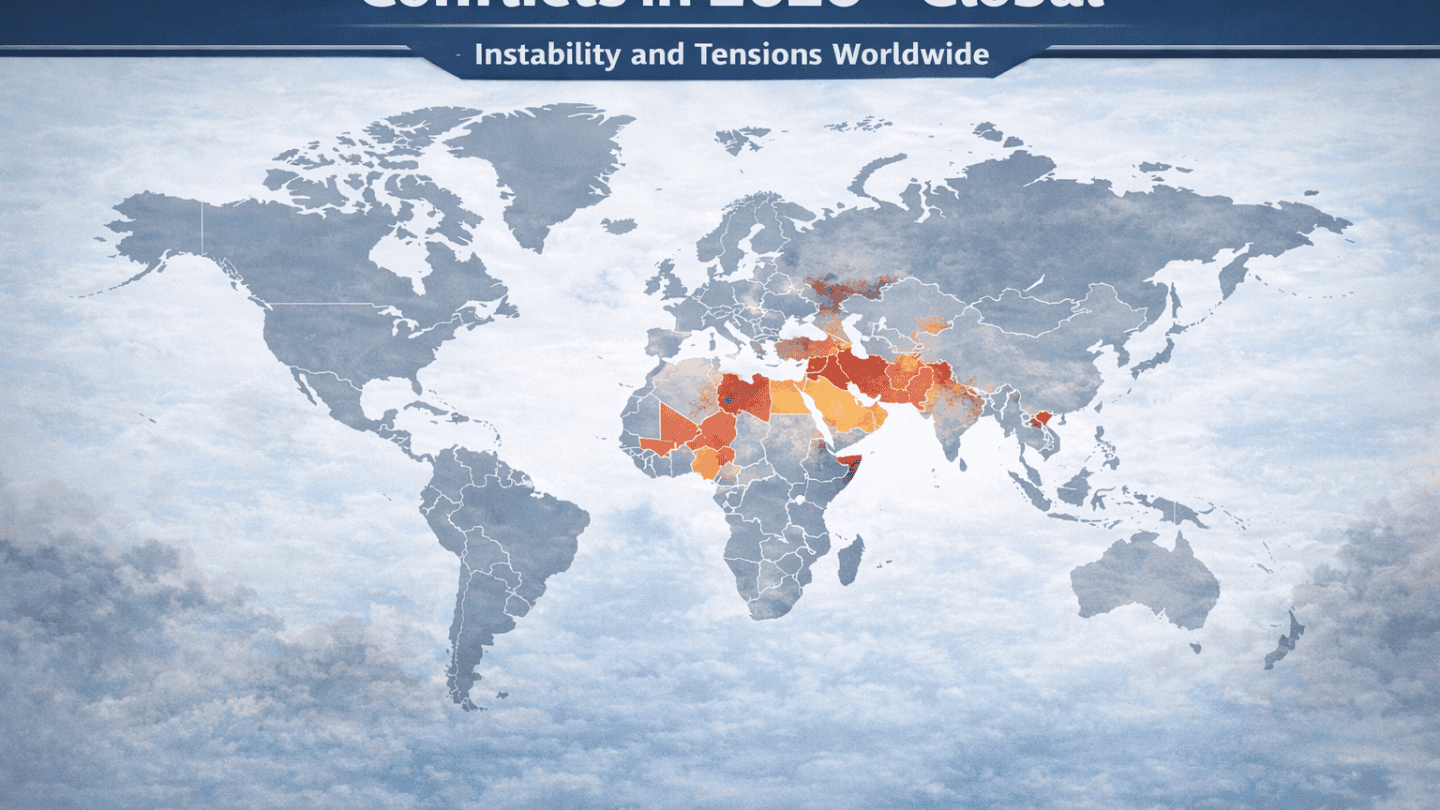


Geopolitical tensions have escalated significantly, particularly in oil-rich regions. Conflicts or threats of war disrupt global supply chains and create uncertainty in financial markets. Investors tend to react strongly to such risks, often moving their capital into safe-haven assets like gold, bonds, or the U.S. dollar.
War risks also increase defense spending expectations, shift government priorities, and impact global trade routes. For example, any disruption in major shipping lanes can delay oil shipments and increase costs, further driving energy prices upward.
Market sentiment is highly sensitive to geopolitical headlines. Even the possibility of escalation can trigger sharp sell-offs, as traders price in worst-case scenarios. This psychological factor amplifies volatility and accelerates market corrections.
Impact on US Equities: Sector-Wise Breakdown


The impact of rising oil prices and war risks is not uniform across all sectors. Some industries are hit harder, while others may benefit.
Technology Sector:
High-growth tech stocks are particularly sensitive to interest rate changes. As inflation rises due to oil prices, the likelihood of prolonged higher interest rates increases. This reduces the present value of future earnings, leading to declines in tech stock valuations.
Consumer Discretionary:
Higher fuel and energy costs reduce consumer spending power. As households allocate more money toward essentials, discretionary spending declines, affecting retail, travel, and entertainment sectors.
Industrial and Transportation:
Companies in logistics and manufacturing face higher operational costs due to increased fuel expenses. This directly impacts profit margins and leads to negative earnings revisions.
Energy Sector:
Interestingly, energy companies are among the few beneficiaries. Higher oil prices boost revenues and profitability for oil producers and energy firms, making them attractive during such periods.
Inflation, Interest Rates, and Market Pressure


One of the most significant consequences of rising oil prices is inflation. Energy is a core component of inflation indices, and sustained increases in oil prices can push inflation higher for extended periods.
The Federal Reserve closely monitors inflation trends. If inflation remains elevated, the Fed may delay rate cuts or even consider additional tightening measures. Higher interest rates increase borrowing costs for businesses and consumers, slowing economic growth.
Bond yields also tend to rise in such environments, making fixed-income investments more attractive compared to equities. This shift in capital allocation puts additional downward pressure on stock markets.
Furthermore, persistent inflation combined with slower growth raises the risk of stagflation—a scenario where economic growth stagnates while inflation remains high. This is one of the most challenging environments for equity markets.
Market Outlook: What Investors Should Expect Next


Looking ahead, market volatility is likely to remain elevated. The trajectory of oil prices and geopolitical developments will play a crucial role in determining market direction.
If oil prices continue to rise, inflation could remain stubbornly high, forcing central banks to maintain restrictive monetary policies. This would likely keep pressure on equities, especially growth-oriented sectors.
On the other hand, any signs of de-escalation in geopolitical tensions could provide relief to markets. Stabilization in oil supply and prices would help ease inflation concerns and improve investor sentiment.
Investors are increasingly focusing on defensive strategies. Diversification, allocation to energy stocks, and exposure to commodities are becoming more common as market participants seek to hedge against uncertainty.
Key Risks and Expert Insights Investors Must Watch
Financial experts highlight several critical risks that could shape market movements in the coming months.
One major risk is further escalation of geopolitical conflicts. Any disruption in major oil-producing regions could push prices significantly higher, intensifying inflation and market stress.
Another concern is central bank policy. If inflation proves more persistent than expected, prolonged high interest rates could lead to a deeper economic slowdown or even a recession.
Experts also warn about liquidity risks. During periods of high volatility, market liquidity can dry up, leading to sharper price swings and increased downside risks.
However, some analysts see opportunities amid the chaos. Energy stocks, commodities, and defensive sectors like healthcare and utilities may continue to outperform in this environment.
Navigating a Market Defined by Uncertainty
The current stock market environment is being shaped by a powerful combination of rising oil prices and escalating geopolitical risks. These factors are driving inflation, influencing central bank decisions, and creating widespread uncertainty across global financial markets.
For investors, this is a time to remain cautious yet strategic. Understanding macroeconomic trends, monitoring geopolitical developments, and maintaining a diversified portfolio are essential steps to navigate the ongoing volatility.
While short-term fluctuations may continue, long-term opportunities still exist for those who can adapt to changing market conditions. Staying informed and proactive will be key to managing risk and capitalizing on future market movements.
Subscribe to trusted news sites like USnewsSphere.com for continuous updates.