China property crisis deepens as economic pressures, declining demand, and mounting debt continue to shake one of the world’s largest real estate markets, raising serious concerns for global investors and policymakers. The issue centers on major developers struggling with liquidity, falling home sales, and declining consumer confidence. This matters now because China’s property sector accounts for nearly 25–30% of its GDP, meaning disruptions can ripple across global supply chains, financial markets, and economic growth forecasts.
China’s Real Estate Slowdown Is Reshaping the Economy
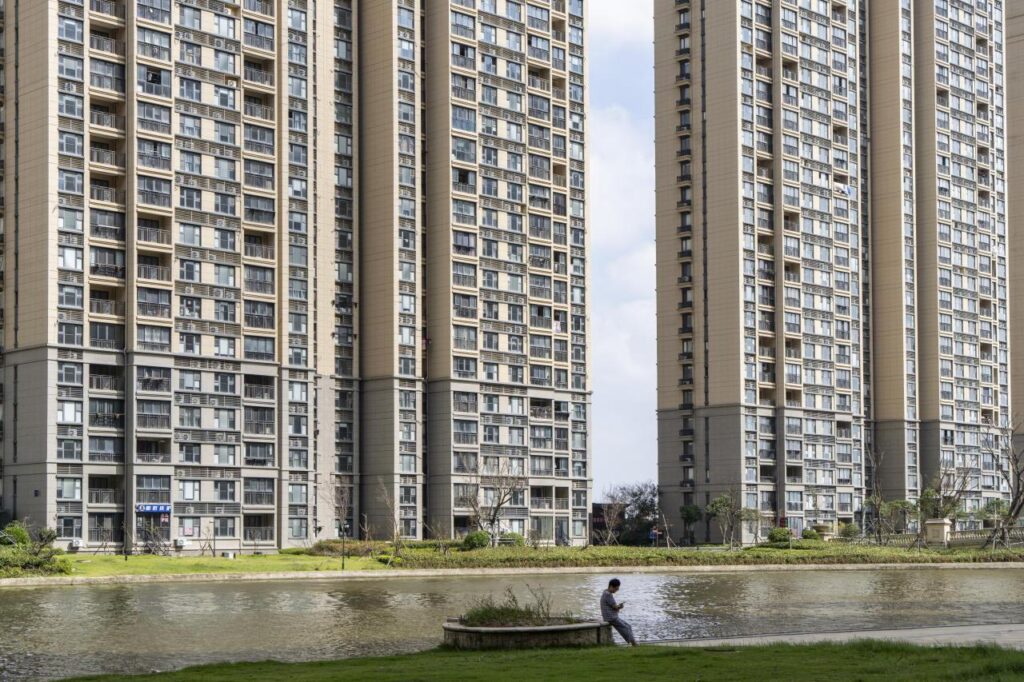
China’s property sector has long been a backbone of its economic growth, fueling construction, employment, and local government revenues. However, recent years have seen a dramatic slowdown. Housing demand has weakened due to population decline, urban saturation, and cautious consumer sentiment. Buyers are delaying purchases as prices stagnate or fall in several major cities.
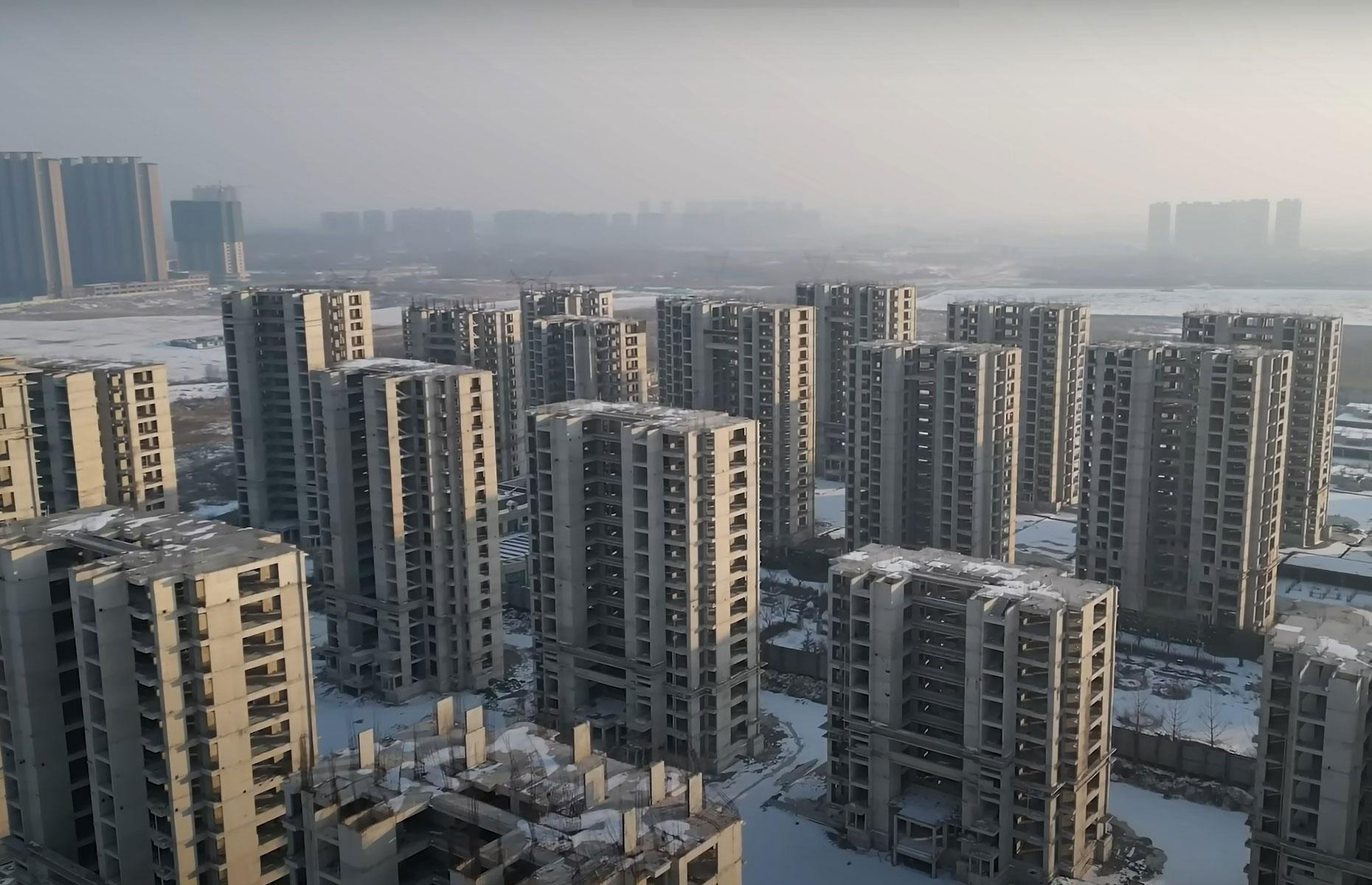
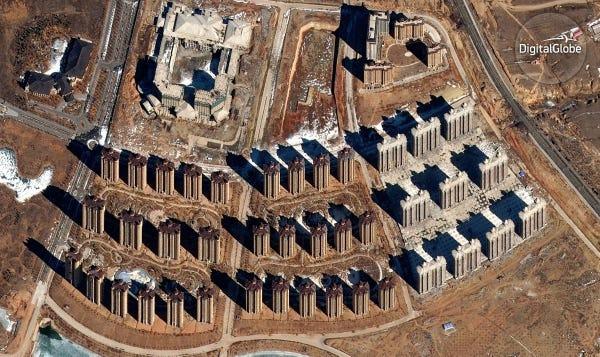
At the same time, developers are facing severe financial strain. Many companies expanded aggressively during boom years, relying heavily on debt. Now, tighter regulations and reduced access to credit have exposed vulnerabilities. The result is unfinished projects, delayed payments, and growing mistrust among homebuyers, further accelerating the downturn.
Rising Debt Levels Are Creating Systemic Risks
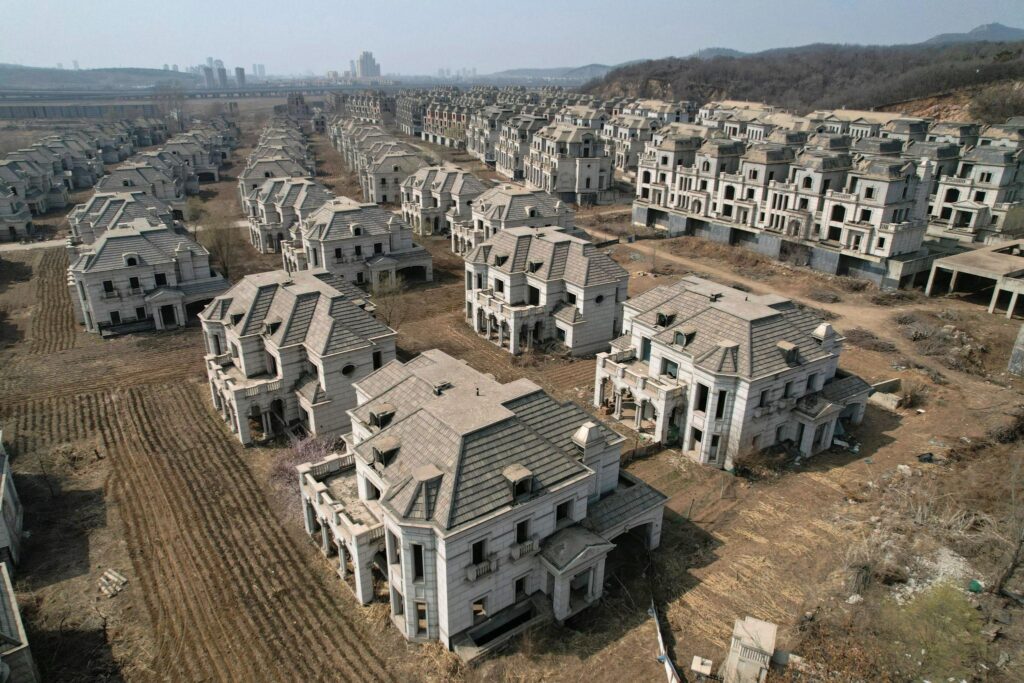
One of the most pressing issues is the high level of debt accumulated by property developers. Several major firms have already defaulted on obligations, triggering concerns about broader financial stability. Banks and investors exposed to these companies are increasingly cautious, tightening lending conditions even further.
This creates a dangerous cycle. Developers struggle to complete projects without funding, leading to reduced buyer confidence. As sales decline, cash flow dries up, making it even harder to repay debts. Analysts warn that if not managed carefully, this situation could spill over into China’s broader financial system, affecting banks, local governments, and even international markets.
Government Intervention Is Attempting to Stabilize Markets
Chinese authorities have introduced a series of measures to stabilize the property sector. These include easing mortgage restrictions, lowering interest rates, and encouraging banks to extend credit to struggling developers. The government has also prioritized completing unfinished housing projects to restore buyer confidence.
Despite these efforts, recovery remains uncertain. While some cities have seen slight improvements in sales, the overall market sentiment is still weak. Policymakers face a delicate balancing act—supporting growth without reigniting the excessive borrowing that contributed to the crisis in the first place.
Impact on Global Markets and Economic Growth
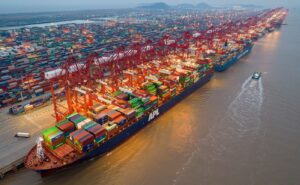
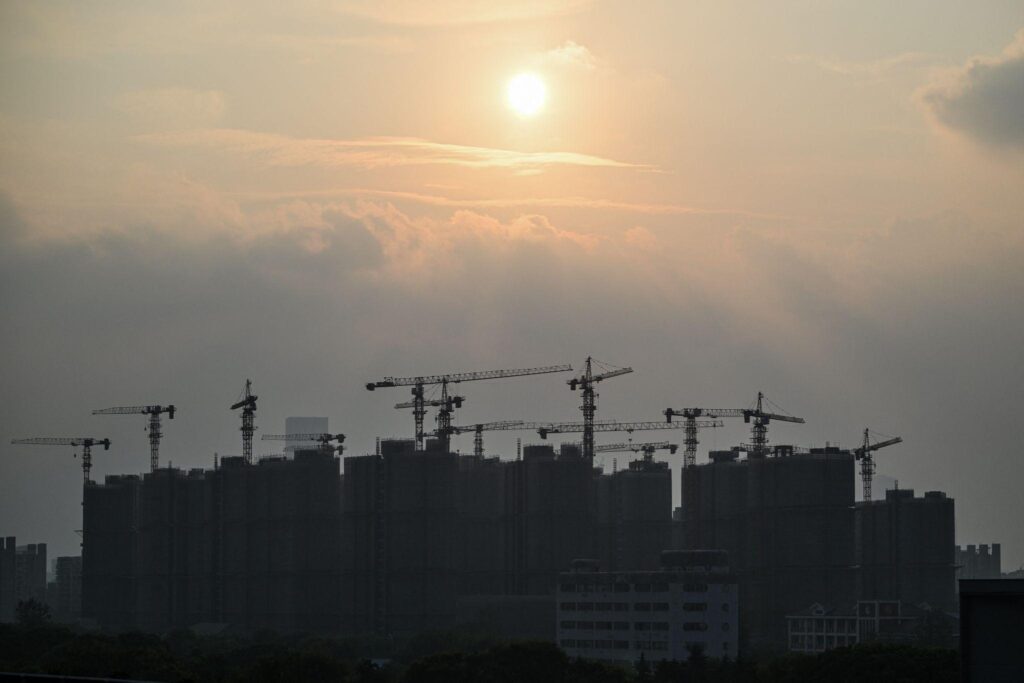
The implications of China’s property crisis extend far beyond its borders. As the world’s second-largest economy, China plays a critical role in global demand. A slowdown in its real estate sector reduces demand for commodities like steel, cement, and copper, affecting exporters worldwide.
Financial markets are also reacting. Investors are reassessing risks associated with Chinese assets, leading to volatility in global equities and bonds. Additionally, multinational companies that rely on Chinese consumers are facing slower sales growth, adding to broader concerns about global economic momentum.
Why This Matters Now for Investors and Businesses
The current situation is not just a domestic issue—it is a global economic signal. For investors, it highlights the importance of diversification and risk management. Exposure to Chinese real estate or related industries now carries heightened uncertainty, requiring careful evaluation.
For businesses, especially those dependent on Chinese demand, the slowdown could mean adjusting strategies, supply chains, and growth expectations. Companies in construction, manufacturing, and luxury goods are particularly vulnerable to shifts in China’s economic trajectory.
What Comes Next for China’s Property Market
Looking ahead, the future of China’s property market will depend on policy decisions and broader economic conditions. Experts suggest that a gradual stabilization is more likely than a rapid recovery. Structural changes, including reduced reliance on real estate for growth, may reshape the economy in the coming years.
There is also growing discussion about transitioning toward more sustainable growth models, focusing on technology, innovation, and domestic consumption. While this shift could strengthen the economy in the long term, the short-term adjustment period is expected to remain challenging.
China’s property crisis is a defining economic story with global implications. As the situation evolves, it will continue to influence markets, policy decisions, and investment strategies worldwide.
Subscribe to trusted news sites like USnewsSphere.com for continuous updates.