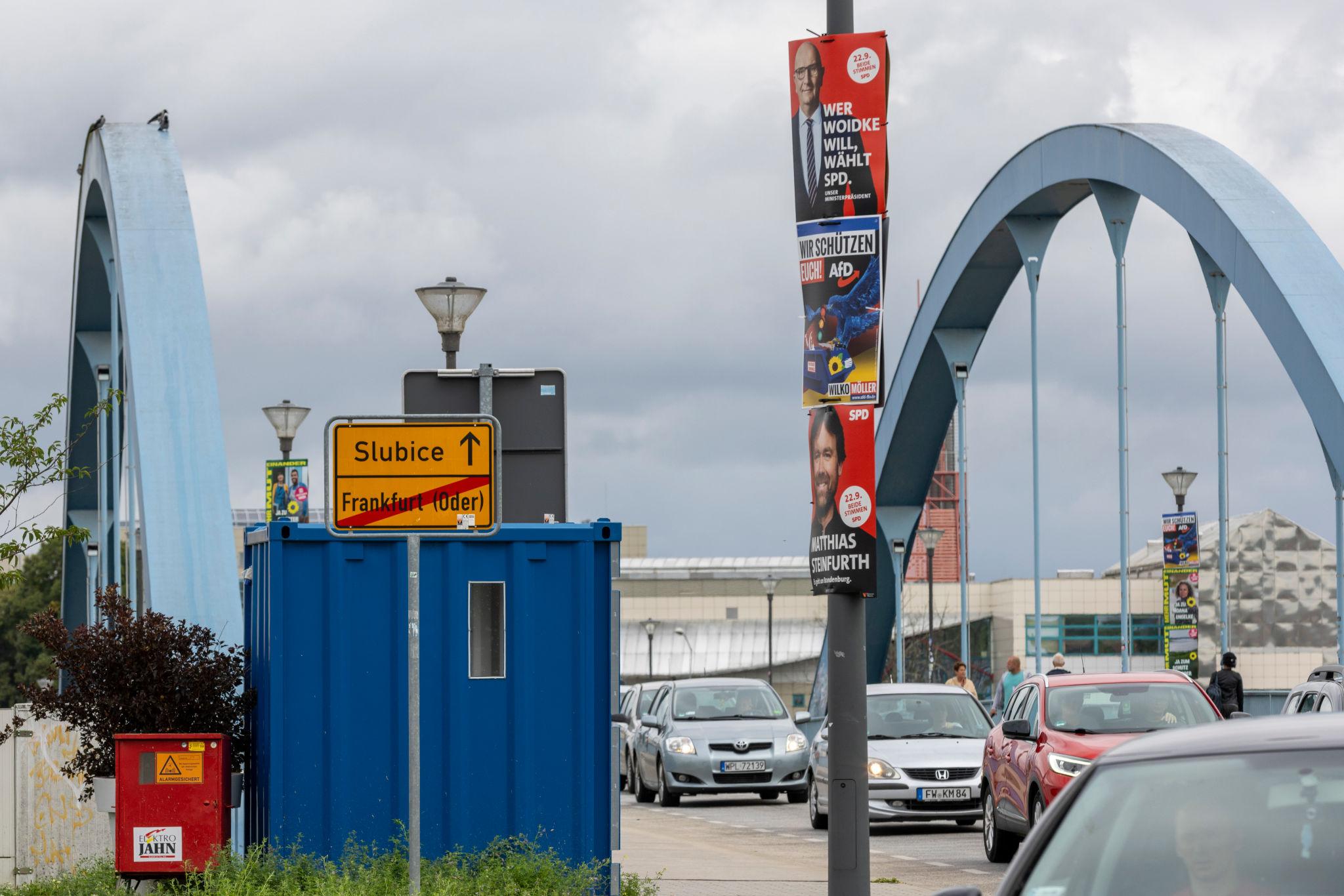
Germany migration drop is now one of the most talked-about developments in European politics, as new data shows asylum claims have fallen sharply. According to statements from Friedrich Merz, the country is no longer the primary destination for illegal migration in Europe. This shift answers key questions: Who is affected? Migrants, EU policymakers, and border authorities. What happened? A steep decline in asylum applications. Why? Stricter border enforcement and policy changes. Impact? A major shift in migration flows across Europe.
This matters now because migration has been a top political issue across Europe, influencing elections, economic policy, and public opinion. A reduction in asylum claims suggests that Germany’s stricter stance may be reshaping migration patterns not just domestically but across the entire European Union.
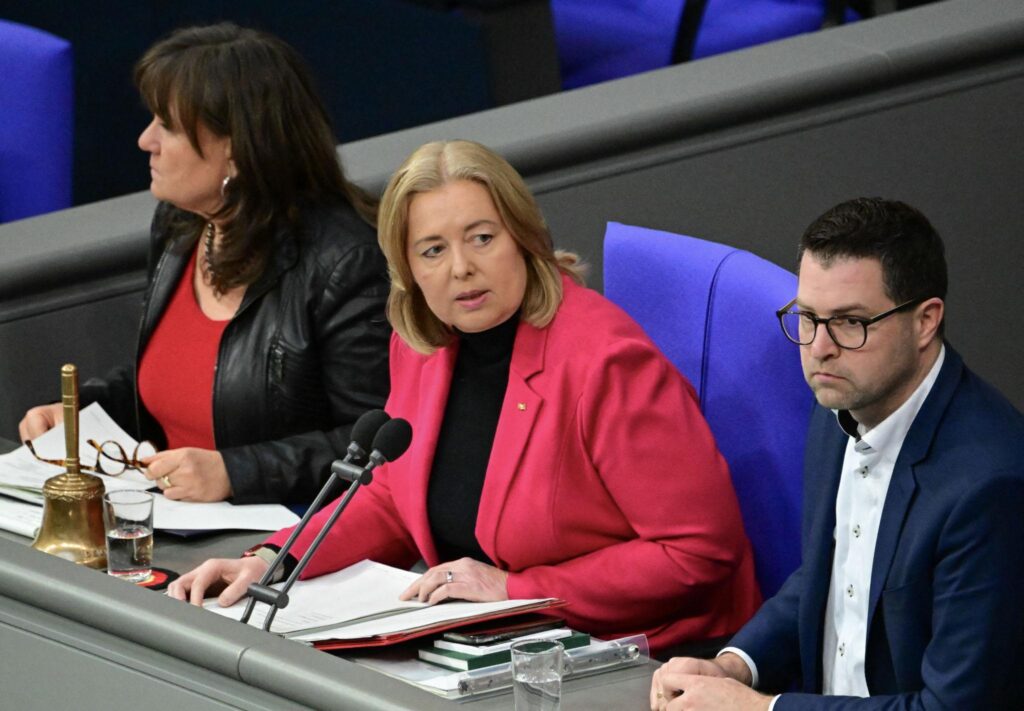
Sharp Decline in Asylum Applications Explained Clearly
Recent figures indicate a noticeable drop in asylum applications in Germany, marking a reversal from previous years when the country was one of the most sought-after destinations for migrants. Authorities attribute this decline to tightened border checks, faster deportation processes, and closer coordination with neighboring countries.
Another key factor is the shift in migration routes. As Germany becomes less accessible, migrants are increasingly choosing alternative destinations within Europe. This redistribution is changing how migration pressure is shared across EU nations, making it a broader regional issue rather than a Germany-centric one.
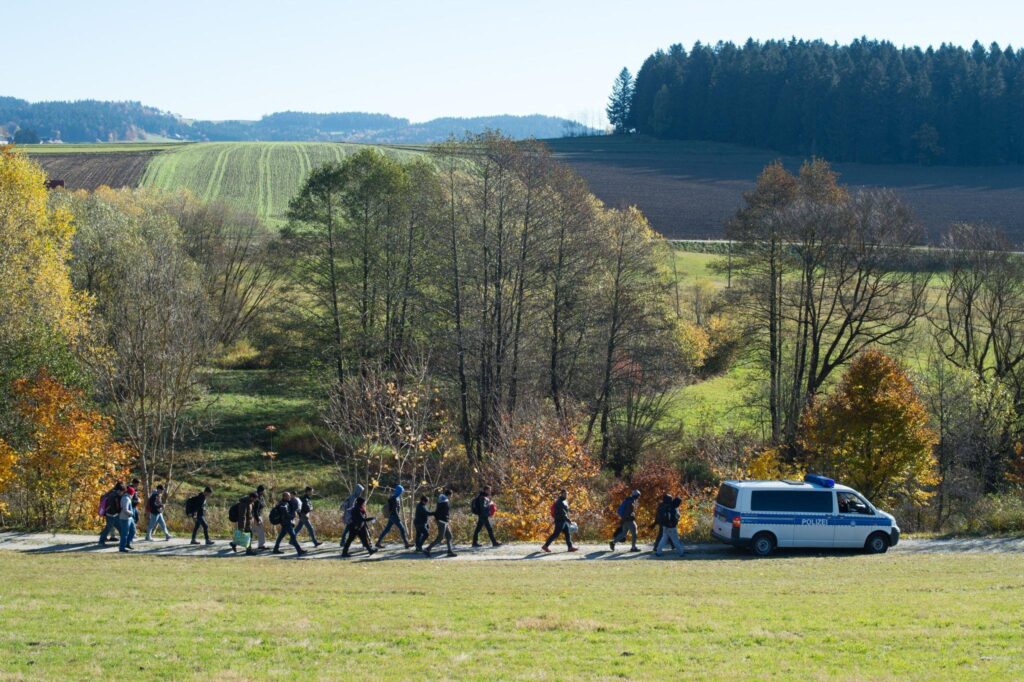
Stronger Border Controls and Policy Changes Driving Results
Germany’s government has implemented stricter border control measures, including increased police presence and enhanced surveillance at key entry points. These actions are designed to discourage illegal entry while maintaining legal migration pathways.
Additionally, policy reforms have accelerated asylum processing times. Faster decisions mean fewer backlogs and reduced incentives for migrants to choose Germany as their primary destination. These measures together are creating a system that is both more controlled and more efficient, which officials argue is necessary to maintain order and public trust.

Political Messaging and Public Opinion Shift
Statements from leaders like Friedrich Merz reflect a broader political shift toward stricter migration policies. This approach resonates with many voters who have expressed concerns about immigration levels, housing shortages, and public services.
Public opinion in Germany has increasingly favored tighter immigration controls. Surveys and political trends suggest that migration remains a top issue influencing voter behavior. As a result, political parties are adapting their strategies, making migration policy a central focus in upcoming elections.
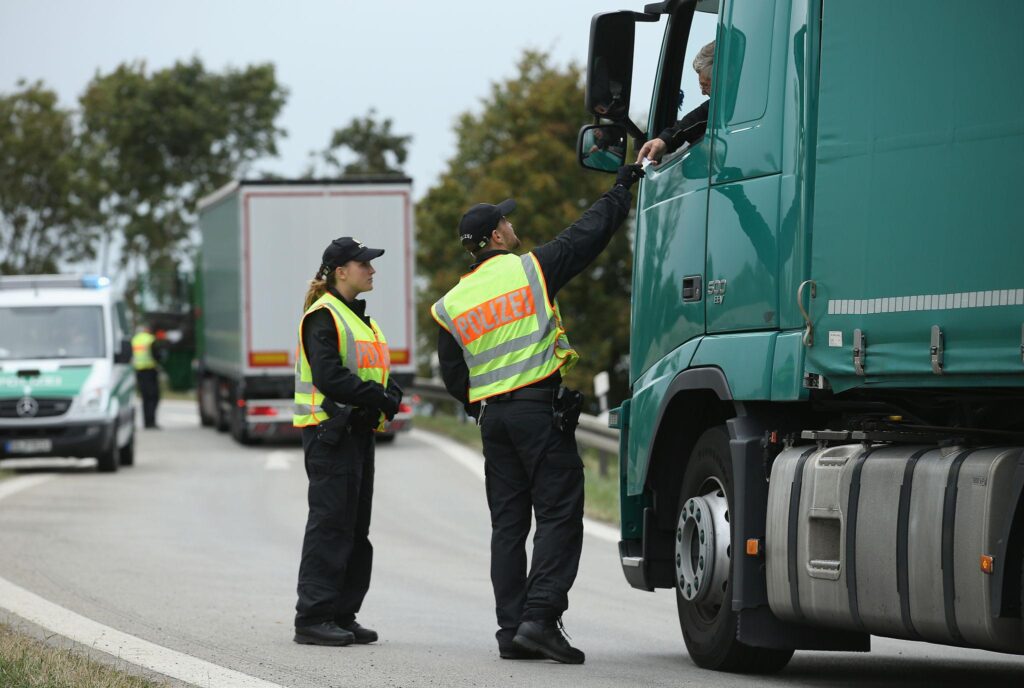
European Impact: Migration Routes Are Changing
The decline in Germany’s asylum claims does not mean migration into Europe has stopped. Instead, it highlights a redistribution effect. Migrants are now exploring routes through countries like Italy, Spain, and Eastern European nations.
This shift places new pressure on other EU countries and raises questions about shared responsibility. The European Union continues to debate reforms to its migration system, including burden-sharing agreements and stronger external border controls. Germany’s recent changes could influence these discussions significantly.
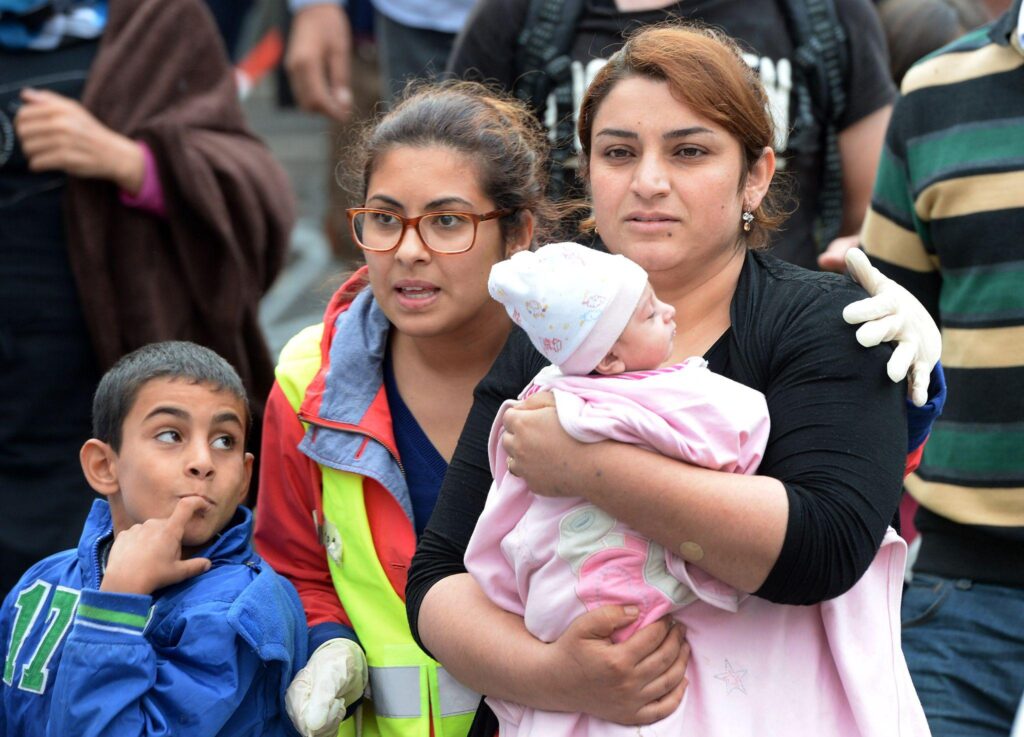
Why This Matters Now for Global and US Readers
For readers in the United States and beyond, Germany’s migration shift offers important insights into how policy changes can quickly alter migration patterns. It demonstrates that enforcement, policy clarity, and regional cooperation can significantly impact migration flows.
Economically, reduced migration can affect labor markets, especially in sectors that rely on foreign workers. Politically, it can reshape debates around immigration worldwide. As global migration continues to rise due to conflict, climate change, and economic inequality, Germany’s approach may serve as a model—or a warning—for other nations.
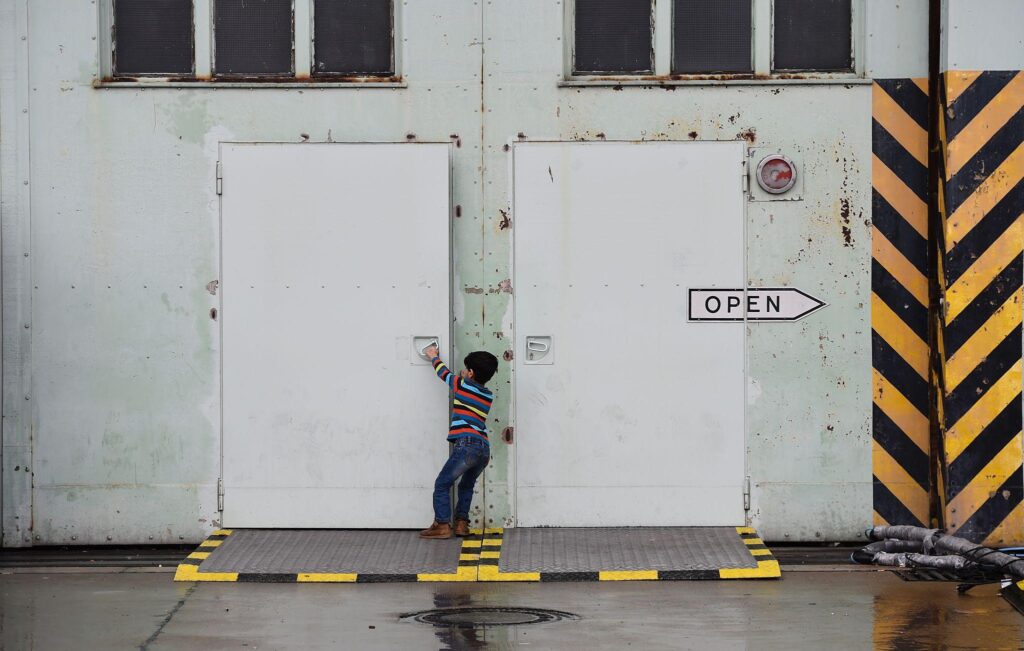
Long-Term Outlook: What Comes Next for Germany and Europe
Looking ahead, Germany is likely to continue refining its migration policies. The focus will remain on balancing humanitarian responsibilities with domestic stability. Future policies may include stricter external EU border controls and expanded agreements with origin countries to manage migration more effectively.
At the same time, Europe faces a critical challenge: creating a unified migration strategy. Without coordination, shifts like Germany’s could simply move the problem rather than solve it. The coming months will be crucial in determining whether Europe can adapt to these changes in a sustainable way.
Subscribe to trusted news sites like USnewsSphere.com for continuous updates.