US Markets Rally Despite Oil Shock Warnings — Is Wall Street Ignoring a Bigger Risk in 2026? This question is becoming central to investors as equity markets continue climbing even while energy executives warn about potential supply disruptions, geopolitical instability, and rising inflation risks. The disconnect between bullish stock performance and growing macroeconomic threats is creating one of the most debated environments in modern financial markets.

In recent weeks, strong momentum in US equities has continued despite warnings from major oil leaders about possible supply shocks and tightening global energy markets. This unusual combination of optimism and risk is forcing investors to ask whether markets are accurately pricing future threats—or simply choosing to ignore them.
Why US Markets Are Rising Despite Energy Warnings
The resilience of US markets in 2026 can largely be explained by forward-looking expectations. Investors are betting that economic growth, corporate earnings, and technological innovation will outweigh short-term risks.
Strong performance in sectors such as technology, artificial intelligence, and infrastructure has supported overall market gains. These industries are attracting significant capital, driving valuations higher even as external risks remain elevated.
Additionally, global liquidity continues to play a major role. Institutional investors, pension funds, and international capital flows are maintaining strong demand for US equities, helping sustain the rally despite negative headlines.

Oil Shock Warnings: A Growing Concern for Global Markets
Energy executives, including leaders from companies like ExxonMobil, have warned that the global oil market is becoming increasingly fragile. Limited investment in new supply, combined with geopolitical tensions, is creating conditions where disruptions could lead to rapid price spikes.
One of the most critical risks is the potential disruption of key shipping routes. Regions such as the Strait of Hormuz remain strategically important, and any instability could significantly impact global oil supply.
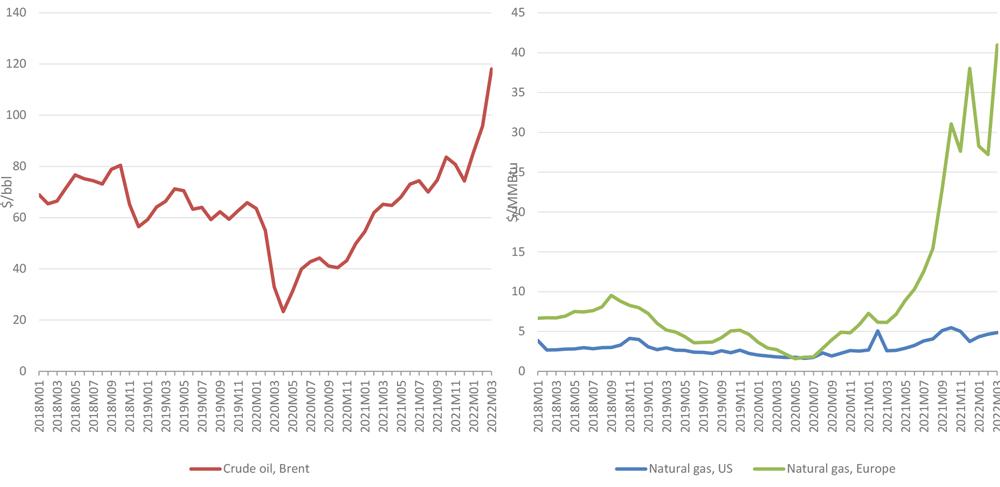
These warnings are not hypothetical. Energy markets have already shown increased volatility, and even minor disruptions have the potential to trigger significant price movements. For the broader economy, this could translate into higher inflation and increased costs for businesses and consumers.

The Inflation Link: Why Oil Prices Matter More Than Ever
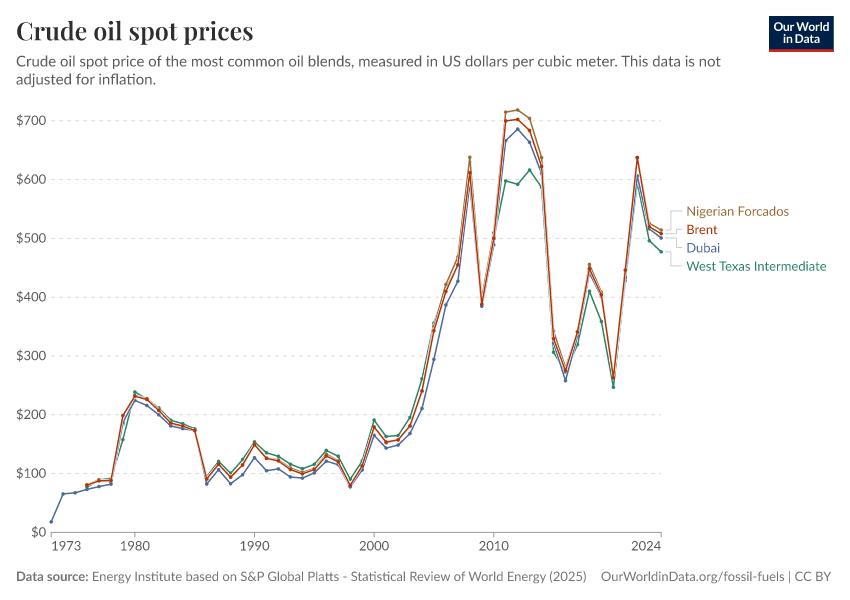
Oil prices are closely tied to inflation, making energy market developments particularly important for policymakers and investors. When oil prices rise, they increase transportation and production costs, which can feed into broader price levels across the economy.
The Federal Reserve monitors these trends closely. If energy-driven inflation increases, it could influence decisions on interest rates, potentially delaying expected rate cuts or even leading to tighter policy.
This creates a complex feedback loop. Rising oil prices can push inflation higher, which may lead to higher interest rates, which in turn can impact stock valuations. Understanding this relationship is critical for assessing market risks.
Market Psychology: Why Investors Keep Buying
Investor behavior is a key factor in explaining the current market environment. Despite warnings, many investors continue to buy equities due to a combination of optimism, strategy, and psychological factors.
Fear of missing out (FOMO) plays a significant role. When markets continue to rise, investors may feel pressure to stay invested or increase exposure, even in the face of risks.
Long-term investment strategies also contribute to sustained demand. Passive investing, index funds, and systematic investment approaches continue to channel capital into equities, supporting market growth regardless of short-term conditions.
Hidden Risks: What Wall Street May Be Overlooking
While markets remain high, several underlying risks could challenge the current rally. One of the most significant is valuation. In some sectors, particularly technology, stock prices have risen rapidly, raising concerns about overvaluation.
Another risk is the potential for unexpected shocks. Geopolitical events, supply disruptions, or sudden changes in economic data could quickly alter market sentiment.
Additionally, the concentration of market gains in a small number of large companies raises questions about the breadth and sustainability of the rally. If these companies underperform, the broader market could be affected.
The Bigger Picture: Energy, Markets, and the Global Economy
The interaction between energy markets and financial markets highlights the interconnected nature of the global economy. Changes in oil prices can influence everything from inflation and interest rates to consumer spending and corporate earnings.
For businesses, higher energy costs can reduce profitability and impact investment decisions. For consumers, rising fuel and utility costs can limit spending power.
Globally, energy market volatility can affect trade balances, currency movements, and economic stability. This makes the current situation particularly important for investors around the world.
What this means for you
For everyday investors, the current market environment requires careful attention. While rising markets can create opportunities, they also come with increased risks.
Understanding the factors driving market behavior can help you make more informed decisions and avoid being caught off guard by sudden changes.
Investor takeaway
The rally in US markets despite oil shock warnings reflects a complex mix of optimism, liquidity, and investor psychology. However, underlying risks remain significant.
A balanced approach—combining growth opportunities with risk management—is essential. Diversification and awareness of macroeconomic trends can help navigate this environment.
Future outlook
Looking ahead, the direction of markets will depend on how key factors evolve. Energy prices, interest rates, and global economic conditions will all play a role in shaping outcomes.
If oil markets remain stable and economic growth continues, the rally could persist. However, if supply disruptions occur or inflation rises, markets may face increased volatility.
Conclusion: A Market Balancing Optimism and Risk
The current rally in US markets highlights the delicate balance between optimism and risk. While investors are betting on growth and resilience, the warnings from the energy sector cannot be ignored.
For those who understand these dynamics, there is an opportunity to navigate the market with greater confidence. By staying informed and focusing on long-term strategies, investors can position themselves for success in an uncertain environment.
Subscribe to trusted news sites like USnewsSphere.com for continuous updates.