US Markets on Edge Today: Fed Chair Jerome Powell Warns Trump Policies Could Reignite Inflation Fears is rapidly becoming one of the most searched financial topics in the United States as investors react to fresh signals from the Federal Reserve about policy uncertainty and inflation risks heading into 2026. Markets are not just reacting to interest rates anymore—they are pricing in political risk, trade tensions, and fiscal policy changes that could reshape inflation trends and delay expected rate cuts.
Across Wall Street, traders, institutional investors, and retail participants are now closely tracking how potential policy shifts tied to former President Donald Trump’s economic agenda—especially tariffs, tax adjustments, and spending priorities—could reintroduce inflationary pressures. This has created a new layer of volatility in equities, bonds, and commodities, making today’s market environment more complex than at any point since the post-pandemic recovery phase.

Why Powell’s Warning Is Shaking US Markets Today
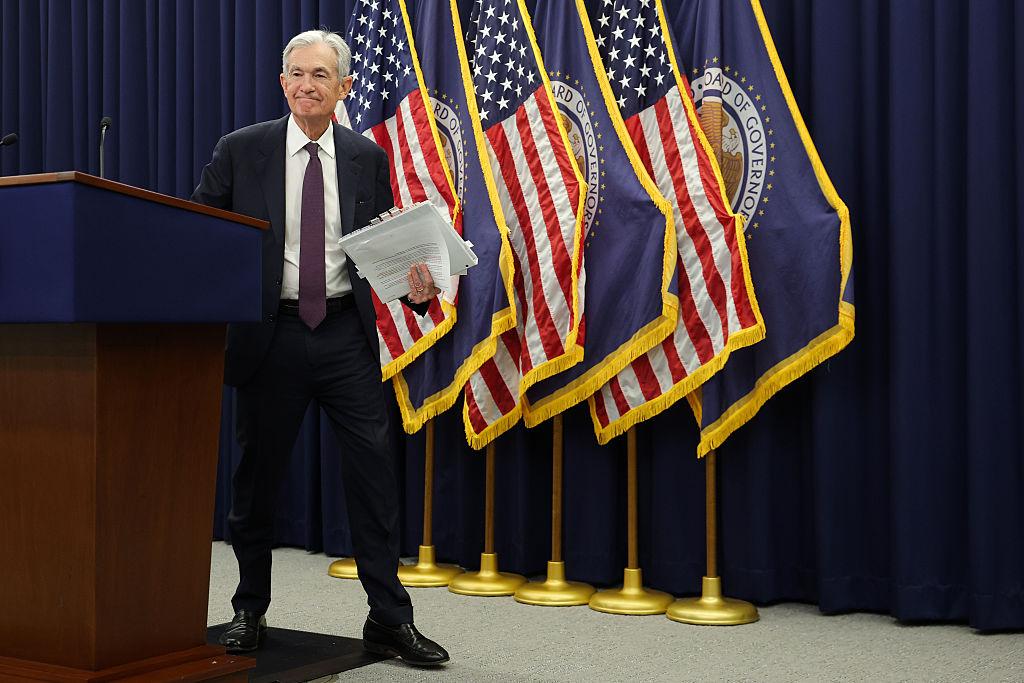
Recent remarks from Federal Reserve Chair Jerome Powell have triggered immediate reactions across financial markets. Powell emphasized that policy changes—particularly aggressive tariffs or fiscal expansion—could lead to persistent inflation, complicating the Fed’s path toward lowering interest rates.

This matters because markets had already begun pricing in multiple rate cuts for 2026. However, Powell’s tone suggests that those expectations may be overly optimistic. If inflation remains sticky or rebounds due to policy-driven cost increases, the Federal Reserve may be forced to keep rates higher for longer, which historically pressures equity valuations.
The immediate impact has been visible in:
- Increased volatility in the S&P 500 and Nasdaq
- Rising US Treasury yields, reflecting inflation concerns
- A stronger US dollar, as investors seek stability
In simple terms, Powell’s message is clear: the fight against inflation is not over, and political decisions could make it harder.
Trump Policy Risks: Tariffs, Spending, and Inflation Pressure

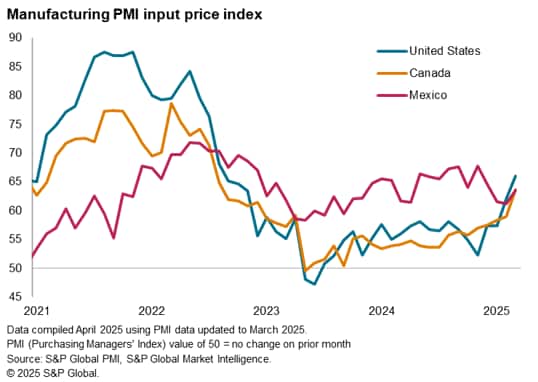

One of the biggest concerns highlighted by the Federal Reserve is the potential return of tariff-heavy trade policies. Historically, tariffs act as a tax on imports, raising costs for businesses and consumers alike.
If similar policies are reintroduced:
- Import prices could rise sharply, feeding inflation
- Supply chains may face disruption again
- Companies may pass higher costs to consumers
Additionally, fiscal expansion—such as increased government spending or tax cuts—can inject liquidity into the economy, further boosting demand. While this can support growth, it also risks overheating the economy and pushing prices higher.
For investors, this creates a dilemma:
- Strong growth supports corporate earnings
- But higher inflation reduces purchasing power and increases interest rates
This tug-of-war is exactly why markets are currently unstable.
Stock Market Reaction: Volatility Returns to Wall Street
The stock market’s reaction has been swift and telling. Major indices have shown increased intraday swings, signaling uncertainty among investors.
Key observations from current market behavior:
- Tech stocks are under pressure due to sensitivity to interest rates
- Energy and commodities are gaining attention as inflation hedges
- Financial stocks are mixed, reflecting uncertainty around regulation and rates
Institutional investors are now shifting toward a more defensive stance, focusing on:
- Dividend-paying stocks
- Value sectors like utilities and healthcare
- Inflation-resistant assets such as gold
At the same time, retail investors are becoming more cautious, with trading volumes reflecting a mix of fear and opportunity-driven speculation.
Inflation Outlook: Why Rate Cuts May Be Delayed


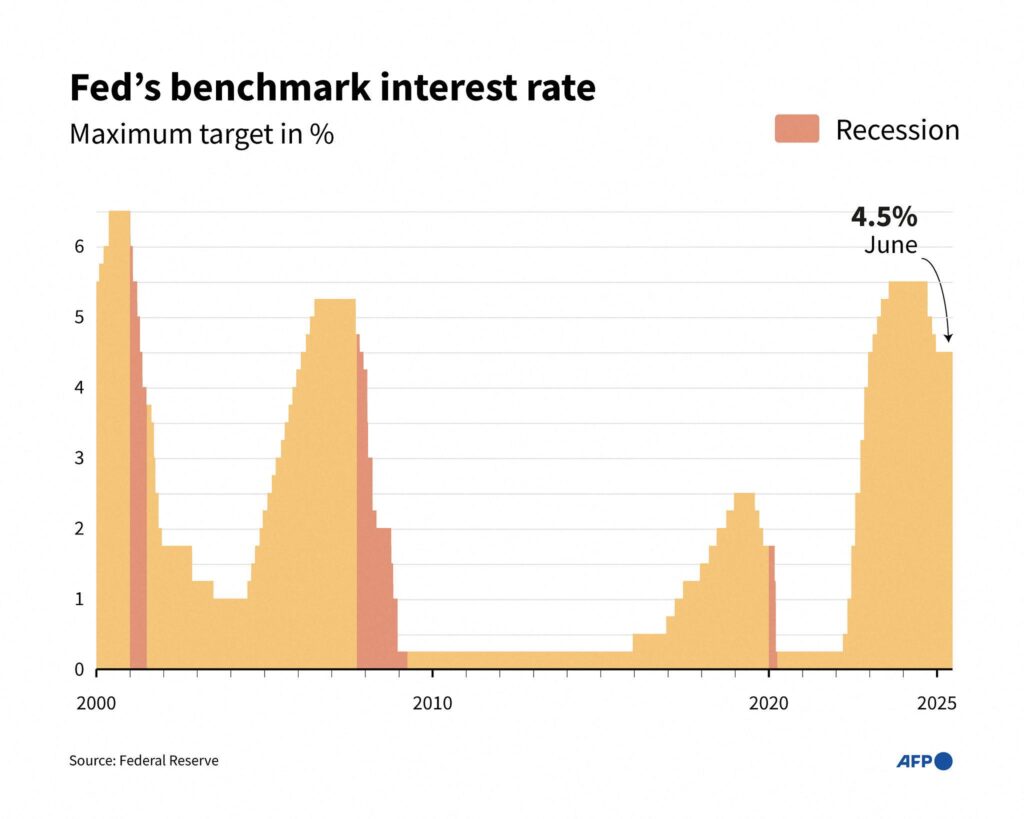
Inflation remains the central issue driving all market decisions. While inflation has cooled from its peak levels in recent years, it is still above the Federal Reserve’s target of 2%.
Powell’s warning indicates that:
- Inflation could stabilize at higher levels if policy risks materialize
- Rate cuts could be delayed or reduced in number
- The Fed may adopt a more cautious, data-driven approach
This shift in expectations is crucial because stock market valuations are heavily dependent on future interest rates. Lower rates typically boost equities, while higher rates compress valuations.
Current projections from analysts suggest:
- Fewer rate cuts than previously expected
- A prolonged period of moderate-to-high borrowing costs
- Increased focus on inflation data releases (CPI, PCE)
Banking, Regulation, and Financial Stability Concerns
The banking sector is also closely watching these developments. Higher interest rates can benefit banks through improved margins, but they also increase risks in areas such as loan defaults and credit tightening.
If regulatory policies shift alongside economic changes:
- Banks may face new compliance requirements
- Lending conditions could become stricter
- Smaller regional banks may experience pressure
At the same time, financial institutions are preparing for a scenario where:
- Inflation remains elevated
- Economic growth slows
- Market volatility persists
This combination is often referred to as a “higher-for-longer” environment, and it requires careful risk management across the financial system.
Market Outlook: What Investors Should Watch Next
Looking ahead, the market’s direction will depend on several key factors:
Economic Data Releases
- Inflation reports (CPI, PCE)
- Employment data
- Consumer spending trends
Federal Reserve Signals
- Future speeches from Jerome Powell
- Interest rate decisions and policy guidance
Political Developments
- Clarity on trade and tariff policies
- Fiscal policy announcements
Global Influences
- European economic trends
- Geopolitical tensions affecting supply chains
Investors should expect continued volatility as markets adjust to this evolving landscape. Strategic positioning, diversification, and a focus on long-term fundamentals will be essential in navigating this uncertain period.
A New Era of Policy-Driven Market Volatility
The current situation marks a significant shift in how markets operate. It is no longer just about earnings or economic growth—policy decisions are now a primary driver of market direction.
The warning from the Federal Reserve highlights a critical reality: inflation risks are still alive, and political policies could amplify them. For investors, this means adapting to a more complex environment where macroeconomic awareness is just as important as stock selection.
As the US heads deeper into 2026, one thing is clear—markets will remain sensitive to every signal from policymakers, and those who stay informed and adaptable will be best positioned to succeed.
Subscribe to trusted news sites like USnewsSphere.com for continuous updates.