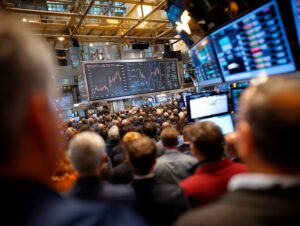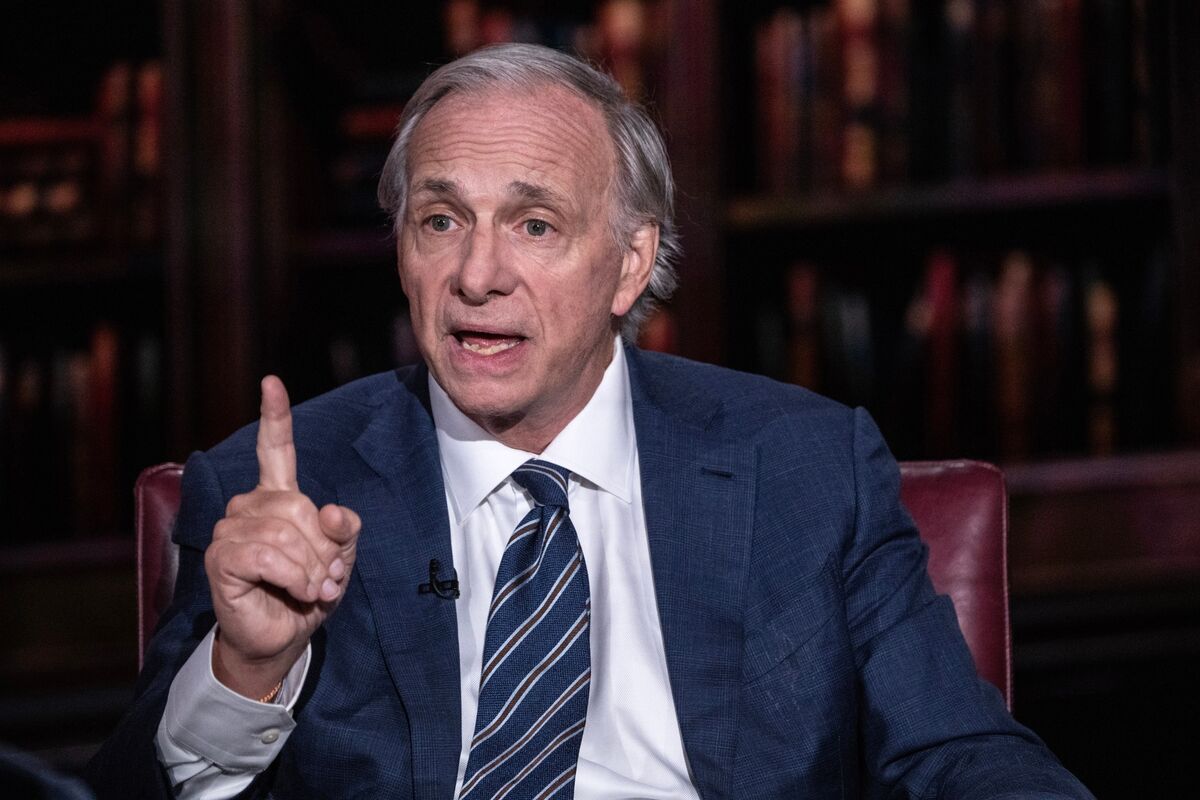
How to Build Wealth in a Volatile Market (2026 Guide): Proven Strategies Used by Top US Investors is one of the most searched financial topics right now as global markets experience sharp swings driven by inflation concerns, interest rate uncertainty, AI-driven disruption, and geopolitical risks. Investors across the United States and worldwide are actively looking for strategies not just to survive volatility—but to turn uncertainty into opportunity and long-term wealth.
In 2026, market volatility is no longer an exception—it is the norm. The S&P 500 has seen frequent corrections, tech stocks are swinging widely due to AI hype cycles, and central bank policies continue to impact liquidity. Yet, history shows that some of the greatest wealth has been built during volatile periods, not stable ones. The difference lies in strategy, discipline, and access to the right information.
Understanding Market Volatility in 2026 and Why It Matters for Wealth Creation
Market volatility refers to rapid and unpredictable price movements in financial assets such as stocks, bonds, commodities, and cryptocurrencies. In 2026, volatility is being driven by several key factors: persistent inflation pressures in the US, shifting Federal Reserve policies, global conflicts affecting supply chains, and the explosive growth of artificial intelligence reshaping industries.
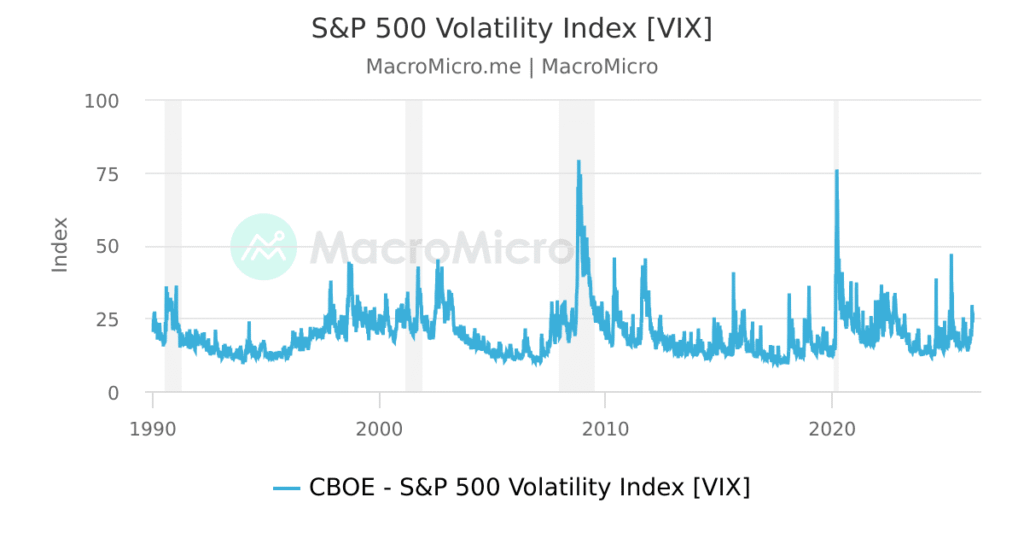
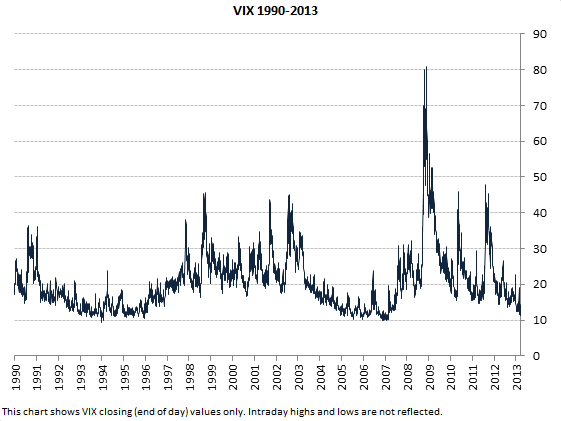
Recent financial data shows that the VIX (Volatility Index), often called the “fear gauge,” has remained elevated compared to pre-2020 levels. This indicates that uncertainty is deeply embedded in today’s market environment. At the same time, sectors like AI, energy, and defense have experienced rapid growth, while others like real estate and small-cap stocks have faced pressure due to higher borrowing costs.
For investors, this environment creates both risk and opportunity. While short-term losses are more frequent, long-term investors who position themselves correctly can capitalize on mispriced assets and market inefficiencies.
Why Most Investors Lose Money During Volatile Markets
One of the biggest reasons investors fail during volatile markets is emotional decision-making. When markets fall sharply, fear drives investors to sell at a loss. When markets rise quickly, greed pushes them to buy at inflated prices. This cycle of panic selling and impulsive buying destroys long-term wealth.
Another major issue is the lack of a structured investment plan. Many retail investors enter the market without clear goals, risk tolerance, or asset allocation strategies. Without a plan, they react to headlines instead of focusing on fundamentals.
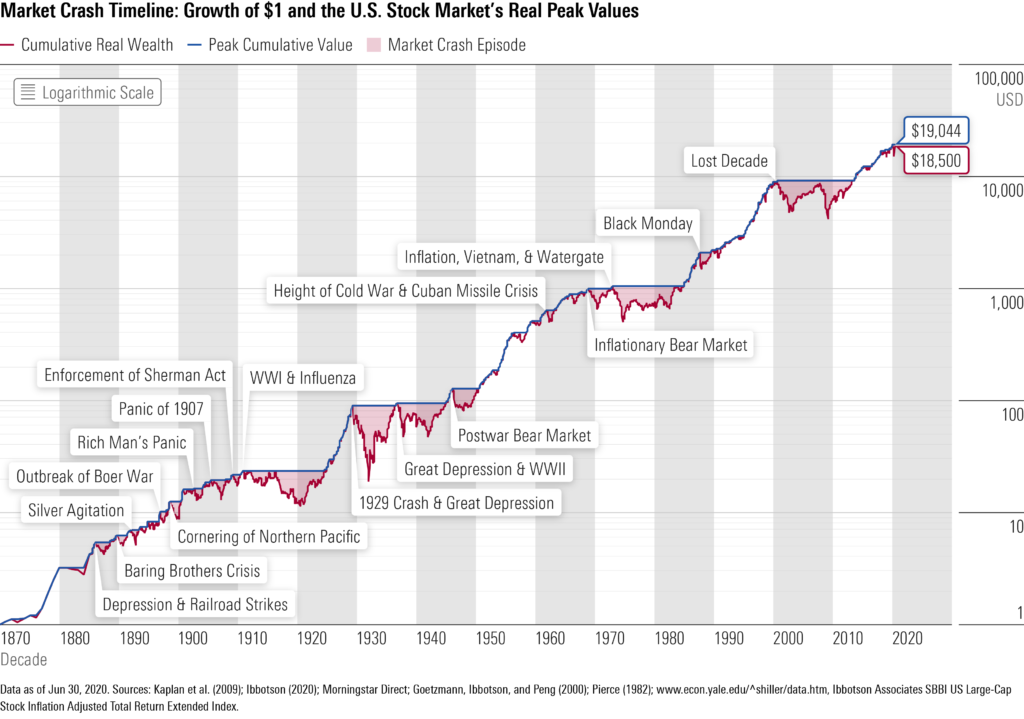
Data from multiple US brokerage reports shows that retail investors underperform the market by a significant margin over time—largely due to poor timing decisions. In contrast, top investors maintain discipline, follow data-driven strategies, and view volatility as an opportunity rather than a threat.
Proven Strategies Used by Top US Investors to Build Wealth
Successful US investors like Warren Buffett, Ray Dalio, and institutional firms such as Goldman Sachs follow structured approaches that allow them to thrive in volatile markets.
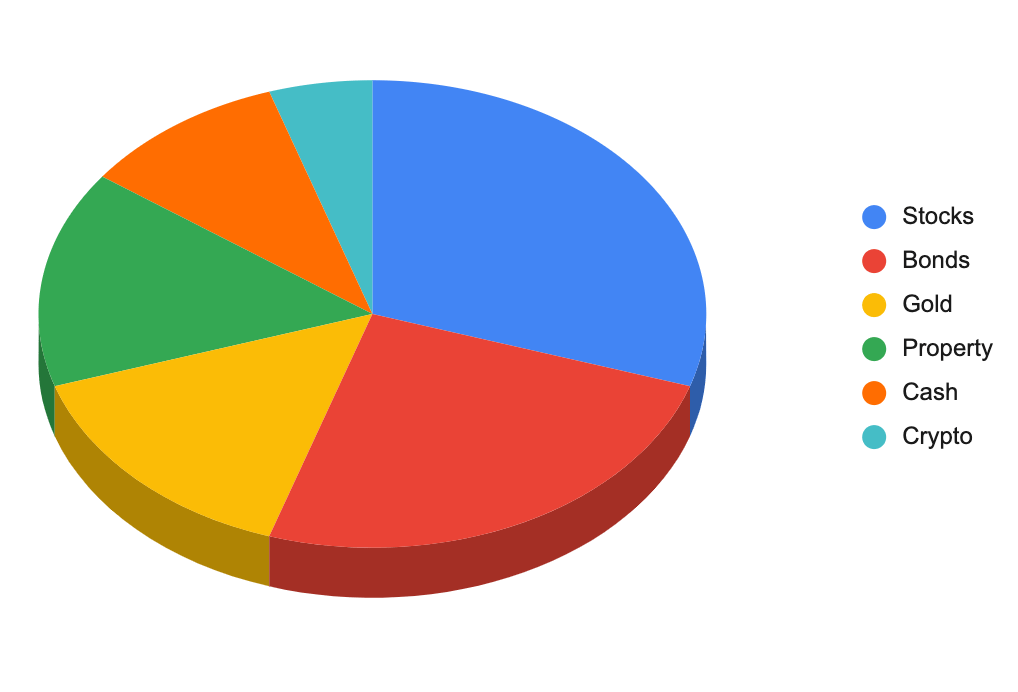
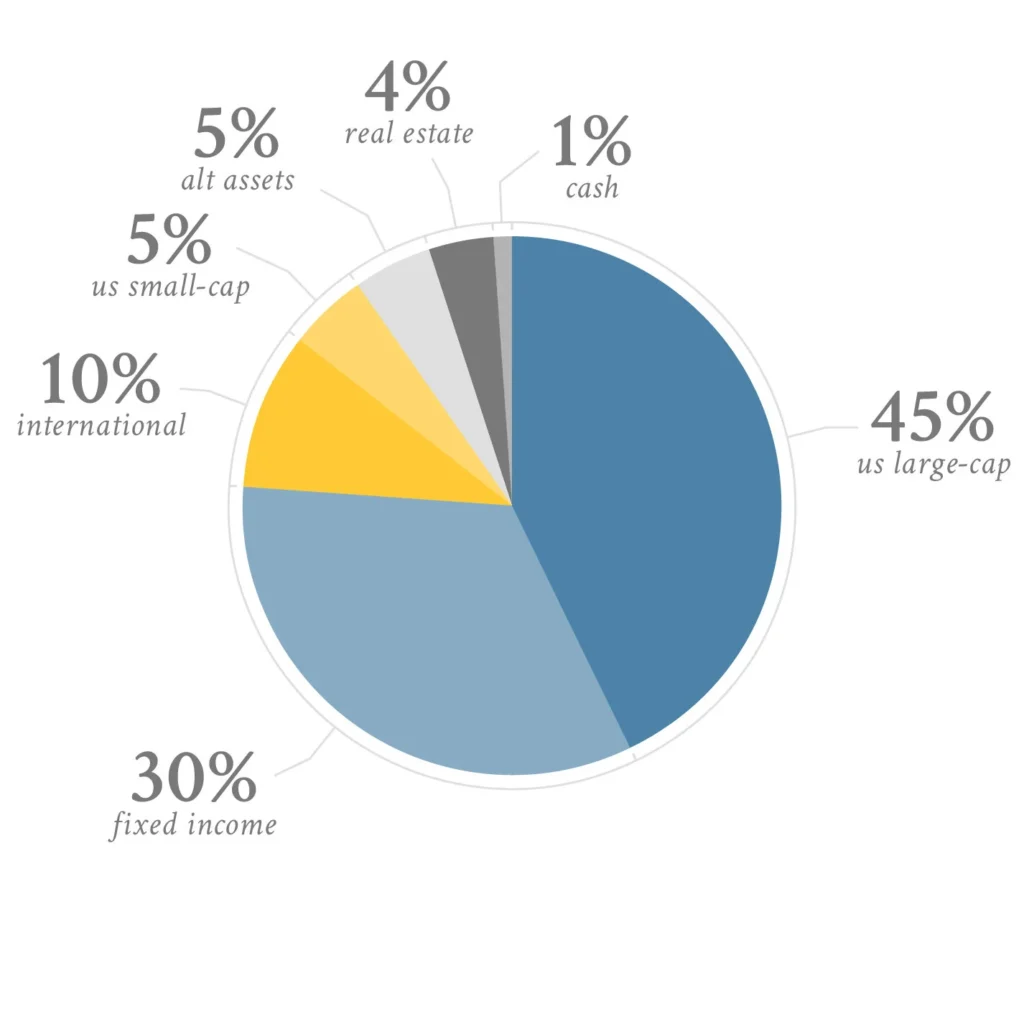
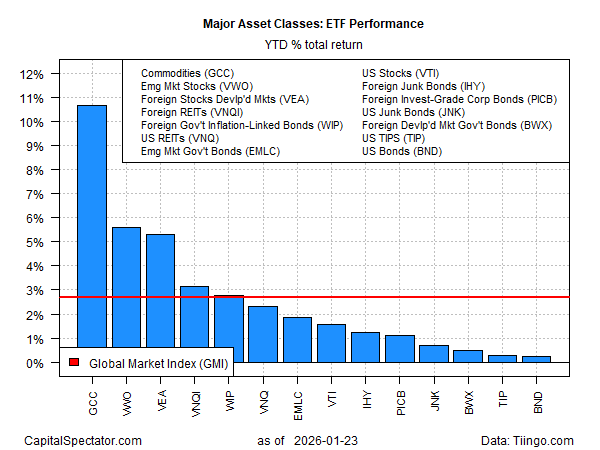
One of the most powerful strategies is diversification. By spreading investments across different asset classes—such as equities, bonds, commodities, and alternative investments—investors reduce overall risk while maintaining growth potential. Diversification ensures that losses in one area can be offset by gains in another.
Another key strategy is dollar-cost averaging. Instead of trying to time the market, investors consistently invest a fixed amount at regular intervals. This approach reduces the impact of short-term volatility and allows investors to accumulate assets at different price levels.
Top investors also maintain a long-term perspective. They focus on fundamentals such as company earnings, innovation potential, and macroeconomic trends rather than reacting to daily market movements. This mindset allows them to stay invested during downturns and benefit from long-term growth.
Best Investment Opportunities in a Volatile Market (2026 Outlook)
In 2026, certain asset classes are particularly well-positioned to perform during volatile conditions.
US large-cap stocks, especially those in technology and healthcare, continue to attract investor interest due to strong earnings and innovation. Companies involved in artificial intelligence, cloud computing, and cybersecurity are expected to drive future growth.
Gold remains a traditional safe-haven asset. During periods of uncertainty, investors often shift capital into gold to preserve value. Recent trends show steady demand for gold as a hedge against inflation and currency fluctuations.
Exchange-Traded Funds (ETFs) provide a simple way to achieve diversification. Broad-market ETFs tracking indices like the S&P 500 or Nasdaq allow investors to gain exposure to multiple sectors without picking individual stocks.
Cash and short-term bonds are also gaining importance. In a high-interest-rate environment, holding cash is no longer a losing strategy. It provides liquidity and allows investors to take advantage of buying opportunities during market dips.
Key Risks to Watch in 2026 and How to Protect Your Portfolio
Despite the opportunities, investors must remain aware of key risks. Interest rate changes remain one of the biggest factors affecting market performance. If central banks continue to tighten monetary policy, equity markets could face additional pressure.
Geopolitical tensions and global conflicts can disrupt supply chains and create sudden market shocks. Energy prices, in particular, are highly sensitive to geopolitical developments.
Another risk is overexposure to high-growth sectors such as AI and tech. While these sectors offer significant upside, they are also prone to sharp corrections. Investors should balance growth investments with defensive assets to manage risk effectively.
Risk management strategies include setting stop-loss levels, maintaining proper asset allocation, and regularly reviewing portfolio performance. These steps help protect capital while allowing for growth.
Expert Insights and Market Outlook for the Future
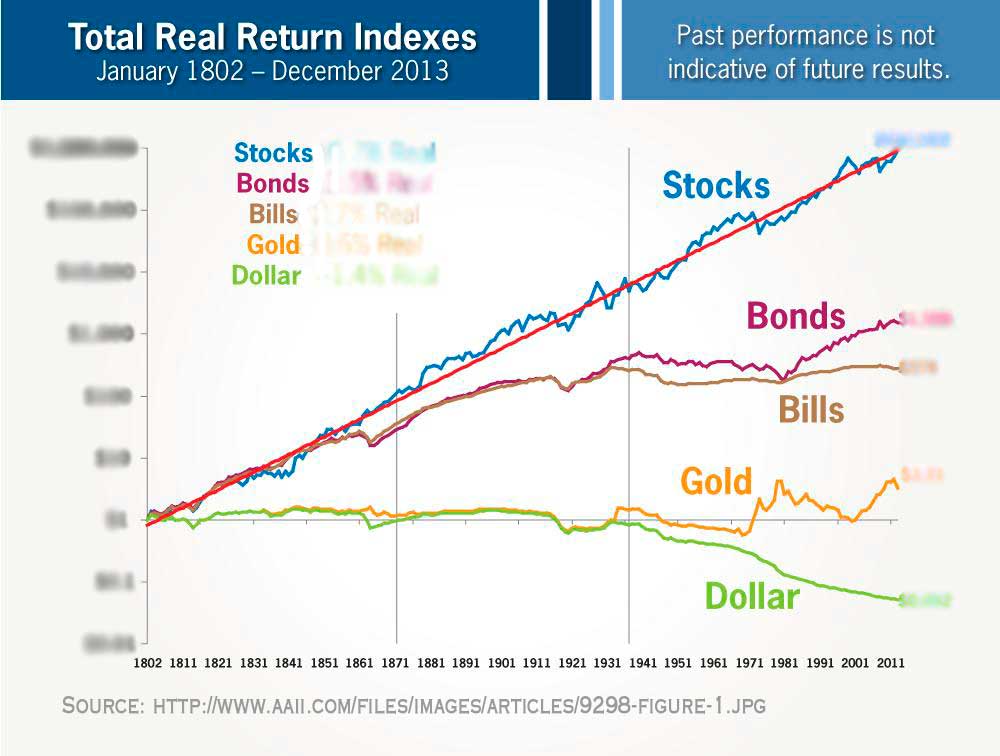
Leading financial institutions project that volatility will remain a defining feature of global markets in the coming years. However, they also emphasize that long-term growth trends remain intact.
Warren Buffett’s philosophy of “being fearful when others are greedy and greedy when others are fearful” remains highly relevant. It highlights the importance of contrarian thinking during volatile periods.
Ray Dalio’s principle of balancing risk through diversification continues to guide institutional investors. His “all-weather portfolio” approach is designed to perform across different economic conditions.
Looking ahead, the rise of artificial intelligence, renewable energy, and digital finance is expected to create new investment opportunities. Investors who align their portfolios with these long-term trends are likely to benefit significantly.
Turning Volatility Into a Wealth-Building Advantage
Market volatility in 2026 may seem intimidating, but it is also one of the most powerful opportunities for building long-term wealth. The key is to approach investing with discipline, strategy, and a long-term mindset.
By understanding market dynamics, avoiding emotional decisions, and following proven strategies used by top US investors, individuals can navigate uncertainty with confidence. Diversification, consistent investing, and a focus on high-quality assets remain the foundation of successful wealth building.
Instead of fearing market fluctuations, smart investors learn to embrace them. Volatility creates opportunities to buy valuable assets at discounted prices and position portfolios for future growth.
The investors who succeed in 2026 and beyond will not be those who avoid volatility—but those who understand how to use it to their advantage.
Subscribe to trusted news sites like USnewsSphere.com for continuous updates.