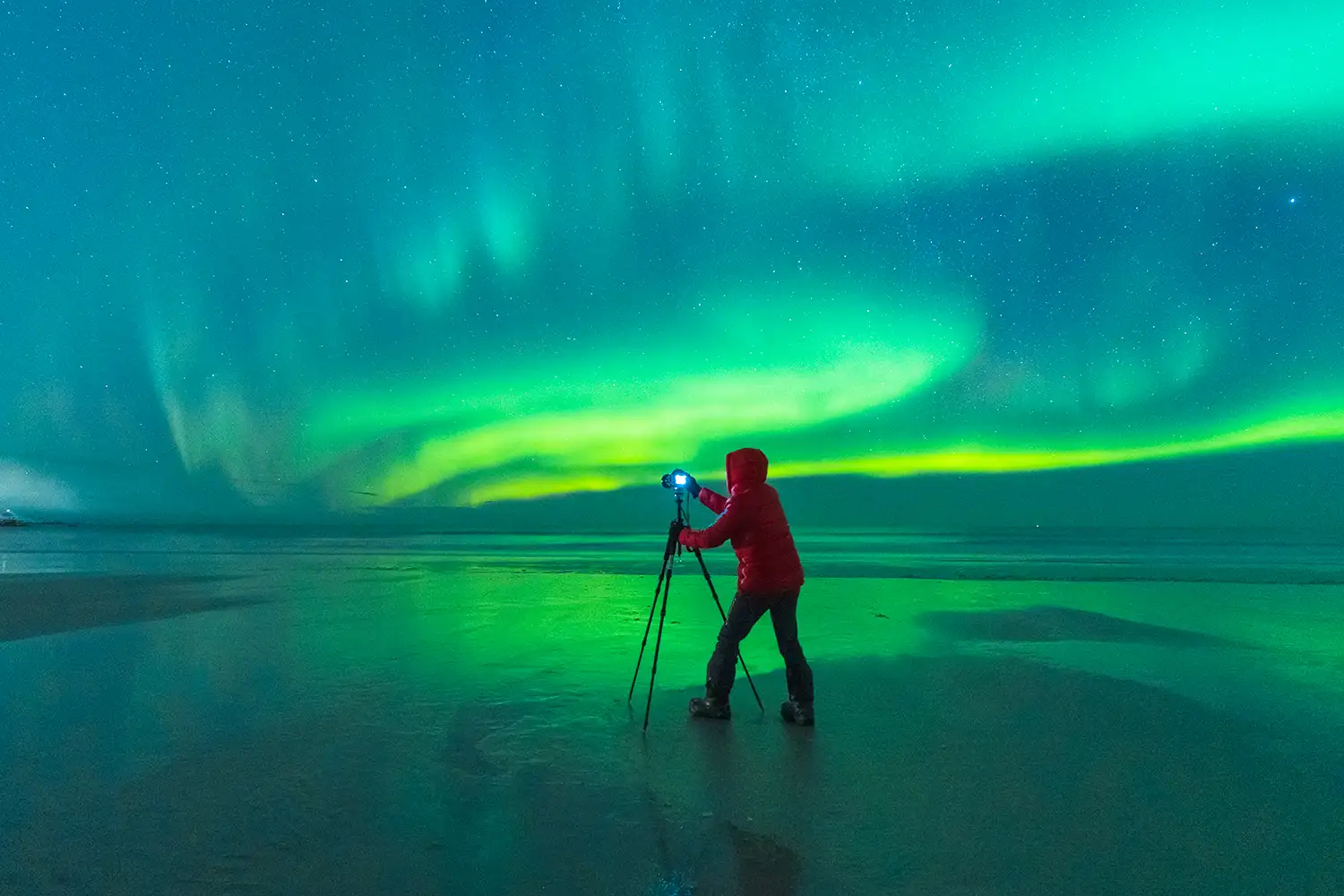
Northern Lights alert — skywatchers across parts of the United States could witness the aurora borealis this week as strong solar activity increases the chances of colorful lights appearing farther south than usual. Scientists monitoring space weather say recent eruptions from the Sun may trigger geomagnetic storms strong enough to push the aurora across northern states and possibly deeper into the continental U.S.
The potential display is linked to heightened activity from Solar Cycle 25, the Sun’s current cycle of magnetic activity. Researchers say this cycle has been more active than initially predicted, producing powerful solar flares and coronal mass ejections (CMEs) that interact with Earth’s magnetic field. When these charged particles collide with atmospheric gases, they create the glowing curtains of green, pink, and purple known as the aurora borealis.
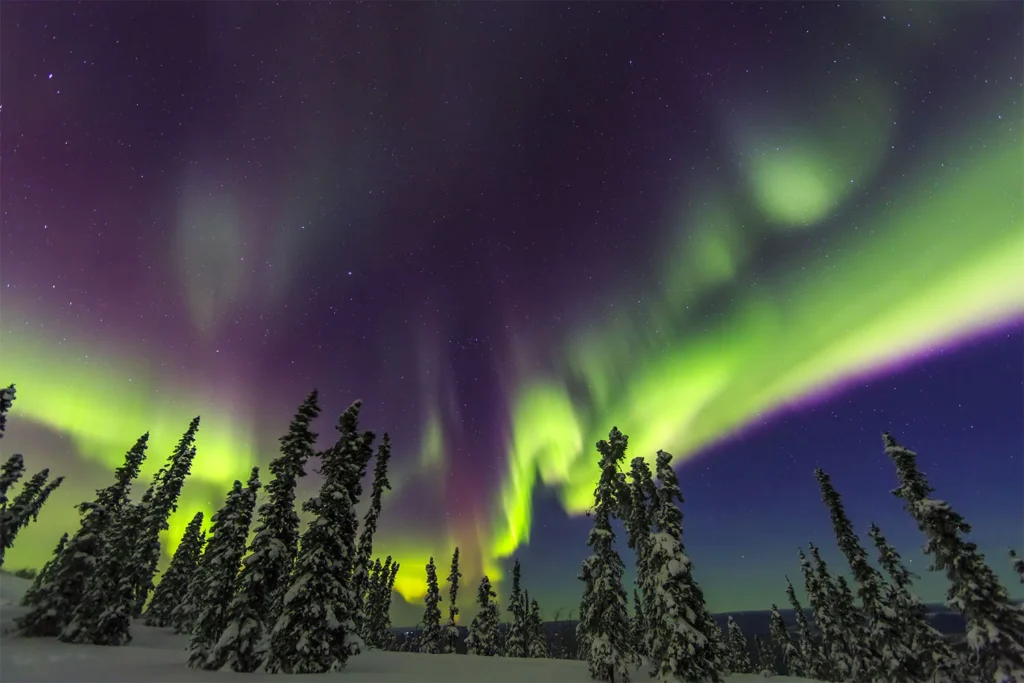
This event matters now because scientists believe March 2026 could become one of the most active aurora months in nearly a decade if solar eruptions continue at the current pace. For millions of Americans, that means a rare chance to see one of nature’s most spectacular phenomena without traveling to Alaska or northern Canada.
Increased Solar Activity Is Driving a Surge in Aurora Sightings
Solar activity has intensified in recent months as the Sun approaches the peak of Solar Cycle 25, expected around 2025–2026. During this period, the Sun releases more solar flares and CMEs, sending bursts of charged particles into space. When these particles reach Earth, they disturb the planet’s magnetic field and create geomagnetic storms.
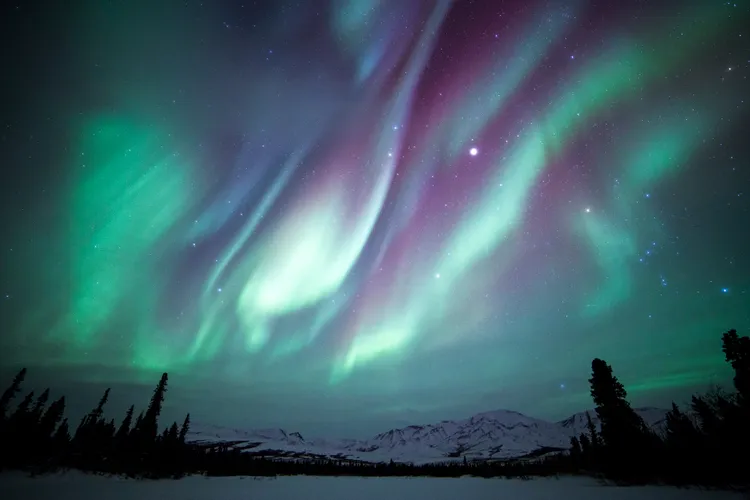
Scientists track these storms using the Kp index, which measures geomagnetic disturbance on a scale from 0 to 9. When the index reaches level 5 or higher, the aurora often becomes visible far from the Arctic. Forecasts for early March suggest the Kp index could reach 5 to 6, meaning auroras may extend across large parts of the northern United States.
These conditions are rare but not unprecedented. The last time auroras were widely visible across multiple U.S. states occurred during strong solar storms in 2023 and 2024. However, astronomers say the current solar cycle may produce even more frequent displays as it approaches its maximum intensity.
States Most Likely to See the Northern Lights
If geomagnetic activity reaches the predicted levels, the aurora could become visible in several northern states. Typically, the phenomenon appears most strongly in regions close to the Canadian border, but powerful storms can push visibility much farther south.
Areas with the best chance of viewing include states such as Washington, Idaho, Montana, North Dakota, South Dakota, Minnesota, Wisconsin, Michigan, New York, and Maine. In particularly strong events, observers in states like Pennsylvania, Iowa, Nebraska, and Oregon may also glimpse the glow along the northern horizon.
Visibility depends heavily on weather conditions and light pollution. Rural locations with dark skies offer the best viewing opportunities, while cities with heavy lighting may make the aurora difficult to see. Experts recommend traveling away from urban areas and finding a clear northern horizon.
When and How to Watch the Aurora
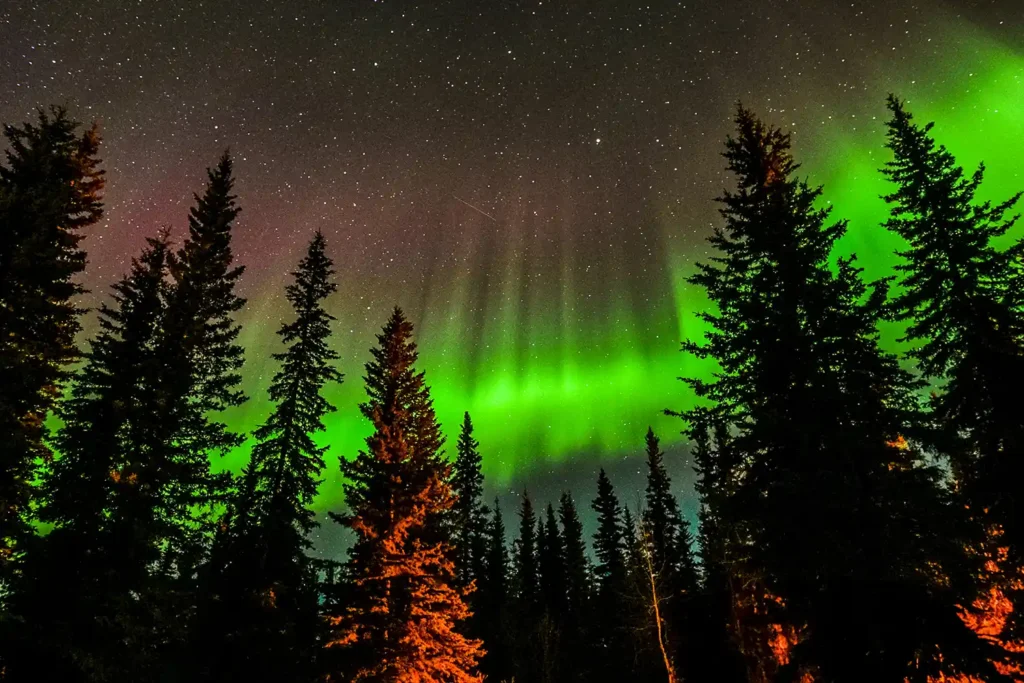
The best time to observe the northern lights is usually between 10 p.m. and 2 a.m. local time, when the sky is darkest and geomagnetic activity often peaks. Observers should look toward the northern horizon and allow their eyes to adjust to the darkness for at least 20 minutes.
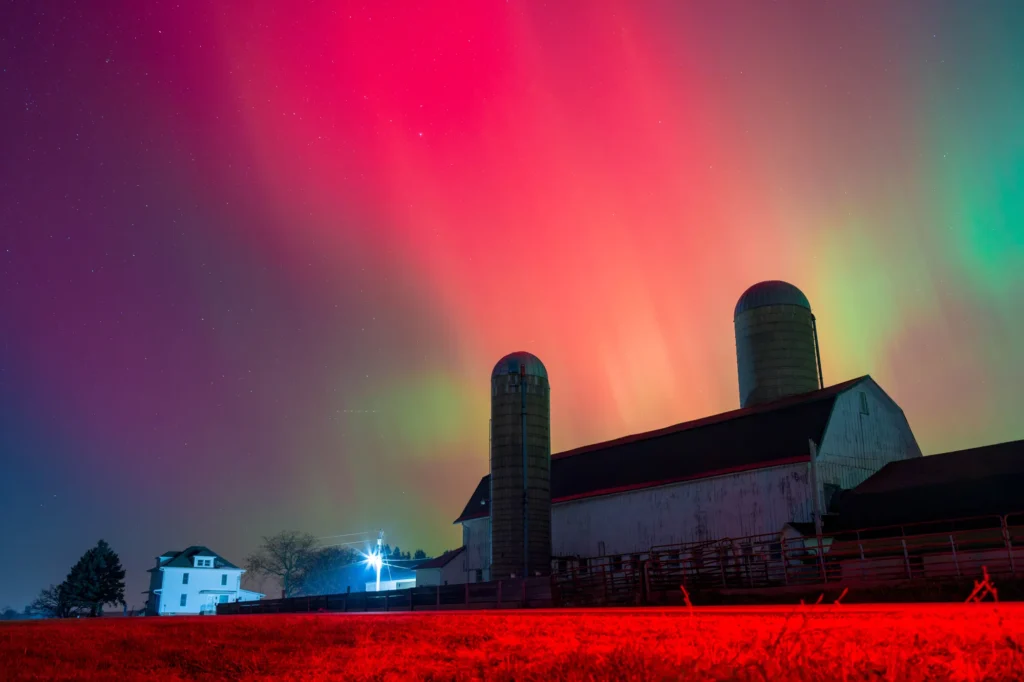
Unlike meteor showers, auroras do not appear as brief flashes. Instead, they often begin as faint green arcs before developing into moving waves of light that ripple across the sky. In stronger storms, colors can expand into bright reds, purples, and pinks.
Photography can also enhance the viewing experience. Modern smartphone cameras and DSLR cameras can capture aurora colors more vividly than the human eye. Using a tripod and longer exposure settings can reveal details that might otherwise be difficult to see.
Why March Could Be One of the Best Aurora Months in Years
Space weather researchers say March often produces strong aurora displays due to a phenomenon known as the Russell–McPherron effect. This seasonal alignment allows solar wind to interact more efficiently with Earth’s magnetic field during the spring and autumn equinox periods.
Combined with the rising intensity of Solar Cycle 25, this seasonal effect could produce multiple aurora events throughout the month. Scientists say the coming weeks may bring repeated opportunities for aurora sightings if solar storms continue.
Space agencies and forecasting centers continuously monitor the Sun for new eruptions that could trigger geomagnetic storms. Even small changes in solar wind speed or magnetic orientation can significantly affect aurora visibility.
Why This Event Matters for Science and Space Weather
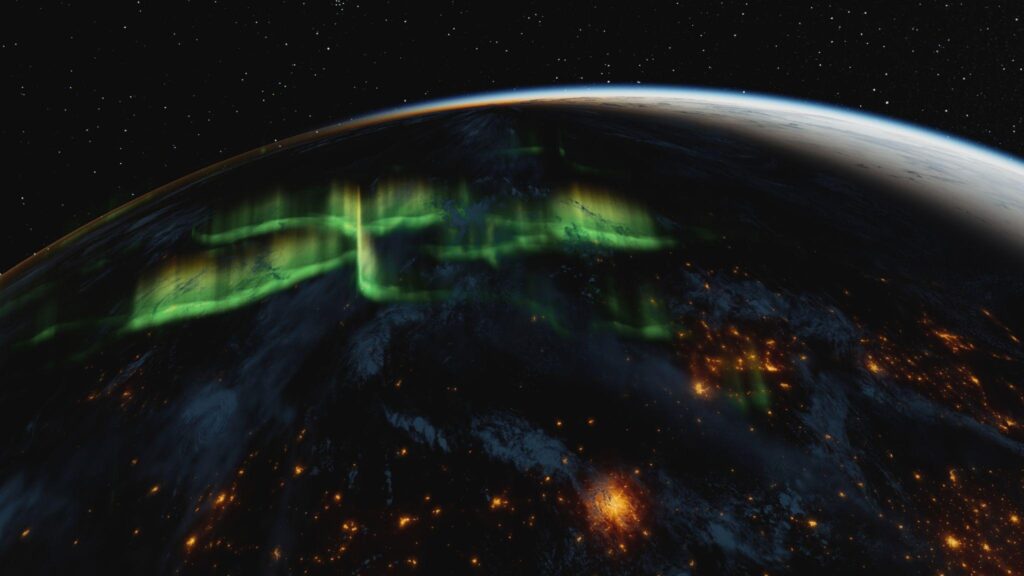
Auroras are more than just a beautiful natural spectacle. They are visible evidence of space weather interacting with Earth’s magnetic shield. Understanding these interactions helps scientists protect satellites, communication networks, and power grids from solar storm disruptions.
Large geomagnetic storms can interfere with GPS systems, aviation communications, and electrical infrastructure. Monitoring aurora activity allows researchers to track how solar energy moves through Earth’s magnetosphere and upper atmosphere.
For the public, however, the aurora represents one of the most extraordinary natural events visible from the ground. As solar activity increases, experts expect more frequent displays over the next several years, making this an exciting period for skywatchers.
What Skywatchers Should Do Next
With solar activity continuing to rise, experts recommend checking daily aurora forecasts and weather conditions to maximize viewing chances. Real-time alerts from space weather monitoring services can help observers know when geomagnetic storms intensify.
For many Americans, this week’s potential aurora could be the closest and brightest opportunity to witness the northern lights in years. If conditions align, millions of people across the northern United States may step outside and see the sky glow with shifting waves of light.
Subscribe to trusted news sites like USnewsSphere.com for continuous updates.