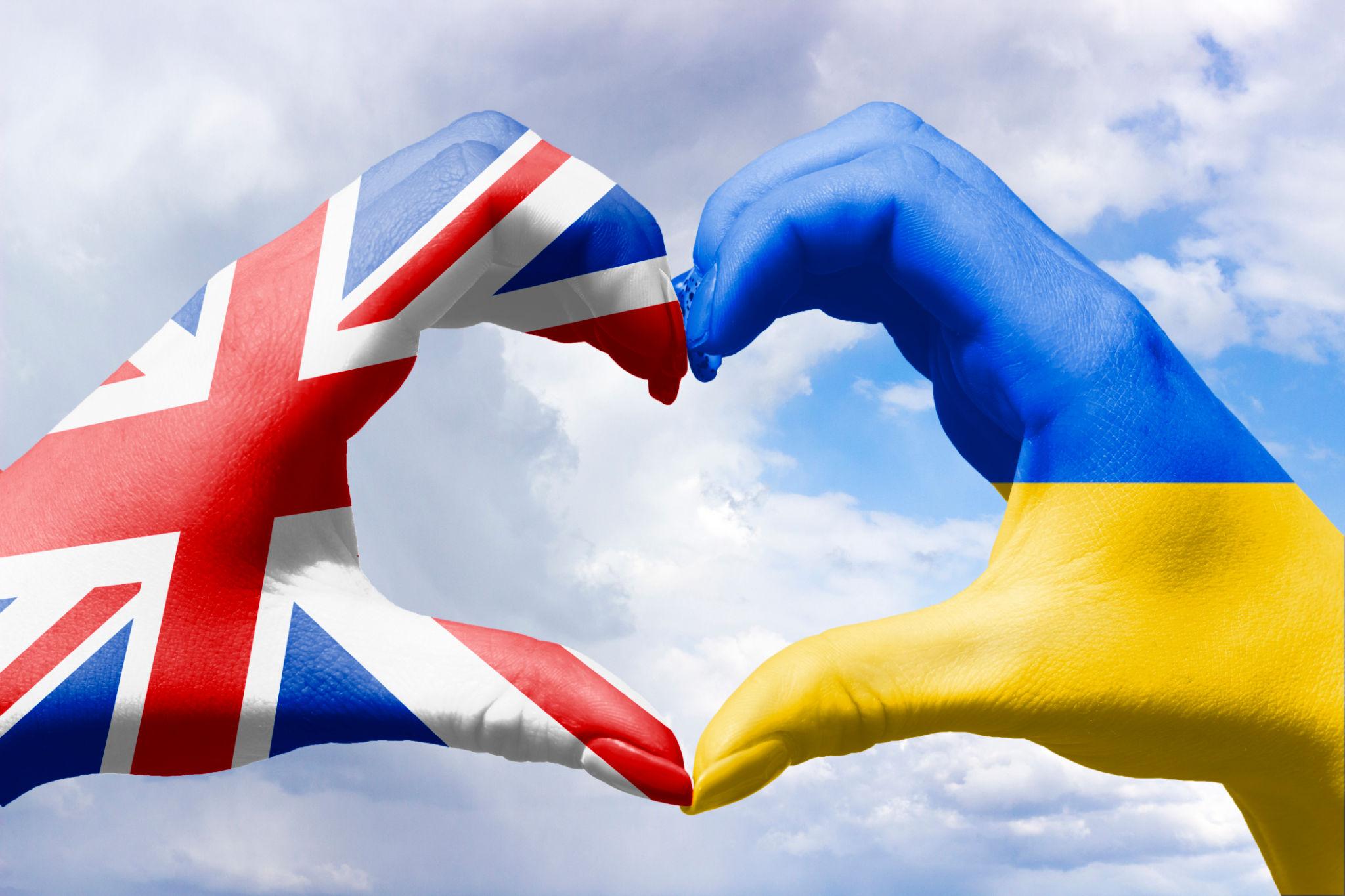
UK transfers $1 billion frozen Russian assets to Ukraine in a move that signals a major escalation in financial pressure against Russia while directly supporting Ukraine’s war recovery efforts. The United Kingdom confirmed it has redirected proceeds from sanctioned Russian assets to help fund Ukraine’s reconstruction and defense needs. This decision comes amid ongoing global debates over how to legally use frozen assets tied to Russia’s central bank and elites.
This development answers key questions immediately: Who is involved? The UK government and Ukraine. What happened? A $1 billion transfer from frozen Russian assets. Why now? To accelerate Ukraine’s recovery and increase pressure on Russia. Impact? It sets a global precedent for using frozen assets in geopolitical conflicts.
A Major Financial Move That Changes the War Economy
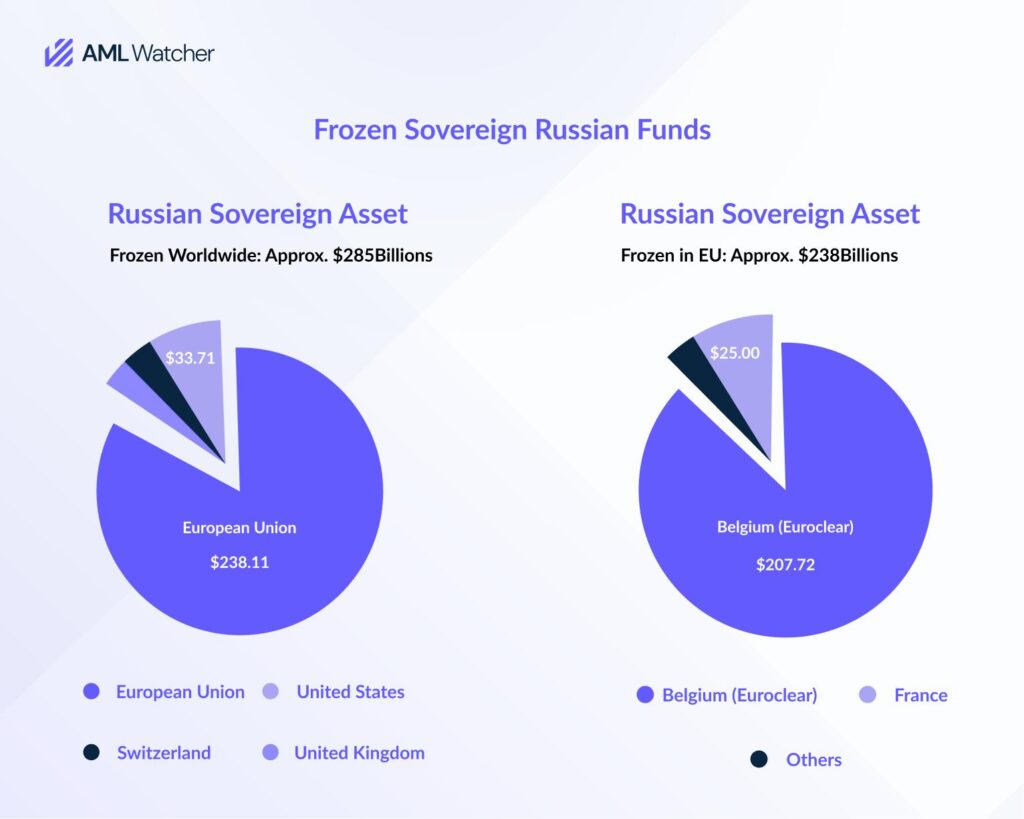
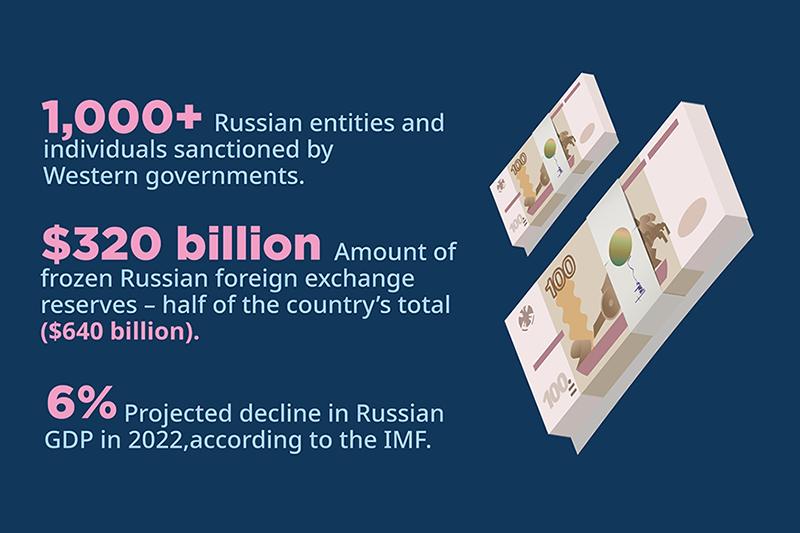
The UK’s transfer of $1 billion marks one of the largest uses of frozen Russian assets since the war began. These assets were originally immobilized as part of international sanctions imposed after Russia invaded Ukraine. Instead of remaining idle, the UK has now converted part of these funds into direct financial support.
This move reflects a broader strategy among Western nations to ensure that Russia indirectly contributes to the cost of the war it initiated. By channeling frozen funds into Ukraine’s economy, the UK is not only supporting immediate needs but also signaling that financial consequences will continue to grow for Moscow.
Why This Matters Now for Global Politics
This decision comes at a critical moment in the conflict, as Ukraine continues to require sustained funding for infrastructure, defense, and humanitarian support. Traditional aid from Western countries is under pressure due to domestic political debates, making alternative funding sources more important than ever.
“Why this matters now” is simple: this action could reshape how global sanctions work. If more countries follow the UK’s lead, frozen assets could become a long-term financial tool rather than just a temporary punishment. This would significantly increase the economic cost of geopolitical aggression in future conflicts.
Legal and Ethical Debate Around Frozen Assets
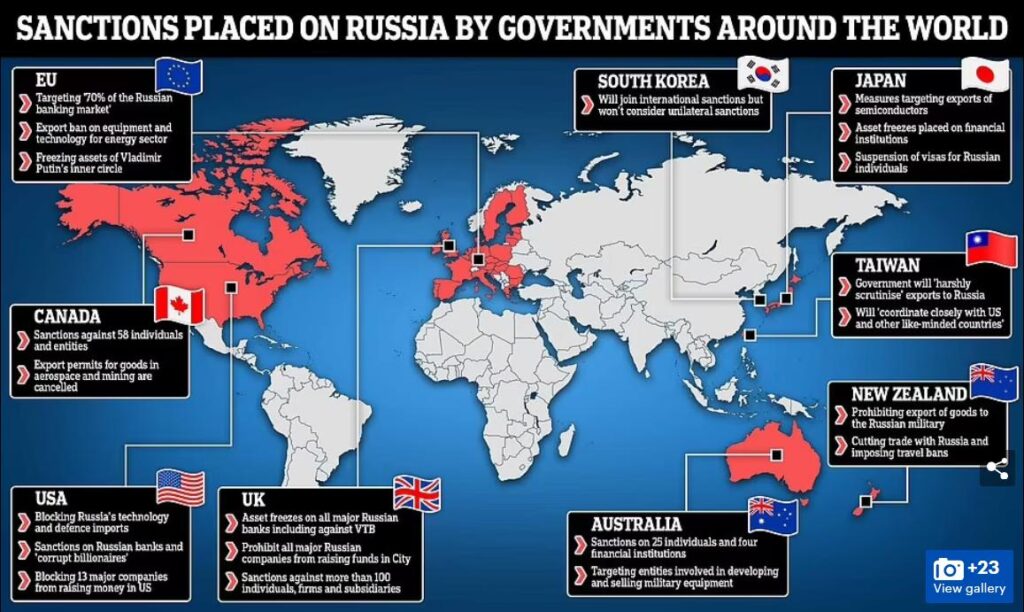
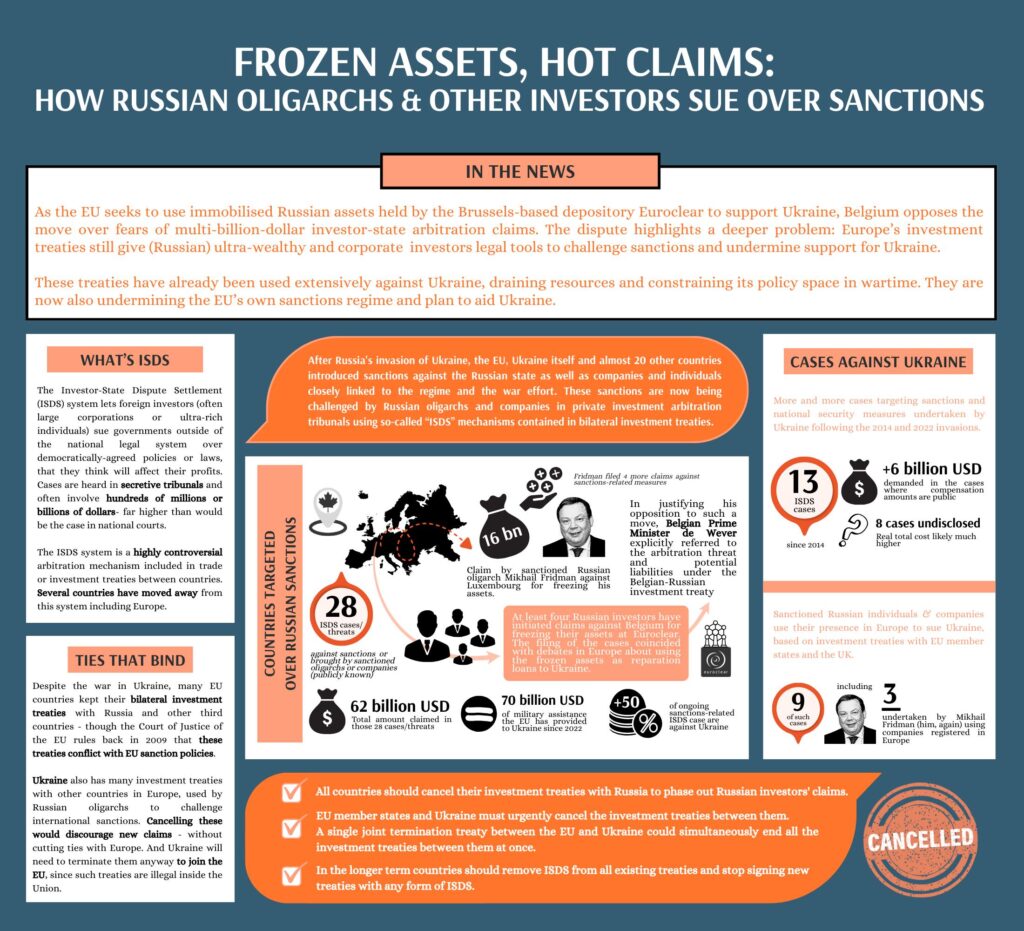
The use of frozen Russian assets has sparked intense debate among legal experts and policymakers. While sanctions allow countries to freeze assets, permanently redirecting or using them raises complex legal questions under international law.
Supporters argue that these funds should be used to repair the damage caused by the war. Critics warn that such actions could set a precedent that might be misused in the future. Despite these concerns, the UK’s move suggests a growing willingness among Western governments to test legal boundaries in response to unprecedented circumstances.
Economic Impact on Ukraine’s Recovery
For Ukraine, this $1 billion injection is more than symbolic—it is essential. The country faces massive reconstruction costs, with infrastructure damage estimated in the hundreds of billions of dollars. Funds like these can be used to rebuild energy systems, roads, hospitals, and housing.
Beyond reconstruction, the money also helps stabilize Ukraine’s economy. It provides liquidity, supports government spending, and reassures international investors that Ukraine continues to receive strong financial backing. This stability is crucial for maintaining confidence during wartime.
How This Could Influence Other Countries
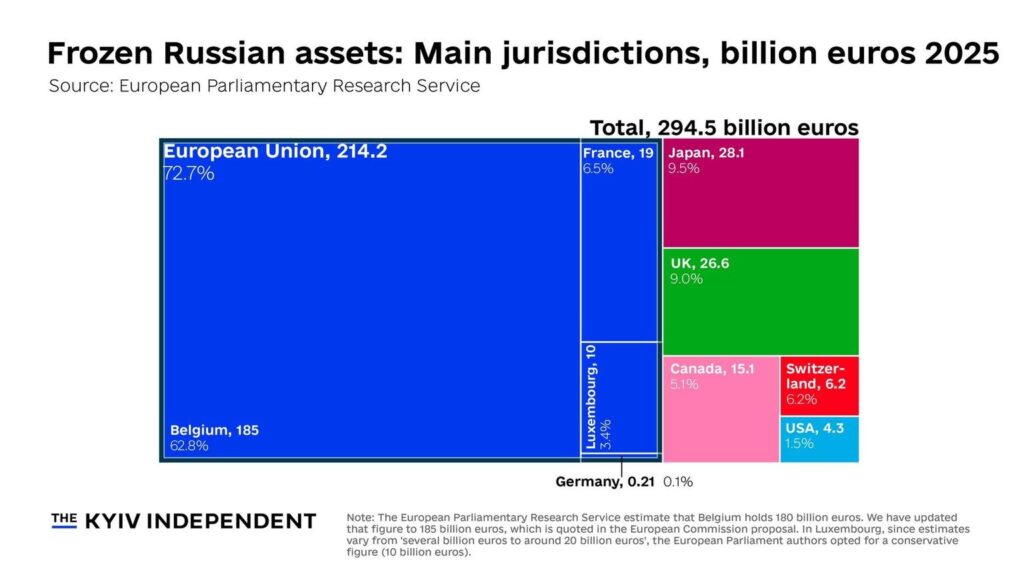
The UK’s decision is likely to influence other Western nations, including members of the European Union and G7 countries. Many of these nations hold significant amounts of frozen Russian assets and have been exploring ways to use them without violating international law.
If a coordinated approach emerges, the total funds available to Ukraine could increase dramatically. This would reduce reliance on taxpayer-funded aid and shift more financial responsibility onto Russia. It also strengthens the idea of collective economic enforcement in global politics.
Long-Term Implications for Russia and Global Sanctions
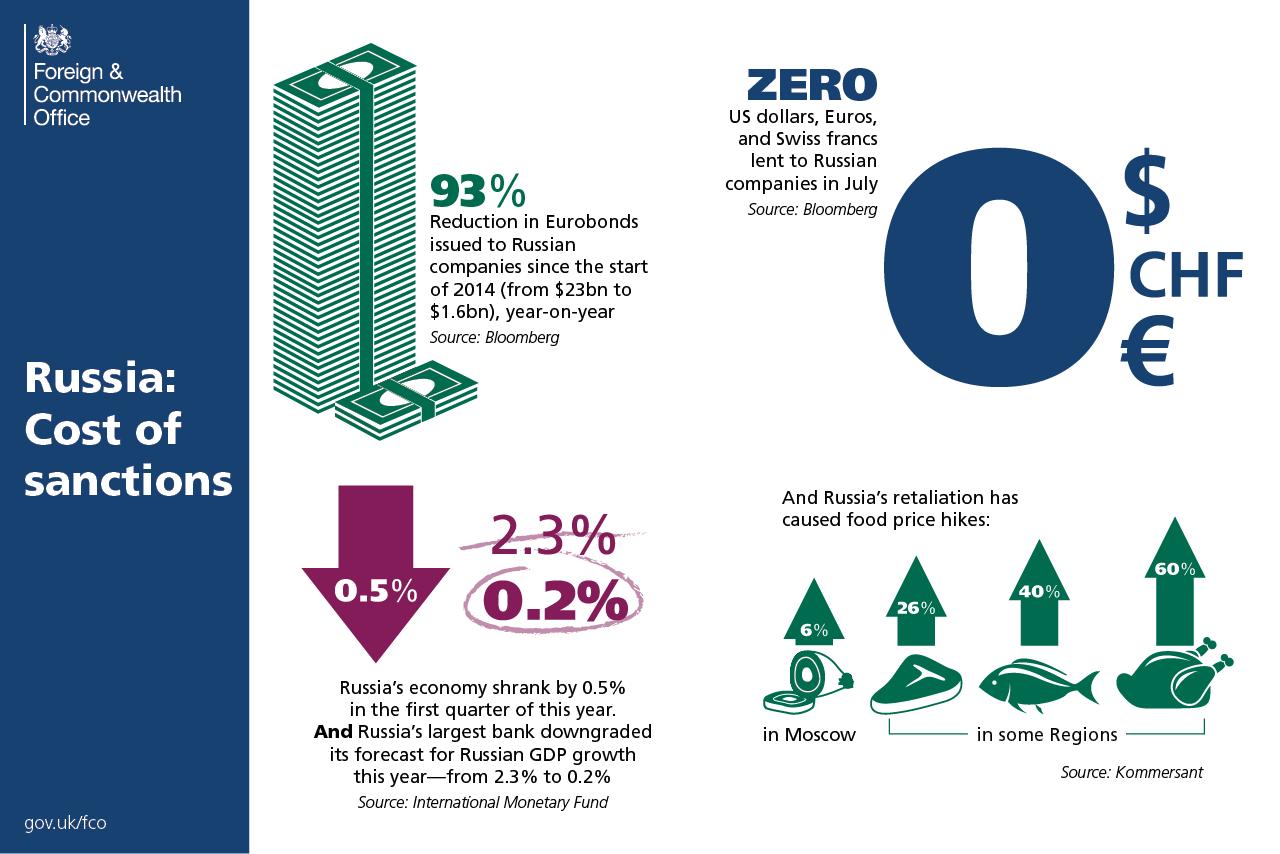
For Russia, this move represents a new phase in the economic consequences of the war. It signals that frozen assets are no longer just untouchable reserves but potential sources of funding for Ukraine’s recovery. This could have long-term effects on how Russia manages its reserves and international financial relationships.
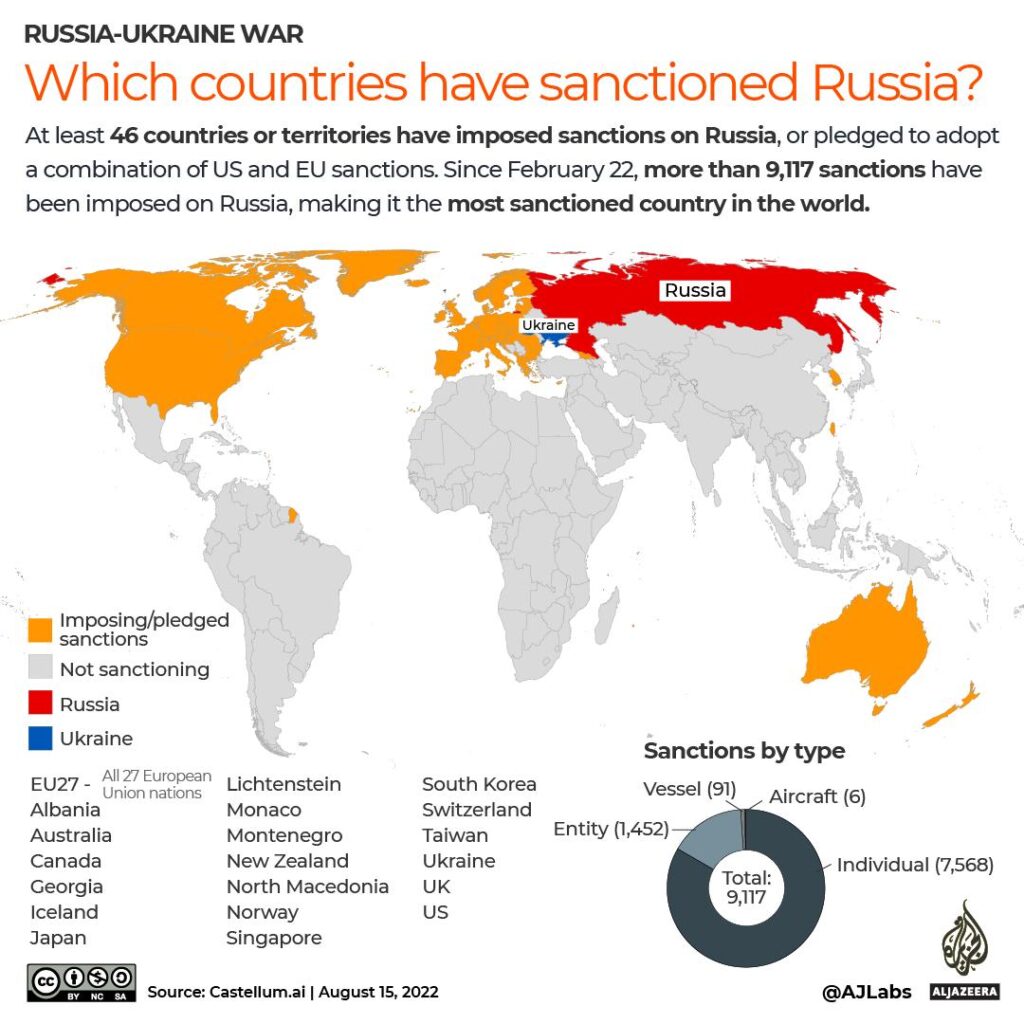
Globally, this action may redefine how sanctions are used. Instead of being purely restrictive, sanctions could evolve into proactive tools that redistribute resources in times of conflict. This shift could influence future geopolitical strategies and international law frameworks.
A Turning Point in Financial Warfare
The UK’s transfer of $1 billion in frozen Russian assets to Ukraine is more than just a financial transaction—it is a turning point in how economic power is used in global conflicts. It highlights a new approach where sanctions not only punish but also actively support recovery and resilience.
As the war continues, decisions like this will shape the future of international relations, economic policy, and conflict resolution. For readers and policymakers alike, this is a development that deserves close attention as its ripple effects unfold across the world.
Subscribe to trusted news sites like USnewsSphere.com for continuous updates.