Interest Rate Cuts or More Hikes? The Fed’s Next Move Could Shock Markets is the question dominating Wall Street right now, as investors, businesses, and everyday Americans wait for signals from the Federal Reserve on what comes next in 2026’s uncertain economic landscape.
The Current State of US Interest Rates in 2026
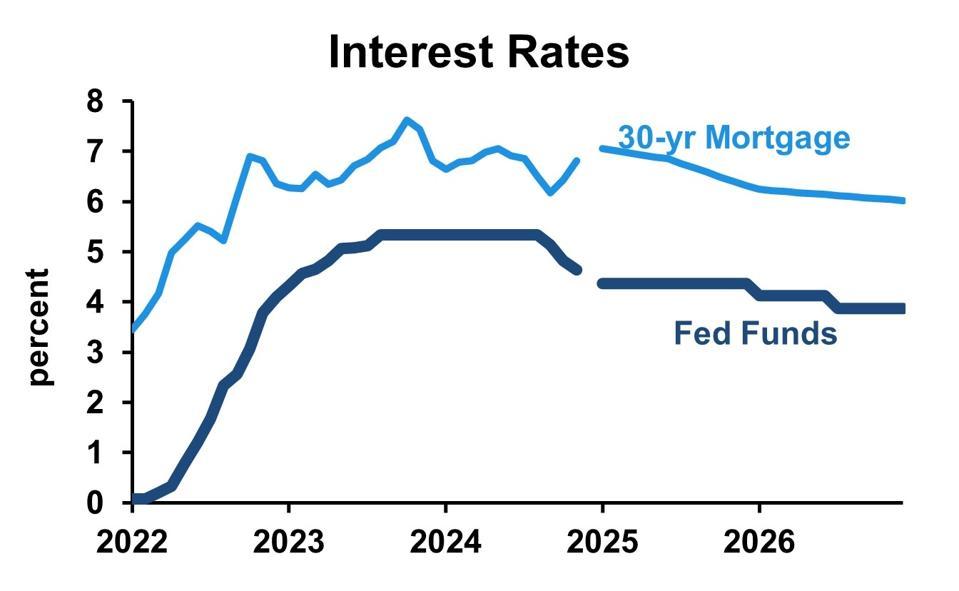


The Federal Reserve has spent the past few years aggressively adjusting interest rates to control inflation. After a series of hikes aimed at cooling price growth, the US economy is now at a turning point. Inflation has eased from its peak levels, but it remains above the central bank’s long-term target.
At the same time, economic growth is showing mixed signals. Consumer spending remains resilient, but sectors like manufacturing and housing are experiencing pressure due to higher borrowing costs. Mortgage rates, for example, continue to affect home affordability, slowing demand in key real estate markets.
This combination of moderating inflation and uneven growth is what makes the current moment so critical. The Fed must decide whether to maintain restrictive policies or begin easing to support the economy.
Why the Fed’s Next Move Is So Uncertain


The uncertainty comes from conflicting economic data. On one hand, inflation has slowed compared to previous highs, suggesting that rate hikes are working. On the other hand, inflation is still not fully under control, and cutting rates too early could risk a resurgence.
Labor market strength adds another layer of complexity. Employment levels remain relatively strong, which supports consumer spending but also keeps upward pressure on wages—and potentially prices.
Financial markets are also reacting in real time. Investors are constantly adjusting expectations based on new data releases, leading to volatility in stocks, bonds, and currencies. This uncertainty is why analysts believe the Fed’s next decision could have an outsized impact.
Market Reactions: Stocks, Bonds, and the Dollar


Markets are highly sensitive to interest rate expectations. When investors anticipate rate cuts, stocks often rally because lower borrowing costs can boost corporate profits and valuations. Conversely, expectations of further hikes tend to pressure equities.
Bond markets tell a similar story. Yields move based on expectations of future policy, and recent fluctuations reflect uncertainty about the Fed’s direction. Short-term yields remain elevated, signaling that markets are still pricing in tight monetary conditions.
The US dollar is another key indicator. Higher interest rates typically strengthen the dollar, while expectations of cuts can weaken it. This has global implications, affecting trade, emerging markets, and international investment flows.
What This Means for You
For everyday Americans, the Fed’s decision directly affects financial life.
Higher interest rates mean more expensive loans—whether for homes, cars, or credit cards. If rates remain elevated or rise further, borrowing costs will stay high, potentially limiting spending and investment.
On the other hand, savers benefit from higher rates through improved returns on savings accounts and fixed-income investments. If the Fed begins cutting rates, these returns may decline, but borrowing could become more affordable.
Understanding this balance is crucial. Your financial decisions—whether investing, saving, or borrowing—should align with the broader interest rate environment.
Investor Takeaway
Investors should focus on adaptability rather than prediction.
If rate cuts begin, growth stocks—especially in technology—could see renewed momentum. Lower rates often support higher valuations and increased risk appetite.
If rates stay high or increase further, defensive sectors like utilities, healthcare, and consumer staples may outperform. These industries tend to be more stable during periods of economic uncertainty.
Diversification remains the most effective strategy. By spreading investments across asset classes and sectors, investors can better navigate different interest rate scenarios.
Future Outlook


Looking ahead, the Fed’s path will depend heavily on incoming data.
If inflation continues to decline steadily, the central bank may begin gradual rate cuts to support economic growth. However, if inflation proves persistent, policymakers may keep rates higher for longer—or even consider additional hikes.
Global factors will also play a role. Economic conditions in Europe and Asia, along with geopolitical developments, can influence US policy decisions and market dynamics.
The most likely scenario is continued volatility. Rather than a clear and predictable path, markets should expect shifts based on new economic data and policy signals.
Final Thoughts: Why This Moment Matters More Than Ever


The question of whether the Federal Reserve will cut or raise rates is more than a policy debate—it’s a defining factor for the direction of the US economy in 2026.
For investors and households alike, staying informed is essential. Interest rate decisions influence everything from stock market performance to everyday expenses.
The key is preparation. By understanding potential scenarios and adjusting strategies accordingly, you can navigate uncertainty with confidence.
Subscribe to trusted news sites like USnewsSphere.com for continuous updates.