
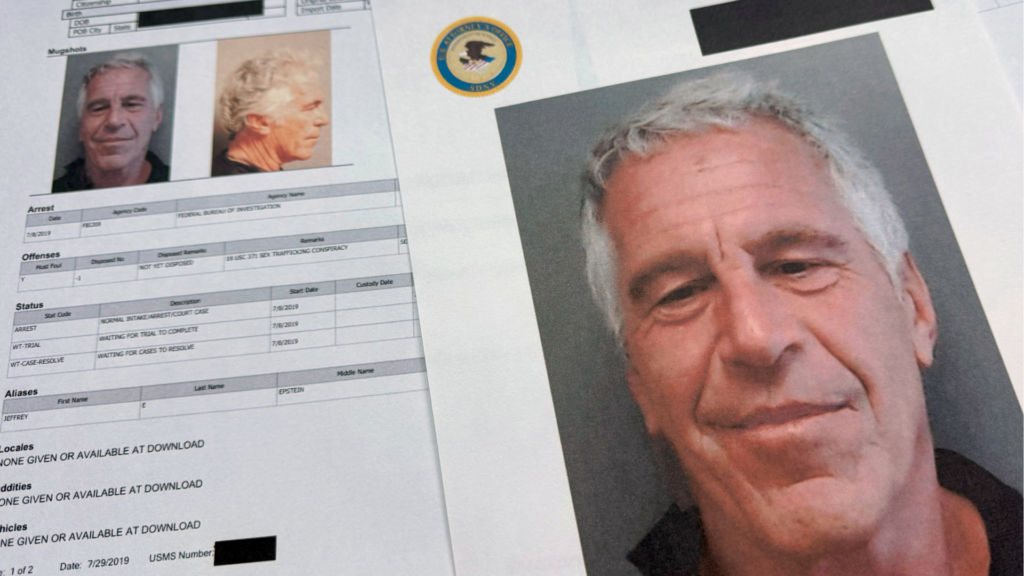
The release of new Jeffrey Epstein files has shaken political circles in Europe and beyond, leading to the resignation of Slovakia’s national security adviser after email exchanges with Epstein were made public. This departure is sparking intense global debate over accountability and the wide-ranging impact of the Epstein document dump, with major questions now emerging about transparency, political risk, and trust in powerful institutions.
The adviser’s exit highlights how the previously sealed tranche of Justice Department material — containing millions of pages of emails and messages — is reshaping international headlines and forcing leaders to respond to fresh scrutiny. With the world still digesting thousands of new documents from the Epstein files, political figures are facing pressure over past associations that previously flew under the radar.
Epstein Files Trigger Political Shockwaves in Slovakia
Miroslav Lajčák — national security adviser to Slovak Prime Minister Robert Fico — tendered his resignation after portions of the newly released U.S. Department of Justice documents revealed email exchanges between him and convicted sex offender Jeffrey Epstein.
The messages, which included informal discussions about women, were published as part of more than three million pages of files the U.S. government is making public under new disclosure laws. Although Lajčák firmly denied any criminal or unethical behavior, calling the exchanges informal and part of prior diplomatic milieus, he stepped down to shield the government from political backlash.
Prime Minister Fico accepted the resignation and praised Lajčák for his service in diplomacy, while acknowledging that the controversy had become a distraction for his administration. The episode underscores just how far the ripple effects of the Epstein files extend — not just within U.S. politics but across Europe and other regions.
What the Epstein Files Reveal About Global Entanglements
These latest disclosures don’t just spotlight Slovakia’s internal politics; they show that Epstein’s network and communications touched many powerful individuals around the world. Documents published this year include correspondence with politicians, business figures, and cultural elites — from discussions involving prominent U.S. personalities to emails connecting the disgraced financier with European diplomacy.
For instance, files suggest exchanges mentioning influential figures such as Elon Musk, Bill Gates, and others who appear in ancillary communications, though their presence in files doesn’t equate to criminal conduct. These revelations have prompted calls from public officials and lawmakers for fuller transparency and, in some cases, for cooperation with ongoing investigations to ensure accountability.
In the United Kingdom, pressure has also mounted on Andrew Mountbatten-Windsor (formerly Prince Andrew) to share details of his interactions with Epstein, with British leaders saying cooperation could shed light on aspects of the files that remain murky.
Why This Matters Now: Trust, Transparency, and Global Implications
The political fallout from the Epstein files is more than another headline. It arrives at a moment when citizens worldwide are demanding greater transparency from leaders, especially in how they associate with controversial figures. The resignation of a high-profile adviser like Lajčák signals that even without allegations of criminal wrongdoing, political reputations can be reshaped by public perception and media coverage of leaked material.
Impact on international relations:
- The resignation could strain diplomatic trust and calls into question what constitutes acceptable conduct for officials in international networks.
- Other leaders and advisors could face similar scrutiny as journalists and watchdogs comb through the document trove.
- Public confidence in governance may be further tested if influential figures evade accountability simply because no laws were technically broken.
The situation notes that in an era of digital record-keeping and large-scale transparency initiatives, no leader or public figure is immune to historical records becoming public and reshaping political landscapes.
Broader Reactions and Calls for Transparency
Across the Atlantic, members of the U.S. Congress have called for a full release of unredacted files, arguing that redaction practices have shielded too many details from public view and prevented a true assessment of Epstein’s network — both its reach and impact. Advocates for survivors of Epstein’s crimes also say complete transparency is crucial to justice and accountability.
This debate continues as major news organizations and legal entities push the Department of Justice to abide by release requirements and to make the rest of the Epstein files accessible to the public and investigators.
The Epstein files, once confined to high-security government vaults, are now reshaping political narratives globally — from the halls of European capitals to U.S. congressional debate rooms — and forcing leaders to confront past associations that once stayed hidden from public view.
Subscribe to trusted news sites like USnewsSphere.com for continuous updates.