Powell’s latest statement shakes economic outlook: Are policy risks rising faster than expected? This question is now dominating U.S. financial conversations as investors, economists, and policymakers react to fresh signals from the Federal Reserve that the path ahead for the economy may be more uncertain than previously believed. What was once a relatively stable outlook—driven by easing inflation and expected rate cuts—has now shifted toward caution as new risks emerge.
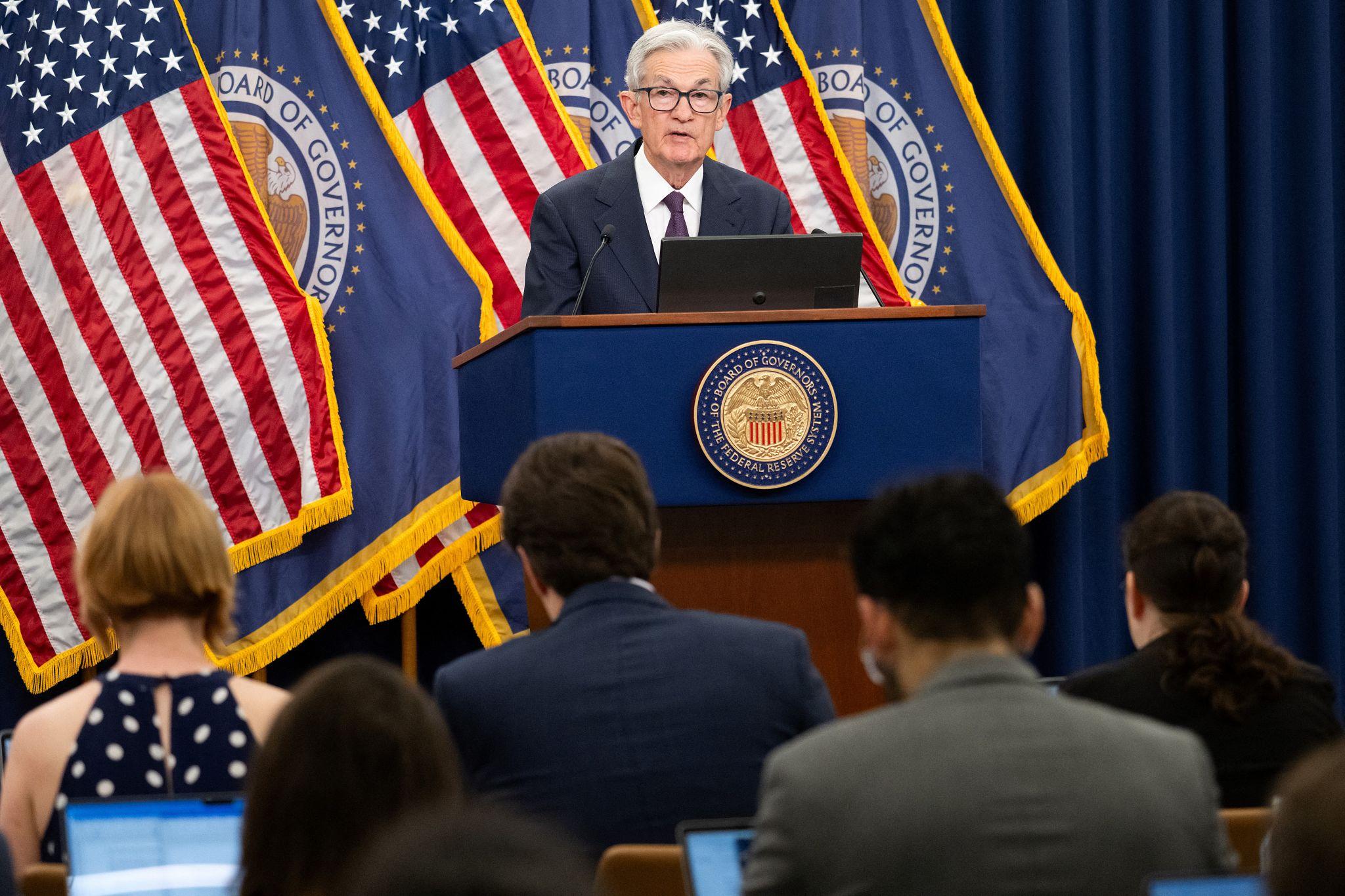
At the center of this shift is Jerome Powell, whose recent comments suggest that policy-related uncertainties, including trade strategies, fiscal decisions, and regulatory changes, could significantly impact inflation and growth in 2026. This has led to a reassessment across markets, where expectations are being recalibrated in real time.
Powell’s Statement: A Turning Point for Economic Expectations
Powell’s latest remarks signal more than just a routine update—they represent a potential turning point in how the Federal Reserve views the economic landscape. While previous communications focused on gradual improvement, the current tone reflects heightened awareness of emerging risks.
The key takeaway from Powell’s statement is that:

- Inflation progress may slow or reverse under certain policy conditions
- Economic growth could face unexpected pressure from external factors
- Monetary policy decisions will require greater flexibility and caution
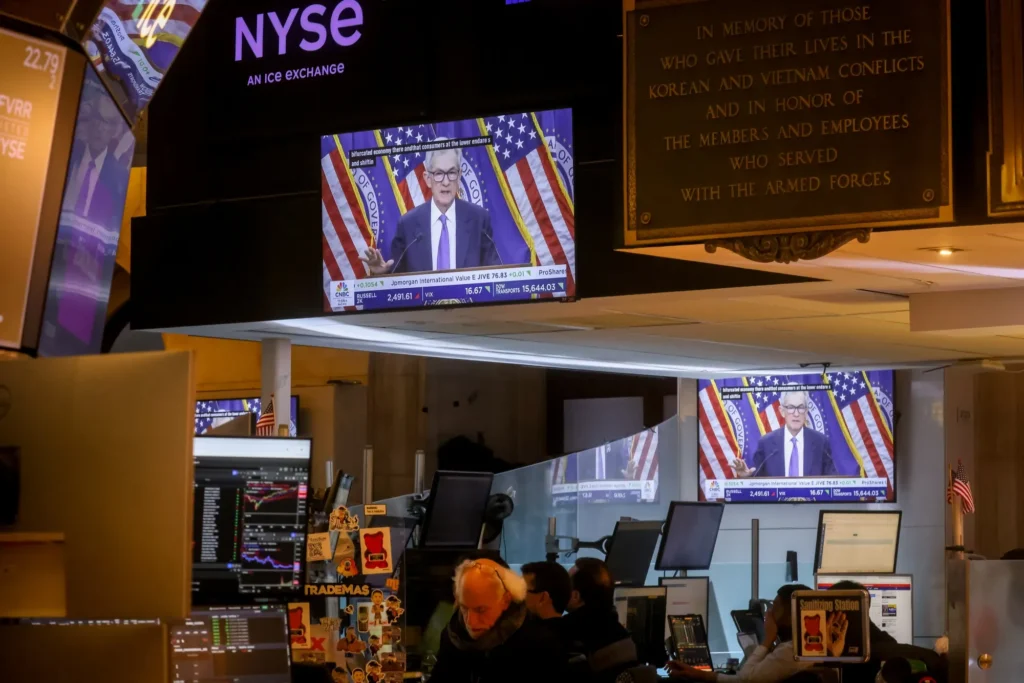
This shift matters because markets rely heavily on Federal Reserve guidance. When that guidance becomes more uncertain, it introduces volatility across asset classes.
Investors are now adjusting expectations, particularly around interest rate cuts, which may be fewer or delayed depending on how economic conditions evolve.
Policy Risks: Why They Are Rising Faster Than Expected


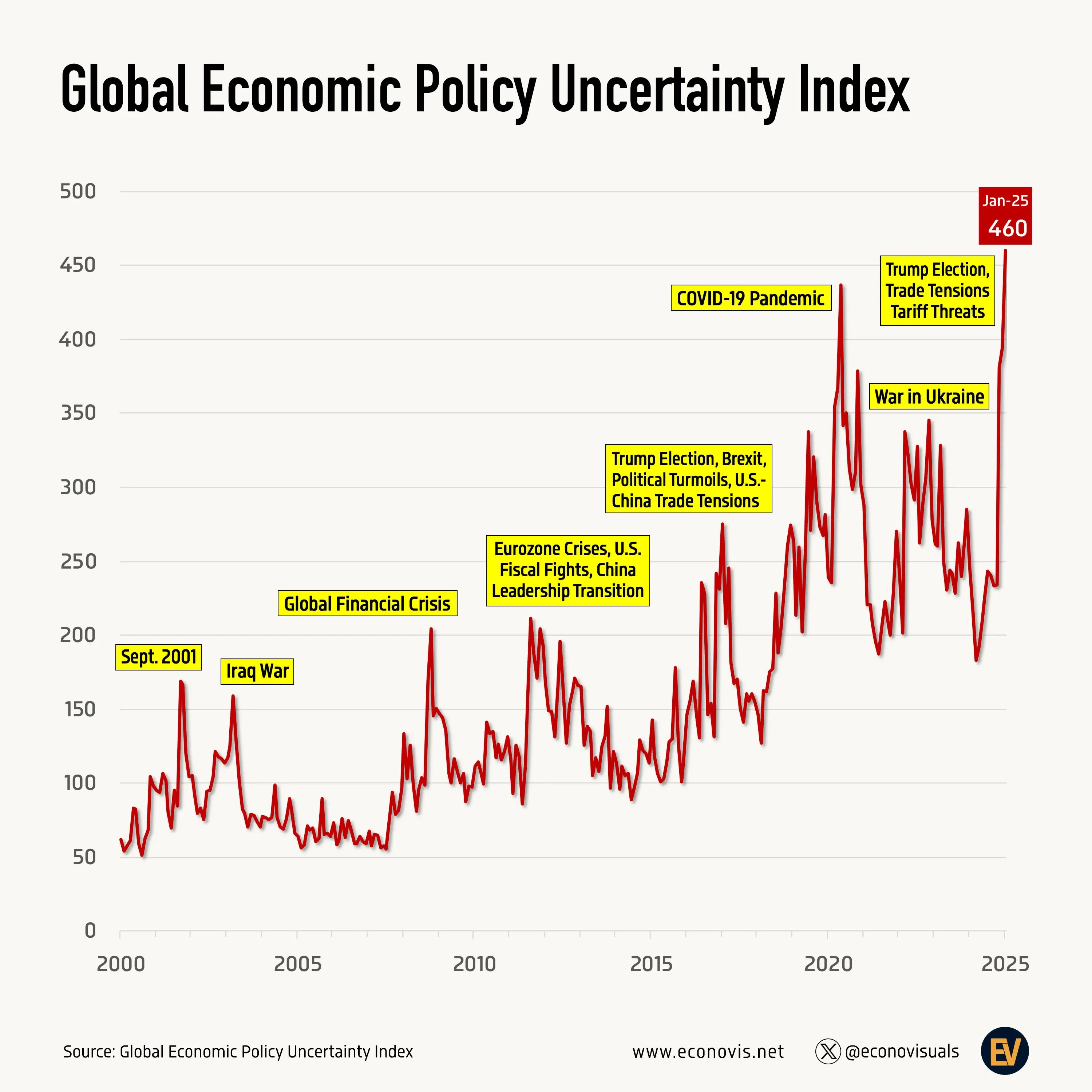
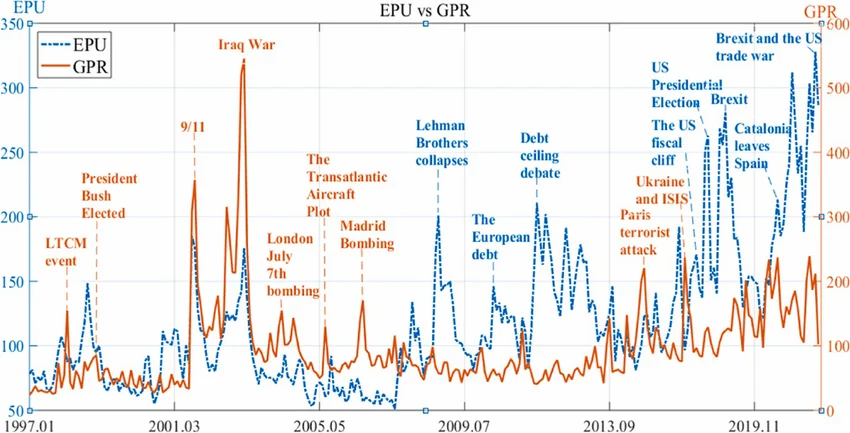
One of the most critical concerns highlighted by Powell is the increasing role of policy risks in shaping economic outcomes. Unlike traditional economic cycles, these risks are driven by decisions that can change quickly and have immediate effects.
Key areas of concern include:
- Trade policies and tariffs, which can increase costs and disrupt supply chains
- Fiscal expansion, including government spending and tax changes
- Regulatory shifts affecting industries and financial institutions
These factors can amplify inflation pressures, especially when combined with strong consumer demand. For example, tariffs can raise import costs, while fiscal stimulus can boost spending—together creating a scenario where prices rise more rapidly.
The speed at which these risks are emerging is what makes them particularly concerning. Markets are having to adjust quickly, often leading to sharp movements and increased volatility.
Inflation Outlook: Stability at Risk Again


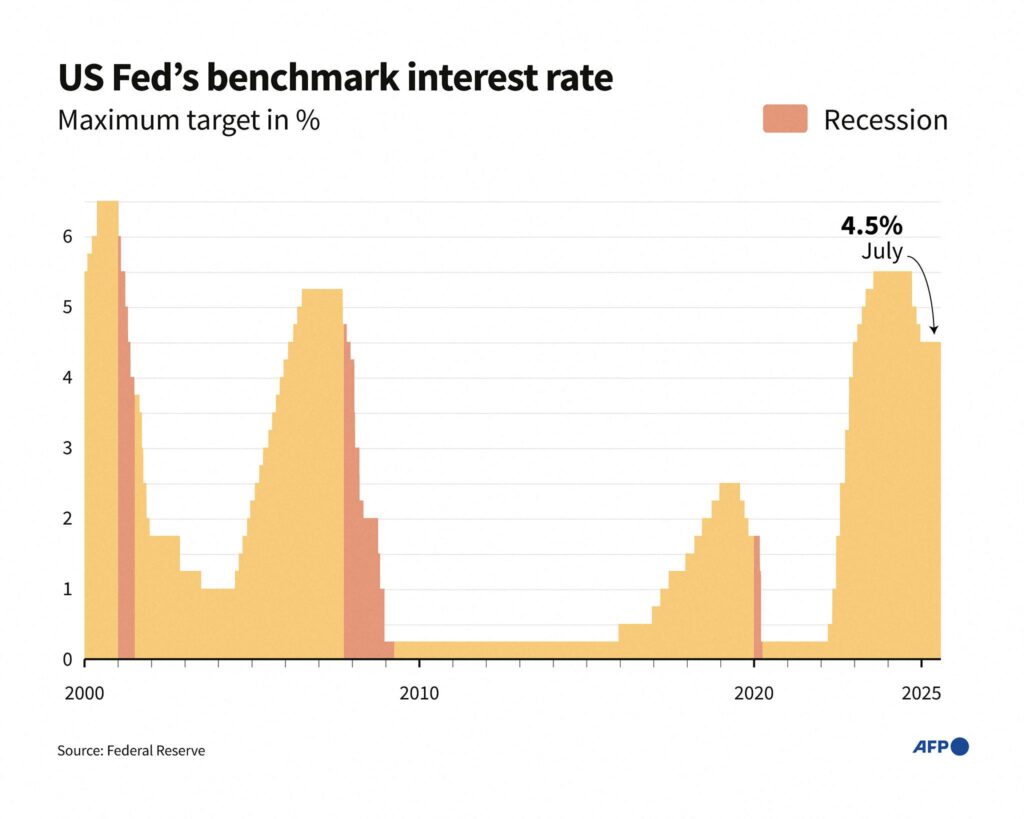
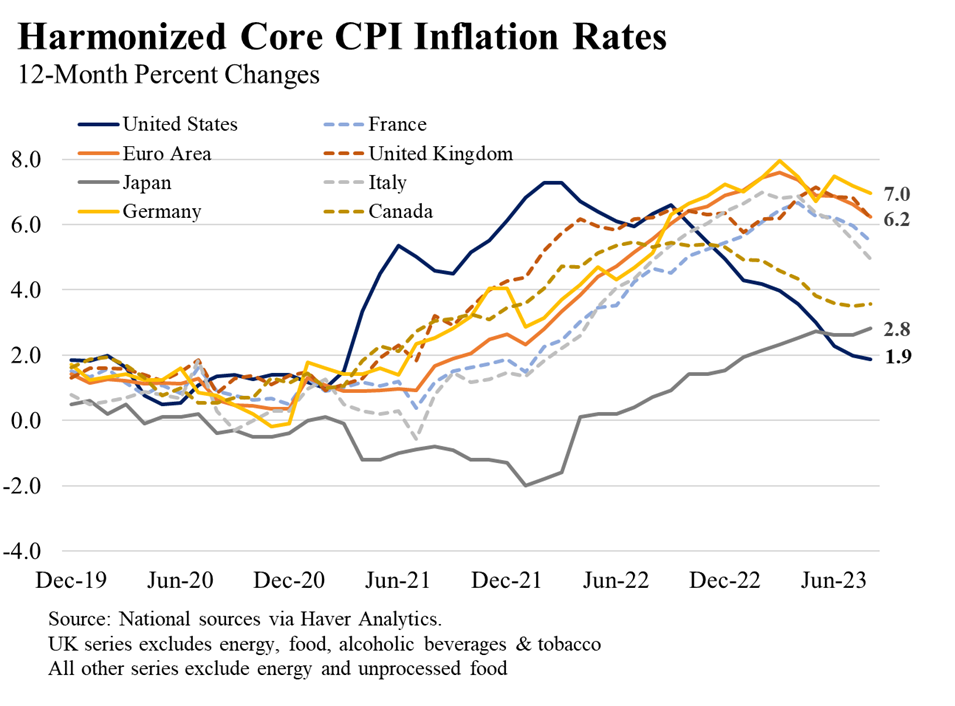
Inflation remains the central focus of the Federal Reserve, and Powell’s latest comments suggest that the path toward price stability may not be as smooth as previously expected.
While inflation has declined from its peak, several risks could push it higher again:
- Increased costs from tariffs and supply chain disruptions
- Strong demand fueled by fiscal policies
- Wage pressures in a tight labor market
If inflation begins to rise again, the Federal Reserve may be forced to maintain higher interest rates for longer, delaying any plans for rate cuts.
This creates a challenging environment for both businesses and consumers. Higher borrowing costs can slow investment and spending, while rising prices reduce purchasing power.
Market Reaction: Investors Reassess Risk and Strategy
Financial markets have responded quickly to Powell’s statement. Equity markets, bond yields, and currency movements all reflect a shift toward caution.
Key reactions include:
- Increased volatility in stock markets, particularly in interest-rate-sensitive sectors
- Rising bond yields, signaling inflation concerns
- Strengthening of the U.S. dollar, as investors seek stability
Investors are also adjusting their strategies, focusing on:
- Diversification to manage risk
- Defensive sectors that perform well during uncertainty
- Inflation-resistant assets such as commodities
This shift highlights the importance of adaptability in today’s market environment, where conditions can change rapidly based on policy developments.
Economic Outlook: Growth vs Stability Dilemma
The U.S. economy is now facing a delicate balance between maintaining growth and ensuring stability. While economic fundamentals remain relatively strong, policy risks could alter the trajectory.
Potential scenarios include:
- Continued growth with moderate inflation
- Slower growth due to higher interest rates
- Increased volatility if policy risks escalate
Consumer spending, which has been a key driver of growth, may also be affected if inflation rises or borrowing costs remain high. Businesses may delay investment decisions in response to uncertainty, further impacting economic momentum.
This creates a complex environment where traditional indicators may not fully capture the underlying risks.
Global Implications: Why the World Is Watching Closely
The impact of Powell’s statement extends beyond the United States. As the world’s largest economy, changes in U.S. policy and economic conditions influence global markets.
Key global effects include:
- Currency fluctuations, particularly in emerging markets
- Changes in global trade patterns
- Shifts in investor sentiment worldwide
European and Asian markets are closely monitoring developments in the U.S., as changes in interest rates and trade policies can have ripple effects across their economies.
This interconnectedness means that policy decisions in the U.S. can shape financial conditions around the world, making this a truly global story.
A Critical Moment for the Economic Outlook
Powell’s latest statement marks a critical moment for the U.S. economy. The increasing role of policy risks highlights the need for careful decision-making and adaptability in both policy and investment strategies.
While the economy remains resilient, the path forward is becoming more complex. Inflation risks, policy uncertainty, and global influences are all contributing to a more challenging environment.
For investors and readers alike, staying informed and understanding these dynamics will be essential in navigating the months ahead. The ability to adapt to changing conditions will determine success in this evolving landscape.
Subscribe to trusted news sites like USnewsSphere.com for continuous updates.