
Legal Risks Hit Big Tech: Is a New Era of US Regulation About to Shake Financial Markets? This question is rapidly becoming one of the most searched and debated topics across U.S. financial media as mounting lawsuits, antitrust actions, and regulatory pressure reshape the future of technology giants and investor sentiment.
Over the past few weeks, major technology companies have seen sharp volatility driven by legal developments, including antitrust rulings, data privacy investigations, and labor-related lawsuits. The ripple effects are already visible in stock prices, sector rotation, and broader market confidence. Investors are now questioning whether Big Tech’s dominance is entering a new phase of tighter oversight—and what that means for portfolios in 2026 and beyond.
This article brings together the latest verified data, trending financial insights, and expert analysis to provide a complete picture of how legal risks are reshaping Big Tech—and why this could mark a turning point for global financial markets.

Big Tech Under Pressure: What’s Driving the Surge in Legal Risks?
The legal landscape for Big Tech companies has intensified significantly in 2026. U.S. regulators, along with European authorities, are pushing forward aggressive actions aimed at limiting monopolistic behavior, improving data transparency, and protecting competition.
Recent developments include:
- Multi-billion-dollar lawsuits related to data privacy violations
- Antitrust rulings targeting digital advertising dominance
- Labor and AI-related legal challenges
- Increased scrutiny on mergers and acquisitions

In particular, companies like Meta, Google, Amazon, and Apple have been at the center of multiple legal battles. One of the biggest recent shocks came when a major social media company lost a key lawsuit, wiping out tens of billions in market value within days.
This signals a clear shift: regulators are no longer just investigating—they are acting decisively.
Market Reaction: How Stocks Are Responding to Legal Uncertainty
Financial markets have reacted sharply to these developments, especially within the tech-heavy Nasdaq index.
Key market movements observed:
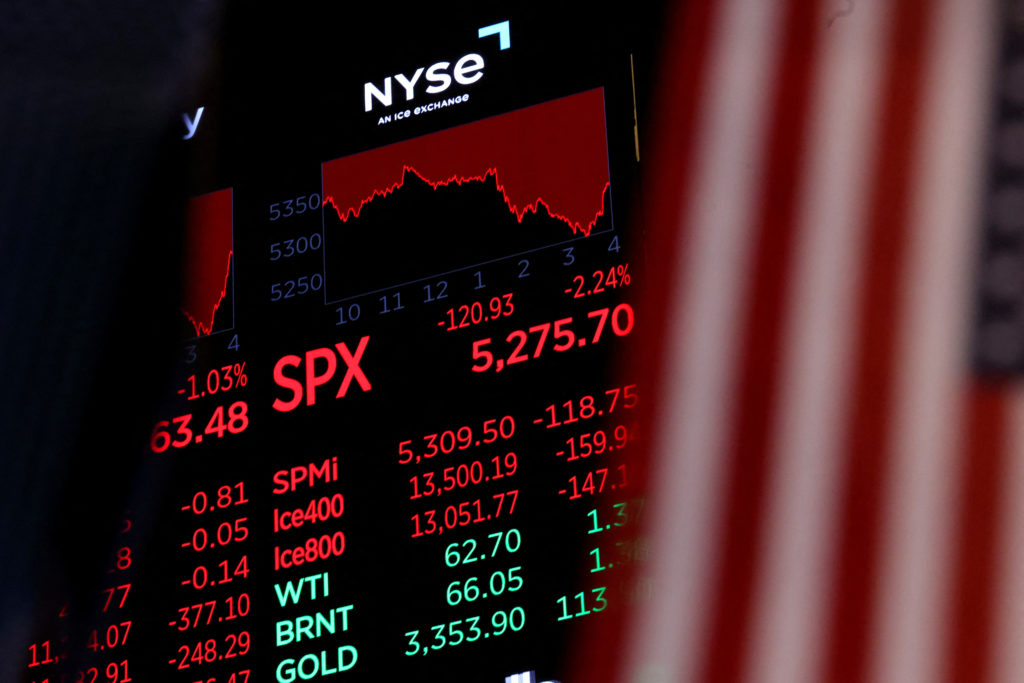
- Tech stocks experienced sudden sell-offs following legal announcements
- Increased volatility in mega-cap stocks
- Investors are shifting capital toward safer sectors like energy and healthcare
- Rising demand for defensive and dividend-paying stocks
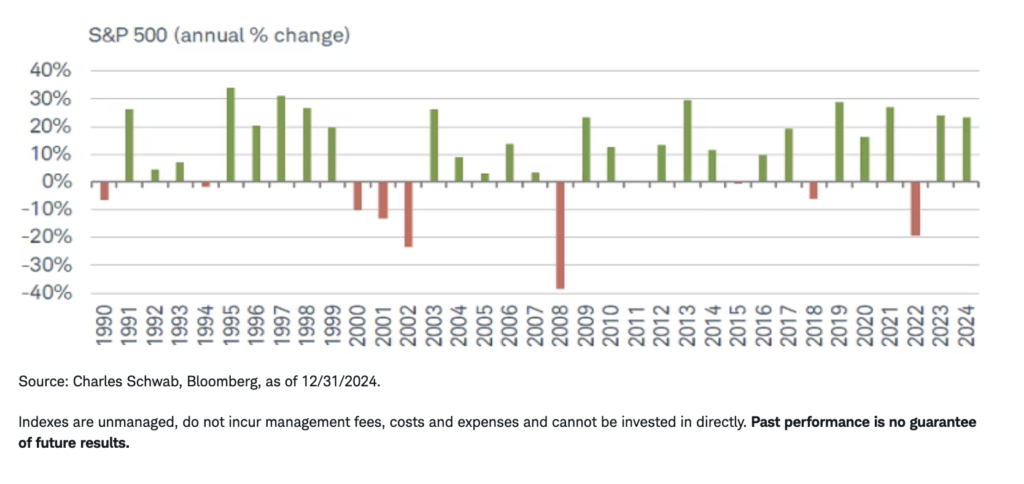
For example, a recent legal setback led to a single-day drop of over $100 billion in market capitalization for one major tech firm. This kind of reaction highlights how sensitive valuations have become to regulatory risk.
Another important trend is the widening gap between high-growth tech companies and more stable, regulation-resistant sectors. Investors are now actively reassessing risk exposure in their portfolios.

Why 2026 Could Mark a Turning Point for Regulation
Several structural changes suggest that 2026 could become a defining year for Big Tech regulation.
First, political pressure in the United States has intensified. Both major parties are increasingly aligned on the need to regulate Big Tech, albeit for different reasons—ranging from market fairness to national security.
Second, global coordination is improving. The European Union’s Digital Markets Act and similar frameworks are influencing U.S. policy, creating a unified regulatory approach across major economies.
Third, the rapid rise of artificial intelligence has introduced new legal complexities. Governments are now racing to establish frameworks that address:
- AI accountability
- Data ownership
- Algorithm transparency
- Consumer protection
This combination of political will, global alignment, and technological disruption is creating a regulatory environment unlike anything seen before.
Investor Outlook: Risks, Opportunities, and Strategy Shifts
For investors, this evolving landscape presents both risks and opportunities.
Key Risks:
- Declining profit margins due to regulatory compliance costs
- Slower growth from restrictions on acquisitions
- Potential breakups of large tech firms
- Increased legal expenses are impacting earnings
Emerging Opportunities:
- Undervalued tech stocks after sharp corrections
- Growth in cybersecurity and compliance-related industries
- Expansion of smaller tech firms benefiting from reduced competition
- Increased demand for AI governance solutions
Market experts suggest that while short-term volatility is likely to continue, long-term investors may find attractive entry points in fundamentally strong companies that adapt to regulatory changes.
Diversification is becoming a critical strategy. Investors are increasingly balancing tech exposure with sectors less affected by regulation, such as commodities, financials, and industrials.
The Global Impact: Beyond U.S. Markets
The impact of U.S. regulation is not limited to American companies. Global markets are also feeling the effects.
- European tech firms are aligning with stricter compliance standards
- Asian markets are closely monitoring U.S. policy shifts
- Cross-border investments are becoming more cautious
- Supply chains linked to Big Tech are experiencing indirect pressure
Additionally, multinational companies that rely on Big Tech platforms for advertising, cloud services, or logistics may face increased costs and operational challenges.
This interconnected impact means that regulatory changes in the U.S. can influence global economic trends, making it a key factor for international investors.
Expert Insights: What Analysts Are Saying
Financial analysts and economists are divided on the long-term implications of increased regulation.
Some believe that stricter rules will ultimately create a healthier, more competitive market environment. They argue that breaking monopolistic structures could encourage innovation and benefit consumers.
Others warn that excessive regulation could stifle growth, reduce global competitiveness, and slow technological advancement—especially in emerging fields like AI and cloud computing.
Recent expert commentary highlights:
- “We are entering a new regulatory era where compliance will define winners and losers.”
- “Tech valuations must now include regulatory risk as a core factor.”
- “The next decade will reward companies that can innovate within legal boundaries.”
This shift in narrative is crucial. Regulation is no longer a background concern—it is now a central driver of market performance.
Market Outlook: What Comes Next for Big Tech?
Looking ahead, several scenarios could shape the future of Big Tech and financial markets:
Scenario 1: Controlled Regulation
Governments impose structured regulations without disrupting core business models. Markets stabilize, and tech companies adapt successfully.
Scenario 2: Aggressive Breakups
Major firms are forced to split operations, leading to short-term market disruption but long-term competition.
Scenario 3: Innovation-Led Recovery
Tech companies pivot toward new revenue streams like AI, offsetting regulatory pressures and driving growth.
Scenario 4: Prolonged Uncertainty
Ongoing legal battles create sustained volatility, discouraging investment and slowing sector growth.
Currently, markets appear to be pricing in a mix of these scenarios, leading to increased volatility but also selective opportunities.
A Defining Moment for Big Tech and Investors
The surge in legal risks facing Big Tech is more than just a series of isolated events—it represents a fundamental shift in how governments, markets, and investors view the technology sector.
As regulation becomes a defining force, companies must adapt quickly to survive and thrive. For investors, this means rethinking strategies, managing risk more carefully, and identifying opportunities in a rapidly changing environment.
While uncertainty remains high, one thing is clear: the era of unchecked Big Tech dominance is evolving into a new phase of accountability and regulation. Whether this transformation leads to stronger markets or slower growth will depend on how effectively companies and policymakers navigate this transition.
For now, staying informed, diversified, and strategically positioned will be key to navigating what could be one of the most important financial shifts of the decade.
Subscribe to trusted news sites like USnewsSphere.com for continuous updates.