Portugal’s political landscape has shifted dramatically as conservative figures publicly support a center-left candidate to stop the nation’s far-right contender from winning the presidency. In a rare turn of events, mainstream conservatives are urging voters to unite behind Socialist António José Seguro — even though he is ideologically different — to prevent far-right leader André Ventura of the Chega party from gaining the country’s highest office. This development underscores broader concerns about political fragmentation and the rise of nationalist forces in Europe.
This matters now because the Portuguese presidential runoff on February 8, 2026, could define the country’s political trajectory at a time when far-right movements are gaining ground across the continent. Experts warn that a successful far-right bid in Portugal could embolden similar parties in Europe, affecting everything from immigration policy to democratic norms.
How Portugal’s Election Took an Unusual Turn
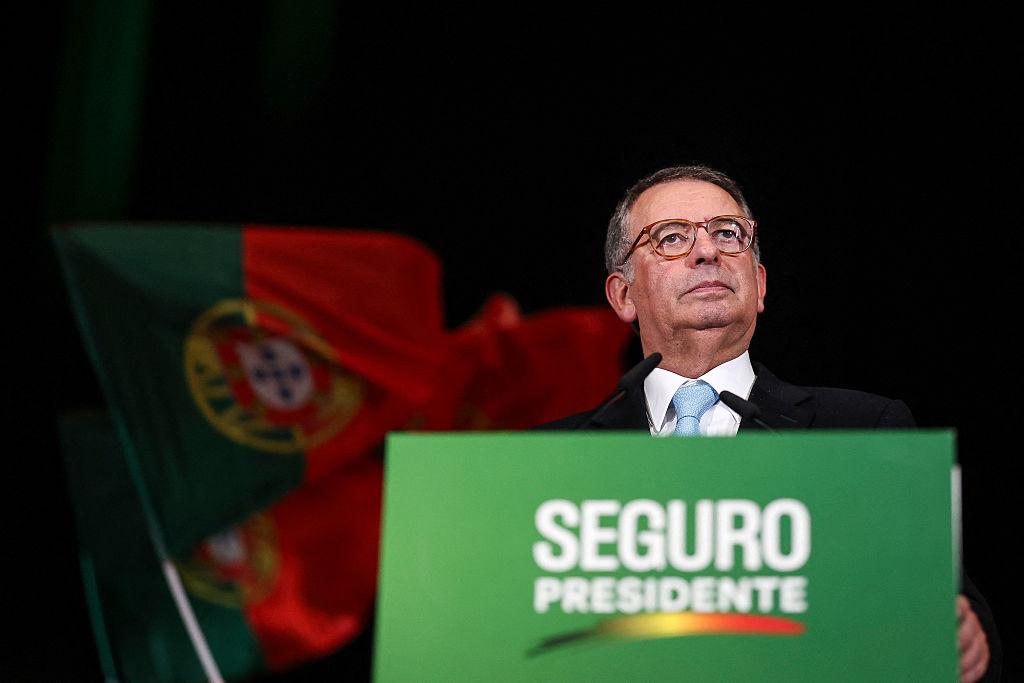
Portugal’s first round of the 2026 presidential election on January 18 saw a historic result: no candidate secured an outright majority, prompting a runoff — only the second time this has happened since 1976. The center-left candidate, António José Seguro, won 31.1 percent of the vote, while far-right leader André Ventura of the Chega party came in second with about 23.5 percent.
Though the presidency in Portugal is largely ceremonial, it still wields important constitutional powers, such as the ability to dissolve parliament or veto legislation in times of crisis. These powers, while limited, can influence national policy and political stability.

The real twist in the race, however, is how mainstream conservative figures — including some former leaders and influencers tied to the center-right — are urging their supporters to cast ballots for Seguro in the second round. Their motivation isn’t ideological alignment, but rather a tactical move to block Ventura’s ascent, given his polarizing positions.
Who Is André Ventura and the Chega Party?
André Ventura leads Chega — a relatively new but fast-growing far-right party in Portugal. Since its founding in 2019, Chega has steadily expanded its presence, going from a single parliamentary seat to becoming one of the country’s most talked-about political forces. The party emphasizes nationalist, populist, and conservative themes.
Ventura himself is a controversial figure. While he defines his views as economic liberal and nationalist, critics point to statements judged by many as xenophobic, anti-immigration, and hostile toward minorities. His rhetoric has drawn comparisons to other far-right leaders globally.
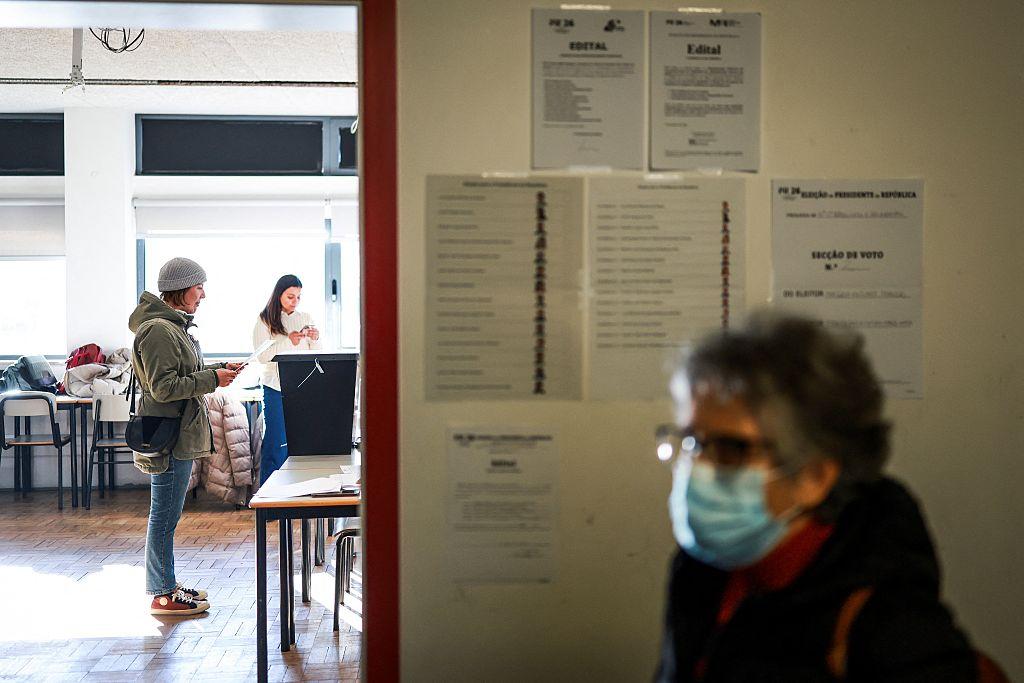
This growing influence of Chega reflects a broader European pattern where far-right and nationalist parties have surged in popularity, contributing to political fragmentation in countries such as France, Germany, and Poland.
Why Conservatives Chose to Support Their Opponent
It may seem counterintuitive that conservative leaders would endorse a center-left candidate, but political analysts explain this is a strategic choice rooted in fear of far-right governance and its potential impact on democratic norms.
Since Chega’s rise, Portugal’s traditional center-right parties — including the Social Democratic Party (PSD) — have experienced internal division. Rather than fielding a unified candidate of their own, these conservative factions are now encouraging voters to back Seguro as the best chance to keep the far right out of the presidency.
This strategy mirrors moves in other democracies where centrist and mainstream parties have formed broad coalitions to “cordon off” far-right candidates and prevent them from gaining power. It is reminiscent of similar efforts in French politics in the early 2000s and elsewhere in Europe.
Broader European Context: A Battle Over Political Identity
Europe is witnessing rising political tensions between centrist, liberal forces and populist, nationalist movements. While far-right parties have seen gains in several countries, they have not yet dominated major executive positions. For example, Romania and Poland saw mixed results where far-right and nationalist forces made strong showings but did not overtake central contenders.
These developments reveal a struggle over the future direction of European politics — balancing economic concerns, immigration, national identity, and democratic norms. The Portuguese election, therefore, is not an isolated event but part of a larger narrative of political realignment.
What Could Happen Next
As the runoff approaches, both sides are intensifying their campaigns. Polls suggest that while Ventura has loyal support, many voters remain wary of his far-right policies and rhetoric. Mainstream parties are monetizing this apprehension and underscoring the importance of a united democratic front.
The avalanche of conservative support for António José Seguro is now a source of discomfort for Prime Minister Luís Montenegro, who is declining to endorse either candidate in the presidential runoff.

Political experts stress that the outcome of this election could either reinforce democratic institutions or embolden extremist voices within Portugal and possibly influence political trends beyond its borders. The stakes are therefore high not just for Portuguese voters, but for observers across Europe.
Conclusion: A Defining Moment for Portuguese Democracy
Portugal’s presidential election has become a litmus test for the resilience of centrist politics in Europe. With conservatives backing a candidate from the opposite side of the spectrum purely to block a far-right victory, it reflects both strategic political calculus and deep concern over rising populism.
Whatever the result in the February 8 runoff, this election will be remembered as a defining moment — one that could shape the nation’s political culture for years to come.
Subscribe to trusted news sites like USnewsSphere.com for continuous updates.