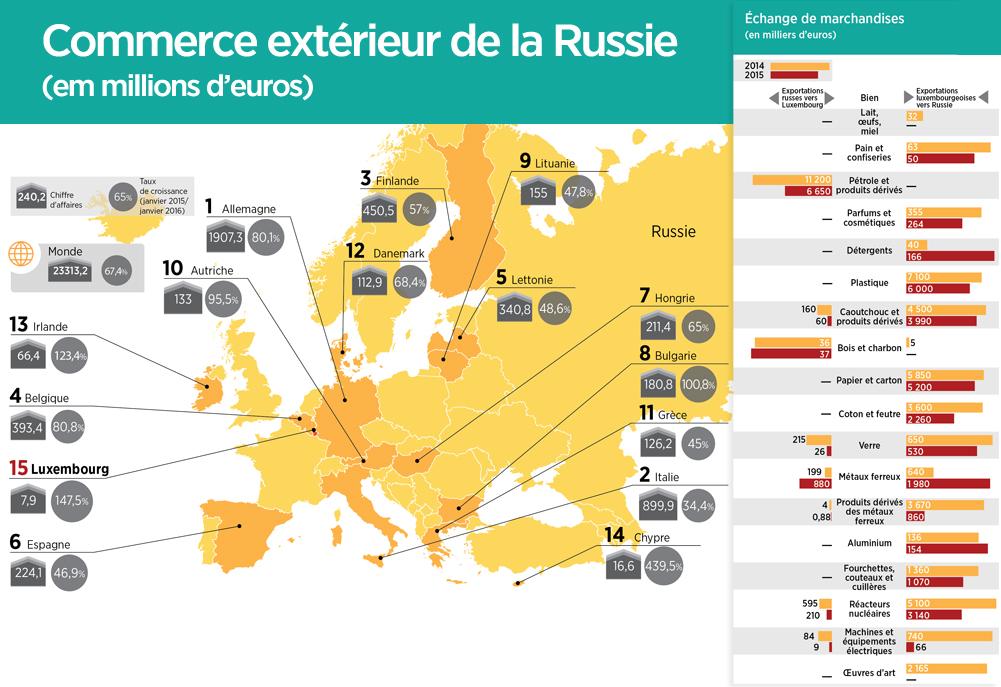
Ireland’s alumina exports to Russia are once again at the center of a growing European political debate after new trade figures showed hundreds of millions of dollars’ worth of alumina continued flowing from Ireland to Russia despite years of EU sanctions on Moscow. The issue has sparked criticism from Ukrainian officials, European lawmakers, and sanctions experts who argue the current rules leave an important loophole open. At the same time, the Irish government maintains that the exports remain legal because alumina is not included in the European Union’s sanctions list. Why this matters now: the debate comes as Europe continues tightening pressure on Russia while searching for ways to close remaining gaps in its sanctions regime without harming its own industries.
Ireland’s alumina exports have become a political flashpoint
Ireland has found itself under growing international attention because alumina, an essential raw material used to manufacture aluminium, continues to be exported from the country to Russia. Recent reports estimate shipments valued at approximately $308 million (€308 million equivalent reporting varies by source) reached Russian facilities during the latest reporting period, renewing questions about whether current EU sanctions go far enough.
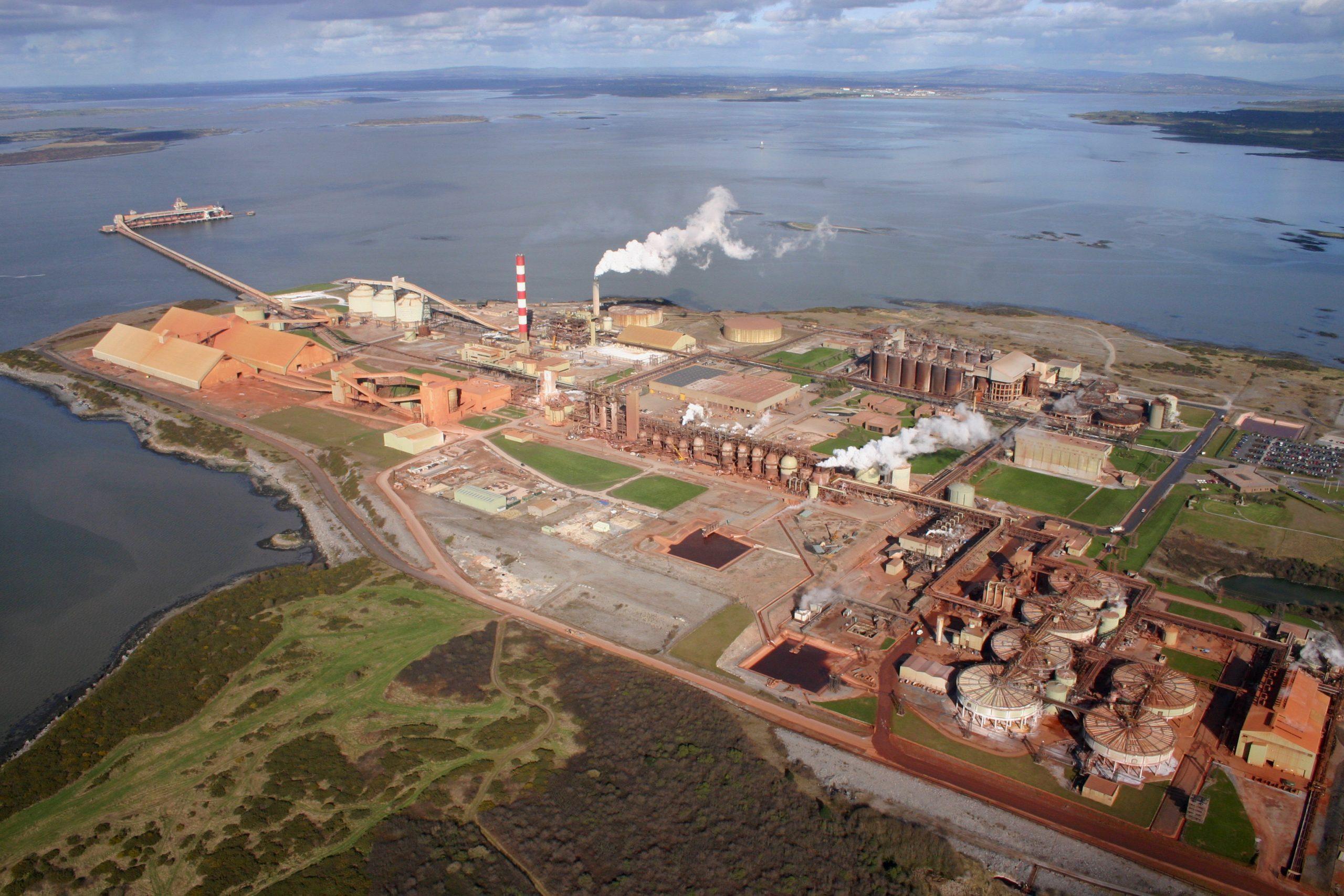
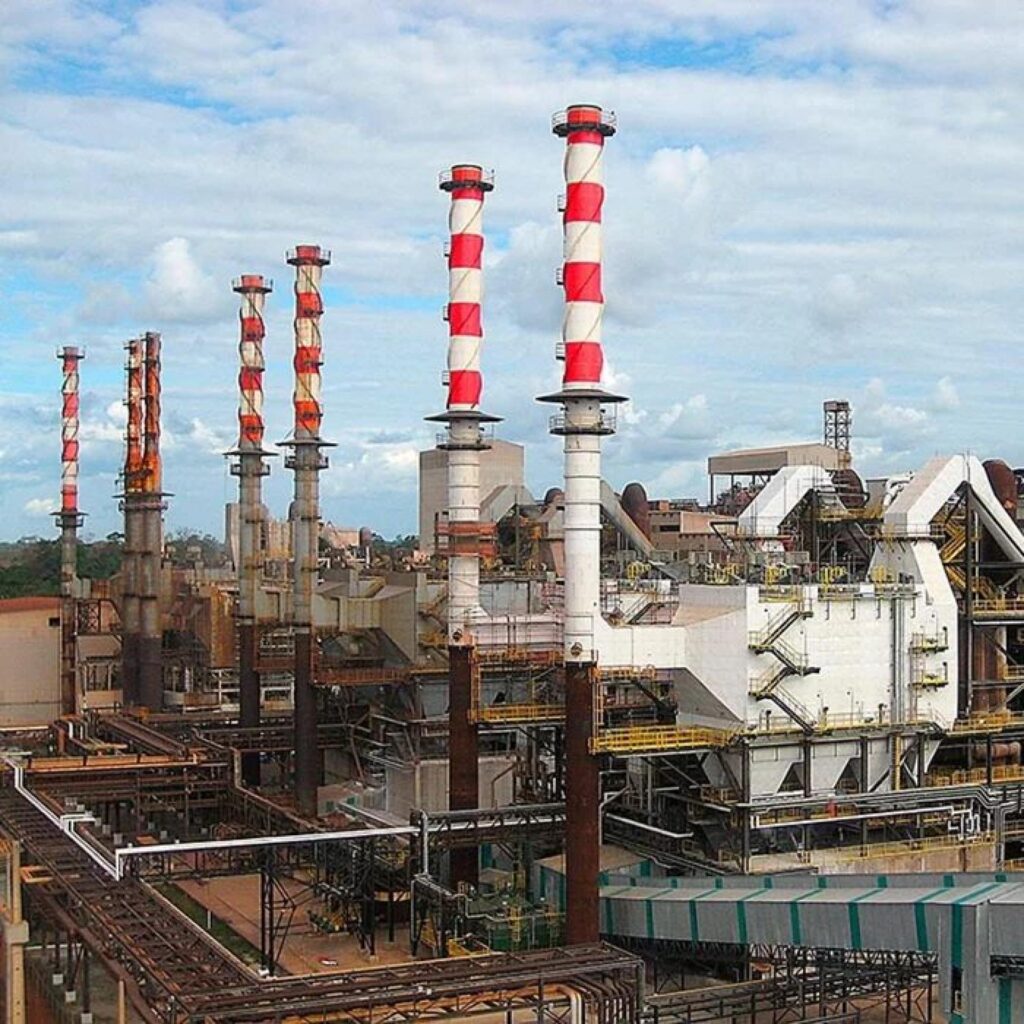
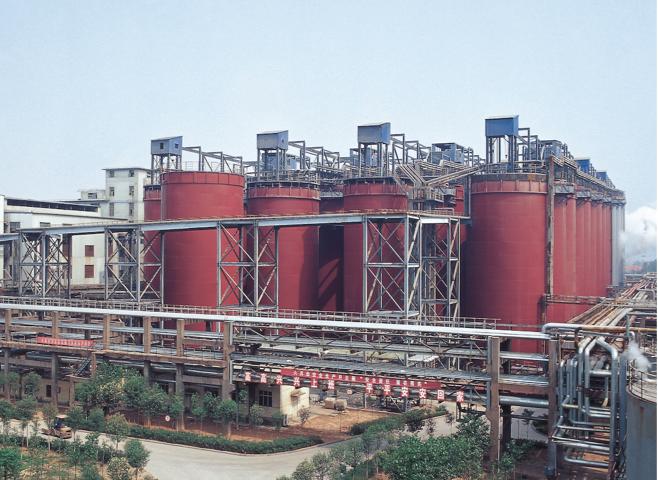
The controversy largely centers on Aughinish Alumina, Europe’s largest alumina refinery located in County Limerick. The refinery is owned by Russian aluminium producer Rusal, although the company itself is not currently subject to EU sanctions. Because alumina remains outside the EU’s restricted products list, the refinery has continued exporting under existing European trade rules. Irish authorities have repeatedly stated these exports comply with current law.
Why has alumina become an important sanctions issue
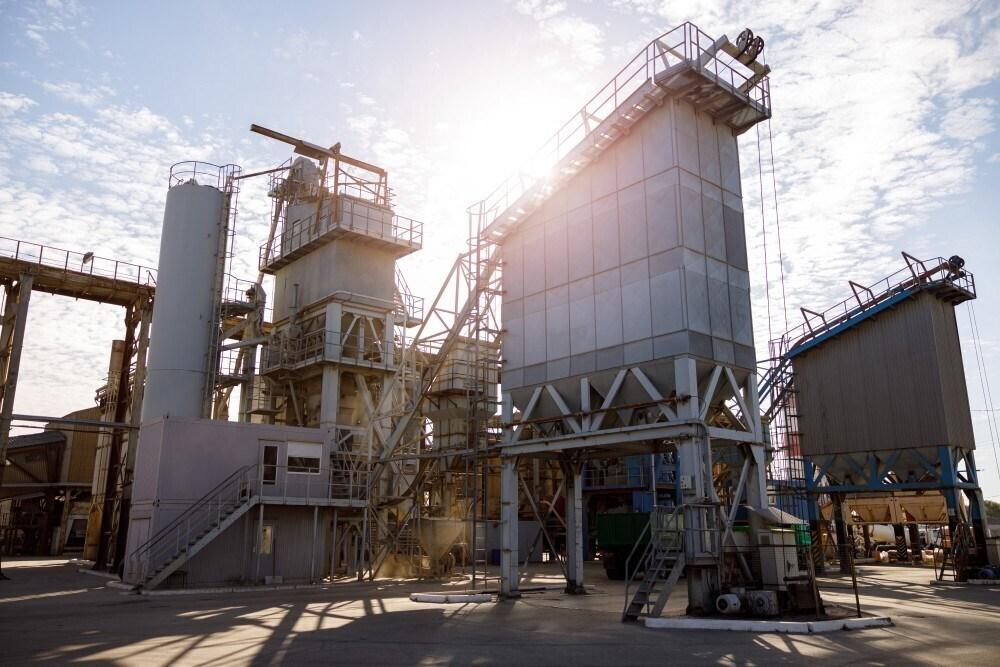
Alumina is not a finished military product. Instead, it serves as the primary ingredient used to produce aluminium, one of the world’s most widely used industrial metals. Aluminium is essential across construction, transportation, aerospace, electronics, renewable energy, packaging, and defense manufacturing.
Critics argue that once alumina reaches Russia, it can eventually become aluminium used in equipment ranging from civilian aircraft and vehicles to drones, missiles, military vehicles, and ammunition. Investigative reporting has suggested possible links between Irish-produced alumina entering broader Russian industrial supply chains, although investigators have acknowledged they could not trace specific shipments directly into individual weapons systems because industrial aluminium from multiple sources is blended during production.
The legal position versus the political debate
One of the biggest reasons this issue has attracted attention is the difference between legal compliance and political expectations.
Irish officials continue to emphasize that neither alumina nor Aughinish Alumina currently falls under EU sanctions. Since European sanctions are adopted collectively by all member states, Ireland cannot independently prohibit exports that remain lawful under EU legislation. Government officials have instead said they will continue working with European partners if future sanctions proposals include alumina.
However, critics argue that legality does not eliminate strategic concerns. Ukrainian officials, several members of the European Parliament, sanctions advocates, and anti-corruption organizations have urged Brussels to examine whether strategic industrial materials should receive greater scrutiny even if they are technically civilian products. They believe modern supply chains make it increasingly difficult to separate civilian and military industrial production.
Europe faces difficult economic and strategic choices
The debate illustrates one of the European Union’s broader sanctions challenges. Since Russia’s full-scale invasion of Ukraine, the EU has imposed numerous sanctions targeting financial institutions, technology exports, energy products, transport, military equipment, and thousands of individuals and organizations.
Raw industrial materials present a much more complicated problem. Europe itself depends heavily on stable aluminium supplies for automotive manufacturing, renewable energy infrastructure, aviation, construction, consumer electronics, and medical equipment. Industry groups have warned that sudden restrictions could disrupt European manufacturing while increasing production costs for businesses and consumers.
Irish leaders have also noted that Aughinish represents an important industrial employer and plays a significant role in Europe’s aluminium supply chain. Policymakers therefore face the challenge of balancing geopolitical objectives with economic stability and employment.
Could future EU sanctions include alumina?
The European Commission has repeatedly indicated that each new sanctions package will review possible loopholes. While alumina has not yet been added to sanctions lists, European officials have acknowledged that investigations and new evidence can influence future policy discussions.
Several European politicians have called for stronger monitoring of strategic raw materials, while sanctions experts argue improved supply-chain transparency could become increasingly important. Whether alumina eventually joins future sanctions packages remains uncertain, but pressure for additional review has clearly increased over recent months.
Industry experts also note that sanctions decisions often involve extensive economic impact assessments because policymakers must weigh national security concerns against potential consequences for European manufacturing competitiveness.
What happens next?
The coming months could prove significant for both Ireland and the European Union. Ongoing government reviews, continued investigative reporting, and discussions among EU member states may shape whether alumina receives greater regulatory attention in future sanctions packages.
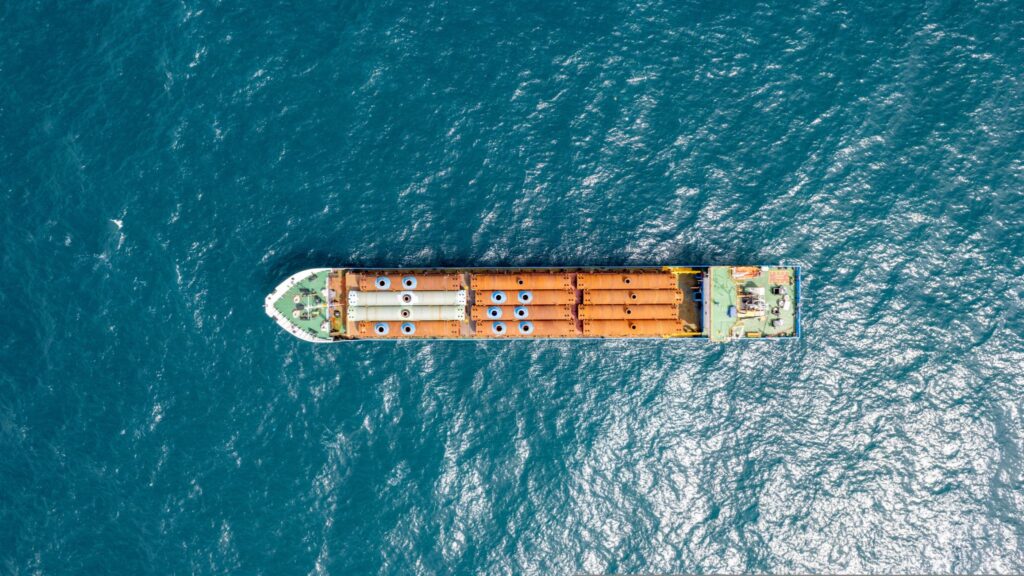
For businesses operating across Europe, the issue also highlights how geopolitical conflicts increasingly influence global commodity markets. Companies involved in mining, metals, manufacturing, logistics, and international trade continue to monitor sanctions developments closely because future policy changes could reshape supply chains across multiple industries.
Although current exports remain legal under existing EU regulations, political pressure surrounding Ireland’s alumina trade with Russia is unlikely to disappear soon. As Europe continues refining its sanctions strategy, lawmakers will likely face growing calls to determine whether strategic industrial materials should receive tighter oversight in an increasingly interconnected global economy.
Subscribe to trusted news sites like USnewsSphere.com for continuous updates.